Skip to content

...

Showing posts sorted by relevance for query easy baby knitting. Sort by date Show all posts

7 Free Baby Blanket Knitting Patterns for Beautiful Handmade Gifts

Looking for a beautiful baby blanket to knit for a new arrival? These 7 free baby blanket knitting patterns include simple stripes, textured hearts, classic heirloom designs and cozy stitch patterns that make wonderful handmade gifts.

Every pattern in this collection links to an updated Amazing Knitting guide where you can find the current pattern details and the original free source.

✓ All 7 patterns in this collection are free

Click any photo, title or pattern link below to visit the corresponding Amazing Knitting guide.

1. Easy Striped Baby Blanket

Easy Striped Baby Blanket free knitting pattern

Photos © Jamey - Dabbles and Babbles

Easy Striped Baby Blanket by Jamey of Dabbles & Babbles is a lovely choice for newer knitters. Soft three-color stripes are framed by a textured seed-stitch border, giving the blanket a clean, modern finish.

It is worked flat in DK yarn and measures approximately 34 × 33 inches after blocking.

View the Free Easy Striped Baby Blanket Pattern →


2. Heart Baby Blanket

Heart Baby Blanket free knitting pattern

Photo © katalysis

Heart Baby Blanket by Ann Saglimbene uses knit-and-purl texture to create repeating heart motifs directly in the fabric.

There is no stranded colorwork or intarsia involved, which makes the design especially attractive for knitters who want a decorative single-color blanket.

Our updated guide also explains why knitters should use the designer's corrected March 2024 version rather than an older copy.

View the Free Heart Baby Blanket Pattern →


3. Jordan Baby Blanket

Jordan Baby Blanket free knitting pattern

Photo © danelle1977

Jordan Baby Blanket by marianna mel is a beautiful textured design made with basic knit and purl stitches.

The raised stitch pattern gives the blanket plenty of visual interest without relying on lace or multiple yarn colors, making it a strong choice for a classic handmade baby gift.

The pattern also comes in several sizes and can be adjusted depending on the project you want to make.

View the Free Jordan Baby Blanket Pattern →


4. Treasured Heirloom Baby Blanket

Treasured Heirloom Baby Blanket free knitting pattern

Design © Lion Brand

Treasured Heirloom Baby Blanket is a classic corner-to-corner design with alternating garter and eyelet sections.

The diagonal construction gives the blanket an elegant traditional appearance while allowing the entire project to be worked as one piece.

It is a particularly nice option if you want a baby blanket that feels more like a keepsake than an everyday basic.

View the Free Treasured Heirloom Baby Blanket Pattern →


5. Rice Stitch Baby Blanket

Rice Stitch Baby Blanket free knitting pattern

Photo © Liz Chandler / PurlsAndPixels

Rice Stitch Baby Blanket by Liz Chandler is a practical textured blanket that works beautifully when you want visual interest without complicated lace or colorwork.

The pattern includes two approaches to creating the textured fabric and is a useful project for practicing knit-and-purl combinations.

The finished blanket measures approximately 40 × 40 inches and is worked in worsted-weight yarn.

View the Free Rice Stitch Baby Blanket Pattern →


6. Waffle Blanket

Waffle Blanket free knitting pattern

Waffle Blanket by Alexis Layton is all about texture. Its repeating stitch pattern creates a deeply raised surface that gives the finished blanket a cozy, substantial appearance.

The original pattern is worked in Aran-weight yarn and measures approximately 40 × 51 inches.

It can work well as a larger baby blanket, stroller blanket or small family throw.

View the Free Waffle Blanket Pattern →


7. Little Girl Pink Baby Blanket

Little Girl Pink Baby Blanket free knitting pattern

Little Girl Pink Baby Blanket by Marlaine DesChamps combines cable and lace panels for a more decorative, traditional baby-blanket look.

The original design measures approximately 35 × 46 inches and was designed for Caron Simply Soft worsted-weight yarn.

This is a lovely option when you want a handmade baby gift with a more detailed heirloom-style finish.

View the Free Little Girl Pink Baby Blanket Pattern →

Which Free Baby Blanket Should You Knit?

If you want something simple and modern, start with the Easy Striped Baby Blanket.

For textured knitting, the Jordan Baby Blanket, Rice Stitch Baby Blanket and Waffle Blanket are especially good choices.

If you are knitting for a baby shower or keepsake gift, the Heart Baby Blanket, Treasured Heirloom Baby Blanket and Little Girl Pink Baby Blanket have a more decorative, traditional feel.

Tips for Choosing a Baby Blanket Yarn

Baby blankets are used and washed often, so softness and easy care are both important. Check the original pattern's recommended yarn weight before substituting another yarn, and make a gauge swatch when the finished dimensions matter.

Smooth yarns also tend to show textured stitches, hearts, cables and lace more clearly than very fuzzy yarns.

Before You Cast On

Pattern availability can change over time. Amazing Knitting reviews the projects featured in our collections and links each one to an updated guide with the current pattern information and original designer or publisher source.

More Free Knitting Patterns

Amazing Knitting is gradually reviewing and updating its pattern archive so that older favorites are easier to identify and their current availability is clearer.

Save this collection for your next baby shower or handmade gift and explore the individual guides above to find the blanket that best matches your yarn, skill level and knitting style.

Editorial note: The knitting patterns featured in this collection belong to their respective designers and publishers. Amazing Knitting provides independent pattern guides and links to authorized sources rather than reproducing complete copyrighted pattern instructions.

Easy Knitting Patterns for Beginners - Free Projects & Guides

Knitting for Beginners: 50+ Easy Knitting Patterns
Photo above © allfreeknitting

Photo above © AllFreeKnitting

New to knitting? You do not need to start with a complicated sweater or an intimidating stitch pattern. The best beginner projects help you practice a few essential skills while still giving you something useful and beautiful to enjoy when you finish.

This Amazing Knitting beginner guide brings together easy projects, simple stitches and helpful resources from our knitting archive so you can choose a comfortable place to start.

New to knitting?

Start small, choose a project you genuinely want to make, and focus on learning one or two new skills at a time. You do not need to master everything before beginning your first project.

What Should a Beginner Knitter Learn First?

Before tackling more advanced projects, it helps to become comfortable with a few knitting basics: casting on, the knit stitch, the purl stitch, binding off and recognizing the stitches on your needles.

Once knit and purl stitches begin to feel natural, you can create an impressive variety of textures without learning complicated techniques.

Easy Free Knitting Projects for Beginners

Ready to make something? These beginner-friendly projects from the Amazing Knitting archive are good places to explore.

1. Easy Striped Baby Blanket

A baby blanket gives you plenty of repetition for practicing consistent tension. This striped design combines straightforward knitting with a simple textured border.

Explore the Easy Striped Baby Blanket →

2. Jordan Baby Blanket

If you want to see how basic knit and purl stitches can create beautiful texture, the Jordan Baby Blanket is an excellent example. No complicated colorwork is needed.

Explore the Jordan Baby Blanket →

3. Fuss Free Baby Cardigan

Ready to move beyond flat rectangular projects? A simple baby cardigan is a manageable way to begin exploring garment construction without committing to a full adult sweater.

Explore the Fuss Free Baby Cardigan →

4. French Macaroon Baby Sweater

Small garments are useful confidence-building projects because they let you practice garment techniques on a much smaller scale.

Explore the French Macaroon Baby Sweater →

5. Rice Stitch Baby Blanket

This textured blanket is a useful next step once you are comfortable switching between knit and purl stitches. The simple texture keeps the knitting interesting without requiring elaborate lace or colorwork.

Explore the Rice Stitch Baby Blanket →

Easy Knitting Stitches to Practice

You do not always need to make a complete project to improve your knitting. Small stitch swatches are a quick way to practice new techniques and learn how different combinations of knit and purl stitches change the fabric.

Twisted Rib Stitch

Learn how twisted stitches can create crisp, defined columns of ribbing that are useful for cuffs, hems and decorative details.

Learn the Twisted Rib Stitch →

Diagonal Rib Stitch

Once ordinary ribbing feels comfortable, diagonal rib is an interesting way to explore how simple stitch placement can create movement across knitted fabric.

Explore the Diagonal Rib Stitch Guide →

Herringbone Knitting

Herringbone knitting can be created in several ways. Our guide explains the family of herringbone-style techniques and helps you understand the distinctive woven-looking fabric they produce.

Explore Herringbone Knitting →

Beginner Knitting Tips

Do not worry about knitting quickly. Consistent stitches and understanding what is happening on your needles are more useful than speed.

Choose a light or medium-colored smooth yarn when learning because the individual stitches are easier to see. If you make a mistake, use it as an opportunity to examine the fabric rather than immediately starting the entire project again.

It also helps to keep track of repeated rows when working textured patterns. We have a simple guide for that too:

Easy Trick for Tracking Repeated Knitting Rows →

What Should You Knit First?

If this is your very first project, a scarf, washcloth or simple blanket is usually easier to manage because you can concentrate on your stitches without worrying about complicated shaping.

After that, try textured blankets, baby garments or other small projects that introduce one new technique at a time.

Beginner Tip

The easiest pattern is not necessarily the best first project. Choose something simple enough to learn from but interesting enough that you will actually want to finish it.

Keep Learning with Amazing Knitting

As your confidence grows, explore more free patterns, knitting stitches and tutorials throughout the Amazing Knitting archive. Start with the basics, practice regularly and add new techniques gradually.

Every finished swatch and project teaches you something new — and that is how beginner knitters become confident knitters.

Editorial note: This page is an original Amazing Knitting beginner resource. Patterns featured in linked project guides belong to their respective designers and publishers. Amazing Knitting provides educational guidance and links to authorized pattern sources rather than reproducing complete copyrighted pattern instructions.

Free Baby Bootie Knitting Patterns - Classic & Mary Jane

Baby Bootie - Free Knitting Pattern
Photo above © HowStuffWorks

Looking for a small, classic knitting project for a new baby? This vintage-style Baby Bootie resource features two free designs originally published through HowStuffWorks: Baby's Best Booties and Mary Jane Booties.

Both designs are knitted flat rather than completely in the round, making them approachable for knitters who prefer straight needles and traditional seamed construction.

Baby's Best Booties have a simple one-piece shape, while the Mary Jane version adds a classic strap-and-button detail for a more decorative little shoe.

The original HowStuffWorks article is still available online and continues to provide the complete free instructions for both projects.

✓ Two Free Baby Bootie Patterns

The original HowStuffWorks resource remains online and includes instructions for both Baby's Best Booties and Mary Jane Booties. Amazing Knitting provides this independent project guide and sends readers to the original source for the complete directions.

Baby Bootie Patterns at a Glance

Original Source: HowStuffWorks

Patterns Included: Baby's Best Booties + Mary Jane Booties

Craft: Knitting

Category: Baby booties

Construction: Worked flat and seamed

Difficulty: Beginner-friendly to advanced beginner

Availability: Free web patterns

Two Different Baby Bootie Designs

The old Amazing Knitting page used the general title Baby Bootie, but the original source actually gives you two different projects.

That is useful because you can choose between a simpler traditional bootie and a more shoe-like Mary Jane design without leaving the same original tutorial collection.

1. Baby's Best Booties

Baby's Best Booties are a simple, traditional pair of knitted baby booties designed around an easy flat construction.

They are particularly appealing for newer knitters because the booties are knitted flat and then seamed rather than requiring double-pointed needles or Magic Loop.

Baby's Best Booties Specifications

Size: Approximately 3–6 months

Finished Foot Length: About 4½ in

Yarn Weight: DK / 8 ply

Original Yarn: Jo Sharp Classic DK Wool

Yardage: About 100 yd / 91 m

Needles: US 5 / 3.75 mm

Gauge: 24 sts × 48 rows = 4 in / 10 cm in garter stitch

Construction: Worked flat and seamed

Why Baby's Best Booties Are Beginner Friendly

A small pair of booties gives you the satisfaction of completing a recognizable three-dimensional project without committing to a sweater or blanket.

The main fabric uses garter stitch, and the flat construction lets you work with familiar straight-needle techniques.

You will still practice useful skills such as shaping, finishing and seaming.

One-Piece Construction

Baby's Best Booties are designed as a largely one-piece project.

Instead of knitting many separate components and assembling them later, the shape develops through the knitting before the final seams are made.

This helps keep the project manageable and reduces the number of loose pieces to keep track of.

Garter Stitch

The published gauge for Baby's Best Booties is measured in garter stitch.

When knitting flat, garter stitch is created by knitting each row. The fabric forms characteristic horizontal ridges and has plenty of natural elasticity.

That combination works particularly well for small baby accessories.

The Original Yarn

The historical pattern information lists Jo Sharp Classic DK Wool.

You do not necessarily need to locate the exact discontinued or older yarn used in the original project.

A suitable modern DK-weight substitute can work, provided that it gives you the correct gauge and creates a soft, comfortable fabric.

Ribbon Detail

The original Baby's Best Booties pattern also calls for approximately 1 yard / 1 meter of matching ribbon.

The ribbon adds a decorative finishing touch and can help give the traditional bootie shape its classic appearance.

On any baby item, make sure decorative ties are used cautiously and never left in a configuration that could create a hazard.

2. Mary Jane Booties

The second free design in the HowStuffWorks collection is Mary Jane Booties by Lucie Sinkler.

These resemble miniature Mary Jane shoes, with a low-cut shape and a knitted strap secured by a small button.

They are still knitted footwear rather than rigid shoes, but the strap detail gives them a much more dressed-up appearance.

Mary Jane Booties Specifications

Designer: Lucie Sinkler

Size: Approximately 0–6 months

Finished Foot Length: About 3 in / 7.5 cm

Ankle: About 4 in / 10 cm circumference with strap buttoned

Original Yarn: Debbie Bliss Baby Cashmerino

Yarn Weight: Sport

Yardage: About 137 yd / 125 m

Needles: US 3 / 3.25 mm

Gauge: 24 sts × 52 rows = 4 in / 10 cm in garter stitch

Construction: Worked flat and seamed

The Classic Mary Jane Shape

What distinguishes the Mary Jane design is the strap crossing the top of the foot.

A small button closes the strap, creating a knitted interpretation of a classic children's shoe.

This makes the project especially attractive for baby gifts, photographs and coordinated handmade outfits.

Small Buttons Require Extra Care

Baby Safety Note

The Mary Jane pattern uses small buttons. Buttons and other detachable decorations can become choking hazards if they come loose. Attach them extremely securely and inspect them regularly. Handmade booties should be used with appropriate adult supervision.

Choosing Yarn for Baby Booties

Softness is one of the most important considerations when choosing yarn for something worn directly against a baby's feet.

A good substitute should be:

  • Soft against delicate skin
  • Appropriate for the pattern gauge
  • Easy to wash
  • Strong enough to withstand gentle stretching
  • Free from uncomfortable coarse fibers or embellishments

Don't Use the Same Yarn Automatically for Both Patterns

Although these booties appear together in the same HowStuffWorks article, they do not use identical yarn specifications.

Baby's Best Booties are documented with DK-weight yarn and 3.75 mm needles, while the Mary Jane Booties use sport-weight yarn and 3.25 mm needles.

Follow the specifications for the particular pair you intend to make.

Why Gauge Matters on Such a Small Project

A difference of only a few stitches per inch can have a noticeable effect on something as small as a baby shoe.

If your gauge is too loose, the bootie may become much larger than expected. If it is too tight, the finished shoe may not comfortably fit the baby's foot.

Use the published needle sizes as starting points and adjust if necessary to achieve gauge.

Worked Flat and Seamed

Both designs are documented as being worked flat and then seamed.

This makes them useful options for knitters who are not yet comfortable knitting tiny circumferences in the round.

The finishing is important, however. Keep seams neat and avoid leaving bulky ridges inside the bootie where they could rub against the baby's foot.

Useful Skills to Practice

  • Casting on
  • Garter stitch
  • Basic shaping
  • Decreasing
  • Binding off
  • Working flat
  • Seaming
  • Making a buttonhole on the Mary Jane version
  • Attaching a button securely
  • Weaving in yarn ends

Which Pattern Should a Beginner Choose?

If you want the simpler-looking first project, Baby's Best Booties are a natural place to begin.

If you are comfortable adding a buttonhole and sewing on a button, the Mary Jane Booties offer a little more detail while still using approachable flat construction.

Make a Matching Pair

Small projects can reveal tension differences surprisingly clearly.

To keep both booties similar:

  • Use the same yarn and needles for both shoes
  • Count rows carefully
  • Compare the second bootie with the first as you work
  • Keep seams consistent
  • Block both pieces in the same way

These Are Not Walking Shoes

Knitted baby booties are soft accessories designed primarily for warmth and comfort.

They should not be treated as protective footwear for a child who is walking on rough, slippery or outdoor surfaces.

Always check the fit and make sure the baby's toes are not compressed.

Is the Original Baby Bootie Resource Still Free?

Yes.

The HowStuffWorks Free Baby Bootie Knitting Patterns article remains available online and contains the free instructions associated with these designs.

Amazing Knitting does not copy the full row-by-row instructions here. Instead, this page helps you identify the two designs, choose between them, and reach the original source.

Get the Free Baby Bootie Patterns

Visit the original HowStuffWorks resource for the complete instructions:

View the Free Baby Bootie Patterns →

Baby's Best Booties Pattern Record

You can also view the historical pattern specifications and project information on Ravelry:

View Baby's Best Booties on Ravelry →

Mary Jane Booties Pattern Record

The Mary Jane design by Lucie Sinkler also has a detailed Ravelry record:

View Mary Jane Booties on Ravelry →

More Baby Booties on Amazing Knitting

Explore More Baby Knitting

Before You Cast On

Decide first which of the two booties you want to make, because their yarn, needle and sizing information differs.

Baby's Best Booties offer a classic simple shape, while Mary Jane Booties add the recognizable strap-and-button detail.

Use the current HowStuffWorks article for the complete original directions, check your gauge carefully, and finish all seams and decorative elements securely before the booties are worn.

Pattern credit: These baby bootie patterns were published through HowStuffWorks / Publications International, Ltd. Mary Jane Booties are credited to Lucie Sinkler. Amazing Knitting provides an independent editorial guide and does not reproduce the complete copyrighted row-by-row instructions. Preserve the existing photograph credit: Photo above © HowStuffWorks.

Jordan Baby Blanket - Free Pattern

Jordan Baby Blanket - Free Pattern
Photo above © danelle1977

Looking for an easy free baby blanket knitting pattern with plenty of texture? The Jordan Baby Blanket by marianna mel is a sweet, adaptable design worked in DK-weight yarn using simple knit-and-purl texture.

The original pattern includes several blanket sizes, from a tiny 15-inch blanket through a 30-inch baby blanket, and the designer explains that the size can be adjusted further. This makes it an especially versatile project for baby gifts, premature babies, or dolls.

Jordan Baby Blanket at a Glance

Pattern: Jordan Baby Blanket

Designer: marianna mel

Published: September 2018

Craft: Knitting

Category: Baby Blanket

Yarn Weight: DK

Needle Size: US 6 / 4.0 mm

Gauge: 24 stitches = 4 inches / 10 cm

Sizes: 15", 18", 24" and 30"

Adjustable: Yes

Pattern Availability: Free

About the Jordan Baby Blanket

Designed by marianna mel of Marianna's Lazy Daisy Days, the Jordan Baby Blanket is a textured knitted blanket with a simple, gender-neutral appearance.

Rather than relying on lace, cables, or multiple yarn colors, the visual interest comes from combinations of basic knit and purl stitches. The resulting texture gives the blanket more character than plain stockinette while keeping the techniques approachable.

A Simple Textured Blanket

One of the most appealing features of the Jordan Baby Blanket is its textured surface.

The design uses knit-and-purl combinations to create raised areas across the fabric. This makes it a useful project for knitters who are comfortable with the basic stitches and want to practice maintaining a repeating textured pattern over a larger piece.

A solid or lightly tonal yarn can be especially effective because it allows the stitch texture to remain visible without competing with strong color changes.

Four Sizes — and Easy to Adjust

The pattern provides stitch counts for four sizes:

  • 15 inches
  • 18 inches
  • 24 inches
  • 30 inches

The smallest 15 × 15 inch version was designed as a very small blanket suitable for a premature or angel baby, or as a doll blanket.

The designer also notes that the pattern is easy to adjust for larger sizes, giving knitters flexibility beyond the four sizes already provided.

Yarn Requirements

The original design uses DK-weight yarn. The smallest 15-inch version requires approximately:

70g of DK yarn

Naturally, the larger versions require more yarn. Check the designer's current instructions for the requirements of the exact blanket size you intend to make before purchasing your yarn.

For a baby blanket, you may also want to consider softness, washability, and durability when choosing a substitute yarn.

Needles and Gauge

The original pattern recommends:

US 6 / 4.0 mm knitting needles

The published gauge is:

24 stitches = 4 inches / 10 cm

If finished dimensions matter to you, make a swatch before beginning and adjust your needle size if necessary.

Knitting Skills Used

The Jordan Baby Blanket is built around fundamental knitting techniques. Helpful skills include:

  • Casting on
  • Knit stitches
  • Purl stitches
  • Following repeating rows
  • Maintaining consistent tension
  • Binding off
  • Weaving in yarn ends

Because the texture comes primarily from knit and purl stitches, the project can be a useful next step after practicing basic knitting.

Important Pattern Correction

The designer notes that an earlier version of the Jordan Baby Blanket contained an error in the purl rows. The instructions have since been corrected. If you saved or printed an older copy, check the current designer version before knitting.

A Useful Baby Gift Project

The adjustable sizing makes this pattern particularly useful when knitting for different purposes.

You can make the small version as a keepsake or doll blanket, choose one of the larger baby sizes, or use the designer's guidance to adapt the dimensions further.

Its simple texture also works with many color choices, making it easy to coordinate the blanket with a nursery or gift theme.

Is the Jordan Baby Blanket Pattern Free?

Yes. The Jordan Baby Blanket is currently listed as a free knitting pattern on Ravelry, with the free pattern linked to the designer's Marianna's Lazy Daisy Days website.

You may also encounter a paid downloadable PDF edition through other marketplaces. That does not change the availability of the designer's free web version linked from the Ravelry listing.

Amazing Knitting does not reproduce the designer's complete row-by-row instructions. Use the original source for the current pattern and its corrected instructions.

Get the Free Jordan Baby Blanket Pattern

Visit the Ravelry pattern page to access the current free pattern information and the link to the designer's original instructions.

Get the Free Jordan Baby Blanket Pattern →

Pattern credit: Jordan Baby Blanket was designed by marianna mel and published through Marianna's Lazy Daisy Days. Pattern availability and technical information may change over time.

More Free Baby Blanket Knitting Patterns

If you enjoy simple textured blankets, explore more free baby blanket knitting patterns, textured baby blankets, and easy baby blanket knitting patterns from the Amazing Knitting archive.

Before You Start

Open the designer's current pattern before casting on, especially if you previously saved an older version. Choose your blanket size, confirm the corresponding yarn requirement and stitch count, check the corrected instructions, and make a gauge swatch if finished dimensions are important.

Fish and Chip Babies - Free Knitting Pattern

Fish and Chip Babies - Free Knitting Pattern
The photo above © Cordelia

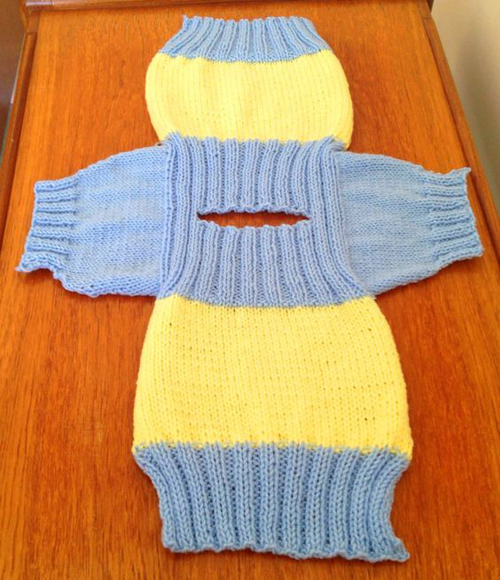
Looking for a simple baby jumper and beanie knitting project with a long history of charity knitting? The pattern commonly known as the Fish and Chip Babies jumper has circulated for many years among knitting groups, churches, community organizations, and charity projects.

The design is intentionally simple: a small baby jumper is knitted in one piece and paired with a basic beanie. Its straightforward construction made it popular with knitters who wanted to create warm baby garments quickly for donation.

Fish and Chip Babies Pattern at a Glance

Pattern Type: Baby Jumper and Beanie

Craft: Knitting

Category: Charity Baby Knitting

Construction: Jumper knitted in one piece

Yarn Weight: Double Knitting / DK

Needles: Approximately 4.5–5.0 mm, depending on tension

Matching Item: Baby Beanie

Pattern History: Widely circulated charity pattern

What Are Fish and Chip Baby Jumpers?

“Fish and Chip Babies” is a name that became associated with a simple knitted baby jumper distributed through charity knitting campaigns.

Older appeals explained that the garments were intended for babies in communities where suitable newborn clothing could be difficult to obtain. The unusual name came from stories that some newborns were being kept warm using newspaper.

Versions of the appeal and pattern have circulated through community groups for many years, so there is no single modern pattern publisher that can easily be identified as the original designer.

A Simple One-Piece Baby Jumper

One reason this pattern became popular for charity knitting is its uncomplicated construction. The jumper is worked largely as a single piece, reducing the amount of shaping and finishing required.

Traditional versions combine ribbing and stockinette stitch, with stitches added to form the sleeves and an opening created for the baby's head.

This makes the project approachable for knitters who are comfortable with basic knit and purl stitches but may not yet want to tackle a more complicated baby sweater.

Yarn for the Baby Jumper

The commonly circulated versions specify Double Knitting (DK) yarn, also known as approximately 8-ply in some countries.

Older charity instructions often requested bright or mixed colors rather than very pale shades. However, donation requirements can change significantly between organizations.

If you intend to knit these garments for charity, always check the receiving organization's current requirements before purchasing yarn or starting the project.

Needle Sizes

Traditional copies of the jumper pattern commonly recommend:

  • 5.0 mm needles for tighter knitters
  • 4.5 mm needles for looser knitters

These recommendations are intended to produce an appropriately sized and flexible baby garment, but your personal knitting tension may vary.

The Matching Baby Beanie

A simple knitted beanie is frequently included alongside the jumper pattern. Like the jumper, the hat is designed to be quick to knit and uses basic ribbing, stockinette stitch, and crown decreases.

Matching the hat and jumper in coordinating colors can create a complete little newborn set.

Why This Pattern Became Popular for Charity Knitting

Charity knitting projects often need designs that are economical, practical, and easy to reproduce in larger numbers.

The Fish and Chip baby jumper fits those requirements well because it uses familiar knitting techniques, can be made with relatively small amounts of DK yarn, and does not require complicated garment construction.

It is also useful for groups because knitters of different experience levels can contribute to the same type of project.

Important: Check Current Donation Requirements

Many versions of this pattern online come from older charity appeals. That does not necessarily mean the same organization is currently requesting these garments.

Before knitting specifically for donation, confirm that your chosen charity currently accepts knitted baby jumpers and hats and check its latest requirements for yarn type, colors, sizing, washing, labeling, and delivery.

If no current charity appeal is available in your area, the same simple style can still be useful as inspiration for personal baby knitting or local donation projects that accept handmade garments.

View a Traditional Fish and Chip Baby Pattern

Amazing Knitting does not reproduce the full circulated knitting instructions here. A historical copy of the jumper and hat pattern is available from the source below.

View the Fish and Chip Baby Pattern →

Pattern note: This is a widely circulated charity knitting pattern. Amazing Knitting has not identified a definitive original designer. The linked copy is provided by an external organization, and current charity requirements should always be verified separately.

More Baby Knitting Inspiration

Explore more baby sweater knitting patterns, baby hat knitting patterns, and baby knitting patterns from the Amazing Knitting archive.

Before You Start

If you are knitting this project for donation, contact the intended charity first. Organizations may have specific rules about fiber content, colors, sizing, safety, finishing, and whether handmade baby garments are currently needed.

Sunny Baby Blanket - Free Pattern

Sunny Baby Blanket - Free Pattern
Photo above © Funktious

Looking for a simple and cheerful free baby blanket knitting pattern? The Sunny Baby Blanket by Lucie Sinkler combines easy knit-and-purl texture with a generous garter-stitch border to create a cozy, timeless baby blanket.

The original blanket looks especially bright and cheerful in sunny yellow, but the design works beautifully in almost any color. Its straightforward construction also makes it an appealing project for knitters who want a relaxing blanket without lace or complicated colorwork.

Sunny Baby Blanket at a Glance

Pattern: Sunny Baby Blanket

Designer: Lucie Sinkler

Craft: Knitting

Category: Baby Blanket

Yarn Weight: Worsted

Suggested Yarn: Plymouth Yarn Encore Worsted

Yardage: About 800 yards / 732 meters

Needle Size: US 8 / 5.0 mm

Gauge: 17 stitches and 32 rows = 4 inches in garter stitch

Finished Size: About 30½ × 34 inches / 77.5 × 86.5 cm

Construction: Worked flat

Pattern Availability: Free

About the Sunny Baby Blanket

The Sunny Baby Blanket is a classic textured baby blanket designed by Lucie Sinkler. It was first published in 2007 and has remained a popular choice for knitters looking for an uncomplicated baby blanket with more visual interest than plain garter stitch.

Rather than using cables, lace, or several yarn colors, the design creates its texture through simple combinations of knit and purl stitches.

This gives the blanket a clean geometric appearance while keeping the knitting process relatively straightforward.

A Simple Textured Design

The central area of the blanket alternates smooth and textured sections, creating a subtle block-like pattern across the fabric.

A generous garter-stitch border frames the design and gives the blanket a neat, finished appearance.

Because all of the visual interest comes from the stitches themselves, the pattern works particularly well in a single solid color.

Why Yellow Works So Well

The original pattern highlights bright yellow as a particularly cheerful choice for this blanket, which explains the "Sunny" name.

Yellow can make a lovely gender-neutral baby color, but there is no need to limit the project to the original shade.

Cream, white, sage, soft gray, blue, pink, lavender, or stronger modern colors can all give the same pattern a very different personality.

Yarn and Yardage

The pattern calls for approximately:

800 yards / 732 meters of worsted-weight yarn

The original suggested yarn is Plymouth Yarn Encore Worsted, a machine-washable wool and acrylic blend.

Washability can be especially useful for a baby blanket, since blankets intended for regular use may need frequent cleaning.

If you substitute another worsted-weight yarn, make a gauge swatch before beginning so you can check the resulting fabric and finished dimensions.

Needles and Gauge

The original pattern recommends a:

US 8 / 5.0 mm circular knitting needle

A 29-inch circular needle is recommended to comfortably hold the large number of blanket stitches. The blanket itself is still worked flat rather than in the round.

The published gauge is:

17 stitches × 32 rows = 4 inches in garter stitch

Finished Blanket Size

The finished Sunny Baby Blanket measures approximately:

30½ × 34 inches / 77.5 × 86.5 cm

This creates a useful baby-size blanket suitable for the nursery, supervised cuddling, or taking along in a stroller.

Knitting Skills Used

One reason this pattern remains approachable is that the texture is created with fundamental knitting techniques. Depending on your experience, the project can provide useful practice with:

  • Knit stitches
  • Purl stitches
  • Garter stitch
  • Following repeating rows
  • Maintaining consistent tension
  • Working a large number of stitches on a circular needle
  • Simple finishing and weaving in ends

There is no need to manage multiple yarn colors to create the blanket's textured effect.

A Good First Baby Blanket Project

If you have already practiced basic knit and purl stitches and want to move on to a larger project, the Sunny Baby Blanket can be an appealing next step.

The repeating structure gives you something more interesting than plain knitting while avoiding many of the techniques found in more advanced lace or cable blankets.

A blanket is also useful for practicing consistent tension over a larger piece of fabric.

A Classic Handmade Baby Gift

A knitted baby blanket can make a thoughtful gift for a newborn or baby shower. The Sunny Baby Blanket is especially versatile because its simple geometric texture can suit many different nursery styles.

Choosing a washable yarn can make the finished blanket practical for everyday use as well as attractive enough to give as a handmade keepsake.

Is the Sunny Baby Blanket Pattern Free?

Yes. The Sunny Baby Blanket by Lucie Sinkler is currently available as a free knitting pattern.

The complete instructions are hosted externally by HowStuffWorks, and the pattern is also listed as free on Ravelry.

Amazing Knitting does not reproduce the designer's complete knitting instructions. Please use the original pattern source for the full pattern.

Get the Free Sunny Baby Blanket Pattern

Visit the original pattern page for the complete knitting instructions, materials, gauge, and finishing information.

Get the Free Sunny Baby Blanket Pattern →

Pattern credit: Sunny Baby Blanket was designed by Lucie Sinkler and published through HowStuffWorks. Pattern availability and technical information may change over time.

More Free Baby Blanket Knitting Patterns

If you enjoy this project, explore more free baby blanket knitting patterns, textured baby blankets, and easy baby blanket knitting ideas from the Amazing Knitting archive.

Before You Start

Check the original pattern before purchasing yarn. Confirm the current materials, gauge, finished measurements, and instructions, then make a gauge swatch if finished size is important to you.

Easy Knitting Projects for Beginners - Where to Start

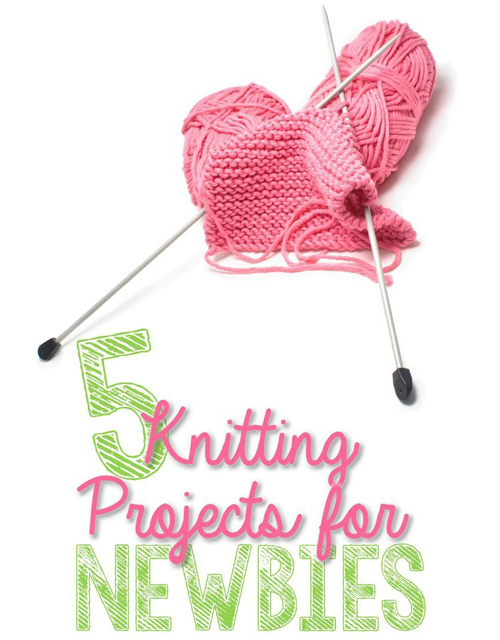
Knitting Projects for Newbies
Photo above © You put it up

Looking for your first knitting project can be more confusing than learning the knit stitch itself.

Hundreds of patterns are described as "easy" or "beginner friendly," but not every easy-looking project is suitable for someone who has only just picked up knitting needles.

A good first project should help you practice a small number of skills, give you visible progress, and be forgiving enough that a few uneven stitches do not ruin the finished result.

This guide will help you choose beginner knitting projects in a sensible order — from simple rectangular pieces to hats, baby projects, lace and your first sweater.

Beginner Knitting Guide

This page is an independent Amazing Knitting learning resource rather than one specific knitting pattern. Use it to choose a project that matches the skills you already know and the skill you want to learn next.

What Makes a Good First Knitting Project?

The best beginner project is not necessarily the smallest or the simplest-looking project.

A useful first project usually has several of these characteristics:

  • A manageable number of stitches
  • Little or no complicated shaping
  • A short repeating stitch pattern
  • Yarn that is easy to see and handle
  • Enough repetition to build muscle memory
  • A finished item you actually want to use

Your first few projects should gradually introduce new techniques rather than requiring you to learn everything at once.

Skills to Learn Before Your First Project

You do not need to know dozens of knitting techniques before starting.

For a very simple first project, focus on:

  • Making a slip knot
  • Casting on stitches
  • The knit stitch
  • Keeping stitches on the needle
  • Binding off
  • Weaving in yarn ends

Once those movements feel comfortable, add the purl stitch, decreases, increases and circular knitting one project at a time.

1. Start with a Garter Stitch Scarf

A garter stitch scarf remains one of the most practical first knitting projects.

When worked flat, you can create garter stitch simply by knitting every row.

That gives you time to practice:

  • Holding the needles
  • Controlling yarn tension
  • Recognizing stitches
  • Turning your work
  • Binding off

The shape is just a rectangle, so there is no garment fitting or complex shaping to worry about.

Why a Scarf Is Useful for Learning

Repetition is one of the fastest ways to make the basic knitting movement feel natural.

A scarf gives you hundreds of opportunities to repeat the same motion while still producing something useful.

The main disadvantage is that a full-length scarf can take time, so a small headband or cowl may be more motivating if you prefer quick projects.

2. Try a Dishcloth or Washcloth

A knitted washcloth is a good alternative when you want a project that finishes quickly.

It gives you a small square where you can practice basic stitches without worrying about exact garment fit.

Cotton yarn is commonly chosen for washable household cloths.

Once you know the knit stitch, a washcloth can also become your practice space for:

  • Purl stitches
  • Seed stitch
  • Ribbing
  • Simple eyelets
  • Textured stitch patterns

3. Knit a Simple Cowl

A cowl can feel more like a finished wearable than a practice square while still remaining relatively simple.

Some beginner cowls are worked flat as rectangles and seamed at the end. Others introduce circular needles and knitting in the round.

Choose the flat version first if circular knitting is still unfamiliar.

4. Try an Easy Baby Blanket

A baby blanket can be an excellent first larger project because it does not require body measurements or garment shaping.

Simple blanket patterns often repeat the same stitches across many rows, allowing you to improve consistency.

The main consideration is commitment: even a baby blanket contains many more stitches than a washcloth or headband.

Free Beginner Blanket Idea: Waffle Blanket

Once you are comfortable maintaining a repeating texture, explore the free Waffle Blanket pattern in the Amazing Knitting archive.

Explore the Waffle Blanket →

5. Move On to a Simple Hat

A basic hat introduces one important new idea: shaping.

Many hats gradually decrease stitches near the crown.

Depending on the pattern, a hat may be:

  • Worked flat and seamed
  • Worked in the round on circular needles
  • Finished with double-pointed needles or another small-circumference method

If you are completely new, a flat-knit hat may feel easier.

6. Try a Textured Scarf

After plain garter stitch feels comfortable, a textured scarf is a good way to learn something new without adding garment shaping.

You can practice new stitches while keeping the overall project shape extremely simple.

Free Next-Step Project: Morning Surf Scarf

Morning Surf Scarf is a verified free pattern already available in the Amazing Knitting archive.

It is a useful option when you are ready to move from plain knitting into a more decorative fabric.

View Morning Surf Scarf →

7. Learn Your First Lace Pattern

Lace does not have to mean an enormous, complicated shawl.

A small lace scarf is a much friendlier introduction because the stitch count is limited and the overall shape remains rectangular.

Before starting, become comfortable with:

  • Yarn overs
  • Basic decreases
  • Counting stitches
  • Reading repeat instructions

Free Beginner Lace Project: Little Leaf Lace Scarf

Little Leaf Lace Scarf by Sivia Harding is a particularly useful bridge into lace knitting because it combines a straightforward scarf shape with a repeating leaf motif.

Explore Little Leaf Lace Scarf →

8. Try Your First Triangle Shawl

A triangular shawl introduces increases and teaches you how knitted shaping develops row by row.

The project can look sophisticated even when the basic construction is relatively logical.

Free Shawl Idea: June Bunnies Shawl

June Bunnies Shawl is a customizable top-down triangular shawl and is especially useful when you are ready to explore simple lace.

Explore June Bunnies Shawl →

9. Try a Baby Cardigan

A baby cardigan can be a practical introduction to garment knitting because the project is much smaller than an adult sweater.

It may introduce:

  • Garment sizing
  • Increasing
  • Sleeves
  • Button bands
  • Reading a multi-size pattern

A top-down construction can be particularly attractive because you can see the garment shape develop as you work.

Free Baby Cardigan: Fuss Free Baby Cardigan

Louise Tilbrook's Fuss Free Baby Cardigan is a free DK-weight pattern with a top-down raglan construction and is a useful next step once your basic knitting feels secure.

Explore Fuss Free Baby Cardigan →

10. Knit Your First Simple Sweater

You do not need to wait years before making a sweater.

The important thing is to choose a design whose construction matches the skills you already have.

Look for patterns with:

  • Simple shapes
  • Clear sizing
  • Minimal complicated stitch work
  • Good construction notes
  • Few finishing steps

Free First-Sweater Idea: French Macaroon

French Macaroon by The Noble Thread is a small garter-stitch children's pullover with a simple boat-neck shape and uncomplicated construction.

It can be a useful way to understand how knitted pieces become a garment without beginning with a large adult sweater.

Explore French Macaroon →

A Simple Beginner Project Progression

A practical learning path:

1. Garter-stitch square or washcloth

2. Simple scarf or headband

3. Textured scarf or cowl

4. Simple blanket

5. Hat with basic shaping

6. Lace scarf or shawl

7. Baby cardigan

8. Simple sweater

This is not a rule. If one particular project excites you, motivation can be more valuable than following a perfect sequence.

What Yarn Is Easiest for Beginners?

A smooth, medium-weight yarn is often easier to learn with than extremely thin, fuzzy or novelty yarn.

You want to be able to see individual stitches clearly so that you can recognize mistakes.

Avoid choosing yarn only because it looks beautiful in the skein.

For your first project, ease of handling is usually more useful than an unusual texture.

Light Colors Can Be Easier to Read

Very dark yarn can make it difficult to see where one stitch ends and the next begins.

A light or medium color can make the structure clearer while you are learning.

Once you can recognize stitches easily, yarn color becomes much less important.

Don't Begin with Extremely Fuzzy Yarn

Mohair-like or heavily textured yarns can hide stitches.

They can also be difficult to unravel when you need to correct an error.

Save highly fuzzy yarn for a later project unless you are already comfortable identifying stitches by touch.

What Needles Should a Beginner Use?

Choose the needle size required by the pattern and appropriate for the yarn rather than buying one universal "beginner needle."

For practice knitting, medium-sized needles and medium-weight yarn can make the stitches easier to see and manipulate.

The important thing is that the needle should not make the fabric so tight that inserting the tip becomes difficult.

Wood or Metal Needles?

Both can work well.

Wooden or bamboo needles tend to offer more surface grip, which some new knitters find reassuring because stitches are less likely to slide away.

Smooth metal needles can feel faster once you become comfortable controlling the stitches.

There is no single correct material for every beginner.

Don't Choose a Project Only Because It Says "Easy"

Difficulty labels vary between designers.

Before starting, scan the skills required.

A project described as beginner-friendly may still require techniques such as:

  • Knitting in the round
  • Cables
  • Lace
  • Short rows
  • Picking up stitches
  • Seaming

None of these techniques is impossible for a beginner, but you should know what you are agreeing to learn.

Choose One New Skill at a Time

A particularly effective approach is to choose each new project because it adds one unfamiliar technique.

For example:

  • Project 1: knit stitch
  • Project 2: purl stitch
  • Project 3: ribbing
  • Project 4: decreases
  • Project 5: knitting in the round
  • Project 6: yarn overs and lace
  • Project 7: garment shaping

This prevents a single project from becoming a collection of ten new problems at once.

Make a Swatch When Size Matters

You can often practice freely on a scarf or washcloth.

But once you begin hats, sweaters, cardigans or fitted baby garments, gauge becomes much more important.

A gauge swatch tells you whether your personal knitting tension produces the dimensions expected by the pattern.

Learn How to Fix Mistakes

Becoming a confident knitter does not mean never making mistakes.

It means learning to recognize and repair them.

Useful early skills include:

  • Recognizing a dropped stitch
  • Unknitting stitches one at a time
  • Counting stitches
  • Checking pattern repeats
  • Using stitch markers
  • Using a lifeline in lace

Finish Your First Projects

A very simple finished project often teaches more than five ambitious projects abandoned halfway through.

Finishing teaches additional skills such as binding off, weaving in ends, seaming and blocking.

Choose something achievable enough that you are likely to reach that final stage.

Don't Worry About Perfect Tension

Your first rows may look different from your twentieth row.

That is normal while your hands are learning a completely new movement.

Concentrate on forming stitches consistently rather than trying to make your first project look machine-made.

More Beginner-Friendly Patterns on Amazing Knitting

Beginner Knitting Stitch Guides

When you want to practice new textures before using them in a full project, explore these Amazing Knitting stitch guides:

Explore More Easy Knitting Patterns

What Should You Knit First?

If you have never completed a project before, start with a small rectangle: a washcloth, headband or simple scarf.

If you already know knit and purl, choose a project that adds one new skill — perhaps ribbing, a simple decrease or a textured stitch.

If you can comfortably follow a basic pattern, move to a hat, shawl or baby cardigan.

The goal is not to remain a "beginner" until you know every technique. Each finished project should teach you enough to make the next project slightly more interesting.

Editorial note: This Amazing Knitting page is an independent beginner-knitting resource. It does not reproduce another publisher's pattern collection or copyrighted instructions. Individual project pages linked above identify and direct readers to their respective designers and authorized pattern sources. Please retain the photograph and original photo credit from the previous version of this page.

Dreamy Baby Booties – Free Knitting Pattern in 3 Baby Sizes

Dreamy Baby Booties free knitting pattern by Dream in Color

Dreamy Baby Booties. Photo © Dream in Color

The Dreamy Baby Booties by Dream in Color are a sweet little pair of knitted baby shoes designed for quick, satisfying knitting. With three sizes covering approximately 0–3, 3–6 and 6–9 months, this free pattern is useful for newborn gifts as well as slightly older babies.

The booties are worked in worsted-weight yarn on US 6 (4 mm) needles. Their compact size and straightforward knitted fabric make them a lovely small project when you want to create a handmade baby gift without committing to a larger garment.

Best of all, the original Dream in Color pattern is still available for free.

Dreamy Baby Booties Pattern at a Glance

  • Designer: Dream in Color
  • Published: December 2012
  • Craft: Knitting
  • Category: Baby booties
  • Sizes: 0–3, 3–6 and 6–9 months
  • Yarn weight: Worsted
  • Suggested yarn: Dream in Color Classy with Cashmere
  • Yardage: Approximately 200 yards (183 m)
  • Needles: US 6 (4 mm)
  • Gauge: 5 stitches and 8 rows per inch in stockinette
  • Language: English
  • Availability: Free

Three Baby Sizes

One of the most useful features of the Dreamy Baby Booties pattern is that it includes three sizes rather than being limited to newborns.

  • 0–3 months
  • 3–6 months
  • 6–9 months

This gives you more flexibility when knitting ahead for a baby or preparing a handmade gift.

Remember that age ranges are approximate. Babies grow at different rates, so finished measurements and gauge are more useful than age alone when choosing a size.

A Quick Baby Knitting Project

Baby booties are among the most satisfying small knitting projects. They require far less time than a sweater or blanket but still create a complete and useful handmade gift.

Dreamy Baby Booties are especially appealing when you want a compact project that can be carried easily or completed between larger knits.

Knit a single pair for a new arrival or make several pairs in different colors for a collection of handmade baby gifts.

Yarn for Dreamy Baby Booties

The original pattern recommends Dream in Color Classy with Cashmere, a worsted-weight yarn designed to produce a soft, comfortable fabric.

The original yarn is a blend of:

  • 80% Merino wool
  • 10% Cashmere
  • 10% Nylon

It contains approximately 200 yards per 113 grams.

Choosing Substitute Yarn

You do not necessarily need the original yarn to enjoy this pattern. A suitable worsted-weight yarn can be substituted as long as you can achieve the required gauge and create fabric that feels comfortable against a baby's skin.

For baby knitting, consider softness, washability and durability as well as color.

A washable wool blend or another soft, easy-care worsted yarn can be a practical choice for frequently worn baby accessories.

Yardage

The pattern lists approximately:

200 yards / 183 meters
of worsted-weight yarn

Treat the published yardage as your planning reference and check the original pattern before purchasing yarn, particularly if you intend to alter the size or make more than one pair.

Needles and Gauge

The pattern specifies:

US 6 / 4 mm knitting needles

The documented gauge is:

5 stitches and 8 rows = 1 inch
in stockinette stitch

Gauge is particularly important for baby footwear because small changes can noticeably affect the finished size.

Why Gauge Matters for Baby Booties

It can be tempting to skip a gauge check on such a small project, but baby booties need to be reasonably close to their intended dimensions.

If your stitches are substantially larger than the pattern gauge, the finished booties may be too loose. If your gauge is much tighter, they may become too small.

Check your gauge with the yarn you plan to use and adjust needle size when necessary.

Stockinette Stitch

The published gauge is measured in stockinette stitch, one of the fundamental fabrics in knitting.

Its smooth surface works particularly well with richly colored or tonal yarn because the yarn itself can provide visual interest without needing a highly elaborate stitch pattern.

If you are using a hand-dyed or multicolored yarn, the simple knitted fabric can help showcase its color changes.

A Lovely Project for Special Yarn

Small accessories can be a good way to use a beautiful yarn without needing enough for a full garment.

The original Classy with Cashmere yarn combines merino, cashmere and nylon, giving the project a luxurious feel while maintaining some durability.

A special skein from your stash may therefore find a perfect home in a pair of baby booties.

Choosing Colors

Dreamy Baby Booties can work in almost any baby-friendly color palette.

Soft neutrals create a traditional look, while brighter colors can make the same pattern feel playful and modern.

If you are knitting for a baby whose color preferences are not yet known, natural shades, soft greens, yellows, creams and other versatile colors can make attractive choices.

Make a Coordinated Baby Gift

A pair of knitted booties is lovely on its own, but it can also become part of a larger handmade baby gift.

Coordinate the yarn with a knitted baby hat, cardigan or blanket for a matching set.

Because the booties are small, they are also useful when you have yarn remaining after completing a larger baby project.

A Baby-Shower Knitting Idea

Handmade booties make charming baby-shower gifts because they are small, practical and easy to present.

Pair the finished booties with a soft baby hat or wrap them together with a handmade card for a personal gift.

If you know when the baby is due, consider the season and expected age when deciding which of the three pattern sizes to make.

Skills to Review Before Starting

Before casting on, it is useful to be comfortable with basic knitting skills such as:

  • Casting on
  • Knitting and purling
  • Stockinette stitch
  • Following shaping instructions
  • Counting stitches and rows
  • Binding off
  • Basic finishing
  • Weaving in yarn ends securely

Consult the original pattern for the exact construction sequence and techniques required for the booties.

Tips for Knitting Two Matching Booties

The biggest challenge with any pair of handmade booties is often making the second one match the first.

Keep notes while knitting the first bootie, particularly if you make any changes to needle size, yarn or fit.

Count rows carefully and use the same finishing method for both pieces. This can make the finished pair look much more consistent.

Using Hand-Dyed Yarn

Dream in Color is well known for richly colored yarn, and the simple scale of these booties makes them an attractive showcase for tonal or hand-dyed shades.

Remember that multicolored yarn can behave differently from one small item to another.

If matching color placement is important to you, plan how you begin the yarn for each bootie before casting on the second one.

Baby Booties and Fit

The listed ages provide a useful starting point, but foot size varies from baby to baby.

Whenever possible, compare the finished measurements in the original pattern with the intended baby's measurements or with footwear that currently fits.

Avoid making baby footwear excessively tight, and remember that different yarn fibers can stretch differently during wear.

Baby Bootie Safety

Baby accessories should be securely finished and checked regularly for loose yarn or damaged areas.

Avoid adding beads, loose buttons or other small detachable decorations unless the original design specifically requires them and they can be secured appropriately.

Knitted booties are intended as soft accessories rather than protective footwear. Use them appropriately and under normal adult supervision.

Why Knit Dreamy Baby Booties?

Dreamy Baby Booties combine several qualities that make a free baby knitting pattern worth keeping: three useful sizes, worsted-weight yarn, manageable yardage and a classic handmade look.

They can be a small standalone project, part of a matching baby set or a way to turn a beautiful skein of yarn into a thoughtful gift.

And because the pattern is still available free from Dream in Color, knitters can continue to enjoy the original design more than a decade after its publication.

Get the Free Dreamy Baby Booties Pattern

Dreamy Baby Booties by Dream in Color are currently available as a free knitting pattern through the Dream in Color Ravelry store.

Get the Free Dreamy Baby Booties Pattern →

Pattern availability was checked when this article was updated. Amazing Knitting does not reproduce or distribute the designer's copyrighted pattern instructions. Please use the authorized pattern page above for the complete free pattern.

Calming Baby Knit Hat – Free Preemie to Toddler Hat Pattern

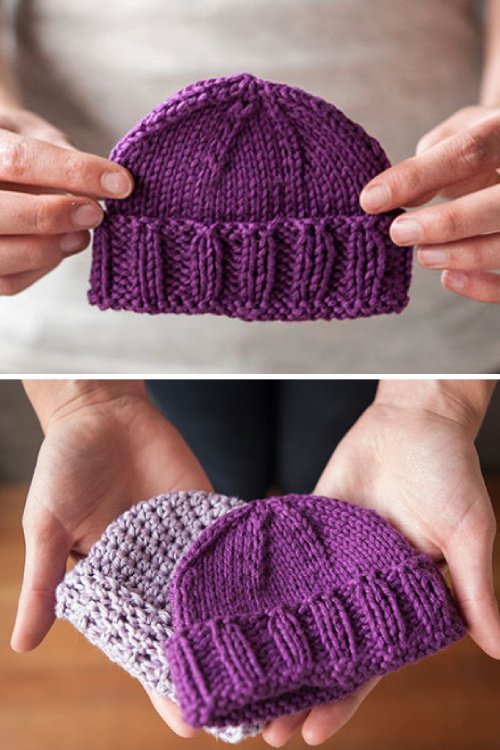
Calming Baby Knit Hat free preemie baby and toddler hat knitting pattern by Stacey Winklepleck

Calming Baby Knit Hat. Pattern design © Stacey Winklepleck

The Calming Baby Knit Hat by Stacey Winklepleck is a simple and practical free baby hat knitting pattern available in three sizes from preemie through toddler.

Worked in worsted-weight yarn with a cozy folded cuff and classic stockinette body, this little hat uses only about 109 yards (100 m) of yarn. That makes it an appealing quick knit for a new baby, charity knitting or a small handmade gift.

The pattern was originally published in the Helping Hands collection from Knit Picks and remains available as a free knitting pattern.

Calming Baby Knit Hat Pattern at a Glance

  • Designer: Stacey Winklepleck
  • Published: June 2015
  • Original publication: Helping Hands / Knit Picks
  • Craft: Knitting
  • Category: Baby beanie / toque
  • Sizes: Preemie, Baby and Toddler
  • Yarn weight: Worsted
  • Suggested yarn: Knit Picks Comfy
  • Yardage: Approximately 109 yards (100 m)
  • Needles: US 6 (4 mm)
  • Gauge: 20 stitches × 24 rows = 4 inches (10 cm)
  • Gauge pattern: Stockinette stitch in the round, blocked
  • Construction: Bottom up and worked in the round
  • Brim: Folded cuff
  • Language: English
  • Availability: Free

Three Sizes: Preemie, Baby and Toddler

One of the most useful features of the Calming Baby Knit Hat is that the pattern includes three sizes rather than only a single newborn size.

The listed finished measurements are approximately:

  • Preemie: up to 12 inches circumference × 6 inches high
  • Baby: up to 14 inches circumference × 6.5 inches high
  • Toddler: up to 16 inches circumference × 7 inches high

This makes the pattern useful for everything from a tiny preemie hat to a larger hat for a growing toddler.

A Simple Classic Baby Hat

The Calming Baby Knit Hat proves that a baby project does not need complicated lace, cables or colorwork to look beautiful.

Its design relies on a clean stockinette body and a folded brim, creating a classic shape that works well in almost any color.

The simplicity also makes the hat easy to personalize through yarn choice, stripes or carefully chosen colors.

The Cozy Folded Brim

The folded cuff is one of the most practical details in the design.

Folding the lower portion creates an extra layer of knitted fabric around the ears and forehead, adding warmth without requiring a complicated stitch pattern.

It also gives the otherwise simple stockinette hat a neat, finished appearance.

Bottom-Up Construction

The hat is worked from the bottom up.

You begin at the lower edge, establish the cuff and then continue upward through the body of the hat before shaping the crown.

This is a familiar construction method for many basic knitted hats and can be a useful introduction to hat knitting for someone already comfortable with basic knitting techniques.

Worked in the Round

Calming Baby Knit Hat is worked in the round, so the main hat does not require a traditional seam up the back.

Working stockinette in the round is especially straightforward because the smooth fabric is produced primarily by knitting each round.

As the crown becomes smaller, use your preferred method for knitting small circumferences as required by the original pattern.

Yarn for the Calming Baby Hat

The suggested yarn is Knit Picks Comfy Worsted.

This worsted-weight yarn is a blend of 75% Pima cotton and 25% acrylic, combining the softness of cotton with the practicality of an easy-care blend.

The yarn is listed at approximately 109 yards per 50 grams.

Only About 109 Yards

The pattern lists approximately:

109 yards / 100 meters
of worsted-weight yarn

That modest requirement makes this an attractive small project when you have a suitable partial skein in your stash.

Actual usage can vary with size, gauge and any modifications you make, so having a little extra yarn is always useful.

Choosing Substitute Yarn

You do not have to use the original Knit Picks yarn.

Look for a soft worsted-weight yarn that allows you to achieve the required gauge and produces a comfortable fabric.

For baby knitting, softness and washability are especially useful. Cotton blends, washable wool blends and other baby-friendly worsted yarns can all be worth considering.

Needles and Gauge

The pattern specifies US 6 (4 mm) needles.

The documented gauge is:

20 stitches × 24 rows = 4 inches (10 cm)
in stockinette stitch in the round, blocked

Gauge matters on a fitted baby hat. Even a small difference in stitches per inch can noticeably change the finished circumference.

Make a gauge swatch with your chosen yarn and change needle size if necessary.

Why Swatching Is Worthwhile

A baby hat may be small, but checking gauge is still useful because the intended sizes are based on specific finished measurements.

Blocking the swatch also shows how your yarn behaves after washing and whether the fabric remains soft enough for comfortable wear.

This is particularly useful when substituting a yarn with a different fiber composition from the original cotton-acrylic blend.

Stockinette Stitch Keeps It Simple

Most of the hat uses classic stockinette stitch.

That makes the design a good canvas for beautiful yarn while keeping the knitting itself relatively uncomplicated.

A smooth yarn will emphasize the clean surface, while a gently tonal yarn can add subtle color variation without hiding the simple shape.

Skills Used in the Calming Baby Knit Hat

Useful skills for this project include:

  • Casting on
  • Joining to knit in the round
  • Knitting and purling
  • Stockinette stitch in the round
  • Creating a folded cuff
  • Working decreases
  • Crown shaping
  • Working a small circumference
  • Basic finishing

Is the Calming Baby Hat Beginner Friendly?

The straightforward construction makes this a very approachable small project for a knitter who already understands the basic stitches and is ready to work in the round.

There are no elaborate cable or lace charts to manage. Most of the visual appeal comes from the classic shape and folded cuff.

If you are new to circular knitting, the small size also means you can practice the technique without committing to a large project.

A Quick Stash-Busting Project

With approximately 109 yards required, this little hat can be a useful way to turn leftover worsted yarn into a finished project.

Before using leftovers, weigh or measure your remaining yarn when possible and make sure you have enough for the size you intend to knit.

A contrasting cuff can also be a creative way to combine smaller amounts of compatible yarn.

A Practical Charity-Knitting Pattern

Calming Baby Knit Hat originally appeared in Helping Hands, a collection created around projects suitable for charitable giving.

Its small yarn requirement, straightforward construction and range from preemie to toddler make it particularly relevant for knitters interested in making baby hats for donation.

Always contact the hospital, charity or organization before knitting a donation. Requirements can differ for yarn fiber, colors, dimensions and finishing.

Knitting the Preemie Size

The smallest version is designed for a circumference of up to approximately 12 inches.

If you are making the preemie size specifically for donation, check the recipient organization's current requirements before starting.

Hospitals and neonatal programs may have specific rules about fiber, embellishments and acceptable hat dimensions.

Make It as a Baby Gift

A simple knitted hat can make a thoughtful addition to a larger handmade baby gift.

Pair it with baby booties, a cardigan or a blanket, or knit the hat by itself when you need a smaller project.

Because the design is simple, choosing a beautiful yarn color can make even a quick version feel special.

A Good Gender-Neutral Baby Knit

The classic beanie shape works easily as a gender-neutral baby project.

Soft neutrals, natural shades, pastels or brighter colors can all suit the design without requiring any change to the construction.

This can be useful when knitting a gift before parents have chosen colors or when making hats in advance for charity.

Baby Hat Safety

Keep baby hats simple and securely finished.

Avoid loose embellishments, cords or decorations that could detach, and check the finished hat regularly for damaged yarn or loose ends.

Baby hats and other loose accessories should be removed when appropriate for sleep. Follow current infant safe-sleep recommendations and use the hat under suitable adult supervision.

Why Knit the Calming Baby Hat?

Calming Baby Knit Hat combines several qualities that make a small knitting pattern genuinely useful: three sizes, worsted-weight yarn, simple construction and a modest yarn requirement.

The folded brim adds warmth without complicating the design, while the smooth stockinette body makes it easy to adapt through color and yarn choice.

Whether you are knitting for a new baby, using leftover yarn or making hats for charity, it is a practical pattern worth keeping in your project library.

Get the Free Calming Baby Knit Hat Pattern

Calming Baby Knit Hat by Stacey Winklepleck remains available as a free knitting pattern.

Get the Free Calming Baby Knit Hat Pattern →

Pattern availability was checked when this article was updated. Amazing Knitting does not reproduce the designer's complete copyrighted instructions. Please use the authorized pattern page above for the original free download.

Discover More From the Archive

A fresh mix of knitting patterns and tutorials from the Amazing Knitting archive.

Finding patterns from the archive…