Skip to content

...

Showing posts sorted by relevance for query free knitting pattern. Sort by date Show all posts

Over 50 Websites to Get Free Knitting Patterns

Over 50 Websites to Get Free Knitting Patterns
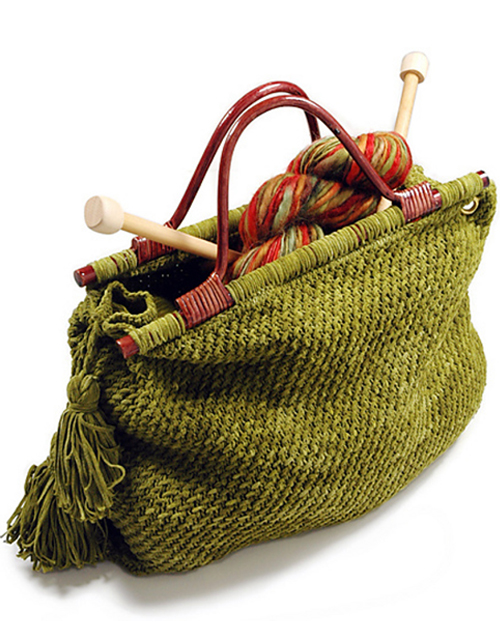
Designed by © Knit Crush

Looking for free knitting patterns? There are thousands of legitimate patterns available online for baby clothes, sweaters, blankets, scarves, socks, hats, toys and almost every other knitting project you can imagine.

The challenge is no longer simply finding a pattern. It is finding a reliable free pattern from a legitimate source, especially when older Pinterest pins and search results may lead to discontinued pages, outdated downloads or unofficial copies.

This guide will help you find free knitting patterns more safely and efficiently, whether you are searching the Amazing Knitting archive, a designer's website, a yarn company or a large knitting-pattern database.

About This Updated Guide

This Amazing Knitting article was originally published in 2019 as a link to an external roundup of more than 50 free-pattern websites. We have expanded the page into an independent resource for finding legitimate free knitting patterns without reproducing another publisher's list.

Where Can You Find Free Knitting Patterns?

Free knitting patterns are published by many different types of websites.

Some come directly from independent designers. Others are published by yarn manufacturers, knitting magazines, craft websites or pattern databases.

The best source depends on what you are looking for, so it helps to understand the major types of free-pattern resources before beginning your search.

1. Designer Websites

One of the best places to find a knitting pattern is the designer's own website.

Independent designers frequently publish selected patterns free while selling other designs.

Going directly to the designer has several advantages. You are more likely to find the current version of the pattern, corrections, additional photographs and notes from the person who actually created it.

If a pattern has been updated since its original publication, the designer's current page is usually preferable to an old copied version circulating elsewhere.

2. Yarn Company Pattern Libraries

Major yarn companies can be excellent sources of free knitting patterns.

These companies publish patterns to demonstrate how their yarns can be used, which means their libraries often contain projects across many categories and skill levels.

You can find designs for:

  • Baby sweaters and cardigans
  • Baby blankets
  • Adult sweaters and pullovers
  • Hats
  • Scarves and cowls
  • Socks and slippers
  • Shawls
  • Home accessories
  • Seasonal projects

Yarn-company libraries are especially useful because older patterns sometimes remain available long after the original printed booklet has disappeared.

3. Ravelry

Ravelry is one of the most useful resources for researching knitting patterns.

Rather than simply searching the web for a phrase such as “free baby cardigan,” you can narrow results using filters such as category, yarn weight, needle size, age, construction and availability.

Pattern records can also provide useful historical information such as the designer, publication date, suggested yarn and links to the current pattern source.

Remember that a Ravelry record does not automatically mean the pattern itself is still available. Always check the current availability shown on the pattern page.

4. Knitting Magazines and Online Publications

Online knitting magazines have published many excellent free patterns over the years.

Some older designs remain available in permanent online archives, making these publications particularly useful when searching for classic knitting projects.

These sources can also be valuable because they often preserve useful information about the designer, yarn, gauge, construction and original publication date.

5. Large Craft and Pattern Websites

Large craft websites often organize patterns by project type or skill level, which can make them useful when you are looking for inspiration rather than one particular design.

A collection might focus on beginner scarves, baby booties, knitted toys or quick gifts.

When using a roundup, however, follow the link to the original pattern source whenever possible.

6. Knitting Blogs

Knitting blogs remain another useful source of free patterns, tutorials and project inspiration.

Some bloggers are also pattern designers and publish complete original designs. Others curate projects from different designers.

The distinction matters.

When a blog is discussing somebody else's pattern, look for the designer's name and a clear link to the legitimate original source.

7. Vintage and Public-Domain Knitting Resources

Knitters interested in historical projects can also explore digitized vintage knitting books, magazines and pattern leaflets.

Older knitting publications can contain fascinating sweaters, lace, socks, mittens and household projects that differ significantly from modern designs.

However, old does not automatically mean public domain. Copyright status depends on factors including publication date, jurisdiction and publication history.

If you plan to republish rather than simply knit from a vintage pattern, verify its copyright status first.

8. Amazing Knitting

You can also browse the Amazing Knitting archive.

Our library includes hundreds of knitting discoveries covering baby clothes, blankets, sweaters, scarves, hats, socks, slippers, stitches, tutorials and other projects.

We are progressively reviewing older articles to identify original designers, verify pattern availability and direct readers toward legitimate current sources whenever possible.

Browse Free Knitting Patterns →

Free Baby Knitting Patterns

Baby projects are an excellent place to explore free patterns because there are designs for many different skill levels.

You can start with baby cardigans and sweaters:

Explore Free Baby Cardigans →

Or browse baby booties:

Explore Free Baby Booties →

And baby blankets:

Explore Free Baby Blankets →

Free Sweater and Cardigan Patterns

Sweaters range from simple first-garment projects to advanced designs involving cables, lace or colorwork.

When choosing one, pay particular attention to:

  • Finished measurements
  • Recommended ease
  • Gauge
  • Yarn weight
  • Construction method
  • Available sizes
  • Required techniques

Explore Free Sweater Patterns →

Free Blanket Knitting Patterns

Blankets are another large category of free knitting patterns.

Depending on the design, a blanket can be a simple beginner project or an advanced combination of lace, cables, colorwork or modular knitting.

Baby blankets are particularly useful for practicing new techniques on a manageable scale.

Explore Free Blanket Patterns →

Free Scarf and Cowl Patterns

Scarves and cowls are useful projects for testing unfamiliar stitches without committing to the fit requirements of a sweater.

They are also good projects for experimenting with cables, lace, texture and unusual yarn.

Explore Free Scarf Patterns →

How to Tell Whether a Pattern Is Really Free

One of the biggest problems with older knitting links is that pattern availability changes.

A pattern that was free ten years ago may now be paid, discontinued or completely unavailable.

Before calling a pattern free, check the current original source.

Look for clear wording such as:

  • Free pattern
  • Free download
  • Download PDF
  • Pattern available free on the designer's website

If the only evidence that a pattern is free comes from an old Pinterest pin or an old roundup, verify it before downloading.

Free Web Pattern vs. Free PDF

A pattern does not need to include a downloadable PDF to be genuinely free.

Some designers publish the complete pattern as a free webpage while offering an optional printable or ad-free PDF for a fee.

In that situation, describe the availability accurately: free web version with optional paid PDF.

This is more useful than simply labeling everything “free” or “paid.”

Watch for Discontinued Patterns

Older pattern databases can contain records for designs whose original downloads have disappeared.

A historical record is useful for identifying the designer and project, but it does not necessarily provide permission to download a copied PDF from another website.

If the legitimate source is gone, look for a currently available alternative instead of using an unauthorized copy.

Avoid Suspicious Pattern Downloads

Be cautious when a website offers a designer's PDF without clearly identifying itself as the designer, publisher or an authorized distributor.

A safer route is usually:

  1. Identify the exact pattern name.
  2. Identify the designer.
  3. Find the designer or publisher's current page.
  4. Check the current availability.
  5. Download or follow the pattern from that legitimate source.

Check for Pattern Corrections

Another advantage of using the current source is access to corrections and updates.

Designers sometimes discover errors after publication and issue an updated PDF or an errata notice.

An old copy saved elsewhere may not include those corrections.

Check the Yarn Before You Buy It

Older patterns frequently recommend yarns that have since been discontinued.

That does not necessarily make the pattern unusable.

Instead of searching only for the exact old yarn, compare:

  • Yarn weight
  • Gauge
  • Fiber content
  • Yardage or meterage
  • Fabric characteristics

Always make a gauge swatch before committing to a substitute yarn for a fitted garment.

Start with the Project You Want to Make

Searching “free knitting patterns” can return an overwhelming number of results.

A more effective approach is to begin with a specific project:

  • Free newborn cardigan knitting pattern
  • Free baby booties knitting pattern
  • Free cable blanket knitting pattern
  • Free beginner scarf knitting pattern
  • Free top-down sweater knitting pattern
  • Free lace shawl knitting pattern

Then narrow your choices according to yarn weight, size and skill level.

Save the Designer's Name

When you find a pattern you love, save more than the photograph.

Record the pattern name and designer.

This makes it much easier to find the legitimate pattern again if a Pinterest pin, bookmark or old website link stops working in the future.

Our Approach at Amazing Knitting

Amazing Knitting is a curated discovery library rather than the owner of every pattern featured in its archive.

When a project belongs to another designer, our goal is to identify and credit that designer, provide useful independent information about the project and direct knitters to the legitimate pattern source.

If an old pattern that was once free has become paid or unavailable, we aim to make that clear rather than continuing to promise a free download that no longer exists.

Explore Free Knitting Patterns

Ready to find your next project? Browse the Amazing Knitting archive by project type.

Before Downloading a Free Pattern

Take a moment to confirm that you are using the current legitimate version.

Check the designer's name, current availability, size range, yarn requirements and whether any corrections have been published.

A few minutes of checking before casting on can prevent hours of frustration later in the project.

Editorial note: This article was originally published by Amazing Knitting in 2019 as a discovery link to a Knit Crush roundup. It has since been expanded into an original Amazing Knitting resource for finding and evaluating free knitting patterns. The original image used on this page is credited to Knit Crush.

Sandleford - Free Pattern

Sandleford - Free Pattern
Sandleford by RS Knits © Russell Sansom

Sandleford by Russell Sansom of RS Knits is a whimsical rabbit-inspired knitted hat designed for teens and adults. With its playful ears and colourwork details, it is a wonderful choice for knitters looking for something more imaginative than a traditional winter hat.

The design takes its name and inspiration from Watership Down by Richard Adams. Best of all, the Sandleford knitting pattern is still available as a free downloadable pattern.

✓ Free Pattern Availability

Good news: unlike many older knitting patterns whose availability has changed over the years, Sandleford is still listed as a free downloadable knitting pattern. Always use the current legitimate pattern source rather than copies reproduced by unrelated websites.

Sandleford Hat at a Glance

Pattern: Sandleford

Designer: Russell Sansom / RS Knits

Craft: Knitting

Category: Hat

Theme: Rabbit-inspired novelty hat

Sizes: Teens to Adults

Suggested Yarn: John Arbon Textiles Knit By Numbers DK

Yarn Weight: DK

Language: English

Current Availability: Free downloadable pattern

About the Sandleford Hat

Sandleford is one of those knitting projects that immediately stands apart from an ordinary beanie.

Designed by Russell Sansom, the hat combines a practical knitted accessory with a playful rabbit theme. The prominent ears and contrasting colours give the finished hat plenty of character without turning it into a conventional stuffed-toy project.

The original design is shown in a combination of pink and neutral shades, but the colour palette can be one of the most enjoyable parts of planning your own version.

Inspired by Watership Down

The name Sandleford is a reference to Watership Down, Richard Adams' classic novel about a group of rabbits searching for a new home.

Sandleford Warren is the original home of the rabbits at the beginning of the story, which makes the name particularly appropriate for a rabbit-inspired hat.

You do not need to know the novel to enjoy the pattern, of course, but the literary connection gives the design an extra layer of personality.

Choosing Colours for Sandleford

The original Amazing Knitting feature highlighted John Arbon Textiles Knit By Numbers DK minis, which make it possible to experiment with different colour combinations.

You could keep the soft pink-and-neutral appearance of the photographed version or create something completely different.

Some colour ideas include:

  • Natural rabbit shades such as cream, grey, brown and oatmeal
  • Pink with a soft neutral contrast
  • Black and white for a graphic look
  • Pastel combinations for a softer version
  • Bright contrasting colours for a playful fantasy rabbit

If substituting yarn, use the designer's current pattern specifications and check your gauge rather than relying only on the DK label.

A Fun Use for DK Yarn

Novelty hats can be particularly useful projects for leftover or small-quantity yarn because contrasting details do not necessarily need the same quantity as the main hat colour.

Before using leftovers, however, make sure the yarns behave similarly. Combining fibres with very different stretch, washing requirements, or thickness can affect the finished shape.

Who Is Sandleford Designed For?

The original description lists Sandleford for teens through adults.

That makes it different from many rabbit and animal hats designed only for babies or young children. Sandleford embraces the novelty-hat idea for older knitters and wearers as well.

Skills That Help

Before starting, read the complete designer pattern to see the exact techniques required. In general, useful skills for a shaped novelty hat of this type can include:

  • Casting on and binding off
  • Knit and purl stitches
  • Working decreases for hat shaping
  • Following colour changes
  • Working small shaped pieces
  • Reading written knitting instructions
  • Finishing and securing yarn ends

Use the original pattern for the exact construction, stitch counts, shaping and finishing instructions.

Is Sandleford Still a Free Knitting Pattern?

Yes. During our latest review, Sandleford was still listed as a free downloadable English-language knitting pattern.

This is especially useful to confirm for an older pattern because free knitting patterns sometimes move, become paid, or disappear completely after their original publication.

Amazing Knitting does not reproduce Russell Sansom's copyrighted row-by-row instructions. Instead, use the legitimate current pattern listing to obtain the designer's pattern.

Get the Free Sandleford Knitting Pattern

The current LoveCrafts listing provides the downloadable pattern.

Find the Free Sandleford Pattern →

Look for Sandleford by Russell Sansom / RS Knits on the free hat patterns page.

More Free Knitted Hats

If you enjoy unusual hat projects, continue exploring the Amazing Knitting archive for more free designs.

Explore Free Hat Knitting Patterns →

You can also browse animal-inspired knitted hats, DK hat patterns, and novelty knitting projects.

Before You Start

Download the current designer pattern first and read it completely before choosing your yarn. Confirm the required quantities, gauge, needle sizes, construction method and finishing instructions from the pattern itself.

If you substitute colours, it can help to place the yarns next to each other before casting on so you can check whether there is enough contrast for the rabbit details to remain clearly visible.

Pattern credit: Sandleford was designed by Russell Sansom / RS Knits. The existing project image on this Amazing Knitting page is credited to Russell Sansom. Amazing Knitting does not reproduce the designer's copyrighted knitting instructions.

Boy Sweater - Knitting Pattern

Boy Sweater - Knitting Pattern
Photos above © milainemicoton

Looking for a stylish boy sweater knitting pattern with practical cold-weather details? Boy Sweater by Lisa Chemery is a seamless top-down pullover for babies and children, featuring a cozy shawl collar, buttoned neck opening, raglan shaping, and textured stitch details.

The close-fitting design is intended to sit comfortably under a jacket, while the shawl collar provides extra warmth around the neck — especially useful for children who do not enjoy wearing scarves.

Boy Sweater at a Glance

Pattern: Boy Sweater

Designer: Lisa Chemery

Craft: Knitting

Category: Baby & Child Pullover

Construction: Top-down and seamless

Yarn Weight: Worsted / DK

Needles: US 6 / 4.0 mm and US 8 / 5.0 mm

Main Gauge: 20 stitches × 30 rounds = 4 inches / 10 cm in stockinette

Yardage: Approximately 275–700 yards / 251–640 m

Sizes: 3 months to 8 years

Languages: English and French

Pattern Availability: Paid pattern

About the Boy Sweater

Designed by Lisa Chemery, Boy Sweater combines the practicality of a children's pullover with several details that give it a more polished look.

The most recognizable feature is the shawl collar, which wraps softly around the neck and is paired with a small buttoned opening.

Textured knitting and twisted-rib details add visual interest without turning the sweater into a heavily decorated garment, making the design suitable for both boys and girls.

Seamless Top-Down Construction

The sweater is knitted seamlessly from the top down. The upper section begins flat, after which stitches are added for the neck placket and the body continues in the round.

The sleeves are also worked in the round, reducing the amount of garment seaming required at the end.

Top-down construction has another practical advantage: it allows knitters to see the garment taking shape from the neckline toward the hem.

The Shawl Collar

The shawl collar is one of the defining features of this sweater. After the body is completed, stitches are picked up around the neckline and the collar is worked flat.

Short rows are used to create the characteristic shawl shape, and the lower edges of the collar are then attached to the sweater body.

Besides giving the sweater its classic appearance, the collar provides extra knitted fabric around the child's neck without requiring a separate scarf.

Baby and Child Sizes

The current pattern includes a particularly useful range of sizes:

  • 3 months
  • 6 months
  • 12 months
  • 18 months
  • 2 years
  • 4 years
  • 6 years
  • 8 years

The designer provides finished garment measurements as well as intended chest measurements, so check the original pattern carefully when deciding which size to knit.

Yarn Requirements

Boy Sweater is designed for approximately:

275–700 yards / 251–640 meters

The exact amount depends on size. The designer recommends a worsted-to-DK-weight merino or merino-blend yarn.

Suggested yarns listed with the pattern include Malabrigo Rios and several DK and worsted options.

Needles and Gauge

The pattern uses two main needle sizes:

  • US 6 / 4.0 mm
  • US 8 / 5.0 mm

The published stockinette gauge after blocking is:

20 stitches × 30 rounds = 4 inches / 10 cm

The textured portion has a separate row gauge, so use the designer's current pattern instructions when swatching and selecting needle sizes.

Knitting Skills Used

This project involves more than basic stockinette knitting. Techniques used in the design include:

  • Knitting and purling
  • Increasing and decreasing
  • Top-down raglan construction
  • Knitting in the round
  • Picking up stitches
  • Short rows
  • Twisted stitches
  • Textured stitch patterns
  • Buttonholes and finishing

The combination makes Boy Sweater an interesting project for knitters who already understand the basics and want to develop their garment-knitting skills.

Is the Boy Sweater Pattern Free?

No. Boy Sweater by Lisa Chemery is currently a paid knitting pattern.

The pattern is sold through the designer's Ravelry listing. Amazing Knitting does not reproduce the designer's copyrighted instructions.

Visit the original listing below for the current price, complete sizing, materials, and purchase information.

View the Original Boy Sweater Pattern →

Pattern credit: Boy Sweater was designed by Lisa Chemery. Pattern pricing, availability, sizing, and technical information are controlled by the designer and may change over time.

Prefer a Free Alternative?

If you love the cozy shawl-collar style but would prefer a free knitting pattern, Amazing Knitting has a similar baby and child project in our archive.

Double Breasted Jacket with Shawl Collar — Free Knitting Pattern

This is a different design — not a free copy of Boy Sweater — but it offers a similar cozy shawl-collar look for babies and children and is available as a free knitting pattern.

View the Free Shawl Collar Pattern →

You can also browse our free baby sweater patterns for more no-cost options.

More Baby and Child Sweaters

Explore more boy sweater knitting patterns, baby sweater knitting patterns, and children's sweater knitting patterns from the Amazing Knitting archive.

Before You Start

If you choose the original Boy Sweater, check Lisa Chemery's current Ravelry listing before purchasing yarn. Confirm your chosen size, yarn requirement, needle sizes, gauge, notions, and any current pattern updates before casting on.

Charlie Baby Cardigan - Free Knitting Pattern

Charlie Baby Cardigan - Free Knitting Pattern
The photo above @ peterlinzi

Looking for a sweet and practical free baby cardigan knitting pattern? The Charlie Baby Cardigan Jacket by marianna mel is a classic little knitted cardigan designed for newborns and young babies.

With its simple styling and DK-weight yarn, Charlie works beautifully for both baby boys and girls. The pattern includes several small baby sizes and also offers options for different front styles, making it a versatile project for baby gifts, coming-home outfits, and everyday wear.

Charlie Baby Cardigan Pattern at a Glance

Pattern: Charlie Baby Cardigan Jacket

Designer: marianna mel

Published by: Marianna's Lazy Daisy Days

Craft: Knitting

Category: Baby Cardigan / Jacket

Yarn Weight: DK

Suggested Needle Size: US 6 / 4.0 mm

Gauge: 22 stitches = 4 inches in stocking stitch

Sizes: Newborn, 0–3 months, 3–6 months

Pattern Availability: Free

About the Charlie Baby Cardigan

Charlie is a charming baby cardigan designed by marianna mel of Marianna's Lazy Daisy Days. Its classic shape makes it suitable for either a baby boy or girl, and the smallest size was designed especially with newborn babies in mind.

This is also a useful pattern for knitters who enjoy making handmade baby gifts. The small dimensions keep the project manageable, while the straightforward styling makes it easy to personalize through your choice of yarn color and buttons.

Charlie Baby Cardigan Sizes

The pattern currently includes three baby sizes:

  • Newborn
  • 0–3 months – approximately 17-inch chest
  • 3–6 months – approximately 18½-inch chest

The original newborn version has approximate finished measurements of 16 inches (41 cm) wide, 8½ inches (21.5 cm) long, and a 5-inch (13 cm) sleeve length.

Always check the designer's current pattern instructions before choosing a size, since the original pattern page is the authoritative source for measurements and any later updates.

Yarn for the Charlie Baby Cardigan

Charlie is designed for DK-weight yarn, sometimes also described as 8-ply depending on where you live.

A soft, comfortable yarn suitable for baby garments is a practical choice. Since baby clothes are frequently worn directly over lightweight clothing, consider softness, washability, and care requirements when selecting your yarn.

You can also change the personality of this little cardigan simply through color: classic white and cream create a traditional look, while soft pastels or brighter modern shades can make the same design feel completely different.

Needles and Gauge

The pattern lists:

  • US 6 / 4.0 mm knitting needles
  • Gauge: 22 stitches = 4 inches in stocking stitch

Matching the designer's gauge is particularly important for a small baby garment, where even a relatively small difference in tension can noticeably affect the finished size.

Different Front Options

One interesting feature of the Charlie pattern is that it has developed over time. In addition to the original cardigan, the designer added instructions for a fully buttoned front version in all of the available sizes.

There is also an option for making a shorter cropped version, which the designer suggests can work especially well when worn over a little dress.

Check the current original pattern page to see the available variations before deciding which version you would like to knit.

A Lovely Baby Gift Project

Small cardigans are especially useful projects for baby showers, newborn gifts, and handmade keepsakes. Charlie's simple styling also means that it can be made ahead of time when you do not yet know whether the new baby will be a boy or girl.

Pairing the cardigan with coordinating baby accessories can also turn a single knitted garment into a complete handmade gift set.

Matching Charlie Baby Knits

The designer has created other pieces to coordinate with the Charlie cardigan, including matching baby booties, a hat, mittens, and a blanket.

This makes Charlie particularly useful if you enjoy creating coordinated newborn sets rather than knitting just one garment.

Is the Charlie Baby Cardigan Pattern Free?

Yes. The Charlie Baby Cardigan Jacket by marianna mel is currently available as a free knitting pattern.

Amazing Knitting does not reproduce the designer's knitting instructions. Please visit the original pattern source to view the complete instructions, measurements, variations, and any updates from the designer.

Get the Free Charlie Baby Cardigan Pattern

Visit Marianna's original Charlie Baby Cardigan page for the complete free knitting pattern.

Get the Free Charlie Baby Cardigan Pattern →

Pattern credit: Charlie Baby Cardigan Jacket was designed by marianna mel and published through Marianna's Lazy Daisy Days. Pattern availability, sizing, and technical details are controlled by the designer and may change over time.

More Baby Knitting Inspiration

Looking for another small project? Explore more baby cardigan knitting patterns, baby sweater knitting patterns, and baby booties knitting patterns from the Amazing Knitting archive.

Before You Start

Visit the designer's original pattern page before buying yarn or beginning your project. Confirm the latest size information, gauge, materials, button requirements, and instructions for the version of Charlie you plan to knit.

Hat for Hugs - Free Baby Hat Knitting Pattern

Hat for Hugs - Free Pattern
Photo above ©  marianna mel

Hat for Hugs by marianna mel is a sweet and practical free baby hat knitting pattern designed to coordinate with the designer's popular Baby Hug Boots.

Worked in DK-weight yarn using straight-forward flat construction, the pattern includes sizes for a large premature baby through approximately 6–9 months.

The original pattern remains available for free from Marianna's Lazy Daisy Days.

✓ Free Pattern Availability

Hat for Hugs by marianna mel is currently available as a free knitting pattern. Use the designer's current pattern link below for the complete instructions.

Hat for Hugs at a Glance

Pattern: Hat for Hugs (matching Hat for Hug Boots)

Designer: marianna mel

Published: July 2016

Category: Baby Hat / Beanie

Yarn Weight: DK / 8 ply

Needles: 3.5 mm / US 4 and 4 mm / US 6

Gauge: 22 stitches = 4 inches in stockinette stitch

Sizes: Large Preemie, 0–3 months, 6–9 months

Construction: Worked flat, bottom up, one piece, seamed

Availability: Free

About Hat for Hugs

Hat for Hugs was designed by marianna mel as a coordinating hat for her popular Baby Hug Boots.

It is a small DK-weight baby project with simple flat construction, making it particularly useful for knitters who prefer not to work baby hats in the round.

Because the design includes premature and early baby sizes, it can also be useful for charity knitting where appropriately sized garments are requested.

Three Baby Sizes

The published pattern includes three sizes:

  • Large Preemie
  • 0–3 months
  • 6–9 months

Baby head sizes can vary considerably, so when knitting for a specific child it is always useful to compare measurements where possible.

For charity or hospital knitting, check the organization's current size and material requirements before beginning.

DK-Weight Yarn

Hat for Hugs is designed for DK / 8-ply yarn.

This makes it a useful small project for leftover DK yarn, provided you have enough of a suitable fiber and can obtain the required gauge.

For baby items, choose a yarn that feels comfortable against delicate skin and can be cared for easily.

Needles

The pattern uses two needle sizes:

  • 3.5 mm / US 4
  • 4 mm / US 6

Using two sizes allows the designer to create different fabric characteristics where needed while maintaining the intended fit.

Remember that the published needle sizes are recommendations. Your own tension determines which needles will produce the correct gauge.

Gauge

The published gauge is:

22 stitches = 4 inches / 10 cm in stockinette stitch

Gauge matters even on a small baby hat. A difference of several stitches across 10 cm can noticeably alter the finished circumference.

If you are knitting for a specific baby, checking your gauge before beginning can help avoid a hat that is significantly too small or too large.

Worked Flat — No Circular Needles Required

One particularly useful feature of Hat for Hugs is that it is worked flat.

You do not need to be comfortable with double-pointed needles, magic loop or another small-circumference technique to make this baby hat.

The knitting is worked back and forth and the hat is seamed during finishing.

Bottom-Up Construction

The pattern is worked from the bottom up.

This means the lower portion of the hat is established first before the knitting progresses toward the crown.

For knitters who have made scarves or other flat projects but have not yet attempted many hats, this construction can feel familiar and approachable.

A One-Piece Baby Hat

Ravelry classifies Hat for Hugs as a one-piece, seamed design.

The main hat is therefore created as one knitted piece rather than assembling several separately knitted sections.

This keeps the project compact and limits the amount of finishing required.

Is Hat for Hugs Beginner Friendly?

The combination of DK yarn, flat knitting and a relatively small project makes Hat for Hugs an appealing option for knitters building confidence with baby accessories.

You should be comfortable with basic knitting skills and following written instructions.

Read through the designer's complete pattern before casting on so you know how the shaping and finishing are handled.

Making a Neat Seam

Because the hat is worked flat, finishing the seam neatly is an important part of the project.

Avoid pulling the seam excessively tight. A baby hat needs enough flexibility to stretch comfortably.

Try to maintain an even seam from the lower edge toward the crown so the finished hat sits smoothly.

Choosing Yarn for a Baby Hat

When choosing a substitute DK yarn, consider more than color.

Useful characteristics for baby garments include:

  • Softness against the skin
  • Easy washing and care
  • Good stitch definition
  • Appropriate elasticity
  • Ability to match the required gauge

Always check the yarn manufacturer's care instructions before giving the finished hat to its recipient.

Knitting for Premature Babies

The inclusion of a Large Preemie size makes this pattern particularly interesting to knitters making garments for premature babies.

However, hospitals and charities can have very specific requirements concerning fiber, size, washing, embellishments and construction.

If the hat is intended for donation, contact the receiving organization first and follow its current guidelines.

Baby Safety

For baby accessories, keep finishing simple and secure.

Avoid adding loose decorations, long cords or poorly secured embellishments.

Weave yarn ends in carefully and inspect the finished hat before use.

Matching Baby Hug Boots

The full pattern name is Hat for Hugs (matching Hat for Hug Boots).

Marianna designed the hat after many knitters enjoyed making her Baby Hug Boots.

This makes the two designs a natural combination when you want to knit a coordinated baby gift set.

A Useful Small-Yarn Project

Baby hats can be a practical way to use suitable DK yarn remaining from a larger project.

Before using leftovers, make sure you know the fiber content and have enough yarn to complete the chosen size.

When in doubt, keeping a little extra yarn is preferable to running out during crown shaping.

About the Designer

marianna mel is the designer behind Marianna's Lazy Daisy Days, a large collection of knitting patterns with a particularly strong selection of baby projects.

Other designs in her collection include baby cardigans, hats, blankets, mittens, rompers and the popular Baby Hug Boots.

Amazing Knitting has featured several of Marianna's designs over the years.

Is Hat for Hugs Still Free?

Yes.

Hat for Hugs remains listed as a free knitting pattern, with the Ravelry record directing knitters to Marianna's Lazy Daisy Days for the free pattern.

Amazing Knitting does not reproduce Marianna's complete copyrighted knitting instructions. Use the designer's original pattern page for the instructions.

Get the Free Hat for Hugs Pattern

You can access the designer's free pattern through its Ravelry record:

Get the Free Hat for Hugs Pattern →

More Free Baby Knitting Patterns

If you like Marianna's baby patterns, you may also enjoy her Jordan Baby Blanket, which we have already reviewed and verified as a free pattern.

See the Free Jordan Baby Blanket →

You can also explore more baby projects from the Amazing Knitting archive:

Before You Start

Select the correct size, choose a suitable DK yarn and check your gauge before beginning.

If you are making the premature size for donation, check the receiving hospital or charity's current requirements before knitting.

Finally, use Marianna's current original pattern page for the complete instructions rather than an unofficial copied version.

Pattern credit: Hat for Hugs (matching Hat for Hug Boots) was designed by marianna mel and published through Marianna's Lazy Daisy Days. Amazing Knitting provides an independent project guide and does not reproduce the designer's complete copyrighted knitting instructions. Please preserve the existing photograph credit shown on this page.

Sea Shell Baby Blanket - Knitting Pattern Guide

Sea Shell Baby Blanket - Free Pattern
Photo from the web

This Sea Shell Baby Blanket is a beautiful example of how simple lace shaping can create flowing, shell-like waves across a knitted blanket.

The original Amazing Knitting post described this project as a free pattern discovered through Pinterest. However, we have not been able to verify the original designer or a legitimate current download for this exact blanket. Rather than attribute the design incorrectly, this updated page preserves the project as a knitting inspiration and pattern guide.

Pattern Availability Update

This page was originally published in 2019 as a free-pattern discovery. We can no longer verify a legitimate free source for the exact blanket shown here or confidently identify its original designer. Amazing Knitting therefore does not provide an unverified download or reproduce instructions from an unknown source.

Sea Shell Baby Blanket at a Glance

Project: Sea Shell Baby Blanket

Craft: Knitting

Category: Baby Blanket

Style: Lace / Wave / Shell Texture

Inspiration: Feather-and-fan style lace

Construction: Flat knitted blanket

Original Designer: Not reliably identified

Current Availability: Exact original free pattern not verified

About the Sea Shell Baby Blanket

The attraction of this blanket comes from its repeating waves of textured lace.

In the photograph, the knitted fabric creates a series of curved, shell-like sections that give the blanket considerably more movement than plain stockinette or garter stitch.

It is a particularly effective style for baby blankets because the repeating pattern can create an elaborate appearance without requiring complicated colorwork.

A Feather-and-Fan Style of Lace

The original Amazing Knitting post described the stitch pattern as belonging to the broad feather-and-fan family of lace patterns.

Feather-and-fan style knitting uses carefully arranged increases and decreases to make the fabric naturally rise and fall into decorative waves.

Different designers use this basic idea in many different ways, changing the number of stitches, spacing, texture and arrangement to create everything from gentle waves to pronounced scallops and shell-like motifs.

Why the Pattern Looks More Difficult Than It Is

Lace blankets can appear intimidating because a finished piece contains hundreds of openings, curves and textured sections.

In reality, many designs of this type are based on a relatively short stitch repeat worked again and again across the blanket.

Once the knitter understands where the increases and decreases occur, the visual complexity comes primarily from repetition rather than from learning a completely new technique on every row.

How Knitted Waves Are Created

The characteristic movement in feather-and-fan inspired knitting comes from balancing increases and decreases.

Yarn overs add stitches and create decorative openings. Decreases remove stitches and pull sections of the fabric together.

When these operations are arranged systematically across a row, the fabric develops the flowing curves associated with wave and shell patterns.

Choosing Yarn for a Lace Baby Blanket

Yarn choice has a major effect on how clearly a lace pattern appears.

A smooth yarn generally allows the increases, decreases and openings to remain visible. Very fuzzy yarn can soften those details and make an intricate stitch pattern harder to see.

For a baby blanket, also consider:

  • Softness against sensitive skin
  • Washability
  • Durability
  • Good stitch definition
  • Comfortable finished weight
  • Appropriate fiber care requirements

Solid Colors Show the Texture Beautifully

A single color can be especially effective for this type of blanket.

Without frequent color changes competing for attention, light and shadow emphasize the raised and open sections of the knitted fabric.

Pale neutrals can create a traditional baby-blanket appearance, while stronger colors can make the same lace structure look much more modern.

Keep Your Stitch Count Under Control

One of the most useful habits when knitting lace is checking the stitch count regularly.

A missed yarn over or decrease may not become visually obvious until several rows later. By then, correcting the error can require undoing a substantial amount of knitting.

Count stitches after important pattern rows and consider placing markers between repeats when the pattern allows it.

Use Lifelines for Lace Knitting

A lifeline is a strand of contrasting yarn or thread passed through a completed row of live stitches.

If a mistake occurs later, the knitting can be carefully unraveled back to that protected row without losing the entire project.

For a large lace blanket, inserting a lifeline periodically can save a considerable amount of time.

Blocking Makes a Big Difference

Lace often looks uneven or compressed while it is still on the needles.

Appropriate blocking after knitting allows the fabric to settle and can make the openings and wave shapes much more visible.

Always follow the care instructions for your chosen fiber and avoid stretching a baby blanket beyond the dimensions intended by the pattern.

Skills That Help

A shell or feather-and-fan style blanket commonly uses skills such as:

  • Casting on and binding off
  • Knit and purl stitches
  • Yarn overs
  • Basic decreases
  • Repeating lace sections
  • Counting stitches accurately
  • Reading written lace instructions or charts
  • Correcting simple lace mistakes
  • Blocking finished lace

Is This Exact Sea Shell Blanket Pattern Still Free?

The original 2019 Amazing Knitting post described this project as a free pattern found through Pinterest.

During our current review, however, we could not reliably identify the original designer or confirm a legitimate current free download for the exact blanket shown in the photograph.

Several unrelated knitting and crochet patterns use very similar names, so linking one of those designs here as though it were the original would be misleading.

Amazing Knitting therefore does not reproduce the old instructions or link to unofficial pattern copies.

Looking for a Free Alternative?

If you love the shell and wave effect but need a pattern that is genuinely available free today, you can still create a similar ocean-inspired look with a verified free knitted square.

Seashell Square by Daisy and Storm is a free knitting pattern that creates a seashell motif using knit and purl stitches. Individual squares can be joined with other blocks to create an afghan or blanket.

Get the Free Seashell Square Pattern →

More Free Baby Blanket Patterns

Amazing Knitting also has many baby blanket projects in the archive that you can explore for a currently available free pattern.

Explore Free Baby Blanket Patterns →

You can also browse lace baby blankets, feather-and-fan knitting, and free knitting blanket patterns.

Before You Start

If your main goal is to recreate the appearance of the blanket shown here, avoid assuming that another pattern with “Sea Shell” in its title is the same design.

Instead, choose a verified lace or feather-and-fan blanket pattern, check its required yarn and gauge, and make a swatch before committing to the full project.

Source note: This page was originally published by Amazing Knitting in 2019 as a Pinterest pattern discovery. The original designer and a legitimate current download for the exact photographed blanket could not be reliably verified during our latest review. Amazing Knitting does not claim ownership of the original photographed design or reproduce unverified pattern instructions.

Beautiful Baby Jacket - Knitting Pattern Guide

Beautiful Baby Jacket - Free Pattern
Photo above © bubbs

This Beautiful Baby Jacket is a sweet newborn cardigan discovered through an older knitting project shared online. The original knitter praised the fit and noted that the version shown was suitable for Iben as a newborn.

This Amazing Knitting page was originally published in 2019 as a free-pattern discovery. During our latest review, however, we could not reliably identify the original pattern or verify a legitimate current free download for the exact jacket shown.

Pattern Availability Update

This page was originally described as a free knitting pattern. We can still verify the historical project information shown here, but we have not been able to verify the exact original pattern source or a legitimate current free download. For that reason, Amazing Knitting no longer labels the exact photographed jacket as a currently available free pattern.

Beautiful Baby Jacket at a Glance

Project: Beautiful Baby Jacket

Craft: Knitting

Category: Baby Jacket / Cardigan

Shown Size: Newborn, according to the original knitter's project note

Original Designer: Not reliably identified

Project Photo: © bubbs

Current Availability: Exact original pattern not verified

About This Baby Jacket

The appeal of this little jacket is its simple, traditional baby-cardigan style. It is the kind of practical knitted layer that can work well over a bodysuit, sleepsuit or other lightweight baby clothing.

What made the original project particularly interesting was the knitter's comment about the fit. She described it as the best-fitting baby jacket she had knitted and said that the version shown fitted Iben as a newborn.

That is useful historical context for the photographed project, but it should not be treated as a complete sizing specification for another pattern.

Why We Are Not Guessing the Original Pattern

Many baby jackets share similar shapes, construction methods and finishing details.

A photograph alone is therefore not enough to identify a knitting pattern accurately.

Several different baby-cardigan patterns found online resemble this general style, but similarity does not prove that they are the pattern used for the photographed jacket.

Rather than incorrectly crediting another designer, Amazing Knitting leaves the original designer unidentified until a reliable source can be established.

Choosing a Newborn Jacket Pattern

If you are looking for a similar baby jacket to knit, start by checking the pattern's actual finished measurements rather than relying entirely on an age label such as “newborn.”

Babies vary considerably in size, and designers do not always use identical measurements for newborn, 0–1 month or 0–3 month sizing.

Compare the pattern measurements with a well-fitting baby garment when possible and remember to allow appropriate room for layering.

Yarn for a Baby Jacket

We have not verified the yarn used for the exact jacket pictured here, so we do not provide an invented yarn specification.

For whichever verified pattern you choose, use the yarn weight and gauge specified by that designer.

For baby garments, useful yarn characteristics often include:

  • Softness against sensitive skin
  • Practical washing and care
  • Good stitch definition
  • Comfortable weight
  • Durability for repeated wear and washing

Gauge Matters for Baby Clothes

A small difference in gauge can have a surprisingly large effect on a tiny garment.

If your stitches are larger than the designer's gauge, the jacket can finish considerably wider and longer. If they are smaller, the finished garment may be too tight.

Always make a gauge swatch using the requirements of the verified pattern you decide to follow.

Check the Finished Measurements

Before casting on, look for measurements such as chest circumference, body length and sleeve length.

Finished measurements are usually much more useful than an age label when deciding whether a knitted baby jacket will fit as intended.

They are also useful if you are knitting the garment as a gift and want to choose a slightly larger size for future wear.

Useful Baby Cardigan Skills

The exact techniques required depend on the pattern you select, but common skills for knitted baby jackets include:

  • Casting on and binding off
  • Knit and purl stitches
  • Garter or stockinette stitch
  • Increasing and decreasing
  • Basic garment shaping
  • Working buttonholes
  • Picking up stitches
  • Working sleeves
  • Seaming, when required
  • Weaving in yarn ends neatly

Top-Down or Seamed?

Baby jackets are available in many different constructions.

A top-down cardigan may allow you to work much of the garment in one piece and can reduce finishing. Traditional patterns may instead use separate fronts, back and sleeves that are sewn together.

Neither method is automatically better. Choose a verified pattern whose construction matches the knitting techniques you enjoy.

Button Safety

If your chosen baby cardigan uses buttons, attach them very securely and inspect them regularly.

Small detachable components can present a hazard to babies and young children, so finishing deserves the same care as the knitting itself.

Is the Original Beautiful Baby Jacket Pattern Still Free?

We cannot currently confirm that.

The original Amazing Knitting article from 2019 presented this jacket as a free-pattern discovery, but it did not preserve enough reliable source information for us to identify the exact pattern and designer with confidence today.

We therefore do not provide an unverified download or point readers to a visually similar pattern while claiming that it is the original.

If the original source can be reliably identified in the future, this guide can be updated with the correct designer credit and availability.

Looking for a Free Alternative?

Fortunately, you do not need an unverified copy of this old pattern to knit a beautiful baby cardigan.

Amazing Knitting already has several baby jackets and cardigans whose original patterns have been identified and verified.

Harvest Cardigan

Harvest by Tin Can Knits is an excellent free alternative if you want a practical baby cardigan. It is a seamless design with sizes beginning at baby sizes and continuing all the way into adult sizes.

See the Free Harvest Cardigan →

Baby Kimono

For another small baby garment, explore our guide to the Garter Stitch Baby Cardigan by Joji Locatelli, also known as the Garter Stitch Baby Kimono.

See the Free Baby Kimono →

More Free Baby Knitting Patterns

You can continue exploring the Amazing Knitting archive for verified baby cardigans, sweaters, booties and blankets.

Explore Free Baby Cardigan Patterns →

You can also browse free baby sweaters, free baby booties, and free baby blankets.

Before You Start

Because the exact original instructions for the photographed jacket have not been verified, do not use measurements or material requirements from an unrelated pattern simply because its photograph looks similar.

Choose a verified baby-jacket pattern first, select the appropriate size, and then follow that designer's yarn, needle and gauge specifications.

Source note: This Amazing Knitting page was originally published in 2019 as a free-pattern discovery. The existing project photograph is credited to bubbs. During our latest review, the exact original pattern and designer could not be reliably identified. Amazing Knitting does not claim ownership of the photographed design and does not reproduce unverified or unauthorized pattern instructions.

Shivaree Throw - Free Pattern

Shivaree Throw - Free Pattern
Photo above © sonomahead

Shivaree Throw by the Berroco Design Team is a richly textured knitted blanket featuring dramatic braided cables surrounded by classic double seed stitch.

Designed in Berroco Ultra Alpaca, the combination of cables and textured background gives this throw a timeless, substantial appearance. Best of all, the original Shivaree Throw knitting pattern is still available free directly from Berroco.

✓ Free Pattern Availability

Good news: Shivaree Throw is still available as a free knitting pattern from Berroco. We have updated this guide to direct readers to the current official Berroco pattern page rather than relying on older third-party links.

Shivaree Throw at a Glance

Pattern: Shivaree Throw

Designer: Berroco Design Team

Craft: Knitting

Project Type: Throw / Home

Skill Level: Intermediate

Finished Size: Approximately 48 × 60 inches

Suggested Yarn: Berroco Ultra Alpaca

Yarn Required: 13 hanks

Main Needle: US 8 / 5 mm circular needle

Notions: Cable needle

Main Textures: Braided cables and double seed stitch

Current Availability: Free official Berroco pattern

About the Shivaree Throw

Shivaree is a generously sized knitted throw built around a repeating combination of braided cables and double seed stitch.

The cables create strong vertical lines across the blanket, while the surrounding textured stitch provides contrast and helps the cable motifs stand out.

Unlike a blanket assembled from individual squares, Shivaree is worked as one large piece. This creates a continuous pattern across the entire throw and avoids the need to join multiple knitted blocks afterward.

Finished Size

Berroco gives the finished dimensions as approximately:

48 inches wide × 60 inches long

That makes Shivaree large enough to work as a substantial sofa throw or an extra layer for a bed or reading chair.

Berroco Ultra Alpaca

The original design uses Berroco Ultra Alpaca.

The official pattern calls for:

13 hanks of Berroco Ultra Alpaca

The photographed Berroco version was made in the colour Sweet Potato #6229.

If you substitute another yarn, matching the original gauge and creating a fabric with good cable definition are more important than simply choosing a similar colour.

Needles and Equipment

Berroco specifies a:

29-inch US 8 / 5 mm circular knitting needle

The circular needle is used to comfortably hold the large number of stitches in the blanket; the throw itself is worked flat rather than joined in the round.

You will also need a cable needle for the braided cable pattern.

Gauge

Because Shivaree combines two different textures, Berroco provides gauge information for both.

For the double seed stitch section:

20 stitches × 28 rows = 4 inches

For the cable pattern:

13 stitches = 2 inches and 28 rows = 4 inches

These measurements are based on the US 8 / 5 mm needle.

Berroco specifically recommends checking gauge before beginning. With a project this large, even a modest gauge difference can affect both the finished dimensions and the amount of yarn required.

Braided Cable Design

The cables are the visual centerpiece of Shivaree.

Rather than using a single simple rope cable, the pattern creates a more elaborate braided effect through a repeating cable sequence.

Each cable section is worked over 13 stitches, with the cable pattern repeating over eight rows.

The official Berroco pattern provides the complete cable instructions and stitch glossary, including the required front- and back-crossing techniques.

Double Seed Stitch Texture

Between the braided cables is a textured stitch pattern that Berroco identifies as Double Seed Stitch.

This creates a small-scale knit-and-purl texture that contrasts nicely with the larger flowing cable motifs.

The combination is particularly effective because the quieter background texture allows the braided cables to remain the dominant feature.

How the Throw Is Constructed

Shivaree is worked flat on a circular needle.

The pattern begins with a large cast-on and establishes alternating sections of double seed stitch and cable motifs across the row.

Once the stitch patterns are established, the knitter continues the repeating textures until the piece reaches the required length.

Use Berroco's original pattern for the exact cast-on count, cable crossings, stitch sequence and row-by-row instructions.

Why Use a Circular Needle for a Flat Blanket?

A circular needle does not necessarily mean a project is knitted in the round.

Large blankets can contain hundreds of stitches, making conventional straight needles uncomfortable or impractical. A circular needle allows the flexible cable between the needle tips to support much of the weight of the project.

You simply turn the work at the end of each row and knit back and forth as you would with straight needles.

Skill Level

Berroco classifies Shivaree as an Intermediate knitting pattern.

Useful skills include:

  • Casting on a large number of stitches
  • Knitting and purling
  • Following repeating stitch patterns
  • Working with a cable needle
  • Crossing cable stitches to the front and back
  • Maintaining several pattern sections across a long row
  • Checking gauge
  • Binding off evenly
  • Blocking a large knitted project

A Good Project for Learning Cable Rhythm

Although Shivaree is not a small project, repeating cable designs can become easier to follow once their rhythm becomes familiar.

Stitch markers placed between major pattern sections may also help you notice mistakes earlier instead of discovering them several rows later.

If you are relatively new to cables, consider practicing the cable motif with spare yarn before casting on the full blanket.

Choosing a Substitute Yarn

When substituting yarn for a cable blanket, look beyond yarn weight alone.

A yarn with good stitch definition can make the braided structure easier to see. Very fuzzy yarns may soften the appearance of the cables, while a smoother yarn can emphasize every crossing.

Also consider durability, warmth and washing requirements. A throw may receive considerably more everyday use than a decorative shawl or occasional garment.

Is Shivaree Throw Still Free?

Yes. Shivaree Throw remains available as a free knitting pattern directly from Berroco.

This is the best source to use because it comes from the company and design team responsible for the original pattern.

Amazing Knitting does not reproduce Berroco's copyrighted row-by-row pattern instructions. Instead, we provide project information and direct knitters to the legitimate original source.

Get the Free Shivaree Throw Pattern

Berroco currently provides the complete free pattern on its official website.

Get the Free Shivaree Throw Pattern →

More Free Knitted Blankets

If you enjoy textured throws and cable knitting, continue exploring the Amazing Knitting archive for more free blanket patterns.

Explore Free Blanket Knitting Patterns →

You can also browse cable knit blankets, free knitted throws, and seed stitch blankets.

Before You Start

Download or open the current Berroco pattern first, then make a gauge swatch that includes the relevant textured stitches.

Because this is a large project using 13 hanks in the original version, make sure you have enough yarn before casting on. If possible, purchase the yarn for the complete blanket at the same time to reduce the chance of noticeable dye-lot differences.

Pattern credit: Shivaree Throw was designed by the Berroco Design Team. The existing project photograph on this Amazing Knitting page is credited to sonomahead. The knitting pattern remains the property of its respective rights holder. Amazing Knitting does not reproduce Berroco's copyrighted row-by-row instructions.

Discover More From the Archive

A fresh mix of knitting patterns and tutorials from the Amazing Knitting archive.

Finding patterns from the archive…