Skip to content

...

Showing posts sorted by relevance for query beginner knitting pattern. Sort by date Show all posts

Easy Knitting Projects for Beginners - Where to Start

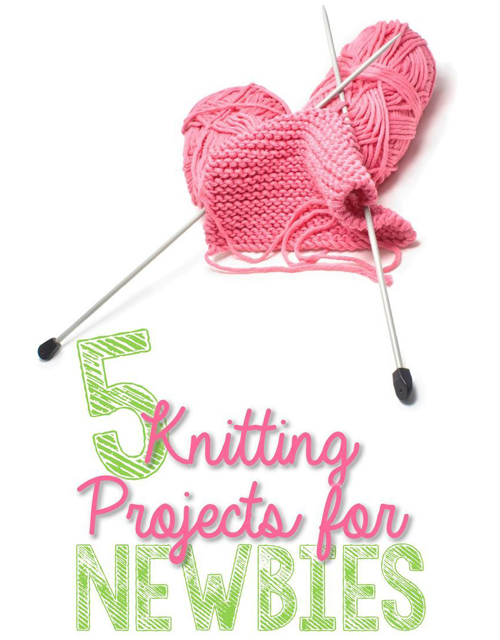
Knitting Projects for Newbies
Photo above © You put it up

Looking for your first knitting project can be more confusing than learning the knit stitch itself.

Hundreds of patterns are described as "easy" or "beginner friendly," but not every easy-looking project is suitable for someone who has only just picked up knitting needles.

A good first project should help you practice a small number of skills, give you visible progress, and be forgiving enough that a few uneven stitches do not ruin the finished result.

This guide will help you choose beginner knitting projects in a sensible order — from simple rectangular pieces to hats, baby projects, lace and your first sweater.

Beginner Knitting Guide

This page is an independent Amazing Knitting learning resource rather than one specific knitting pattern. Use it to choose a project that matches the skills you already know and the skill you want to learn next.

What Makes a Good First Knitting Project?

The best beginner project is not necessarily the smallest or the simplest-looking project.

A useful first project usually has several of these characteristics:

  • A manageable number of stitches
  • Little or no complicated shaping
  • A short repeating stitch pattern
  • Yarn that is easy to see and handle
  • Enough repetition to build muscle memory
  • A finished item you actually want to use

Your first few projects should gradually introduce new techniques rather than requiring you to learn everything at once.

Skills to Learn Before Your First Project

You do not need to know dozens of knitting techniques before starting.

For a very simple first project, focus on:

  • Making a slip knot
  • Casting on stitches
  • The knit stitch
  • Keeping stitches on the needle
  • Binding off
  • Weaving in yarn ends

Once those movements feel comfortable, add the purl stitch, decreases, increases and circular knitting one project at a time.

1. Start with a Garter Stitch Scarf

A garter stitch scarf remains one of the most practical first knitting projects.

When worked flat, you can create garter stitch simply by knitting every row.

That gives you time to practice:

  • Holding the needles
  • Controlling yarn tension
  • Recognizing stitches
  • Turning your work
  • Binding off

The shape is just a rectangle, so there is no garment fitting or complex shaping to worry about.

Why a Scarf Is Useful for Learning

Repetition is one of the fastest ways to make the basic knitting movement feel natural.

A scarf gives you hundreds of opportunities to repeat the same motion while still producing something useful.

The main disadvantage is that a full-length scarf can take time, so a small headband or cowl may be more motivating if you prefer quick projects.

2. Try a Dishcloth or Washcloth

A knitted washcloth is a good alternative when you want a project that finishes quickly.

It gives you a small square where you can practice basic stitches without worrying about exact garment fit.

Cotton yarn is commonly chosen for washable household cloths.

Once you know the knit stitch, a washcloth can also become your practice space for:

  • Purl stitches
  • Seed stitch
  • Ribbing
  • Simple eyelets
  • Textured stitch patterns

3. Knit a Simple Cowl

A cowl can feel more like a finished wearable than a practice square while still remaining relatively simple.

Some beginner cowls are worked flat as rectangles and seamed at the end. Others introduce circular needles and knitting in the round.

Choose the flat version first if circular knitting is still unfamiliar.

4. Try an Easy Baby Blanket

A baby blanket can be an excellent first larger project because it does not require body measurements or garment shaping.

Simple blanket patterns often repeat the same stitches across many rows, allowing you to improve consistency.

The main consideration is commitment: even a baby blanket contains many more stitches than a washcloth or headband.

Free Beginner Blanket Idea: Waffle Blanket

Once you are comfortable maintaining a repeating texture, explore the free Waffle Blanket pattern in the Amazing Knitting archive.

Explore the Waffle Blanket →

5. Move On to a Simple Hat

A basic hat introduces one important new idea: shaping.

Many hats gradually decrease stitches near the crown.

Depending on the pattern, a hat may be:

  • Worked flat and seamed
  • Worked in the round on circular needles
  • Finished with double-pointed needles or another small-circumference method

If you are completely new, a flat-knit hat may feel easier.

6. Try a Textured Scarf

After plain garter stitch feels comfortable, a textured scarf is a good way to learn something new without adding garment shaping.

You can practice new stitches while keeping the overall project shape extremely simple.

Free Next-Step Project: Morning Surf Scarf

Morning Surf Scarf is a verified free pattern already available in the Amazing Knitting archive.

It is a useful option when you are ready to move from plain knitting into a more decorative fabric.

View Morning Surf Scarf →

7. Learn Your First Lace Pattern

Lace does not have to mean an enormous, complicated shawl.

A small lace scarf is a much friendlier introduction because the stitch count is limited and the overall shape remains rectangular.

Before starting, become comfortable with:

  • Yarn overs
  • Basic decreases
  • Counting stitches
  • Reading repeat instructions

Free Beginner Lace Project: Little Leaf Lace Scarf

Little Leaf Lace Scarf by Sivia Harding is a particularly useful bridge into lace knitting because it combines a straightforward scarf shape with a repeating leaf motif.

Explore Little Leaf Lace Scarf →

8. Try Your First Triangle Shawl

A triangular shawl introduces increases and teaches you how knitted shaping develops row by row.

The project can look sophisticated even when the basic construction is relatively logical.

Free Shawl Idea: June Bunnies Shawl

June Bunnies Shawl is a customizable top-down triangular shawl and is especially useful when you are ready to explore simple lace.

Explore June Bunnies Shawl →

9. Try a Baby Cardigan

A baby cardigan can be a practical introduction to garment knitting because the project is much smaller than an adult sweater.

It may introduce:

  • Garment sizing
  • Increasing
  • Sleeves
  • Button bands
  • Reading a multi-size pattern

A top-down construction can be particularly attractive because you can see the garment shape develop as you work.

Free Baby Cardigan: Fuss Free Baby Cardigan

Louise Tilbrook's Fuss Free Baby Cardigan is a free DK-weight pattern with a top-down raglan construction and is a useful next step once your basic knitting feels secure.

Explore Fuss Free Baby Cardigan →

10. Knit Your First Simple Sweater

You do not need to wait years before making a sweater.

The important thing is to choose a design whose construction matches the skills you already have.

Look for patterns with:

  • Simple shapes
  • Clear sizing
  • Minimal complicated stitch work
  • Good construction notes
  • Few finishing steps

Free First-Sweater Idea: French Macaroon

French Macaroon by The Noble Thread is a small garter-stitch children's pullover with a simple boat-neck shape and uncomplicated construction.

It can be a useful way to understand how knitted pieces become a garment without beginning with a large adult sweater.

Explore French Macaroon →

A Simple Beginner Project Progression

A practical learning path:

1. Garter-stitch square or washcloth

2. Simple scarf or headband

3. Textured scarf or cowl

4. Simple blanket

5. Hat with basic shaping

6. Lace scarf or shawl

7. Baby cardigan

8. Simple sweater

This is not a rule. If one particular project excites you, motivation can be more valuable than following a perfect sequence.

What Yarn Is Easiest for Beginners?

A smooth, medium-weight yarn is often easier to learn with than extremely thin, fuzzy or novelty yarn.

You want to be able to see individual stitches clearly so that you can recognize mistakes.

Avoid choosing yarn only because it looks beautiful in the skein.

For your first project, ease of handling is usually more useful than an unusual texture.

Light Colors Can Be Easier to Read

Very dark yarn can make it difficult to see where one stitch ends and the next begins.

A light or medium color can make the structure clearer while you are learning.

Once you can recognize stitches easily, yarn color becomes much less important.

Don't Begin with Extremely Fuzzy Yarn

Mohair-like or heavily textured yarns can hide stitches.

They can also be difficult to unravel when you need to correct an error.

Save highly fuzzy yarn for a later project unless you are already comfortable identifying stitches by touch.

What Needles Should a Beginner Use?

Choose the needle size required by the pattern and appropriate for the yarn rather than buying one universal "beginner needle."

For practice knitting, medium-sized needles and medium-weight yarn can make the stitches easier to see and manipulate.

The important thing is that the needle should not make the fabric so tight that inserting the tip becomes difficult.

Wood or Metal Needles?

Both can work well.

Wooden or bamboo needles tend to offer more surface grip, which some new knitters find reassuring because stitches are less likely to slide away.

Smooth metal needles can feel faster once you become comfortable controlling the stitches.

There is no single correct material for every beginner.

Don't Choose a Project Only Because It Says "Easy"

Difficulty labels vary between designers.

Before starting, scan the skills required.

A project described as beginner-friendly may still require techniques such as:

  • Knitting in the round
  • Cables
  • Lace
  • Short rows
  • Picking up stitches
  • Seaming

None of these techniques is impossible for a beginner, but you should know what you are agreeing to learn.

Choose One New Skill at a Time

A particularly effective approach is to choose each new project because it adds one unfamiliar technique.

For example:

  • Project 1: knit stitch
  • Project 2: purl stitch
  • Project 3: ribbing
  • Project 4: decreases
  • Project 5: knitting in the round
  • Project 6: yarn overs and lace
  • Project 7: garment shaping

This prevents a single project from becoming a collection of ten new problems at once.

Make a Swatch When Size Matters

You can often practice freely on a scarf or washcloth.

But once you begin hats, sweaters, cardigans or fitted baby garments, gauge becomes much more important.

A gauge swatch tells you whether your personal knitting tension produces the dimensions expected by the pattern.

Learn How to Fix Mistakes

Becoming a confident knitter does not mean never making mistakes.

It means learning to recognize and repair them.

Useful early skills include:

  • Recognizing a dropped stitch
  • Unknitting stitches one at a time
  • Counting stitches
  • Checking pattern repeats
  • Using stitch markers
  • Using a lifeline in lace

Finish Your First Projects

A very simple finished project often teaches more than five ambitious projects abandoned halfway through.

Finishing teaches additional skills such as binding off, weaving in ends, seaming and blocking.

Choose something achievable enough that you are likely to reach that final stage.

Don't Worry About Perfect Tension

Your first rows may look different from your twentieth row.

That is normal while your hands are learning a completely new movement.

Concentrate on forming stitches consistently rather than trying to make your first project look machine-made.

More Beginner-Friendly Patterns on Amazing Knitting

Beginner Knitting Stitch Guides

When you want to practice new textures before using them in a full project, explore these Amazing Knitting stitch guides:

Explore More Easy Knitting Patterns

What Should You Knit First?

If you have never completed a project before, start with a small rectangle: a washcloth, headband or simple scarf.

If you already know knit and purl, choose a project that adds one new skill — perhaps ribbing, a simple decrease or a textured stitch.

If you can comfortably follow a basic pattern, move to a hat, shawl or baby cardigan.

The goal is not to remain a "beginner" until you know every technique. Each finished project should teach you enough to make the next project slightly more interesting.

Editorial note: This Amazing Knitting page is an independent beginner-knitting resource. It does not reproduce another publisher's pattern collection or copyrighted instructions. Individual project pages linked above identify and direct readers to their respective designers and authorized pattern sources. Please retain the photograph and original photo credit from the previous version of this page.

Speed Bumps Knitting Pattern - Historical Pattern Guide

Speed Bumps - Free Pattern
Photo above © annamal

Speed Bumps is an older knitting design associated with designer Audrey Bochantin.

If this distinctive knitted design brought you to Amazing Knitting, this guide will help you identify the original pattern, understand the information that can still be verified, and avoid confusing it with several newer knitting patterns that use the same name.

The original pattern was previously referenced online through Ravelry, but we could not confirm a currently active authorized download for Audrey Bochantin's exact Speed Bumps pattern.

The good news is that the design can still be documented accurately as part of the knitting archive, and there are currently available free projects with a similar easy, textured-knitting appeal.

Pattern Availability Update

Historical references identify this design as Speed Bumps by Audrey Bochantin. We could not verify a current authorized download page for this exact pattern, so Amazing Knitting does not label it as currently free or provide copied instructions from archived third-party sources.

Speed Bumps at a Glance

Pattern: Speed Bumps

Designer: Audrey Bochantin

Craft: Knitting

Historical Gauge: 16 sts × 20 rows = 4 in in stockinette

Current Availability: Exact authorized source not verified

About the Original Speed Bumps Pattern

Speed Bumps appeared online as a knitting pattern by Audrey Bochantin and was circulated through knitting communities and pattern directories.

Older references still identify the designer and preserve a small amount of technical information, including a stockinette gauge of 16 stitches and 20 rows over 4 inches.

However, an old reference is not the same thing as a current authorized pattern source.

Because the original listing can no longer be reliably verified as an active download, Amazing Knitting does not reconstruct the missing pattern or reproduce instructions from unofficial copies.

Important: There Are Several Patterns Called Speed Bumps

The name Speed Bumps is not unique.

Today you may find completely different knitting patterns with the same or very similar title, including:

  • A women's top by Suzanne Bryan
  • A textured scarf or cowl by another designer
  • Dishcloth patterns using similar wording
  • Sock patterns and other accessories with "Speed Bumps" in the title

These should not be treated as alternate editions of Audrey Bochantin's original design.

Do Not Mix Pattern Specifications

One of the easiest mistakes with an older pattern is to search only by title and then accidentally combine information from another design.

For example, a current Speed Bumps top may have completely different:

  • Yarn weight
  • Needle size
  • Gauge
  • Garment construction
  • Sizes
  • Designer

For that reason, this guide only includes details that can be connected specifically to Audrey Bochantin's pattern.

What Can Still Be Verified?

Historical knitting references preserve two particularly useful pieces of information:

  • The pattern name was Speed Bumps.
  • The designer was Audrey Bochantin.

A historical pattern preview also records a stockinette gauge of:

16 stitches × 20 rows = 4 inches

We are deliberately not adding yarn, needle size, finished measurements or construction details unless they can be confirmed from the exact original source.

Why We Do Not Reconstruct the Missing Pattern

It may be tempting to use photographs, old project notes or snippets from the web to reverse engineer a complete set of instructions.

That would create two problems.

First, reconstructed instructions may not accurately represent the designer's original pattern.

Second, an unavailable pattern does not automatically become free to copy or republish.

Amazing Knitting therefore keeps this page as a useful historical pattern guide rather than pretending to provide the original directions.

If You Already Own the Original Pattern

If you downloaded or purchased a legitimate copy of Speed Bumps in the past, your own copy remains the best source for:

  • Cast-on numbers
  • Pattern repeats
  • Needle size
  • Yarn requirements
  • Shaping instructions
  • Finishing details

Keep that copy together with notes about the yarn and size you used, since the original online listing may be difficult to recover later.

Gauge Still Matters

The surviving historical gauge reference of 16 stitches and 20 rows over 4 inches suggests that gauge was an important part of the original design.

If you are working from a legitimate saved copy, make a swatch with the yarn and needle combination specified there rather than choosing needles based only on the photograph.

Your personal tension can change the finished dimensions substantially.

Why Pattern Names Can Be Confusing

Knitting pattern titles are not always unique identifiers.

Two independent designers may choose the same descriptive name without their projects being related.

For old patterns, always check at least:

  • Designer name
  • Publication date
  • Project category
  • Yarn weight
  • Pattern photograph

before assuming you have found the correct pattern.

A Current Free Pattern with the Same Name

There is currently another pattern called Speed Bumps by Suzanne Bryan.

It is a completely separate design: a loose-fitting women's top worked flat in two main panels.

Suzanne Bryan's version is currently available as a free pattern, but it should not be confused with the older Audrey Bochantin pattern featured on this Amazing Knitting page.

View Suzanne Bryan's Free Speed Bumps Pattern →

About Suzanne Bryan's Version

If you simply liked the name and want a currently available project, Suzanne Bryan's free Speed Bumps top offers a legitimate option.

Her pattern uses fingering-weight yarn and is worked flat in two main panels before being joined.

It is an independent design and is included here only as a clearly labeled alternative.

More Free Knitting Projects on Amazing Knitting

You can also continue with patterns whose current free sources have already been verified:

Explore More Knitting Patterns

Pattern Availability Summary

The historical Speed Bumps pattern associated with Audrey Bochantin can still be identified, but we could not confirm a current authorized download for that exact design.

For that reason, Amazing Knitting preserves this page as a pattern guide rather than presenting an unofficial copy or incorrectly linking to one of the unrelated patterns with the same title.

If an authorized Audrey Bochantin listing becomes available again, this page can be updated with a direct link to that source.

Editorial note: Speed Bumps is credited here to Audrey Bochantin based on historical pattern references. Amazing Knitting does not reproduce unavailable copyrighted instructions or substitute another designer's same-name pattern for the original. Please preserve the photograph and its existing credit from the previous version of this page.

Over 50 Websites to Get Free Knitting Patterns

Over 50 Websites to Get Free Knitting Patterns
Designed by © Knit Crush

Looking for free knitting patterns? There are thousands of legitimate patterns available online for baby clothes, sweaters, blankets, scarves, socks, hats, toys and almost every other knitting project you can imagine.

The challenge is no longer simply finding a pattern. It is finding a reliable free pattern from a legitimate source, especially when older Pinterest pins and search results may lead to discontinued pages, outdated downloads or unofficial copies.

This guide will help you find free knitting patterns more safely and efficiently, whether you are searching the Amazing Knitting archive, a designer's website, a yarn company or a large knitting-pattern database.

About This Updated Guide

This Amazing Knitting article was originally published in 2019 as a link to an external roundup of more than 50 free-pattern websites. We have expanded the page into an independent resource for finding legitimate free knitting patterns without reproducing another publisher's list.

Where Can You Find Free Knitting Patterns?

Free knitting patterns are published by many different types of websites.

Some come directly from independent designers. Others are published by yarn manufacturers, knitting magazines, craft websites or pattern databases.

The best source depends on what you are looking for, so it helps to understand the major types of free-pattern resources before beginning your search.

1. Designer Websites

One of the best places to find a knitting pattern is the designer's own website.

Independent designers frequently publish selected patterns free while selling other designs.

Going directly to the designer has several advantages. You are more likely to find the current version of the pattern, corrections, additional photographs and notes from the person who actually created it.

If a pattern has been updated since its original publication, the designer's current page is usually preferable to an old copied version circulating elsewhere.

2. Yarn Company Pattern Libraries

Major yarn companies can be excellent sources of free knitting patterns.

These companies publish patterns to demonstrate how their yarns can be used, which means their libraries often contain projects across many categories and skill levels.

You can find designs for:

  • Baby sweaters and cardigans
  • Baby blankets
  • Adult sweaters and pullovers
  • Hats
  • Scarves and cowls
  • Socks and slippers
  • Shawls
  • Home accessories
  • Seasonal projects

Yarn-company libraries are especially useful because older patterns sometimes remain available long after the original printed booklet has disappeared.

3. Ravelry

Ravelry is one of the most useful resources for researching knitting patterns.

Rather than simply searching the web for a phrase such as “free baby cardigan,” you can narrow results using filters such as category, yarn weight, needle size, age, construction and availability.

Pattern records can also provide useful historical information such as the designer, publication date, suggested yarn and links to the current pattern source.

Remember that a Ravelry record does not automatically mean the pattern itself is still available. Always check the current availability shown on the pattern page.

4. Knitting Magazines and Online Publications

Online knitting magazines have published many excellent free patterns over the years.

Some older designs remain available in permanent online archives, making these publications particularly useful when searching for classic knitting projects.

These sources can also be valuable because they often preserve useful information about the designer, yarn, gauge, construction and original publication date.

5. Large Craft and Pattern Websites

Large craft websites often organize patterns by project type or skill level, which can make them useful when you are looking for inspiration rather than one particular design.

A collection might focus on beginner scarves, baby booties, knitted toys or quick gifts.

When using a roundup, however, follow the link to the original pattern source whenever possible.

6. Knitting Blogs

Knitting blogs remain another useful source of free patterns, tutorials and project inspiration.

Some bloggers are also pattern designers and publish complete original designs. Others curate projects from different designers.

The distinction matters.

When a blog is discussing somebody else's pattern, look for the designer's name and a clear link to the legitimate original source.

7. Vintage and Public-Domain Knitting Resources

Knitters interested in historical projects can also explore digitized vintage knitting books, magazines and pattern leaflets.

Older knitting publications can contain fascinating sweaters, lace, socks, mittens and household projects that differ significantly from modern designs.

However, old does not automatically mean public domain. Copyright status depends on factors including publication date, jurisdiction and publication history.

If you plan to republish rather than simply knit from a vintage pattern, verify its copyright status first.

8. Amazing Knitting

You can also browse the Amazing Knitting archive.

Our library includes hundreds of knitting discoveries covering baby clothes, blankets, sweaters, scarves, hats, socks, slippers, stitches, tutorials and other projects.

We are progressively reviewing older articles to identify original designers, verify pattern availability and direct readers toward legitimate current sources whenever possible.

Browse Free Knitting Patterns →

Free Baby Knitting Patterns

Baby projects are an excellent place to explore free patterns because there are designs for many different skill levels.

You can start with baby cardigans and sweaters:

Explore Free Baby Cardigans →

Or browse baby booties:

Explore Free Baby Booties →

And baby blankets:

Explore Free Baby Blankets →

Free Sweater and Cardigan Patterns

Sweaters range from simple first-garment projects to advanced designs involving cables, lace or colorwork.

When choosing one, pay particular attention to:

  • Finished measurements
  • Recommended ease
  • Gauge
  • Yarn weight
  • Construction method
  • Available sizes
  • Required techniques

Explore Free Sweater Patterns →

Free Blanket Knitting Patterns

Blankets are another large category of free knitting patterns.

Depending on the design, a blanket can be a simple beginner project or an advanced combination of lace, cables, colorwork or modular knitting.

Baby blankets are particularly useful for practicing new techniques on a manageable scale.

Explore Free Blanket Patterns →

Free Scarf and Cowl Patterns

Scarves and cowls are useful projects for testing unfamiliar stitches without committing to the fit requirements of a sweater.

They are also good projects for experimenting with cables, lace, texture and unusual yarn.

Explore Free Scarf Patterns →

How to Tell Whether a Pattern Is Really Free

One of the biggest problems with older knitting links is that pattern availability changes.

A pattern that was free ten years ago may now be paid, discontinued or completely unavailable.

Before calling a pattern free, check the current original source.

Look for clear wording such as:

  • Free pattern
  • Free download
  • Download PDF
  • Pattern available free on the designer's website

If the only evidence that a pattern is free comes from an old Pinterest pin or an old roundup, verify it before downloading.

Free Web Pattern vs. Free PDF

A pattern does not need to include a downloadable PDF to be genuinely free.

Some designers publish the complete pattern as a free webpage while offering an optional printable or ad-free PDF for a fee.

In that situation, describe the availability accurately: free web version with optional paid PDF.

This is more useful than simply labeling everything “free” or “paid.”

Watch for Discontinued Patterns

Older pattern databases can contain records for designs whose original downloads have disappeared.

A historical record is useful for identifying the designer and project, but it does not necessarily provide permission to download a copied PDF from another website.

If the legitimate source is gone, look for a currently available alternative instead of using an unauthorized copy.

Avoid Suspicious Pattern Downloads

Be cautious when a website offers a designer's PDF without clearly identifying itself as the designer, publisher or an authorized distributor.

A safer route is usually:

  1. Identify the exact pattern name.
  2. Identify the designer.
  3. Find the designer or publisher's current page.
  4. Check the current availability.
  5. Download or follow the pattern from that legitimate source.

Check for Pattern Corrections

Another advantage of using the current source is access to corrections and updates.

Designers sometimes discover errors after publication and issue an updated PDF or an errata notice.

An old copy saved elsewhere may not include those corrections.

Check the Yarn Before You Buy It

Older patterns frequently recommend yarns that have since been discontinued.

That does not necessarily make the pattern unusable.

Instead of searching only for the exact old yarn, compare:

  • Yarn weight
  • Gauge
  • Fiber content
  • Yardage or meterage
  • Fabric characteristics

Always make a gauge swatch before committing to a substitute yarn for a fitted garment.

Start with the Project You Want to Make

Searching “free knitting patterns” can return an overwhelming number of results.

A more effective approach is to begin with a specific project:

  • Free newborn cardigan knitting pattern
  • Free baby booties knitting pattern
  • Free cable blanket knitting pattern
  • Free beginner scarf knitting pattern
  • Free top-down sweater knitting pattern
  • Free lace shawl knitting pattern

Then narrow your choices according to yarn weight, size and skill level.

Save the Designer's Name

When you find a pattern you love, save more than the photograph.

Record the pattern name and designer.

This makes it much easier to find the legitimate pattern again if a Pinterest pin, bookmark or old website link stops working in the future.

Our Approach at Amazing Knitting

Amazing Knitting is a curated discovery library rather than the owner of every pattern featured in its archive.

When a project belongs to another designer, our goal is to identify and credit that designer, provide useful independent information about the project and direct knitters to the legitimate pattern source.

If an old pattern that was once free has become paid or unavailable, we aim to make that clear rather than continuing to promise a free download that no longer exists.

Explore Free Knitting Patterns

Ready to find your next project? Browse the Amazing Knitting archive by project type.

Before Downloading a Free Pattern

Take a moment to confirm that you are using the current legitimate version.

Check the designer's name, current availability, size range, yarn requirements and whether any corrections have been published.

A few minutes of checking before casting on can prevent hours of frustration later in the project.

Editorial note: This article was originally published by Amazing Knitting in 2019 as a discovery link to a Knit Crush roundup. It has since been expanded into an original Amazing Knitting resource for finding and evaluating free knitting patterns. The original image used on this page is credited to Knit Crush.

Basketweave Chunky Knit Blanket - Free Pattern

Basketweave Blanket - Free Pattern
Photos above © iSeL

Basketweave Chunky Knit Blanket is a fast, beginner-friendly throw made with jumbo yarn and oversized knitting needles.

Originally published through Red Heart, this cozy blanket uses simple knit-and-purl texture to create a large basketweave effect without cables or complicated shaping.

Because the yarn is extremely thick and the needles are unusually large, the fabric grows very quickly compared with a conventional knitted blanket.

The original pattern is still officially available as a free download from Yarnspirations / Red Heart.

✓ Free Official Pattern Available

Red Heart's Basketweave Throw remains available as a free knitting pattern from Yarnspirations. The current official page provides the downloadable pattern and project information without requiring sign-up.

Basketweave Chunky Knit Blanket at a Glance

Pattern: Basketweave Throw / Basketweave Chunky Knit Blanket

Publisher: Red Heart / Yarnspirations

Original Credit: Laura Bain for Red Heart

Skill Level: Beginner

Category: Throw / Blanket

Original Yarn: Red Heart Boutique Irresistible

Yarn Weight: Jumbo / Weight 7

Original Amount: 9 balls

Needles: 35 mm / US 100 circular needle, 40 in or longer

Gauge: 2.5 sts and 4 rows = 4 in in garter stitch

Finished Size: Approx. 48 × 50 in / 122 × 127 cm

Availability: Free official download

About the Basketweave Blanket

This is an oversized-texture throw designed to make the most of very thick yarn.

The basketweave appearance comes from alternating blocks of knit and purl stitches rather than from cables.

The result looks more elaborate than the techniques actually required, which is one reason the pattern works so well for newer knitters.

Why This Blanket Knits So Quickly

Standard blankets can require hundreds of stitches across each row.

This design takes a completely different approach by using jumbo yarn and very large needles.

The thick yarn means fewer stitches are needed to create a wide piece of fabric, so each row covers much more physical distance than it would with worsted or DK yarn.

Original Yarn

The pattern was originally designed for Red Heart Boutique Irresistible.

This was a jumbo-weight yarn with a very plush, soft appearance that helped create the oversized, cozy texture shown in the original project.

The original version used approximately:

9 balls

Because older yarn lines may change or become difficult to find, do not rely only on the original product name when choosing a substitute.

Can You Substitute the Yarn?

Yes, but this project depends heavily on yarn thickness.

Look for a yarn that is genuinely close to jumbo / weight 7 and produces a fabric you like at the required gauge.

When comparing substitutes, pay attention to:

  • Yarn weight
  • Recommended needle range
  • Total yardage or meterage
  • Fiber softness
  • Washability
  • How firmly or loosely the yarn holds its shape

Don't Substitute by Ball Count Alone

Different jumbo yarns can contain dramatically different amounts of yarn per ball.

Buying nine balls of another brand does not automatically give you the same total yardage as nine balls of the original yarn.

Compare total yardage or meterage instead of relying only on the number of skeins.

Giant Knitting Needles

The original pattern uses:

35 mm / US 100 circular knitting needles

The circular needle is used for its long cable and ability to support the weight and width of the blanket.

You still work the project back and forth rather than joining it in the round.

Why Use Circular Needles for a Flat Blanket?

Circular needles are often easier to manage for large flat projects because much of the fabric can rest on the flexible cable.

This reduces the amount of weight supported directly by your wrists compared with trying to balance a large blanket on very long straight needles.

Getting Used to 35 mm Needles

Needles this large can feel unusual at first.

You may find it easier to work slowly and use broader hand movements rather than gripping the needles tightly.

Take breaks if your hands, wrists or shoulders become tired. Jumbo knitting requires fewer stitches, but each movement can be physically larger.

Gauge

The historical pattern information lists:

2.5 stitches = 4 inches
4 rows = 4 inches

measured in garter stitch.

That extremely open gauge reflects the very large yarn and needle combination.

Why Gauge Still Matters

Even though a blanket does not have to fit a body, gauge affects the final size, yarn requirement and fabric density.

If your stitches are substantially tighter, you may create a smaller, denser blanket and use more yarn.

If your fabric is much looser, the basketweave structure may lose definition.

Finished Size

The original version measures approximately:

48 × 50 inches

approximately 122 × 127 cm

This makes it a useful throw for a sofa, armchair or the foot of a bed rather than a small baby blanket.

How Basketweave Texture Works

Basketweave knitting creates the illusion of woven blocks by arranging knit and purl stitches in alternating sections.

Knit stitches visually recede or advance differently from purl stitches, depending on which side of the fabric you are viewing.

Switching the blocks after several rows creates the familiar over-and-under basket effect.

No Cables Required

Although the finished texture can look architectural, this design does not depend on traditional cable crossings.

That makes it far less complicated than many highly textured blankets.

If you can knit, purl and keep track of a repeating sequence, you already have the main skills required.

Garter Stitch Border

The blanket also uses garter stitch around the textured section.

A garter border gives the edges a simple visual frame and helps balance the stronger basketweave pattern in the center.

Counting Stitches Matters

Basketweave patterns look regular only when the blocks remain aligned.

An accidentally added or dropped stitch can shift later sections and make the error more noticeable.

Count occasionally and inspect the vertical alignment of your blocks as the blanket grows.

Use Stitch Markers if Helpful

For a simple repeat like this, markers can be placed between texture sections if you find yourself losing track.

They are not required by every knitter, but they can reduce counting mistakes when you are still learning the rhythm of the pattern.

Watch Your Knit-and-Purl Transitions

One common beginner issue occurs when moving the yarn between knit and purl stitches.

Make sure the working yarn moves between the needle tips rather than wrapping over the needle accidentally.

Otherwise, you may create an unintended extra stitch.

Skills Used in This Blanket

  • Casting on
  • Knit stitch
  • Purl stitch
  • Working flat on circular needles
  • Reading a simple repeat
  • Binding off
  • Weaving in ends

Is It Suitable for Beginners?

Yes.

Yarnspirations currently classifies the Basketweave Throw as a Beginner knitting project.

The main challenge is not complicated stitch technique but handling the unusually large yarn and needles while keeping the repeat consistent.

A Good First Blanket?

It can be.

A conventional full-size blanket may feel slow to a beginner, but this jumbo version grows very quickly.

That makes it especially satisfying if you want to practice knit and purl stitches while producing a substantial finished object.

One Thing Beginners Should Know

Faster does not necessarily mean physically effortless.

Jumbo yarn and 35 mm needles can place more strain on your hands than ordinary knitting needles.

Use a relaxed grip and stop when you feel fatigue rather than forcing yourself through long knitting sessions.

Weaving In Jumbo Yarn Ends

Very thick yarn ends can be more difficult to hide neatly than standard yarn.

The original pattern materials even mention an optional sewing needle and matching thread if the large ends are difficult to secure conventionally.

Follow the finishing guidance in the official pattern rather than trimming the yarn too close to the fabric.

Blocking and Finishing

Jumbo blankets usually do not require aggressive blocking.

Follow the current care instructions for whichever yarn you use and allow the blanket to settle naturally into shape.

Avoid excessive stretching, which could distort the large basketweave blocks.

Care Instructions Depend on Your Yarn

If you substitute the original yarn, use the care label on the replacement yarn rather than assuming the same washing method applies.

A large wet blanket can also become surprisingly heavy, so support it carefully during washing and drying.

Why This Pattern Still Works

The design combines three things that remain popular:

  • Very chunky texture
  • Simple beginner knitting
  • A neutral, modern home-decor look

The oversized basketweave blocks make the project visually impressive even though the underlying stitches are basic.

Important: There Are Many Basketweave Blanket Patterns

Same General Name, Different Patterns

Many designers publish blankets called Basketweave Blanket, Basketweave Throw or Basketweave Baby Blanket. The design featured on this Amazing Knitting page is the jumbo-yarn Red Heart Basketweave Throw associated with the Basketweave Chunky Knit Blanket description. Do not mix its yarn, needle size, gauge or measurements with unrelated basketweave designs.

Is the Basketweave Blanket Still Free?

Yes.

Yarnspirations currently publishes the Red Heart Basketweave Throw as a free knitting pattern.

The official listing identifies it as a beginner project and provides a completely free download without requiring registration.

Amazing Knitting does not reproduce the full row-by-row copyrighted pattern. Use the official Yarnspirations page for the complete current instructions.

Get the Free Basketweave Throw Pattern

Visit Yarnspirations / Red Heart for the official free download:

Get the Free Basketweave Throw Pattern →

More Free Blanket Patterns on Amazing Knitting

Explore More Blanket Knitting

Before You Cast On

Make sure your substitute yarn is genuinely close to jumbo weight, then test how it behaves on very large needles.

Check the gauge, keep your knit-and-purl blocks aligned, and use a relaxed grip while handling the oversized needles.

Most importantly, use the official Yarnspirations download for the complete instructions rather than copying an older reposted version from another site.

Pattern credit: Basketweave Throw is a Red Heart pattern, historically associated with Laura Bain for Red Heart. Amazing Knitting provides an independent editorial project guide and does not reproduce the complete copyrighted row-by-row pattern. Preserve the existing image credit: Photos above © iSeL.

Mini Snow Boots – Free Baby Booties Knitting Pattern

Mini Snow Boots free baby booties knitting pattern by DROPS Design with cables and ribbing

Mini Snow Boots by DROPS Design are cozy knitted baby booties with a charming combination of cables, ribbing and a snug sock-style fit. Designed for babies and young children, the pattern includes sizes ranging from approximately 1 month all the way to 4 years.

The tall ribbed cuff gives these little boots their winter-ready appearance, while the cable detail running down the front adds texture and makes the finished pair look much more elaborate than a basic knitted baby sock.

Best of all, the complete Mini Snow Boots pattern is still available free from DROPS Design, so knitters can follow the current official instructions directly from the original publisher.

Design and original pattern © DROPS Design / Garnstudio.

Mini Snow Boots Pattern Overview

  • Designer: DROPS Design
  • Pattern: Mini Snow Boots / DROPS Baby 31-25
  • Pattern number: pu-002-by
  • Craft: Knitting
  • Category: Baby socks / booties
  • Published: March 2018
  • Sizes: 1–3 months, 6–9 months, 12–18 months, 2 years and 3–4 years
  • Foot length: Approximately 10, 11, 12, 14 and 16 cm
  • Yarn group: DROPS Yarn Group B
  • Suggested yarn: DROPS Puna
  • Fiber: 100% alpaca
  • Yarn amount: Approximately 50 g for each listed size
  • Needles: 2.5 mm double-pointed needles
  • Additional tool: Cable needle
  • Gauge: 24 stitches and 34 rows = 10 × 10 cm in stockinette stitch
  • Construction: Worked in the round
  • Main techniques: Ribbing, cables, decreases and sock shaping
  • Pattern availability: Free official web pattern

Cozy Baby Boots With Classic Cable Detail

The feature that gives the Mini Snow Boots their distinctive look is the decorative cable running along the front of each boot.

Instead of relying only on plain stockinette stitch, the pattern combines ribbed texture and cables to create a pair of baby socks that looks almost like miniature winter boots.

The cable motif adds structure and visual interest without covering the entire piece, so the finished booties still retain a soft and comfortable appearance.

Sizes From Baby to Preschool Age

One particularly useful feature of this DROPS pattern is the wide size range. It is not limited to newborns.

The official pattern includes the following five sizes:

  • 1–3 months: approximately 10 cm foot length
  • 6–9 months: approximately 11 cm foot length
  • 12–18 months: approximately 12 cm foot length
  • 2 years: approximately 14 cm foot length
  • 3–4 years: approximately 16 cm foot length

This makes Mini Snow Boots useful for several stages of early childhood and also makes the pattern a good option for handmade baby gifts when you want more than a newborn-only size.

How the Mini Snow Boots Are Constructed

The Mini Snow Boots are worked in the round on double-pointed needles.

The knitting begins at the upper cuff and continues downward, with the decorative cable and rib structure worked according to the DROPS charts. As the piece develops, decreases shape the leg and foot.

Working the booties in the round means there is no long side seam running down the finished sock, helping create a smoother and more comfortable result.

The Ribbed Cuff

The upper section combines ribbed stitches with the central cable design. Ribbing is especially useful for baby socks because it allows the fabric to stretch while still helping the boot stay comfortably around the ankle.

When knitting the cuff, try to avoid pulling the stitches too tightly. A very firm cast-on edge can reduce the stretch of the opening and make the finished boot harder to put on.

Working the Cable Pattern

The cable detail is one of the main decorative elements in this pattern. DROPS provides charts for the patterned sections, so being comfortable reading a simple knitting chart will make the project easier to follow.

You will also need a cable needle to move stitches while creating the crossed cable sections.

If cables are still new to you, work slowly through the first repeat and check the orientation of each cable crossing before continuing. Once the repeat becomes familiar, the pattern becomes much easier to recognize.

Yarn for Mini Snow Boots

The original pattern uses DROPS Puna, a soft 100% alpaca yarn from DROPS Yarn Group B.

The official pattern calls for approximately 50 grams for each of the listed sizes, making this a relatively small-yarn project.

DROPS also allows compatible Yarn Group B alternatives, so you do not necessarily have to use the exact original yarn. The important point is to choose a substitute that allows you to obtain the required gauge and produces a comfortable fabric suitable for baby feet.

Why Gauge Matters for Baby Booties

The official gauge is:

24 stitches and 34 rows = 10 × 10 cm in stockinette stitch.

Gauge matters particularly on footwear because even a small difference can noticeably change the finished foot length and circumference.

If your stitches are larger than the pattern gauge, the booties may turn out too large. If your gauge is tighter, they may become too small or less stretchy.

For that reason, it is worth checking your tension before knitting the pair, especially if you are substituting yarn.

Needles and Tools

  • 2.5 mm double-pointed knitting needles
  • Cable needle
  • DK / DROPS Yarn Group B yarn
  • Tapestry needle for finishing
  • Stitch markers if you find them helpful for working in the round

The 2.5 mm needle size is a recommendation. As DROPS notes, you may need to adjust needle size to achieve the correct gauge for your individual knitting tension.

Skills You'll Use

  • Knitting in the round
  • Using double-pointed needles
  • Knit and purl stitches
  • Ribbing
  • Reading knitting charts
  • Working cables
  • Using a cable needle
  • Decreasing stitches
  • Shaping a sock or bootie
  • Finishing and weaving in ends

Is This a Beginner Knitting Pattern?

Mini Snow Boots are better suited to an advanced beginner or intermediate knitter than to someone making their very first knitting project.

The basic stitches themselves are familiar, but the project combines several techniques: knitting in the round, working with double-pointed needles, following cable charts and shaping a small sock.

If you already know how to knit and purl and would like to learn cables or small circular knitting, this can be an excellent next-step project.

Tips for Knitting a Neater Pair

Check your gauge first. Baby footwear is small enough that even a modest gauge difference can significantly change the final size.

Keep cable tension consistent. Cable crossings can sometimes become tighter than surrounding stitches, so avoid pulling the working yarn too firmly immediately after a cable.

Watch the joins between double-pointed needles. Moving the needle divisions occasionally can help reduce visible ladders in the fabric.

Count your decreases carefully. Correct stitch counts are important when shaping such a small piece.

Make both boots under similar conditions. Using the same needles and tension helps the finished pair match in size.

Is Mini Snow Boots a Free Knitting Pattern?

Yes. Mini Snow Boots / DROPS Baby 31-25 is currently available as a free knitting pattern directly from DROPS Design.

The official DROPS page includes the complete written instructions, pattern charts, size selection and supporting knitting resources.

Because DROPS Design is the original publisher of this pattern, we link directly to that official source rather than to third-party copies.

View the Free Mini Snow Boots Pattern at DROPS Design →

Why These Baby Boots Are Worth Knitting

Mini Snow Boots combine the practicality of warm knitted baby socks with the look of miniature cable-knit winter boots.

The small scale makes them a satisfying project when you want to practice cables without committing to a large sweater or blanket, while the five-size range gives the design much more flexibility than many newborn-only bootie patterns.

They can also make a thoughtful handmade baby gift, especially when knitted in a soft neutral yarn or a color chosen to coordinate with a baby's winter wardrobe.

Pattern Availability

Amazing Knitting links readers to legitimate designer or publisher sources whenever possible. Pattern prices, download locations and availability can change after an article is published.

Read Our Pattern Availability Policy →

Amazing Knitting is an independent pattern discovery and project-guide site. The Mini Snow Boots design and knitting pattern remain the intellectual property of DROPS Design / Garnstudio. This guide does not reproduce the publisher's complete row-by-row pattern instructions or charts.

Jamma Slippers – Free Easy Slipper Knitting Pattern for the Whole Family

Jamma Slippers free easy slipper knitting pattern for toddler child and adults

Jamma Slippers. Photos © MyJamma Knits

Jamma Slippers by MyJamma Knits is a free beginner-friendly slipper knitting pattern with sizes for almost the whole family, from toddlers and children through adult XL.

These cozy knitted slippers are worked flat and then seamed, so you don't need to knit them in the round. Two strands of worsted-weight yarn are held together throughout, creating a thick, warm fabric while also making the slippers a practical project for combining yarn from your stash.

Jamma Slippers Pattern Details

  • Designer: MyJamma Knits
  • Published: April 2020
  • Craft: Knitting
  • Category: Slippers
  • Pattern availability: Free download
  • Skill level: Beginner-friendly
  • Sizes: Toddler, Child, Adult Small, Adult Medium, Adult Large and Adult XL
  • Yarn: Two strands of worsted-weight yarn held together
  • Yardage: Approximately 100–400 yards (91–366 m), depending on size
  • Needles: 5 mm (US 8)
  • Gauge: 5 stitches = 1 inch in garter stitch
  • Construction: Worked flat and seamed
  • Language: English

Easy Knitted Slippers for the Whole Family

One of the best features of Jamma Slippers is the generous range of sizes included in the free pattern.

The instructions cover:

  • Toddler
  • Child
  • Adult Small
  • Adult Medium
  • Adult Large
  • Adult XL

This makes the pattern useful if you want to knit matching slippers for several members of the family without searching for a different pattern for every size.

A Beginner-Friendly Slipper Pattern

The designer describes Jamma Slippers as a good pattern for beginners.

Unlike sock patterns that require knitting small circumferences in the round, these slippers are knitted back and forth as flat pieces. The finished knitting is then folded and seamed to create the slipper shape.

This straightforward construction makes the project particularly appealing if you are comfortable with basic knitting but haven't yet tried traditional sock construction.

Two Strands of Worsted Yarn Held Together

Jamma Slippers use an easy yarn technique: two strands of worsted-weight yarn are held together and knitted as one.

Holding the yarn double creates a much thicker fabric than knitting with a single strand of worsted yarn. The resulting yarn combination behaves approximately like a super bulky yarn while still allowing you to use common worsted-weight yarns.

This also makes Jamma Slippers a useful stash-busting project. You can combine leftover yarns from other projects, provided that the yarns work together and allow you to achieve the required gauge.

Yarn Ideas for Jamma Slippers

Several worsted-weight yarns are suggested for the pattern, including:

  • Red Heart Super Saver
  • Lion Brand Wool-Ease
  • Cascade 220 Superwash
  • Caron One Pound

You don't have to use one of these exact yarns. A suitable worsted-weight yarn can work as long as you hold two strands together and match the pattern gauge.

For slippers, you may also want to consider durability and ease of washing when choosing yarn, especially if you plan to wear them often.

How Much Yarn Do You Need?

Yarn requirements vary considerably because the pattern ranges from toddler slippers to Adult XL.

The pattern listing gives an overall range of approximately 100–400 yards (91–366 metres).

Check the instructions for your chosen size before selecting yarn, particularly when using leftovers or combining two different colors.

Needles and Gauge

Jamma Slippers call for 5 mm (US 8) knitting needles.

The specified gauge is: 5 stitches = 1 inch in garter stitch.

Remember that the gauge is achieved while knitting with two strands of worsted yarn held together.

Gauge is important for slippers because it directly affects the finished length and width. If your stitches are significantly larger or smaller than the designer's gauge, your slippers may not fit as expected.

Worked Flat and Seamed

Jamma Slippers are worked flat rather than knitted continuously in the round.

After knitting, the slipper is shaped through finishing and seaming. This approach keeps the knitting itself straightforward and avoids the need for double-pointed needles or other small-circumference knitting techniques.

Take your time with the seams, since neat finishing can make a noticeable difference to both the appearance and comfort of knitted slippers.

A Great Stash-Busting Knitting Project

Jamma Slippers have roots in practical scrap-yarn knitting. The designer explains that she learned the basic slipper pattern from her mother-in-law around forty years ago, and her mother-in-law used leftover yarn from other projects to make the slippers.

MyJamma Knits later modified the toe shaping and adapted the design to create the wide range of sizes included in this free version.

That history fits the pattern perfectly: because two strands are held together, you can experiment with different color combinations and put partial skeins of compatible worsted yarn to good use.

Try Two Colors Together

Holding two strands together also creates an easy opportunity to play with color.

Use two strands of the same color for a solid look, or combine two different colors for a marled effect. A solid yarn paired with a variegated or self-striping yarn can create even more variation without changing the knitting itself.

Skills Used in Jamma Slippers

This project is especially approachable for knitters who know the fundamentals and want to make their first pair of slippers.

Useful skills include:

  • Basic knitting
  • Garter stitch
  • Working back and forth
  • Holding two strands of yarn together
  • Simple shaping
  • Binding off
  • Basic seaming and finishing

Why Knit Jamma Slippers?

Jamma Slippers combine several useful qualities in one free pattern: simple flat construction, beginner-friendly techniques, six sizes and the ability to use ordinary worsted-weight yarn held double.

They're also a practical choice for handmade gifts. Once you're familiar with the construction, you can use the same pattern to knit slippers for children and adults in different yarn combinations.

Get the Free Jamma Slippers Knitting Pattern

The complete Jamma Slippers by MyJamma Knits pattern is currently available as a free download from the designer's Ravelry store.

Get the Free Jamma Slippers Knitting Pattern

Pattern availability was checked when this article was updated. Availability on external websites may change over time.

Knitting Tote - Free Bag Knitting Pattern

Knitting Tote - Free Pattern
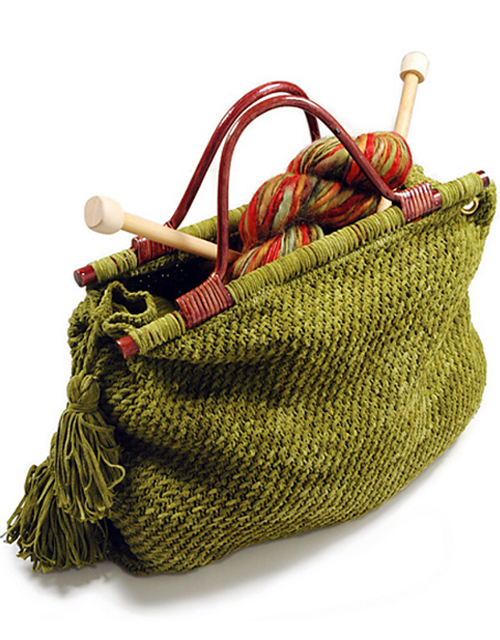
Photo above © Berroco Inc.

Knitting Tote by Donna Yacino for Berroco is a sturdy, structured knitted bag designed especially for carrying yarn, needles and works in progress.

The combination of textured knitting, wooden handles, decorative grommets and a reinforced bottom gives the tote a polished look while keeping it practical enough for everyday use.

Originally designed in Berroco Suede, this project is a great choice for knitters who want to make something functional rather than another garment or accessory.

Best of all, the complete Knitting Tote pattern is still officially available for free from Berroco.

✓ Free Pattern Availability

Berroco still publishes Knitting Tote by Donna Yacino as a free pattern download on its official website.

Knitting Tote at a Glance

Pattern: Knitting Tote

Designer: Donna Yacino

Publisher: Berroco

Project Type: Knitted tote bag

Skill Level: Intermediate

Suggested Yarn: Berroco Suede

Yarn Weight: Worsted

Approx. Yardage: 500 yd / 457 m

Needles: US 8 / 5 mm, 24-inch circular

Crochet Hook: 4 mm

Gauge: 24 sts × 30 rows = 4 in in pattern stitch

Finished Size: Approx. 15 in wide × 11 in high × 4½ in deep

Availability: Free official Berroco pattern

About the Berroco Knitting Tote

This tote was designed as a practical project bag with enough structure to hold knitting supplies while still looking like a finished handbag.

Berroco describes the design as sturdy and stylish, and the construction supports that goal with a firm knitted fabric, wooden handles and a reinforced base.

Unlike a soft drawstring project pouch, this tote is intended to keep its shape and stand more like a traditional bag.

Finished Size

The official finished measurements are approximately:

15 in wide × 11 in high × 4½ in deep

The height measurement does not include the handles.

This gives the bag enough room for yarn, tools and a medium-sized work in progress without making it excessively bulky.

Original Yarn: Berroco Suede

The original design uses Berroco Suede, a worsted-weight novelty yarn that gives the knitted fabric a distinctive suede-like appearance.

The official materials list calls for:

5 balls of Berroco Suede

The Ravelry record lists the project at approximately 500 yards / 457 meters.

What If Berroco Suede Is Hard to Find?

If you substitute yarn, focus on the finished fabric rather than trying to match only the original fiber appearance.

A tote needs more structure than a soft scarf or sweater.

Look for a yarn that can:

  • Match the published gauge
  • Create a reasonably firm fabric
  • Show the textured stitch clearly
  • Handle the weight of items placed inside the bag
  • Resist excessive stretching

Make a swatch before committing to the full tote, especially if your substitute is much more elastic than the original yarn.

Needles and Gauge

The official pattern specifies a 24-inch US 8 / 5 mm circular needle.

The published gauge is:

24 stitches × 30 rows = 4 inches in pattern stitch

Use the needle size required to obtain gauge rather than assuming that US 8 will produce the correct fabric for every yarn.

Why Gauge Matters for a Tote Bag

Gauge affects more than appearance in a bag project.

If your stitches are too loose, the tote may stretch when filled. If they are too tight, the fabric can become difficult to work and the finished dimensions may be smaller than expected.

A firm, consistent swatch is especially useful before starting a structural project like this.

Worked in the Round

The pattern is designed to be worked in the round using a circular needle.

Circular construction reduces the need for long side seams and helps create a continuous body around the bag.

If you are new to circular knitting, check carefully that the cast-on edge is not twisted before joining.

Textured Pattern Stitch

The tote uses a textured pattern stitch rather than plain stockinette.

This gives the surface more visual interest while also contributing to the structured appearance of the bag.

The Ravelry pattern record also identifies slipped stitches among the techniques used.

Extra Materials You Will Need

This is not a yarn-and-needles-only project.

Berroco's official materials list also includes:

  • A 4 mm crochet hook
  • One pair of wooden handles with a 13-inch lower bar
  • Four 7/16-inch grommets
  • A piece of cardboard for the bottom insert

Check that you can obtain suitable handles and grommets before beginning the knitting.

Wooden Handles

The wooden handles are an important part of the original design.

They provide structure and keep the weight of the bag from being carried entirely by a knitted strap.

If you substitute another style of handle, compare its attachment points and width with the original construction before making permanent changes.

Decorative Grommets

Four metal grommets are used near the upper section of the tote.

These become attachment points for decorative twisted cords and tassels.

When installing hardware in knitted fabric, make sure it is secure and does not cut or damage the surrounding yarn.

Reinforcing the Bottom

One of the most practical details in this pattern is the reinforced base.

Berroco specifies a piece of cardboard approximately:

15 in long × 4½ in wide

as a bottom insert.

The insert helps keep the base flat when yarn and tools are placed inside.

Consider a More Durable Bottom Insert

If you plan to use the tote frequently, you may prefer to cut a removable insert from a suitable lightweight plastic or another moisture-resistant material with similar dimensions.

This would be your own modification rather than part of the original Berroco pattern.

Any substitute insert should have smooth edges so it does not catch the knitted fabric.

Do You Need to Line the Tote?

The original pattern does not require a full fabric lining in order to create the bag.

However, adding a lining can be a useful optional modification if you plan to carry small knitting tools.

A fabric lining can help prevent items such as stitch markers or needle tips from working through the knitted fabric.

Add Pockets If You Want More Organization

A handmade lining also gives you the opportunity to add internal pockets.

Useful pocket sizes might accommodate:

  • Scissors
  • Stitch markers
  • Tape measure
  • Cable needles
  • Crochet hooks
  • Pattern notes

Again, these are optional customizations and not part of the original Donna Yacino instructions.

Decorative Tassels and Twisted Cords

The original Berroco design includes tassels and twisted cords as finishing details.

They give the bag its distinctive decorative appearance and also make use of the installed grommets.

Follow the official pattern for the original finishing method rather than relying on reconstructed instructions from third-party sites.

Skills Used in This Project

This tote is a good project for practicing several skills in one useful object:

  • Knitting in the round
  • Maintaining a textured stitch pattern
  • Working slipped stitches
  • Checking gauge
  • Using a crochet hook for finishing
  • Attaching bag hardware
  • Making twisted cords
  • Making tassels
  • Adding structural reinforcement

Is the Knitting Tote Beginner Friendly?

Berroco classifies the project as Intermediate.

That makes sense because the knitting itself is only one part of the project.

You also need to work a pattern stitch, maintain gauge, handle circular construction and complete several finishing and hardware steps.

An adventurous beginner who is comfortable following detailed instructions may still enjoy it, but it is probably not the ideal first-ever knitting project.

A Useful Project for Practicing Bag Construction

Garments require careful body sizing, while a tote allows you to focus more on structure and finishing.

This makes the project a useful introduction to how knitted fabric can be combined with rigid components such as handles and base inserts.

Prevent the Bag from Stretching

Knitted fabric naturally has some elasticity.

To keep the tote looking its best:

  • Match the intended gauge
  • Avoid extremely loose fabric
  • Use the reinforced bottom
  • Attach the handles securely
  • Avoid routinely overloading the bag
  • Consider a fabric lining for frequent use

Use It as a Knitting Project Bag

The finished tote is particularly well suited to holding an active knitting project.

Depending on the size of your work, it can hold yarn, circular needles, pattern notes and everyday knitting notions together in one place.

The flat reinforced bottom also makes it more practical than an unstructured knitted sack.

Or Use It as an Everyday Tote

Nothing limits the finished bag to knitting supplies.

It can also function as a general-purpose handmade tote, especially if you add a lining and internal pockets.

Keep in mind that the amount of weight it can comfortably carry depends on your yarn, gauge, finishing and hardware.

Is the Berroco Knitting Tote Still Free?

Yes.

Berroco currently maintains an official page for Knitting Tote by Donna Yacino and labels it Free Pattern Download.

Ravelry also currently lists the same pattern as free.

Amazing Knitting does not reproduce Berroco's complete copyrighted knitting instructions. Use the authorized publisher page for the full pattern.

Get the Free Knitting Tote Pattern

Use the official Berroco page for the current free pattern:

Get the Free Knitting Tote Pattern →

Pattern Details on Ravelry

Ravelry is also useful for checking the pattern record and browsing projects made by other knitters:

View Knitting Tote on Ravelry →

More Free Knitting Projects

If you would like to continue with another free project from the Amazing Knitting archive, explore:

Explore More Knitted Bags

Before You Cast On

Read through the complete Berroco materials list before buying yarn.

This project requires more than needles and yarn, so having the handles, grommets, crochet hook and bottom insert ready will make the finishing process much easier.

Make a gauge swatch, aim for a firm structured fabric, and use the current official Berroco instructions for the complete stitch pattern and assembly details.

Pattern credit: Knitting Tote was designed by Donna Yacino and published by Berroco. The existing Amazing Knitting photograph is credited to Berroco Inc. Amazing Knitting provides an independent project guide and does not reproduce Berroco's complete copyrighted pattern instructions.

Discover More From the Archive

A fresh mix of knitting patterns and tutorials from the Amazing Knitting archive.

Finding patterns from the archive…