Skip to content

...

Showing posts sorted by relevance for query pullover knitting pattern. Sort by date Show all posts

Telemark Pullover - Free Knitting Pattern

Photos above © sarahka & © pseeds 

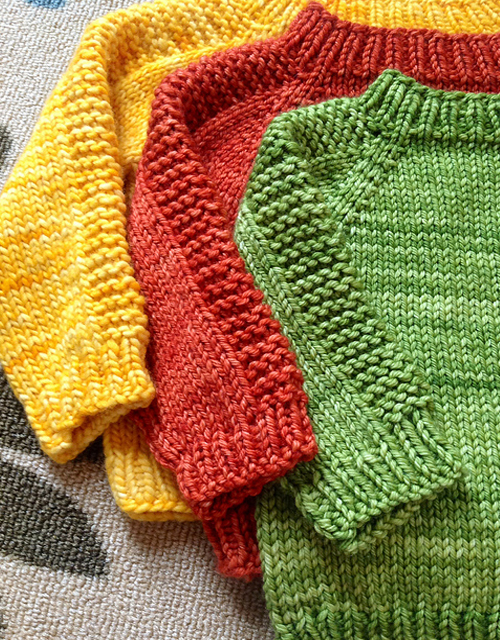
Looking for a classic free baby sweater knitting pattern? The Telemark Pullover by designer Erika Flory is a charming top-down baby sweater with simple construction and beautiful garter-stitch details.

The pattern features a garter stitch collar, front placket, and edging, giving this little pullover a timeless handmade look without making the design overly complicated. The original Telemark Pullover pattern is available as a free download from the designer on Ravelry.

Telemark Pullover Pattern at a Glance

Pattern: Telemark Pullover

Designer: Erika Flory

Craft: Knitting

Category: Baby Pullover / Sweater

Construction: Top-down pullover

Yarn Weight: Sport weight

Gauge: 20 stitches and 28 rows = 4 inches in stockinette stitch

Needle Size: US 5 / 3.75 mm

Yardage: Approximately 309–412 yards (283–377 m)

Free Sizes: 6, 12, and 18 months

Languages: English, German, and Italian

About the Telemark Pullover

The Telemark Pullover is a lovely choice for knitters who enjoy practical baby garments with classic details. It is worked from the top down, which makes it especially appealing for a small sweater project.

One of the prettiest features of the design is the use of garter stitch around the collar, front placket, and edging. These simple textured details give the sweater definition while keeping the overall look clean and traditional.

Because this is a baby pullover, it can also be a manageable project for knitters who want to practice garment construction on a smaller scale before moving on to larger sweaters.

Sizes Included in the Free Pattern

The original free Telemark Pullover pattern includes instructions for:

  • 6 months
  • 12 months
  • 18 months

The finished chest measurements listed by the designer are approximately 19, 20, and 21 inches for the three sizes when worked to the stated gauge.

Yarn and Gauge

The original pattern was designed for sport-weight yarn. The published gauge is:

20 stitches × 28 rows = 4 inches in stockinette stitch

The listed yardage is approximately 309–412 yards (283–377 meters), depending on the size you choose.

Checking your gauge before starting a garment is important because even a small difference in stitch size can noticeably change the finished measurements of a baby sweater.

Needles

The pattern lists US size 5 / 3.75 mm needles. The original pattern information also specifies circular needles for the body and double-pointed needles for working the sleeves in the round.

As always, use the needle size that allows you to obtain the pattern gauge rather than relying only on the suggested needle size.

Why We Like This Baby Sweater Pattern

Telemark has several qualities that make it an appealing baby knitting project: a simple pullover silhouette, top-down construction, subtle textured edging, and useful infant sizing.

The design is classic enough to work in many yarn colors, from soft neutrals and pastels to brighter shades. It would make a beautiful handmade baby gift or a practical addition to a little one's wardrobe.

Is the Telemark Pullover Pattern Free?

Yes. The original Telemark Pullover by Erika Flory is currently offered as a free Ravelry download in sizes 6, 12, and 18 months.

There is also a separate updated pattern called Telemark Pullover 2.0. That version includes a larger size range, from 3 months through 10 years, and is a separate paid pattern.

Get the Free Telemark Pullover Pattern

Amazing Knitting does not reproduce the designer's knitting instructions. Please visit the original pattern page to download the pattern and view the designer's complete instructions.

Get the Free Telemark Pullover Pattern →

Pattern credit: Telemark Pullover was designed by Erika Flory. Pattern availability, pricing, and pattern details are controlled by the designer and may change over time.

Before You Start

Before purchasing yarn, check the designer's original pattern page for the latest pattern information, downloads, updates, and any notes that may have been added since publication.

Penguin Pullover - Free Pattern

Penguin Pullover - Free Pattern
Photo above © Amy Bahrt

Skating Penguin Pullover by Amy Bahrt is a playful children's sweater featuring a colorful penguin motif with a clever surprise: the penguin also hides a practical pocket.

Designed for Cascade Yarns in sizes 2, 4 and 6, this long-sleeved pullover combines classic sweater construction with intarsia colorwork and fun details. Best of all, the original pattern is still available as a free knitting pattern.

✓ Free Pattern Availability

Good news: the original Skating Penguin Pullover by Amy Bahrt is still listed as a free knitting pattern. This guide identifies the original design and provides the key project details before directing knitters to the legitimate pattern source.

Penguin Pullover at a Glance

Official Pattern: Skating Penguin Pullover

Designer: Amy Bahrt

Publisher: Cascade Yarns

First Published: October 2014

Craft: Knitting

Category: Children's Pullover

Sizes: 2, 4 and 6 years

Skill Level: Intermediate

Yarn Weight: Worsted

Needles: US 5 / 3.75 mm and US 7 / 4.5 mm

Gauge: 20 stitches × 24 rows = 4 inches / 10 cm in stockinette stitch

Techniques: Intarsia, colorwork, shaping and seaming

Special Feature: Penguin motif with hidden patch pocket

Availability: Free pattern

About the Skating Penguin Pullover

The Skating Penguin Pullover is a children's sweater designed by Amy Bahrt for Cascade Yarns.

At first glance, the colorful penguin is simply the decorative focus of the sweater. Look more closely, however, and the design reveals one of its most charming features: the penguin incorporates a functional pocket.

That combination of playful design and practical detail makes this much more memorable than a basic children's pullover.

Three Children's Sizes

The pattern includes three sizes:

  • 2 years
  • 4 years
  • 6 years

The published finished chest measurements are approximately:

  • Size 2: 26 inches
  • Size 4: 28 inches
  • Size 6: 30 inches

Finished body lengths are approximately 14½, 15½ and 16½ inches, respectively.

When choosing a size, use the finished measurements in the original pattern rather than relying only on the child's age.

Original Yarn

The original version was designed using Cascade Yarns Sateen Worsted.

It uses several colors to create the sweater, stripes and penguin illustration, including a main blue shade together with white, black, orange and yellow tones.

Because this is an intarsia project, you do not necessarily need a full sweater quantity of every contrast color. Check the original pattern before purchasing yarn for the exact requirements of your chosen size.

Needles and Gauge

The published needle sizes are:

  • US 5 / 3.75 mm
  • US 7 / 4.5 mm

The published gauge is:

20 stitches × 24 rows = 4 inches / 10 cm in stockinette stitch

Always use the needle size that allows you to obtain the required gauge. Gauge is particularly important for a child's sweater because it affects both the fit and the placement of the colorwork design.

The Penguin Motif

The large penguin gives this sweater its personality.

Instead of repeating a small motif around the garment, the design uses a prominent picture motif as the focal point of the front.

Contrasting colors define the penguin and its details against the sweater background.

The original pattern includes the information needed to position and work the colorwork correctly.

A Penguin That Hides a Pocket

The most unusual feature of this sweater is the hidden patch pocket incorporated into the penguin design.

It is a clever detail because the pocket becomes part of the illustration instead of looking like an unrelated addition to the front of the sweater.

For a child, that makes the garment both fun to wear and useful for carrying a tiny toy or other small treasure.

Working the Intarsia

The penguin motif uses intarsia, a colorwork technique particularly suited to large blocks of color.

Rather than carrying every yarn across the entire row, separate sections of yarn are used for the different color areas.

When changing colors, the yarns need to be managed carefully at the boundary so that the sections remain connected without creating holes.

If intarsia is new to you, practicing a small two-color swatch before starting the sweater can make the main project much easier.

Worked Flat and Seamed

The Skating Penguin Pullover is constructed flat in pieces and then seamed.

This traditional construction is useful for an intarsia sweater because the picture motif can be worked back and forth across the front rather than requiring the colorwork to be managed in the round.

Careful seaming at the end helps give the finished pullover a neat, structured shape.

Skill Level

The original pattern is classified as Intermediate.

Useful skills include:

  • Casting on and binding off
  • Knitting and purling
  • Working ribbing
  • Following garment shaping
  • Increasing and decreasing
  • Reading a colorwork chart
  • Working intarsia
  • Managing several yarn colors
  • Making and attaching a patch pocket
  • Seaming sweater pieces
  • Finishing and weaving in ends

Managing Several Colors

Intarsia projects can quickly become tangled if every color is worked directly from a full ball of yarn.

Small yarn bobbins or manageable lengths of contrast yarn can make the different sections easier to control.

Periodically untangling the yarn before it becomes a problem can also make the knitting much more enjoyable.

Check the Chart Placement

Before beginning the penguin section, identify the center of the sweater front and understand where the motif begins relative to your selected size.

With picture knitting, correcting a placement mistake after many rows of colorwork can be time-consuming.

A removable marker near the center of the work can provide a useful visual reference while following the chart.

Choosing Substitute Yarn

If you cannot find the original yarn, choose a substitute based primarily on gauge and fabric characteristics.

For picture knitting, a relatively smooth yarn with good stitch definition can help the edges of the penguin motif appear crisp.

Also consider washability and durability because this is a garment intended for children.

Color Ideas

You do not have to reproduce the original color palette exactly.

The penguin naturally benefits from strong contrast between black, white and the sweater background, but the main sweater color could be changed considerably.

Navy, turquoise, red, green, grey or a softer winter blue could all give the same design a different personality while preserving the recognizable penguin motif.

Is Penguin Pullover Still Free?

Yes. Skating Penguin Pullover by Amy Bahrt is still listed as a free knitting pattern.

Ravelry continues to identify the design as free, and a free downloadable version is also listed through established knitting-pattern retailers.

Amazing Knitting does not reproduce Amy Bahrt's copyrighted chart or complete row-by-row instructions. Instead, this page provides an independent project guide and directs knitters to the legitimate pattern listing.

Get the Free Penguin Pullover Pattern

Ravelry provides the pattern record and identifies the original free Cascade Yarns pattern.

Get the Free Penguin Pullover Pattern →

More Free Children's Sweaters

If you enjoy playful picture sweaters like the Penguin Pullover, continue exploring the Amazing Knitting archive for more free children's knitting patterns.

Explore Free Children's Sweater Patterns →

You can also browse animal sweaters, intarsia sweaters, and free pullover patterns.

Before You Start

Select the correct size and make a stockinette gauge swatch before beginning. Then review the penguin chart and identify where the intarsia section begins for your chosen size.

Organize the contrast yarns before reaching the colorwork section and read through the pocket construction in advance so you understand how this clever detail becomes part of the finished penguin.

Pattern credit: Skating Penguin Pullover was designed by Amy Bahrt for Cascade Yarns. The existing photograph on this Amazing Knitting page is credited to Amy Bahrt. Amazing Knitting does not reproduce the designer's copyrighted chart or complete row-by-row knitting instructions.

September Sweater - Free Nordic Knitting Pattern

September Sweater - Free Knitting Pattern
Photo above © Lisa Clarke

September Sweater / DROPS 150-15 is a classic Nordic-style knitted pullover featuring a patterned round yoke and comfortable everyday shape.

Designed by DROPS Design, the sweater combines traditional stranded colorwork with a practical wool-and-alpaca yarn, creating a warm garment with a timeless Scandinavian look.

The pattern includes a generous adult size range from S through XXXL, making it a useful choice for knitters looking for a traditional round-yoke sweater.

Best of all, the complete September Sweater knitting pattern is still officially available for free from DROPS Design.

✓ Free Official Pattern Available

September Sweater / DROPS 150-15 remains available as a complete free knitting pattern from DROPS Design. The official page includes the current written instructions, diagrams and sizing information.

September Sweater at a Glance

Pattern: September Sweater

Pattern Number: DROPS 150-15

Designer: DROPS Design

Project: Women's Nordic Pullover

Construction: Round yoke

Sizes: S - M - L - XL - XXL - XXXL

Original Yarn: DROPS Lima

Technique: Nordic stranded colorwork

Availability: Free official DROPS pattern

About the September Sweater

September Sweater is a traditional round-yoke pullover with Nordic colorwork concentrated around the upper body.

The design uses contrasting colors to create the recognizable geometric motifs associated with Scandinavian-style knitting while keeping the remainder of the sweater comparatively simple.

This balance makes the patterned yoke the visual focus of the finished garment.

A Classic Nordic Round Yoke

Round-yoke sweaters are popular because the patterned section flows continuously around the shoulders rather than being interrupted by conventional shoulder seams.

In September Sweater, shaping and colorwork work together to create the characteristic circular upper section.

Once the patterned yoke is complete, the simpler areas allow the Nordic motifs to stand out clearly.

Sizes Included

The official DROPS pattern includes:

S - M - L - XL - XXL - XXXL

Always select your size using the measurements provided in the current official pattern rather than relying only on your usual ready-to-wear clothing size.

Original Yarn: DROPS Lima

The sweater was designed for DROPS Lima.

Lima is a wool-and-alpaca yarn that works particularly well for warm garments and traditional colorwork.

The yarn gives the sweater warmth while allowing the contrasting Nordic motifs to remain clearly defined.

Can You Substitute the Yarn?

Yes, but gauge and fabric characteristics should guide your choice.

For a colorwork sweater, a successful substitute should:

  • Match the required gauge after washing
  • Provide clear stitch definition
  • Have enough body for the patterned yoke
  • Be comfortable for a warm pullover
  • Offer enough contrast between motif colors

DROPS also provides yarn-substitution information on the official pattern page.

Choose Colors with Enough Contrast

Color selection is particularly important in Nordic knitting.

If the two shades are too similar in value, the motifs may disappear even if the individual colors look beautiful separately.

Before beginning the yoke, place your yarns next to each other and check whether the motif color is clearly distinguishable from the background.

Try the Black-and-White Photo Test

A useful way to evaluate color contrast is to photograph the yarns together and view the image in grayscale.

If the shades remain easy to distinguish without color, they are more likely to produce clearly visible motifs in the finished sweater.

Working Stranded Colorwork

The patterned yoke requires working with more than one color.

The unused yarn travels behind the active stitches as a float while the other color is being knitted.

The goal is to keep those floats relaxed enough that the finished fabric remains flexible.

Avoid Tight Floats

One of the most common problems in stranded knitting is pulling the unused yarn too tightly behind the work.

Tight floats can cause the yoke to pucker and can reduce the finished circumference.

Spread recently worked stitches along the right needle before changing colors. This helps provide enough yarn for the float to span naturally across the back of the fabric.

Keep Your Colorwork Tension Consistent

Your stockinette gauge and colorwork gauge may not automatically match.

Some knitters tighten their stitches when working with two colors, while others produce a looser fabric.

For that reason, a colorwork swatch is more informative than testing only plain stockinette.

Swatch Before Starting

A sweater represents a substantial investment of yarn and knitting time.

Make a swatch using the yarn combination you intend to use and wash it according to the yarn-care instructions before taking final measurements.

If possible, include some stranded colorwork in your swatch so you can evaluate both gauge and color contrast.

Reading the Nordic Chart

The official DROPS pattern provides diagrams for the patterned sections.

Each square represents a stitch, and the chart shows where the contrasting colors are used.

Place markers between repeats if that helps you notice mistakes before they travel too far around the yoke.

Do Not Copy Charts from Other Websites

Always use the current diagrams on the official DROPS page.

Images reposted on Pinterest, social media or old pattern collections can be incomplete, resized or separated from important written instructions.

The official source is the best place to check both the chart and the accompanying directions.

Working the Body

Much of the body provides a calmer visual background for the decorative yoke.

This makes it a useful section for settling into an even knitting rhythm after the more concentration-intensive colorwork.

Continue checking the garment dimensions as you work rather than relying entirely on row counting.

Working the Sleeves

The sleeves continue the classic pullover silhouette and require careful attention to shaping.

If you are adjusting sleeve length, remember that changes can also alter the amount of yarn required.

Try the Sweater On During Knitting

Whenever the construction allows, checking the sweater against the wearer can help you evaluate body and sleeve length.

This is particularly useful if your row gauge differs slightly from the designer's gauge.

Skills Used in September Sweater

This project can help you practice:

  • Knitting a garment
  • Working in the round
  • Reading colorwork charts
  • Stranded knitting
  • Managing yarn floats
  • Round-yoke shaping
  • Increasing and decreasing
  • Working ribbed edges
  • Blocking colorwork

Is September Sweater Beginner Friendly?

If this is your first knitting project ever, a simpler scarf, hat or plain sweater will probably be easier.

However, knitters who are already comfortable with knit and purl stitches and knitting in the round may find a Nordic yoke sweater an excellent introduction to stranded colorwork.

The key new skill is maintaining relaxed, even tension while following the color chart.

A Good First Colorwork Sweater?

A round-yoke sweater can be an attractive first larger colorwork project because the decorative knitting is concentrated into defined sections.

Work slowly through the chart, use markers between repeats, and check the fabric regularly for puckering.

Correcting a colorwork mistake is much easier when you notice it within the same round.

Blocking Is Especially Important

Freshly knitted stranded colorwork can look slightly uneven.

Proper wet blocking often helps the stitches relax and allows the motif to settle into a smoother fabric.

Follow the washing instructions for your chosen yarn and avoid stretching the sweater beyond its intended measurements.

Check the Yoke After Blocking

The finished yoke should lie comfortably around the shoulders without severe puckering or excessive loose fabric.

This is one reason both gauge and float tension matter before you reach the finishing stage.

Why This Design Still Works

Nordic sweaters have a long-lasting visual appeal because the decorative motifs provide interest without depending heavily on short-lived fashion details.

September Sweater combines that traditional character with a practical everyday pullover shape.

Important: There Is Another Famous September Sweater

Same Name, Different Pattern

PetiteKnit also publishes a very popular design called September Sweater. It is a different sweater first published in 2019 and uses brioche stitch. The pattern featured on this Amazing Knitting page is the older Nordic September Sweater / DROPS 150-15. Do not mix the yarn, gauge, sizing or instructions from the two designs.

Is September Sweater Still Free?

Yes.

DROPS Design continues to publish September Sweater / DROPS 150-15 as a complete free knitting pattern.

The official page contains the current sizing, materials, diagrams and knitting instructions in multiple languages.

Amazing Knitting does not reproduce the complete copyrighted row-by-row directions or charts. Use the official DROPS page for the full pattern.

Get the Free September Sweater Pattern

Visit DROPS Design for the complete official pattern, diagrams and instructions:

Get the Free September Sweater Pattern →

More Free Sweater Patterns on Amazing Knitting

Explore More Nordic Knitting

Before You Cast On

Begin by choosing your size from the official DROPS measurements and making a gauge swatch with your intended yarn.

Check the contrast between your colors before committing to the full yoke, and practice keeping your floats relaxed if stranded knitting is new to you.

Most importantly, keep the official DROPS pattern open while you work so you are following the current diagrams and instructions rather than an incomplete copy from another website.

Pattern credit: September Sweater / DROPS 150-15 is a DROPS Design pattern. Amazing Knitting provides an independent project guide and does not reproduce the complete copyrighted pattern instructions or charts. Please retain the existing photograph and its original credit from the previous Amazing Knitting page.

Pondemonium Baby Sweater - Free Knitting Pattern

Pondemonium - Free Pattern
Photos above © KBledsoe

Pondemonium by Jennifer Small is a wonderfully playful Fair Isle sweater for babies and toddlers, filled with colorful pond creatures and whimsical details.

Ducks, frogs, bugs and snakes appear around the sweater among rows of lily pads, making this a memorable colorwork project for a little one. The original pattern is still available free from the designer.

✓ Free Pattern Available

Pondemonium was originally hosted by Jimmy Beans Wool. After that version disappeared, designer Jennifer Small made the pattern available again as a free PDF through her Blue Canary Creations pattern store.

Pondemonium at a Glance

Pattern: Pondemonium

Designer: Jennifer Small

Original Publisher: Jimmy Beans Wool

Craft: Knitting

Project: Baby / Toddler Pullover

Style: Fair Isle / Stranded Colorwork

Sizes: 6, 12 and 18 months

Availability: Free PDF from the designer

A Pond Full of Colorwork

Pondemonium is much more than a basic children's pullover. Its personality comes from the colorful pond scene worked around the sweater.

The design features familiar little pond creatures including ducks, frogs, bugs and snakes, separated by rows of lily pads.

One of the especially fun finishing details is the use of lily-pad elbow patches, which continue the pond theme onto the sleeves.

Inspired by “The Little White Duck”

The sweater was inspired by the children's song The Little White Duck.

That inspiration explains the collection of creatures appearing across the colorwork and gives the sweater the feel of a small illustrated story knitted into a garment.

Baby and Toddler Sizes

The original pattern includes three sizes:

  • 6 months
  • 12 months
  • 18 months

Because children's measurements vary, check the measurements in the designer's pattern rather than choosing a size by age alone.

About the Colorwork

Pondemonium uses Fair Isle / stranded colorwork to create its decorative motifs.

If you are relatively new to stranded knitting, work slowly and avoid pulling the unused yarn too tightly across the back of the work. Relaxed floats help the finished fabric lie smoothly.

A small colorwork swatch can also help you check your tension before beginning the sweater.

A Little History of the Pattern

Pondemonium has been around for many years. It was selected as the Jimmy Beans Wool Free Pattern Contest winner for May 2007.

The original Jimmy Beans Wool version was eventually removed from its website.

Fortunately, Jennifer Small later made a PDF of the pattern available herself, so knitters can still obtain the design from the designer's current pattern store.

Is Pondemonium Still Free?

Yes. The current Blue Canary Creations listing identifies Pondemonium as a free knitting pattern.

This is a particularly good example of why we verify older Amazing Knitting links: although the original publisher stopped hosting the pattern, the designer preserved legitimate free access to it.

Get the Free Pondemonium Pattern

Visit Jennifer Small's Blue Canary Creations pattern store on Ravelry for the current free pattern:

Get the Free Pondemonium Pattern →

More Baby Knitting Patterns

Pattern credit: Pondemonium was designed by Jennifer Small and originally published through Jimmy Beans Wool. The pattern is currently offered free by the designer through Blue Canary Creations. Amazing Knitting provides this independent project guide and does not reproduce the designer's complete pattern instructions.

Boy Sweater - Knitting Pattern

Boy Sweater - Knitting Pattern
Photos above © milainemicoton

Looking for a stylish boy sweater knitting pattern with practical cold-weather details? Boy Sweater by Lisa Chemery is a seamless top-down pullover for babies and children, featuring a cozy shawl collar, buttoned neck opening, raglan shaping, and textured stitch details.

The close-fitting design is intended to sit comfortably under a jacket, while the shawl collar provides extra warmth around the neck — especially useful for children who do not enjoy wearing scarves.

Boy Sweater at a Glance

Pattern: Boy Sweater

Designer: Lisa Chemery

Craft: Knitting

Category: Baby & Child Pullover

Construction: Top-down and seamless

Yarn Weight: Worsted / DK

Needles: US 6 / 4.0 mm and US 8 / 5.0 mm

Main Gauge: 20 stitches × 30 rounds = 4 inches / 10 cm in stockinette

Yardage: Approximately 275–700 yards / 251–640 m

Sizes: 3 months to 8 years

Languages: English and French

Pattern Availability: Paid pattern

About the Boy Sweater

Designed by Lisa Chemery, Boy Sweater combines the practicality of a children's pullover with several details that give it a more polished look.

The most recognizable feature is the shawl collar, which wraps softly around the neck and is paired with a small buttoned opening.

Textured knitting and twisted-rib details add visual interest without turning the sweater into a heavily decorated garment, making the design suitable for both boys and girls.

Seamless Top-Down Construction

The sweater is knitted seamlessly from the top down. The upper section begins flat, after which stitches are added for the neck placket and the body continues in the round.

The sleeves are also worked in the round, reducing the amount of garment seaming required at the end.

Top-down construction has another practical advantage: it allows knitters to see the garment taking shape from the neckline toward the hem.

The Shawl Collar

The shawl collar is one of the defining features of this sweater. After the body is completed, stitches are picked up around the neckline and the collar is worked flat.

Short rows are used to create the characteristic shawl shape, and the lower edges of the collar are then attached to the sweater body.

Besides giving the sweater its classic appearance, the collar provides extra knitted fabric around the child's neck without requiring a separate scarf.

Baby and Child Sizes

The current pattern includes a particularly useful range of sizes:

  • 3 months
  • 6 months
  • 12 months
  • 18 months
  • 2 years
  • 4 years
  • 6 years
  • 8 years

The designer provides finished garment measurements as well as intended chest measurements, so check the original pattern carefully when deciding which size to knit.

Yarn Requirements

Boy Sweater is designed for approximately:

275–700 yards / 251–640 meters

The exact amount depends on size. The designer recommends a worsted-to-DK-weight merino or merino-blend yarn.

Suggested yarns listed with the pattern include Malabrigo Rios and several DK and worsted options.

Needles and Gauge

The pattern uses two main needle sizes:

  • US 6 / 4.0 mm
  • US 8 / 5.0 mm

The published stockinette gauge after blocking is:

20 stitches × 30 rounds = 4 inches / 10 cm

The textured portion has a separate row gauge, so use the designer's current pattern instructions when swatching and selecting needle sizes.

Knitting Skills Used

This project involves more than basic stockinette knitting. Techniques used in the design include:

  • Knitting and purling
  • Increasing and decreasing
  • Top-down raglan construction
  • Knitting in the round
  • Picking up stitches
  • Short rows
  • Twisted stitches
  • Textured stitch patterns
  • Buttonholes and finishing

The combination makes Boy Sweater an interesting project for knitters who already understand the basics and want to develop their garment-knitting skills.

Is the Boy Sweater Pattern Free?

No. Boy Sweater by Lisa Chemery is currently a paid knitting pattern.

The pattern is sold through the designer's Ravelry listing. Amazing Knitting does not reproduce the designer's copyrighted instructions.

Visit the original listing below for the current price, complete sizing, materials, and purchase information.

View the Original Boy Sweater Pattern →

Pattern credit: Boy Sweater was designed by Lisa Chemery. Pattern pricing, availability, sizing, and technical information are controlled by the designer and may change over time.

Prefer a Free Alternative?

If you love the cozy shawl-collar style but would prefer a free knitting pattern, Amazing Knitting has a similar baby and child project in our archive.

Double Breasted Jacket with Shawl Collar — Free Knitting Pattern

This is a different design — not a free copy of Boy Sweater — but it offers a similar cozy shawl-collar look for babies and children and is available as a free knitting pattern.

View the Free Shawl Collar Pattern →

You can also browse our free baby sweater patterns for more no-cost options.

More Baby and Child Sweaters

Explore more boy sweater knitting patterns, baby sweater knitting patterns, and children's sweater knitting patterns from the Amazing Knitting archive.

Before You Start

If you choose the original Boy Sweater, check Lisa Chemery's current Ravelry listing before purchasing yarn. Confirm your chosen size, yarn requirement, needle sizes, gauge, notions, and any current pattern updates before casting on.

Silk Gray Sweater - Free Knitting Pattern

Silk Gray - Free Pattern
Photo above © Gralina

Silk Gray by Gralina Frie is a relaxed knitted pullover designed around a simple silhouette, wide neckline and understated ribbed details.

The original sweater was knitted in a bourette silk-blend yarn, producing an airy fabric with a softly textured, slightly tweedy appearance.

Its uncomplicated shape makes Silk Gray especially appealing if you like casual sweaters that can be layered over a tank top, T-shirt or lightweight dress.

Best of all, Silk Gray is still officially available as a free knitting pattern from designer Gralina Frie on Ravelry.

✓ Free Pattern Available

Silk Gray by Gralina Frie remains listed as a free Ravelry download. Use the designer's current pattern page linked below for the complete original instructions.

Silk Gray Sweater at a Glance

Pattern: Silk Gray

Designer: Gralina Frie

Published: May 2013

Category: Pullover

Original Yarn: BC Garn Granite

Yarn Weight: Sport

Approx. Yardage: 1000 yd / 914 m

Gauge: 21 sts × 27 rows = 4 in in stockinette

Needles: 3 mm / US 2½ and 4 mm / US 6

Published Size: One size

Suggested Fit Range: Approx. 36–40 in

Availability: Free Ravelry download

About the Silk Gray Sweater

Silk Gray is designed as a relaxed everyday sweater rather than a heavily fitted garment.

Its appeal comes from the combination of a simple stockinette body, understated ribbed edges and the distinctive character of the original silk-blend yarn.

The wide neckline gives the sweater an easy layering shape, while the relatively simple surface lets the yarn provide much of the visual interest.

The Original Yarn

Gralina Frie's original sample was knitted with BC Garn Granite.

The designer used approximately:

4 skeins / 200 g

with an approximate total requirement of:

900 m / 1000 yd

The original light-gray yarn contributes significantly to the soft, understated appearance of the sweater.

What Makes the Yarn Interesting?

The original design uses a bourette silk-blend yarn.

Bourette or noil-style silk can have a more textured, matte and slightly rustic appearance than the perfectly smooth, glossy silk many knitters first imagine.

That subtle texture works particularly well with a simple stockinette garment because the yarn itself becomes part of the design.

Can You Substitute the Yarn?

Yes.

The designer specifically notes that the original yarn can be replaced with a suitable silk/wool or silk/merino blend that produces an even but airy fabric at the required gauge.

When substituting, concentrate on:

  • Matching gauge
  • Creating a lightweight fabric
  • Choosing yarn with comfortable drape
  • Checking the fiber against your skin
  • Buying enough total meterage or yardage

Gauge

The published stockinette gauge is:

21 stitches × 27 rows = 4 inches / 10 cm

Gauge is particularly important here because the original pattern is written as one size and the amount of ease changes depending on the wearer's measurements.

Needle Sizes

The original pattern specifies:

  • 3 mm / US 2½ for the ribbing
  • 4 mm / US 6 for the main body

These are starting points. Use the needle size that allows you to obtain the published gauge with your chosen yarn.

Why Two Needle Sizes?

Using a smaller needle for ribbing helps the edge look neat and gives it a little more structure.

The larger needle used for the main fabric allows the stockinette section to remain lighter and more relaxed.

This contrast is especially useful in a sweater designed to have an airy rather than dense fabric.

One-Size Pattern

Silk Gray is published in one size.

The designer describes it as suitable for approximately 36–40 inch sizing, depending on the amount of ease you prefer.

On a smaller wearer it will appear more oversized, while toward the upper end of the suggested range it will have a closer fit.

Fit Note

Because this is an older one-size design rather than a modern extensively graded sweater pattern, compare your measurements with the designer's published information before choosing the project.

The Wide Neckline

One of the recognizable features of Silk Gray is its wide, flattering neckline.

A small ribbed detail finishes the neck without creating a heavy collar.

The result suits the casual layering character of the sweater and allows a shirt, tank or dress neckline underneath to remain visible.

1×1 Rib Details

Small sections of 1×1 ribbing are used around the edges.

Alternating knit and purl stitches creates an elastic edge while providing a subtle visual contrast with the stockinette body.

Keep the ribbing tension even, particularly around the neckline.

An Optional Open Side Detail

In the designer's original version, the lower ribbing is left open at the sides.

Gralina Frie notes that this feature is optional.

That makes it possible to preserve the original split-edge appearance or adapt the finishing according to your preference while following the designer's instructions.

Why Swatching Matters with Silk Blends

Different silk blends can behave very differently.

Some have substantial drape, while others contain enough wool to provide more bounce and structure.

Knit a reasonably large swatch and wash it in the same way you intend to care for the finished sweater.

Measure gauge only after the fabric has relaxed and dried.

Check Drape as Well as Gauge

Two yarns can produce the same number of stitches per inch while creating very different sweaters.

One may feel firm and structured while another falls softly against the body.

For Silk Gray, aim for the light, relaxed character intended by the designer rather than matching the gauge with an excessively rigid fabric.

Stockinette Makes Yarn Choice Important

The simple main fabric means there is little lace or cable work competing with the yarn.

This makes Silk Gray a useful project for a yarn with subtle texture, tweedy flecks or gentle natural variation.

A very smooth yarn will create a cleaner appearance, while a rustic silk blend can move the finished sweater closer to the character of the original sample.

Is Silk Gray Beginner Friendly?

The designer describes Silk Gray as an uncomplicated sweater, and the simple stockinette-and-rib combination makes it approachable compared with heavily patterned garments.

However, it is still a sweater project.

You should be comfortable with:

  • Knitting and purling
  • Stockinette stitch
  • 1×1 ribbing
  • Reading garment instructions
  • Checking gauge
  • Basic shaping
  • Finishing a garment

An adventurous beginner who has already completed a few smaller projects may find the straightforward design a useful first step into adult sweater knitting.

Choose Your Ease Before Starting

Because the pattern is written in one size, think about the silhouette you want before investing in yarn.

If you prefer an oversized sweater, compare your bust measurement with the finished dimensions and the designer's suggested fit range.

If you prefer a closer-fitting garment, make sure the resulting amount of ease will still allow comfortable movement.

Layering Ideas

The designer specifically presents Silk Gray as an easy casual layering piece.

Depending on yarn and season, it can be worn over:

  • A simple tank top
  • A T-shirt
  • A lightweight summer dress
  • A long-sleeved base layer in cooler weather

Blocking the Finished Sweater

Blocking is particularly useful when the project contains silk.

Follow the care instructions for your specific yarn and avoid assuming that every silk blend should be treated identically.

Support the weight of the wet garment carefully so it does not stretch unexpectedly.

Lay it out to the intended dimensions and allow it to dry completely.

Important: Don't Confuse It with Another Silk Gray Pattern

Same Name, Different Pattern

A separate knitting pattern called Silk gray was published by Irina Gorbacheva in 2021. That is a different sweater with different yarn, gauge, needles and sizing. The Amazing Knitting page featured here refers to the earlier Silk Gray by Gralina Frie, first published in 2013.

Is Silk Gray Still Free?

Yes.

Gralina Frie's current Ravelry pattern store continues to list Silk Gray as a free knitting pattern.

The pattern record also identifies the design as a pullover first published in May 2013.

Amazing Knitting does not reproduce the designer's complete copyrighted knitting instructions. Use the official designer listing for the full pattern.

Get the Free Silk Gray Pattern

Visit Gralina Frie's official Ravelry listing for the complete free pattern:

Get the Free Silk Gray Pattern →

More Free Sweater Patterns on Amazing Knitting

Explore More Sweater Knitting

Before You Cast On

Start by checking whether the one-size fit works for the silhouette you want.

Then make a generous stockinette swatch, wash it, confirm the 21-stitch × 27-row gauge, and evaluate the drape of your chosen yarn.

A successful substitute does not need to duplicate the original yarn exactly, but it should create the light, comfortable and relaxed fabric that gives Silk Gray its distinctive character.

Pattern credit: Silk Gray was designed by Gralina Frie and first published in 2013. Amazing Knitting provides an independent project guide and does not reproduce the designer's complete copyrighted knitting instructions. Please retain the existing photograph and its original credit from the previous Amazing Knitting page.

Driftwood Sweater – Free Knitting Pattern

Driftwood sweater free knitting pattern by Isabell Kraemer

Driftwood by Isabell Kraemer is a relaxed, seamless pullover worked from the top down. Its casual shape, simple stockinette fabric and distinctive neckline make it an appealing sweater project for everyday wear.

The sweater shown here was knitted by Atelier de Soyun, who described Driftwood as an easy, comfortable and highly wearable project. Although the featured version is worked in a solid color, the original design also works beautifully with stripes.

Best of all, the original Driftwood knitting pattern is still available as a free download from designer Isabell Kraemer.

Pattern: Driftwood by Isabell Kraemer. Featured project/photo: Atelier de Soyun.

Driftwood Sweater Pattern Overview

  • Pattern: Driftwood
  • Designer: Isabell Kraemer
  • Published: June 2012
  • Category: Adult pullover
  • Construction: Seamless, top down
  • Sleeve construction: Contiguous set-in sleeves
  • Yarn weight: Worsted
  • Suggested yarn: Lang Yarns Georgia
  • Needles: 4 mm and 4.5 mm
  • Gauge: 19 stitches and 26.5 rows = 10 cm / 4 inches
  • Sizes: XS, S, M, L, XL
  • Yardage: Approximately 1083–1509 yards / 990–1380 m
  • Pattern availability: Free

About the Driftwood Sweater

Driftwood is designed as a casual everyday pullover with a comfortable amount of positive ease.

One of its most interesting features is the neckline. The partial front opening and button detail give the sweater more character than a basic crew-neck pullover while keeping the overall design relaxed and wearable.

The original design also lends itself naturally to stripes, although a solid color—like the featured Atelier de Soyun project—creates a clean, minimal appearance.

Seamless Top-Down Construction

Driftwood is worked seamlessly from the top down.

Instead of knitting separate front, back and sleeve pieces and sewing them together at the end, the garment develops from the neckline downward.

The pattern features the contiguous set-in sleeve method developed by Susie Myers. This construction creates the appearance of set-in sleeves while allowing the sweater to be worked seamlessly from the top.

Sizes and Finished Bust

The original pattern is available in five sizes: XS, S, M, L and XL.

Approximate finished bust measurements are:

  • XS: 33 in / 84 cm
  • S: 35 in / 90 cm
  • M: 39 in / 100 cm
  • L: 43 in / 109 cm
  • XL: 46 in / 118 cm

The sweater is intended to be worn with approximately 1–2 inches of positive ease, so consider both your actual bust measurement and the amount of ease you prefer when choosing a size.

Yarn

The original Driftwood pattern suggests Lang Yarns Georgia, a worsted-weight yarn.

The documented yarn requirement is approximately 990–1380 meters / 1083–1509 yards, depending on size.

If you substitute another yarn, choose one capable of producing the required gauge and a fabric suitable for an everyday pullover.

Solid Color or Stripes?

Driftwood is especially versatile because the basic sweater shape works in both striped and solid-color versions.

Stripes emphasize the casual character of the original design, while a single color draws more attention to the neckline and overall sweater silhouette.

The featured Atelier de Soyun version demonstrates how different the same pattern can look when knitted entirely in one color.

Needles

The published pattern information lists:

  • US 6 / 4 mm needles
  • US 7 / 4.5 mm needles

Needle size is always a starting point. Use the size that allows you to obtain the designer's required gauge.

Gauge

The original gauge is:

19 stitches and 26.5 rows = 4 inches / 10 cm in stockinette stitch.

Checking gauge is particularly important for a sweater because even a small difference across several inches can substantially change the finished bust measurement.

The Henley-Style Neckline

One of Driftwood's recognizable details is its partially opening neckline with button fastening.

This breaks up the simplicity of the stockinette body and gives the sweater a casual, slightly nautical character that works particularly well with the striped version.

The neckline also introduces useful garment-knitting skills beyond those found in a very basic pullover.

Useful Skills for Driftwood

Knitters preparing to make this sweater will benefit from being comfortable with:

  • Casting on and binding off
  • Knitting and purling
  • Stockinette stitch
  • Working in the round
  • Top-down garment construction
  • Increasing and decreasing
  • Working buttonholes
  • Working sleeves in a small circumference
  • Following garment sizing instructions
  • Weaving in ends and finishing

Why Top-Down Sweaters Are Useful

Top-down sweater construction has several practical advantages. The garment develops from the neckline downward, making its overall shape easier to visualize as you knit.

Because Driftwood is seamless, there is also much less finishing than with a traditional sweater made from separately knitted pieces.

For knitters moving from accessories into garments, a straightforward stockinette sweater can also provide useful experience with sizing, gauge, sleeves and garment shaping.

Tips Before You Cast On

Make a gauge swatch. A sweater is a significant investment of both yarn and knitting time, so checking gauge before beginning is worthwhile.

Choose your size using the finished measurements. Remember that Driftwood is designed with positive ease.

Decide on stripes before buying yarn. Yarn requirements for a multi-color version need to be divided between the chosen colors.

Read through the neckline and sleeve construction first. These are the areas that may be less familiar if this is one of your first seamless sweaters.

Why Driftwood Is Worth Knitting

Driftwood combines several interesting garment techniques with a sweater that remains practical enough for everyday wear.

The seamless top-down construction minimizes finishing, while the contiguous sleeves and distinctive neckline make the project more interesting than a basic stockinette pullover.

Its ability to work equally well in stripes or a solid color also gives knitters plenty of freedom to personalize the finished sweater.

Get the Free Driftwood Knitting Pattern

The complete Driftwood pattern is currently available as a free download from designer Isabell Kraemer's Ravelry store.

Get the Free Driftwood Pattern →

Pattern Availability

Amazing Knitting links readers to legitimate designer or publisher sources whenever possible. Pattern prices, download locations and availability can change after an article is published.

Read Our Pattern Availability Policy →

Amazing Knitting is an independent pattern discovery and project-guide site. Driftwood and its original knitting instructions remain the intellectual property of Isabell Kraemer. The featured project is credited to Atelier de Soyun. This guide does not reproduce the complete pattern instructions.

Free Knitting Pattern: Classic Sage Telemark Baby Pullover with Collar

This beautiful sage-green baby sweater is a finished version of the Telemark Pullover by Erika Flory, a classic free baby sweater knitting pattern with a simple top-down construction and charming garter-stitch details.

The soft green color gives the design a timeless look, while the distinctive collar and front placket add just enough detail to make this little pullover feel special without becoming overly complicated.

About This Baby Pullover

The sweater shown here is based on the Telemark Pullover, designed by Erika Flory. It is an easy top-down baby pullover with raglan sleeves, a garter-stitch collar, front placket, and matching edging.

The original free pattern includes sizes for approximately 6, 12, and 18 months, making it a lovely project for babies and young toddlers.

Why We Love the Sage Version

One of the pleasures of a simple sweater pattern is seeing how much the finished look can change with a different yarn color.

This muted sage green gives Telemark a soft, modern feel while still complementing the traditional shape of the collar and placket. Neutral and nature-inspired shades also make this an easy baby sweater to pair with other handmade accessories.

Telemark Pullover at a Glance

Pattern: Telemark Pullover

Designer: Erika Flory

Craft: Knitting

Category: Baby Pullover

Construction: Top-down, seamless raglan

Yarn Weight: Sport / 5 ply

Gauge: 20 stitches and 28 rows = 4 inches

Needle Size: US 5 / 3.75 mm

Sizes: 6, 12 and 18 months

Pattern Availability: Free

See Our Complete Telemark Pullover Guide

We have already created a complete Amazing Knitting guide to this pattern, including sizing, yarn, gauge, needles, construction details, and a link to the designer's original free pattern.

View the Complete Telemark Pullover Guide →

The complete knitting instructions remain the work of designer Erika Flory. Amazing Knitting does not reproduce the designer's pattern instructions.

More Baby Sweater Inspiration

You can also explore more baby sweater knitting patterns and baby pullover knitting patterns from the Amazing Knitting archive.

Oydis Sweater – A-Line Cable Pullover Knitting Pattern

Oydis Sweater A-line cable pullover knitting pattern by Linda Marveng

Oydis Sweater. Photo © Eivind Røhne

Oydis Sweater by Norwegian knitwear designer Linda Marveng is a striking A-line pullover featuring a dramatic Shadow Diamond Cable, a flattering curved hem and elegant I-cord finishing.

The pattern is available in six sizes from XS through 2XL. The body is worked flat while the sleeves are knitted in the round, combining traditional sweater construction with distinctive cable and finishing details.

Oydis Sweater Pattern Details

  • Designer: Linda Marveng
  • Published: March 2016
  • Craft: Knitting
  • Category: Women's pullover / sweater
  • Pattern availability: Paid digital pattern
  • Sizes: XS, S, M, L, XL and 2XL
  • Finished bust: 33–49.5 inches (84–126 cm)
  • Finished hip: 38.5–55 inches (98–140 cm)
  • Needles: US 6 (4 mm)
  • Gauge: 20 stitches × 30 rows = 4 inches (10 cm) in stockinette stitch
  • Construction: Body worked flat; sleeves worked in the round
  • Shape: A-line with positive ease
  • Neckline: Round / crew neck
  • Features: Shadow Diamond Cable, curved hem, I-cord edging and garter-stitch details

A Striking Shadow Diamond Cable Sweater

The focal point of Oydis is the large Shadow Diamond Cable.

Rather than covering the entire sweater with small cable repeats, Linda Marveng uses a dominant central cable motif to give the design a strong architectural appearance.

The cable is balanced by areas of simpler fabric, allowing its shape and texture to remain the visual focus of the sweater.

A-Line Shape With a Curved Hem

Oydis has a gentle A-line silhouette, with more room around the hips than the bust.

The lower edge is curved rather than perfectly straight. This shaping gives the sweater a distinctive drape and helps emphasize its longer silhouette.

The finished hip measurements range from approximately 38.5 to 55 inches, depending on size.

Six Sizes From XS to 2XL

The pattern includes six sizes: XS (S, M, L, XL, 2XL).

Finished bust measurements are approximately 33 (35.5, 37.75, 41.75, 45.75, 49.5) inches.

Finished hip measurements are approximately 38.5 (41, 43.25, 47.25, 51.25, 55) inches.

The finished sweater length ranges from approximately 29.25 to 31 inches.

Body Worked Flat

Unlike many modern sweaters that are constructed entirely in the round, the body of Oydis is worked flat.

Garter stitches form edging along the sides, while the central cable provides the main decorative feature.

This construction ultimately requires assembly, so knitters should be comfortable with finishing and seaming as well as cable knitting.

Sleeves Worked in the Round

The sleeves use a different construction from the body and are worked in the round.

Linda Marveng's original method begins the sleeve with an I-cord and then picks up stitches from that cord.

The designer also provides an alternative approach: use a provisional cast-on and later finish with an I-cord bind-off similar to the body.

I-Cord Finishing

I-cord is an important design element in Oydis rather than simply a hidden finishing technique.

The neat rounded bands frame the lower edge and complement the clean lines of the sweater.

Together with the garter-stitch side details and neckline, the I-cord gives the garment a polished finish around the more dramatic cable motif.

Round Garter-Stitch Neckline

The sweater has a simple round neckline finished with a narrow garter-stitch band.

Keeping the neckline relatively understated prevents it from competing with the large Shadow Diamond Cable on the body.

Two Yarns Held Together

The original Oydis sample combines one strand of fine merino tweed with one strand of alpaca lace yarn throughout the project.

Linda Marveng chose this combination to produce a fabric with strong stitch definition and a subtle halo.

This is particularly effective for the large cable motif because the tweed contributes texture while the alpaca softens the overall fabric.

Original Yarn Combination

The original sweater combines:

  • Du Store Alpakka Dreamline Soul – a lace-weight alpaca blend
  • Pickles Merino Tweed – a fine merino tweed yarn

One strand of each yarn is held together throughout the sweater.

Depending on size, the pattern lists approximately 1,215–2,481 yards (1,111–2,269 m) for each of the two yarns used together.

Can You Use a Single DK Yarn?

Yes. The designer also suggests that a suitable DK / 8-ply yarn can be used as a single strand instead of combining the original two yarns.

If you make this substitution, matching gauge and producing good cable definition are more important than matching the original fiber blend exactly.

Swatching is particularly worthwhile because a yarn that looks beautiful in stockinette may behave quite differently in the large Shadow Diamond Cable.

Needles and Gauge

The pattern uses US 6 (4 mm) needles, including circular needles and double-pointed needles for different parts of the construction.

The main gauge is 20 stitches × 30 rows = 4 inches (10 cm) in stockinette stitch.

The pattern also gives gauge information for the Shadow Diamond Cable and garter stitch, which is useful because the sweater combines several different textures.

Skills Used in the Oydis Sweater

Oydis combines several garment-knitting and finishing techniques, including:

  • Knitting and purling
  • Cable knitting
  • Reading charts
  • Working flat
  • Knitting in the round
  • Holding two yarns together
  • I-cord and I-cord edging
  • Provisional cast-on
  • Short rows
  • Set-in sleeve construction
  • Three-needle bind-off
  • Seaming and garment finishing

Is Oydis an Easy Sweater?

Oydis is better suited to a knitter who already has some experience with sweater construction and cables.

The project combines flat and circular knitting, a prominent cable, I-cord finishing, short rows, set-in sleeves and seaming.

It can therefore be an interesting project if you are ready to move beyond basic seamless pullovers and want to practice more traditional garment construction.

The Matching Oydis Cowl

Linda Marveng also designed a matching Oydis Cowl using the same Shadow Diamond Cable concept.

The cowl can be worn with the sweater to create the appearance of a dramatic cable collar, or the sweater can be worn by itself with its simple round neckline.

The Oydis Cowl is a separate pattern and is not included with the sweater pattern.

The Norse Goddess Collection

Oydis belongs to Linda Marveng's Norse Goddess Collection.

The sweater takes its name from Oydis, associated in the design story with good luck, while the strong cable motif and natural-toned original yarns give the garment a distinctly Nordic character.

Why Knit the Oydis Sweater?

Oydis is an appealing project if you want a sweater where one strong cable motif does most of the visual work.

The combination of a Shadow Diamond Cable, curved A-line hem, I-cord bands and textured yarn gives the finished pullover a recognizable look without covering every part of the garment in complicated stitchwork.

The six-size range and the option of substituting a single DK yarn also provide useful flexibility when planning your version.

Get the Oydis Sweater Knitting Pattern

The complete Oydis Sweater by Linda Marveng is currently available as a paid digital knitting pattern from the designer's Ravelry store.

Get the Oydis Sweater Knitting Pattern →

This pattern is not currently free. Pattern availability and pricing on external websites may change over time.

Flax Sweater - Free Pattern

Flax Sweater - Free Pattern
Photo above © Angeldogknitter

Looking for a versatile free sweater knitting pattern for babies, children, and adults? The Flax Sweater by Tin Can Knits is a modern top-down pullover designed to help knitters build confidence while learning seamless sweater construction.

Flax is part of the popular Simple Collection, a series of free patterns and tutorials created to teach essential knitting skills. With sizes ranging from babies to adults, it is a practical pattern that can be used again and again for different family members.

Flax Sweater Pattern at a Glance

Pattern: Flax Sweater

Designer: Tin Can Knits

Craft: Knitting

Category: Pullover / Sweater

Construction: Top-down and seamless

Yarn Weight: Worsted / Aran

Gauge: 18 stitches and 22 rows = 4 inches in stockinette stitch in the round

Needle Sizes: US 6 / 4.0 mm and US 8 / 5.0 mm

Yardage: Approximately 220–2100 yards (201–1920 m)

Sizes: 0–6 months through 6XL

Pattern Availability: Free

About the Flax Sweater

The Flax Sweater is one of those patterns that works especially well as a first garment project. It is designed with clean lines, simple shaping, and a seamless construction method that helps knitters understand how a sweater comes together without adding unnecessary complexity.

The sweater is worked from the top down, which means you begin at the neckline and continue through the yoke, body, and sleeves. This construction style is popular because it allows you to see the garment take shape as you knit.

Flax is also designed as part of a teaching collection, so it is supported by tutorials from Tin Can Knits that explain many of the techniques used throughout the project.

Sizes from Baby to Adult

One of the biggest advantages of the Flax pattern is its wide size range. The current worsted-weight version includes 19 sizes, beginning with babies and continuing through larger adult sizes.

Available sizes include:

  • 0–6 months
  • 6–12 months
  • 1–2 years
  • 2–4 years
  • 4–6 years
  • 6–8 years
  • 8–10 years
  • Adult sizes XS through 6XL

Because the pattern covers such a broad range, it can be a useful staple if you enjoy knitting sweaters for different members of the family.

Yarn and Gauge

The Flax worsted pattern is written for worsted / aran-weight yarn. The published gauge is:

18 stitches × 22 rows = 4 inches in stockinette stitch in the round

The listed yarn requirement ranges from approximately 220 to 2100 yards (201 to 1920 meters), depending on the size you choose.

Since Flax is available in both child and adult sizes, yarn requirements vary significantly. Always check the original pattern for the exact yardage needed for your selected size before purchasing yarn.

Needles

The pattern lists two main needle sizes:

  • US 6 / 4.0 mm
  • US 8 / 5.0 mm

The larger needles are used to achieve the main stockinette gauge, while the smaller size is used for specific sections of the sweater. Follow the original pattern instructions for the exact needle setup and construction details.

Why Flax Is Popular with Newer Sweater Knitters

Flax was created as part of Tin Can Knits' learn-to-knit series, which makes it especially useful for knitters who want to move from smaller projects into garment knitting.

The design introduces several important sweater-making skills in a relatively straightforward project, including top-down construction, knitting in the round, shaping, and finishing a seamless pullover.

At the same time, the finished sweater has a simple modern look that works well for babies, children, teenagers, and adults.

Other Versions of the Flax Sweater

Tin Can Knits now offers Flax in more than one yarn-weight version. In addition to Flax worsted, there are also lighter-weight versions including Flax DK and Flax Light.

These are separate pattern versions with different gauges, needle sizes, and yarn requirements, so be sure you are following the version that matches the yarn weight you want to use.

Is the Flax Sweater Pattern Free?

Yes. The Flax worsted sweater pattern by Tin Can Knits is currently available as a free knitting pattern.

The pattern can be accessed through the official Tin Can Knits website and is also available through Ravelry.

Get the Free Flax Sweater Pattern

Amazing Knitting does not reproduce the designer's knitting instructions. Please visit the official Tin Can Knits pattern page for the complete pattern, current sizing, tutorials, updates, and download options.

Get the Free Flax Sweater Pattern →

Pattern credit: Flax was created by Tin Can Knits as part of The Simple Collection. Pattern availability, sizing, and technical details are controlled by the designers and may change over time.

More Free Sweater Knitting Patterns

If you enjoy knitting simple sweaters, explore more free sweater knitting patterns and baby sweater knitting patterns from the Amazing Knitting archive.

Before You Start

Check the official pattern page before choosing yarn or needles so you can confirm the latest sizing, gauge, materials, and pattern notes for the version you plan to knit.

8 Free Animal Sweater Knitting Patterns for Kids & Babies

8 Free Animal Sweater Knitting Patterns for Kids & Babies

If you love playful colorwork and children's knitting, this collection of 8 free animal sweater knitting patterns is full of charming ideas for babies and kids.

From sheep and penguins to foxes, horses, bunnies and colorful pond creatures, these patterns turn a simple sweater or cardigan into something memorable.

Every project below links first to its corresponding Amazing Knitting pattern guide, where you can check the designer, yarn, sizing and current legitimate pattern source before starting.

8 Free Animal Sweater Knitting Patterns for Kids & Babies

1. Pondemonium Baby Sweater

Pondemonium by Jennifer Small is one of the most playful animal sweaters in the Amazing Knitting archive.

Instead of featuring just one animal, the Fair Isle design creates an entire pond scene filled with ducks, frogs, bugs and snakes, together with rows of lily pads.

The pattern includes baby and toddler sizes and is worked with stranded colorwork, making it a wonderful project for knitters who enjoy detailed picture knitting.

Best for: Colorwork lovers, baby gifts and whimsical animal-themed sweaters.

See the Free Pondemonium Baby Sweater Pattern →


2. Skating Penguin Pullover

Skating Penguin Pullover by Amy Bahrt features a large penguin motif on the front of a classic children's sweater.

The cleverest detail is that the penguin also hides a functional pocket, turning the decorative picture into part of the garment itself.

The pattern includes sizes 2, 4 and 6 years and uses worsted-weight yarn with intarsia colorwork.

Best for: Penguin lovers, picture knitting and unusual children's gifts.

See the Free Penguin Pullover Pattern →


3. Sheep Yoke Baby Cardigan

Sheep Yoke Baby Cardigan by Jennifer Little combines a traditional circular-yoke look with a playful flock of tiny sheep.

The sheep form the decorative focus around the upper part of the cardigan, while the lower body remains simple enough to keep the design balanced.

The free pattern includes two baby sizes and uses DK-weight yarn.

Best for: Baby colorwork, sheep lovers and traditional yoke-style knitting.

See the Free Sheep Yoke Baby Cardigan Pattern →


4. Lamb Dance Kids Jacket

Lamb Dance by DROPS Design is a children's cardigan featuring a cheerful row of sheep around a circular colorwork yoke.

The jacket is worked from the top down and includes five sizes covering approximately ages 3 through 12 years.

Because the body below the yoke is relatively simple, the sheep remain the clear visual focus of the finished cardigan.

Best for: Older children, Scandinavian-style colorwork and knitters who enjoy top-down construction.

See the Free Lamb Dance Kids Jacket Pattern →


5. Child's Foxy Tunic

Child's Foxy Tunic by Heather Lodinsky turns a knitted tunic into a bold fox-themed garment.

A large fox face dominates the upper front, with colorwork creating the main shape and separate knitted details completing the ears and nose.

The pattern includes sizes 2, 4, 6 and 8 years and uses DK-weight yarn.

Best for: Fox lovers, statement knits and intermediate picture-colorwork projects.

See the Free Child's Foxy Tunic Pattern →


6. All the King's Horses Toddler Jumper

All the King's Horses is a charming vintage-style toddler jumper with a decorative horse motif worked across the front.

The design uses classic flat sweater construction with separate front, back and sleeves, while the animal section provides the colorful focal point.

The current free pattern includes the complete horse motif together with the garment instructions.

Best for: Horse lovers, vintage knitting and traditional picture sweaters.

See the Free All the King's Horses Jumper Pattern →


7. Ba-Ba Toddler's Sweater

Ba-Ba Toddler's Sweater is another vintage children's jumper with playful animal-inspired colorwork.

The pattern uses dark and light wool with small contrasting details to build the motif, while the neckline is finished with a classic K2, P2 rib.

The free instructions include the front, back, sleeves and finishing details.

Best for: Vintage-style kids' knitting, animal colorwork and classic toddler sweaters.

See the Free Ba-Ba Toddler Sweater Pattern →


8. Adorable Bunny Motif Kids' Sweater

This Bunny Motif Kids' Sweater uses repeating rabbit shapes to create an all-over stranded-colorwork design.

Instead of placing one large animal on the front, the pattern creates a tessellated field of bunnies across the fabric.

The classic crewneck shape and ribbed cuffs, hem and neckline keep the garment simple enough for the repeating animal motif to become the main attraction.

Best for: Bunny lovers, repeating Fair Isle motifs and high-contrast color combinations.

See the Free Bunny Motif Kids' Sweater Pattern →

Which Animal Sweater Should You Knit First?

  • For the most colorful design: Pondemonium
  • For penguin fans: Skating Penguin Pullover
  • For a baby gift: Sheep Yoke Baby Cardigan
  • For older children: Lamb Dance Kids Jacket
  • For a bold picture motif: Child's Foxy Tunic
  • For horse lovers: All the King's Horses
  • For vintage animal style: Ba-Ba Toddler's Sweater
  • For repeating Fair Isle: Bunny Motif Kids' Sweater

Why Animal Sweaters Are So Much Fun to Knit

Animal motifs give children's knitwear personality without changing the basic purpose of the garment.

Depending on the pattern, the animal can be created with stranded colorwork, intarsia, duplicate stitch or separate knitted details.

That makes this collection useful for knitters who want to practice decorative techniques while still producing a practical sweater, cardigan or tunic.

Choosing Yarn for Children's Animal Sweaters

Smooth yarns usually show animal motifs more clearly than very fuzzy yarns, especially when the pattern relies on picture knitting or stranded colorwork.

For children's garments, also consider softness, washability and durability. Always match the original pattern gauge when substituting yarn, since the dimensions of the animal motif and the garment itself both depend on correct tension.

More Free Knitting Collections

Looking for more baby and children's garments?

Explore Free Baby Sweater & Cardigan Patterns →

Or try another fun accessory collection:

Explore 8 Free Sock & Slipper Knitting Patterns →

Free Pattern Availability

The projects in this collection were reviewed for legitimate free availability when this article was prepared.

Pattern locations, downloads and pricing can change over time. Each project therefore links first to its corresponding Amazing Knitting guide, where the current source can be checked before you begin.

Read Our Pattern Availability & Editorial Policy →

Amazing Knitting is an independent pattern discovery and project-guide site. The knitting patterns and charts featured in this collection remain the intellectual property of their respective designers and publishers. Amazing Knitting does not reproduce complete copyrighted row-by-row instructions or charts unless it has permission to do so.

Discover More From the Archive

A fresh mix of knitting patterns and tutorials from the Amazing Knitting archive.

Finding patterns from the archive…