Skip to content

...

Confetti Scarf in Stockinette Stitch

Confetti Scarf in Stockinette Stitch
The photo above © Purl soho

Elevate your knitting with this elegant stockinette stitch scarf. The interplay of knit and purl stitches results in a beautifully smooth and textured fabric. Experiment with variegated yarn for a cheerful, confetti-like appearance, or opt for classic solid colors for a timeless and sophisticated accessory. You can find the pattern in the link below with 10 Easy Knitting Patterns for Beginners to Get You Started.

Full Post: Confetti Scarf in Stockinette Stitch

Color Block Garter Stitch Scarf

Color Block Garter Stitch Scarf
The photo above © Flax & Twine

Let your creativity shine with this playful color block scarf. The iconic garter stitch makes it a breeze for beginners, while the vibrant color combinations add a touch of personality. Simply knit every row and switch colors as desired. Top it off with cheerful tassels for a delightful finishing touch. You can find the pattern in the link below with 10 Easy Knitting Patterns for Beginners to Get You Started.

Full Post: Color Block Garter Stitch Scarf

Secession Shawl – Asymmetric Knitting Pattern

Secession asymmetric shawl knitting pattern by Kristina Vilimaite

Secession by Kristina Vilimaite is an elegant asymmetric shawl inspired by the decorative style of the Viennese Secession movement. The design combines a sweeping curved triangular shape with delicate textured details and optional beads.

The shawl is worked sideways in one piece, creating its distinctive asymmetric silhouette without requiring separate sections to be sewn together.

Secession can be knitted in fingering or DK-weight yarn, and the pattern includes guidance for petite, regular, large and custom-sized versions.

Design and original pattern © Kristina Vilimaite / AnimaKnits.

Secession Shawl Pattern Overview

  • Designer: Kristina Vilimaite
  • Pattern: Secession
  • Craft: Knitting
  • Category: Shawl / wrap
  • Published: April 2016
  • Construction: One piece
  • Direction: Worked sideways
  • Shape: Asymmetric curved triangle
  • Sizes: S, M and custom sizing instructions
  • Yarn options: Fingering or DK weight
  • Suggested yarns: Malabrigo Silky Merino and madelinetosh Tosh Merino Light
  • Yardage: Approximately 416–995 yd / 380–910 m
  • Needles: US 2½ / 3.0 mm
  • Gauge: 26 stitches × 31 rows = 4 in / 10 cm in stockinette stitch
  • Beads: Optional
  • Instructions: Written instructions and charts
  • Language: English
  • Pattern availability: Paid pattern

An Asymmetric Curved Triangle Shawl

Secession does not follow the familiar symmetrical triangle construction used for many traditional shawls.

Instead, the fabric grows sideways into an asymmetric curved triangular shape.

This gives the finished shawl a flowing silhouette that can be wrapped around the shoulders or styled more loosely around the neck.

Inspired by the Viennese Secession Movement

The name Secession refers to the Viennese Secession, the Austrian Art Nouveau movement associated with artists such as Gustav Klimt.

The designer describes the shawl as combining simplicity with decorative detail, including the option of adding beads for extra contrast and sparkle.

That balance between a clean silhouette and ornamental detail is one of the features that gives the design its distinctive character.

Worked Sideways in One Piece

The shawl is knitted sideways as a single piece.

This means the shaping develops gradually across the work rather than beginning at the center or lower point of a traditional triangular shawl.

There are no separate panels to assemble afterward, which keeps the basic construction cohesive even though the finished shape is unusual.

Fingering or DK Yarn

One of the most useful features of Secession is that the pattern can be worked with either fingering-weight or DK-weight yarn.

The different yarn weights allow the same design to produce shawls with different scale and drape.

Fingering yarn creates a lighter, more delicate fabric, while DK yarn can give the shawl more substance and warmth.

Suggested Yarns

The pattern lists two suggested yarns:

  • Malabrigo Silky Merino
  • madelinetosh Tosh Merino Light

These represent two different yarn-weight options for the design.

You can substitute another suitable yarn if desired, but consider drape, yardage and stitch definition when choosing an alternative.

Yardage

The published yarn requirement ranges from approximately:

416–995 yards / 380–910 meters.

The amount required depends on the chosen size, yarn weight and customization.

If you plan to enlarge the shawl beyond one of the standard options, allow additional yarn rather than purchasing only the minimum amount.

Custom Sizing

Secession includes instructions for adjusting the shawl beyond the two standard pattern sizes.

This is particularly useful because the same design can be adapted for a petite shawl, a regular wrap or a larger statement piece.

Custom sizing also gives knitters more flexibility when working with a specific amount of yarn.

Optional Beads

Beads are optional, but they are an important decorative possibility in this design.

They can highlight the ornamental sections of the shawl and add small flashes of light against the knitted fabric.

If you prefer a simpler look, the shawl can also be knitted without beads.

Using Beads in a Shawl

If you choose to add beads, make sure the bead size works comfortably with your chosen yarn.

Beads that are too small may be difficult to place, while very large beads can add unnecessary weight to a lightweight shawl.

It is worth testing a few beads with your yarn before beginning the full project.

Needles and Gauge

The pattern lists US 2½ / 3.0 mm needles.

The published gauge is approximately:

26 stitches × 31 rows = 4 in / 10 cm in stockinette stitch.

Because this is a shawl rather than a fitted sweater, drape is especially important. Use the published gauge as a guide while also checking that your fabric feels fluid rather than overly stiff.

Skills You'll Use

  • Casting on
  • Knit and purl stitches
  • Working flat
  • Sideways shawl construction
  • Increasing and decreasing
  • Twisted stitches
  • Reading knitting charts
  • Following written instructions
  • Optional bead placement
  • Blocking a shaped shawl

Is Secession Beginner Friendly?

Secession is better suited to an intermediate knitter or a confident advanced beginner who already feels comfortable following shaping instructions and charts.

The shawl is worked in one piece, but its asymmetric shaping and decorative details require more attention than a basic garter-stitch shawl.

Adding beads introduces another technique, although they are optional.

Charts and Written Instructions

The pattern provides both charted and written information for the design.

This gives knitters some flexibility depending on whether they prefer to follow visual stitch charts or line-by-line written directions.

Keeping a row counter or progress marker nearby can be helpful when working through longer decorative sections.

Blocking the Finished Shawl

Blocking is an important finishing step for a shaped shawl like Secession.

It helps smooth the fabric, open decorative sections and define the curved asymmetric outline.

Always follow the washing and blocking recommendations for your chosen yarn, especially when using silk, merino or other delicate fibers.

Styling Secession

The asymmetric shape allows the shawl to be worn in several ways.

  • Draped traditionally over the shoulders
  • Wrapped around the neck like a scarf
  • Worn with the long point to one side
  • Layered over a simple top or dress

The optional beads make the design especially suitable for dressier styling, while an unbeaded version can feel more understated.

Is the Secession Shawl Pattern Free?

No. Secession by Kristina Vilimaite is currently a paid knitting pattern.

The pattern is presently listed at $7.00 USD in the designer's AnimaKnits Ravelry Store.

Amazing Knitting previously linked readers to the design as a pattern discovery page, but pattern prices and availability can change over time. We therefore identify the current paid status clearly rather than describing the design as free.

View the Secession Shawl Pattern →

Related Secession Designs

Kristina Vilimaite later expanded the Secession concept into additional accessories.

The designer also created Secession Mitts and the Secession Cowl, both inspired by the same decorative style.

These related designs may appeal to knitters who enjoy the look of the shawl but prefer a smaller accessory project.

Why This Shawl Is Worth Considering

Secession stands out because it combines an unusual asymmetric silhouette with decorative details that remain optional.

The ability to choose fingering or DK yarn, adjust the overall size and add or omit beads gives knitters considerable control over the finished result.

Its sideways one-piece construction also offers a different experience from traditional center-out triangular shawls.

Pattern Availability

Amazing Knitting links readers to legitimate designer or publisher sources whenever possible. Pattern prices, download locations and availability can change after an article is published.

Read Our Pattern Availability Policy →

Amazing Knitting is an independent pattern discovery and project-guide site. The Secession design and knitting pattern remain the intellectual property of Kristina Vilimaite / AnimaKnits. This guide does not reproduce the designer's complete row-by-row instructions or charts.

Rish Cowl Knitting Pattern

Rish Cowl Knitting Pattern
The photo above © Lucía Ruiz de Aguirre

To knit the Rish cowl by Lucía Ruiz de Aguirre, you’ll need to know how to cast on stitches using any method (the long-tail cast on is recommended), knit, purl, and work in the round. Familiarity with stranded colorwork and following charted instructions is essential. You’ll also need to be able to make increases, decreases, and bind off stitches. Please note, the pattern provides charted instructions for the colorwork detail, and no written instructions are included. Click the link below to get the pattern. 

Full Post: Rish Cowl

Triangles Quilt

Triangles Quilt
The photo above © Valentina Consalvi

TRIANGLES is a modular knitting pattern for creating a quilt-inspired piece. Each triangle requires only 4-5 grams of sock-DK yarn, making it perfect for using up Advent calendar mini skeins and scrap yarn. Enjoy the flexibility to create blankets, cushions, scarves, or even wearable items like wraps and cardigans. Let your creativity shine and create your own unique heirloom piece. 

Full Post: Triangles Quilt 

Textured Shawl Recipe – Free Knitting Pattern

Textured Shawl Recipe free knitting pattern by Orlane Sucche

Textured Shawl Recipe designed by © Orlane Sucche

The Textured Shawl Recipe by Orlane Sucche is a free triangular shawl knitting pattern that combines simple texture changes into a beautifully wearable design.

Worked from the top down, the shawl lets you move through different textured sections as it grows. The result is an interesting project that showcases stitch texture without relying on an elaborate construction.

Textured Shawl Recipe Pattern Details

  • Designer: Orlane Sucche
  • Design: Tête Bêche Designs
  • Craft: Knitting
  • Category: Shawl / Wrap
  • Pattern availability: Free download
  • Shape: Triangle
  • Construction: Top down and worked flat
  • Suggested yarn weight: DK
  • Needles: 5.5 mm (US 9)
  • Suggested yardage: 328–492 yards (300–450 m)
  • Languages: English, German and Italian

About the Textured Shawl

Rather than using one stitch pattern throughout, this shawl changes texture as the knitting progresses. Those contrasting sections create visible bands across the triangular shape and give the finished shawl much of its character.

The shawl is worked flat from the top down, so the piece gradually becomes larger as you knit. A solid or softly tonal yarn is especially useful when you want the changing stitch textures to remain clearly visible.

Yarn and Needles

The original pattern information recommends DK-weight yarn and 5.5 mm (US 9) needles, with approximately 328–492 yards (300–450 m) of yarn.

The original project used Blue Sky Fibers Suri Merino. You do not necessarily need to use the original yarn, but choosing a yarn with good stitch definition can help emphasize the textured sections of the shawl.

A Pattern Recipe Rather Than a Strict Pattern

One important thing to know before starting is that the designer describes this design as a shawl recipe. It consists of knitting notes rather than the kind of highly detailed, step-by-step instructions you may expect from a conventional pattern.

For that reason, it may be particularly appealing to knitters who are comfortable reading basic knitting instructions and enjoy having some flexibility while working.

Why This Shawl Is Worth Trying

The changing textures keep a relatively simple triangular shawl visually interesting. It is also a useful project for exploring how different stitch patterns look when worked in the same yarn.

Once finished, the triangular shape makes it easy to wear traditionally around the shoulders or wrapped more casually around the neck as a scarf.

Get the Free Textured Shawl Recipe

The original Textured Shawl Recipe by Orlane Sucche is currently available as a free download through Ravelry.

Get the Free Textured Shawl Recipe on Ravelry

Pattern availability was checked when this article was updated. Availability on external websites may change over time.

ZickZack Scarf Free Knitting Pattern

ZickZack Scarf free knitting pattern by Christy Kamm
Pattern design © Christy Kamm

The ZickZack Scarf by Christy Kamm is a popular free knitting pattern that creates bold chevron stripes using a simple sequence of increases and decreases.

Also commonly searched for as the Zick Zack Scarf, this design is especially effective with self-striping or contrasting fingering-weight yarns. The changing colors emphasize the zigzag shape and make every finished scarf look a little different.

ZickZack Scarf Pattern at a Glance

Designer: Christy Kamm

Pattern: ZickZack Scarf

Craft: Knitting

Category: Scarf / Neckwear

Yarn Weight: Fingering / Light Fingering

Construction: Worked flat

Stitch Style: Garter-stitch chevrons

Techniques: Increases and decreases

Color Style: Alternating or self-striping yarns

Language: English

Pattern Availability: Free

About the ZickZack Scarf

The ZickZack Scarf has become a favorite project for knitters who enjoy colorful yarn combinations and repetitive knitting. Its distinctive chevron shape is created through strategically placed increases and decreases rather than complicated cable or lace techniques.

The scarf is worked back and forth, and the garter-stitch fabric gives it a soft, flexible texture. Once the stitch sequence becomes familiar, the pattern develops into a rhythmic project that works particularly well for relaxed knitting.

Choosing Yarn for the ZickZack Scarf

Fingering and light-fingering yarns are especially popular for this design. Many knitters combine two different self-striping yarns so that the color changes interact across the chevron pattern.

Solid, tonal and gradient yarns can also work well. Using two strongly contrasting colors will make the zigzag structure more obvious, while closely related colors create a softer and more blended effect.

Why the Zigzag Pattern Works So Well

The scarf gets its characteristic peaks and valleys from simple increases and decreases repeated across each row. This creates the familiar zigzag or chevron appearance without requiring complicated shaping.

Because the construction is straightforward, much of the visual impact comes from yarn choice. This makes the pattern particularly useful for showcasing colorful sock yarn, hand-dyed yarn or leftovers from other fingering-weight projects.

Needle and Gauge Notes

ZickZack Scarf projects are commonly worked with fingering-weight yarn on relatively relaxed needle sizes so that the finished fabric has a comfortable drape.

Always refer to the current designer instructions when choosing your needle size and yarn combination. Because this is a scarf rather than a fitted garment, exact gauge is generally less critical than achieving a fabric you like.

Get the Free ZickZack Scarf Pattern

The ZickZack Scarf was designed by Christy Kamm. Amazing Knitting does not reproduce the designer's complete knitting instructions.

Visit the original Ravelry pattern page below for the current pattern information and free pattern access.

Pattern design © Christy Kamm. Pattern availability is controlled by the designer and may change over time.

Leaves Bandana Cowl

Leaves Bandana Cowl
The photo above © KnittedWishes

This beautiful Leaves Bandana Cowl project is based on the popular Bandana Cowl by Purl Soho, a clever free knitting pattern that combines the warmth of a cowl with the pointed shape and extra front coverage of a bandana.

Instead of simply knitting a straight tube, the design uses short rows to create its distinctive shape. The result sits comfortably around the neck while extending farther down at the front — especially useful under a coat or jacket in colder weather.

Bandana Cowl at a Glance

Pattern: Bandana Cowl

Designer: Purl Soho

First Published: October 2011

Craft: Knitting

Category: Cowl / Neck Warmer

Yarn Weight: Aran / 10 ply

Needle Size: US 10 / 6.0 mm

Gauge: 16 stitches × 24 rows = 4 inches / 10 cm

Yardage: About 139 yards / 127 m for the one-color version

Size: One Size

Construction: In the round with short-row shaping

Pattern Availability: Free

About the Purl Soho Bandana Cowl

Purl Soho's Bandana Cowl has become a modern knitting classic because it solves a simple problem: traditional tubular cowls do not always provide much coverage at the front of the neck.

This design adds a pointed section that extends downward like a bandana, while keeping the convenience and secure fit of a cowl.

The shaping is created with short rows rather than by sewing a separate triangular piece onto the cowl.

Finished Size

The current pattern is written in one size. The finished measurements are approximately:

  • Neck opening: 17¼ inches in circumference
  • Height from the front point: 13½ inches

The neck opening is designed to stretch comfortably when the cowl is pulled over the head.

Yarn and Yardage

The current Purl Soho version uses Plenty, an Aran-weight extra-fine merino yarn.

For the standard one-color version, approximately 139 yards / 127 metres are required.

You do not have to use the original yarn, but when substituting yarn, concentrate on matching the published gauge and choosing a yarn that will feel comfortable against the neck.

Needles and Gauge

The current pattern recommends a US 10 / 6.0 mm, 16-inch circular needle.

The published gauge is:

16 stitches × 24 rows = 4 inches / 10 cm in stockinette stitch

Needle size is only a starting point. Use the needle size that allows you to obtain the correct gauge with your chosen yarn.

How the Bandana Shape Is Created

The clever part of this project is its construction. The cowl is worked in the round, but short-row shaping creates extra fabric at the front.

This gradually develops the distinctive pointed bandana shape without requiring a separate scarf or shawl to be tied around the neck.

If short rows are new to you, read through the designer's complete instructions before beginning so you understand where the shaping occurs.

Skills Used

Helpful skills for this project include:

  • Casting on
  • Knitting in the round
  • Using circular needles
  • Stockinette stitch
  • Short-row shaping
  • Binding off
  • Weaving in yarn ends

More Than One Version

Purl Soho has expanded the pattern over time, so the current version offers several styling possibilities rather than only the original solid-color cowl.

Options include a classic one-color version as well as colorblock, Breton stripe, transitional stripe, and monogram variations.

Yarn requirements vary between versions, so check the current pattern before purchasing yarn for a striped or two-color cowl.

Good News: The Pattern Is Still Free

Purl Soho's Bandana Cowl is currently available as a free knitting pattern. Ravelry also provides a free pattern download and links to Purl Soho's current version.

Why This Pattern Has Stayed Popular

The Bandana Cowl has been knitted thousands of times, and its enduring appeal is easy to understand: it uses relatively little yarn, has an unusual but practical shape, and introduces short-row shaping in a manageable accessory-sized project.

It can also be a useful way to turn a special skein of warm yarn into something that is both decorative and practical.

Get the Free Bandana Cowl Pattern

Visit the Ravelry pattern page for the current free pattern information and access to Purl Soho's pattern.

Get the Free Bandana Cowl Pattern →

Pattern credit: Bandana Cowl was designed and published by Purl Soho. The project photo featured on this Amazing Knitting page is credited to KnittedWishes. Pattern specifications and availability may change over time.

More Free Cowl Knitting Patterns

Explore more free cowl knitting patterns, bandana-style cowls, and free scarf knitting patterns from the Amazing Knitting archive.

Before You Start

Check the current Purl Soho pattern before casting on, choose which version you want to make, confirm its yarn requirements, and swatch your chosen yarn if finished size and fit are important to you.

My Amigurumi Bunny Journey: How Many Have I Made? (Plus Free Patterns!)

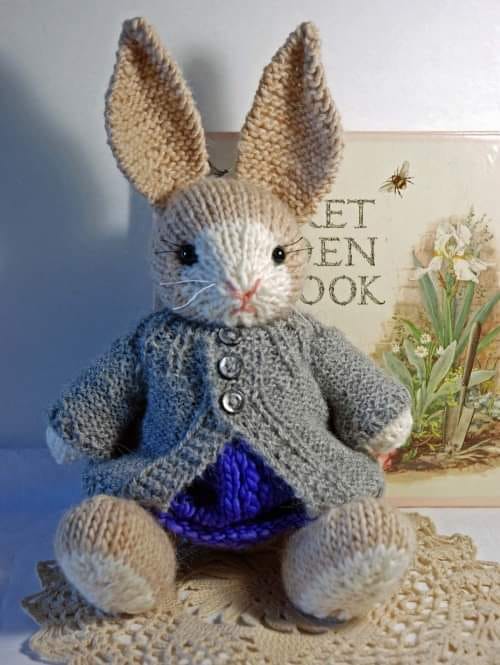
My Amigurumi Bunny Journey
Francis the Easter Bunny

Calling all bunny lovers! Can you guess how many cuddly amigurumi bunnies I've crocheted and knitted in the past four years?   Take a guess: 5, 10, 15, or 20?

Join me as I share my collection of adorable bunnies and the valuable lessons I've learned along the way. Each bunny holds a special place in my heart and represents a new skill I mastered in crocheting, knitting, or even about myself!

Plus, I'm giving away some free amigurumi bunny patterns for you to create your own fluffy friends!

Full Post: Guess How Many I've Crocheted & Knit 

Fair Isle Mice Free Knitting Pattern

Fair Isle Mice free knitting pattern by Janet McMahon

Fair Isle Mice designed by © Janet McMahon

Fair Isle Mice is a charming free knitting pattern by Janet McMahon for making tiny knitted mice decorated with colorful stranded Fair Isle bands.

These little mice are a great project for using small amounts of leftover DK yarn. The body is knitted flat and seamed, while the decorative colorwork section gives each mouse its own personality.

Fair Isle Mice Pattern Details

  • Designer: Janet McMahon
  • Craft: Knitting
  • Pattern availability: Free
  • Yarn weight: DK / light worsted
  • Needles: 3.75 mm (US 5)
  • Construction: Worked flat and seamed
  • Technique: Stranded / Fair Isle colorwork
  • Finished size: Approximately 3 inches long, excluding the tail
  • Languages: English and Dutch

What You'll Need

The project is designed to use small amounts of DK-weight yarn, making it especially useful for leftover yarn from other projects. Choose one main color for the mouse and several contrasting shades for the Fair Isle band.

You will also need 3.75 mm knitting needles and toy stuffing to shape the finished mouse.

About the Construction

Unlike many small knitted toys worked in the round, the Fair Isle Mice are knitted flat. The shaping creates the mouse body, and the finished piece is then seamed and stuffed.

A stranded-colorwork section forms the decorative Fair Isle band around the body. Because the project is so small, it can also be a manageable way to practice stranded knitting without committing to a large garment.

A Good Scrap-Yarn Project

One of the nicest features of this pattern is how little yarn it requires. Small leftover balls can be combined to create completely different mice, so each finished toy can have its own color scheme.

These tiny mice can work well as small gifts, decorations, stocking stuffers, or simply as a quick knitting project between larger makes.

Get the Free Fair Isle Mice Pattern

Janet McMahon currently provides the complete Fair Isle Mice pattern free through her original website, and a free download is also available from the pattern's Ravelry page.

View the Free Pattern on the Designer's Website

Pattern availability was checked when this article was updated. External pattern availability may change over time.

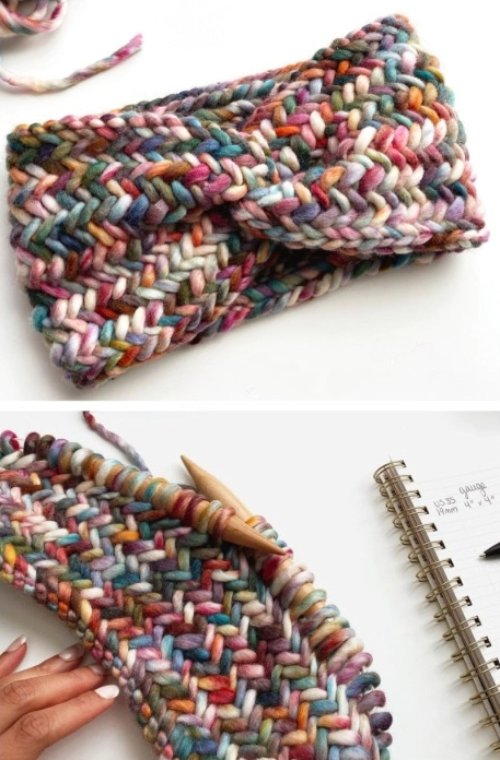
Amina Earwarmer – Free Herringbone Knit Headband Pattern

Amina Earwarmer free herringbone knit headband pattern by Krysten Grymes

Amina Earwarmer. Photo © Krysten Grymes / yarnTh3ory

The Amina Earwarmer by Krysten Grymes of yarnTh3ory is a beautifully textured knit headband featuring an eye-catching herringbone stitch and a stylish twisted front.

Worked with super bulky yarn, the free adult version requires only about 68 yards (62 m), making it a quick winter accessory, market project or last-minute handmade gift.

Best of all, the adult-size knitting pattern is still available free from the designer. An expanded paid version is also available with four sizes and two yarn-weight options.

Amina Earwarmer Knitting Pattern Details

  • Designer: Krysten Grymes
  • Brand: yarnTh3ory
  • Published: November 2022
  • Craft: Knitting
  • Category: Earwarmer / knit headband
  • Free version: Adult size in super bulky yarn
  • Yarn weight: #6 Super Bulky
  • Suggested yarn: Malabrigo Rasta
  • Yardage: 68 yards (62 m)
  • Main needles: US 35 (19 mm)
  • Bind-off needles: US 17 (12 mm)
  • Gauge: 12 stitches × 9 rows = 4 inches (10 cm)
  • Finished adult circumference: 21 inches
  • Finished width: 5.75 inches
  • Skill level: Intermediate
  • Main texture: Herringbone knit stitch
  • Construction: Worked flat and seamed into a twisted earwarmer

What Makes the Amina Earwarmer Special?

The standout feature of this design is its herringbone knit texture.

Instead of a simple ribbed or garter-stitch headband, the fabric has a dense diagonal appearance that gives the finished accessory a polished, almost woven look.

The folded join at the front adds another design element, creating the fashionable twisted shape seen in the finished earwarmer.

The Free Amina Earwarmer Pattern

There are currently two versions of the knitting pattern, so it is useful to understand the difference before starting.

The designer's free version provides the instructions for the adult size using super bulky yarn.

This is a complete free pattern published directly on the yarnTh3ory website, not simply a preview of the paid PDF.

What Is Included in the Paid Version?

Knitters who need additional sizing or want to use a different yarn weight can choose the designer's expanded paid version.

The expanded pattern includes:

  • Baby size
  • Child size
  • Teen size
  • Adult size
  • Super bulky yarn instructions
  • Worsted-weight yarn instructions

If you only want to make the adult super-bulky version shown here, however, the designer continues to provide those instructions free.

Super Bulky Yarn Makes It Quick

The free version uses #6 super bulky yarn.

Krysten Grymes made her sample with Malabrigo Rasta in the color Molino.

Rasta is a thick merino wool yarn with excellent stitch definition, making it particularly effective for showing the strong diagonal lines of the herringbone texture.

Only 68 Yards of Yarn

One of the biggest attractions of the Amina Earwarmer is its modest yarn requirement.

The free adult version calls for approximately:

68 yards / 62 meters
of #6 super bulky yarn

That makes it a useful project for a partial skein left over from another super-bulky project, provided you have enough yardage and can achieve the required gauge.

Choosing Substitute Yarn

You do not have to use the original Malabrigo Rasta to make the earwarmer.

Look for a #6 super bulky yarn that produces a fabric close to the designer's gauge.

Because the herringbone texture is the main visual feature, a relatively smooth yarn with good stitch definition can help the diagonal pattern remain clearly visible.

Solid, tonal and gently variegated colors can all work well, although highly contrasting multicolored yarn may make the herringbone texture less obvious.

Needles

The free pattern uses two unusually large needle sizes:

  • US 35 (19 mm) circular needles for the main fabric
  • US 17 (12 mm) circular needles for binding off

The smaller needle is used at the finishing stage rather than for knitting the main herringbone fabric.

Gauge and Finished Size

The designer's gauge is:

12 stitches × 9 rows = 4 inches (10 cm)

The finished adult earwarmer measures approximately:

  • Circumference: 21 inches
  • Width: 5.75 inches

The free pattern also explains that the size can be adjusted by changing the number of stitches cast on, while the width can be changed by working more or fewer rows.

What Is Herringbone Knit Stitch?

Herringbone knitting creates a distinctive diagonal texture that resembles the classic herringbone pattern found in woven fabrics.

In the Amina Earwarmer, adjacent stitches are worked together in a special way while retaining one of the stitches to continue the sequence.

This creates the dense overlapping appearance that makes the finished headband look much more intricate than an ordinary stockinette accessory.

Is the Amina Earwarmer Beginner Friendly?

The designer rates the knitting pattern as intermediate.

The overall construction is simple, but the herringbone stitch requires more attention than standard knit and purl fabric.

If you are already comfortable handling needles and following a stitch sequence, this can be an excellent small project for learning a new texture without committing to a sweater or large blanket.

Learn the Herringbone Stitch First

Krysten Grymes provides a separate tutorial explaining the basics of the herringbone knit stitch.

It is worth practicing the technique on a small swatch before beginning the earwarmer.

Once your hands become accustomed to the movement, the repeated texture becomes much easier to work consistently.

Worked Flat

Although circular needles are listed, the earwarmer itself is worked flat.

You create a rectangular strip of herringbone fabric and then join the two ends during finishing.

This means you do not need to manage a small circumference in the round, which keeps the overall construction straightforward.

Creating the Twisted Front

The stylish front twist is created during finishing rather than through complicated shaping while knitting.

The ends of the completed strip are folded into position and sewn together. When the earwarmer is turned to the correct side, the folded seam forms the characteristic twist at the front.

The designer includes a demonstration of this finishing technique with the free pattern.

Why Use Smaller Needles for the Bind-Off?

The main fabric is worked on 19 mm needles, while the designer specifies 12 mm needles for the bind-off.

Following the designer's needle change helps reproduce the intended finishing behavior of the original sample.

Herringbone fabric behaves differently from ordinary stockinette, so it is worth following the specified finishing method before making your own adjustments.

Adjusting the Width

The free adult version is approximately 5.75 inches wide.

If you prefer a narrower earwarmer, the designer notes that you can work fewer rows. For additional coverage, work more rows before binding off.

Keep in mind that changing the dimensions will also change the amount of yarn required.

Adjusting the Circumference

The free adult sample finishes at approximately 21 inches in circumference.

The designer notes that the size can be adjusted by changing the number of stitches cast on.

If you make a substantial size adjustment, check your gauge and allow enough yarn before starting.

A Great Quick-Gift Project

The combination of super bulky yarn, a small finished size and only 68 yards of yarn makes the Amina Earwarmer especially appealing for gift knitting.

The designer specifically recommends it for market season and last-minute gifts.

Once you are comfortable with herringbone stitch, making several earwarmers in different colors can be an efficient way to turn small amounts of yarn into finished accessories.

A Useful Market-Knitting Project

Small accessories can be practical projects for craft markets because they require much less yarn and knitting time than full garments.

The strong texture and twisted front give the Amina Earwarmer a distinctive handmade appearance even though the overall construction remains relatively compact.

If you sell finished items, always check the designer's current terms before offering products made from a pattern.

Knitting vs Crochet Amina Earwarmer

Be aware that Krysten Grymes has designed both knit and crochet versions of the Amina Earwarmer.

They share the Amina name and a herringbone-inspired appearance, but they are separate patterns using different techniques and materials.

The pattern featured on this Amazing Knitting page is specifically the knit version published in November 2022.

Why Knit the Amina Earwarmer?

The Amina Earwarmer is a good choice when you want a small project that teaches something more interesting than basic ribbing or garter stitch.

Its herringbone fabric creates striking texture, the super bulky yarn helps the project progress quickly, and the twisted finishing technique gives the simple rectangular construction a stylish final shape.

With the adult instructions still available free from the designer, it is also an accessible way to try herringbone knitting before deciding whether you want the expanded multi-size pattern.

Get the Free Amina Earwarmer Knitting Pattern

The Amina Earwarmer (knit version) by Krysten Grymes is available free for the adult super-bulky version directly from yarnTh3ory.

Get the Free Amina Earwarmer Pattern →

The free designer version currently includes the adult size in super bulky yarn. An expanded paid version includes additional sizes and yarn-weight options. Pattern availability may change over time. Amazing Knitting does not reproduce or distribute the designer's copyrighted pattern instructions.

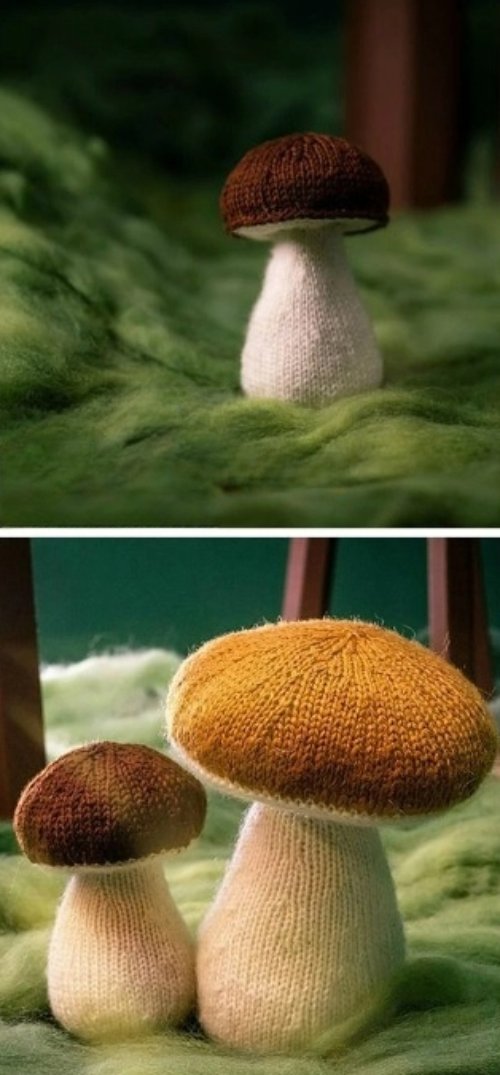
Porcini - Knitted Mushroom Pattern

Porcini - Knitted Mushroom Pattern
Photos above © Norman | knitting blogger

If you love knitting and mushrooms, you will enjoy this free pattern for porcini mushrooms. Porcini are also known as ceps or boletus, and they are edible and delicious. This pattern will show you how to make realistic knitted porcini with simple techniques and materials. You can use them as decorations, toys, or gifts for your friends and family. To access the free pattern, please click on the link below. Happy knitting!

Full Post: Autumn Sweater

Discover More From the Archive

A fresh mix of knitting patterns and tutorials from the Amazing Knitting archive.

Finding patterns from the archive…