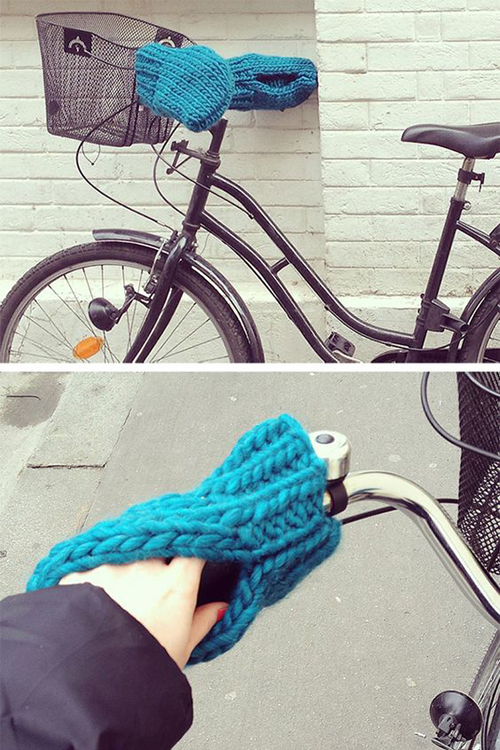
Knit Booties in 15 Minutes is a quick two-needle footwear tutorial originally shared by Örgü Hayatım.
Instead of using a downloadable written pattern, this project is taught through a video tutorial. The design follows a traditional patik-style knitted bootie or slipper construction and is worked with two knitting needles.
Amazing Knitting originally featured this project because of its compact construction and quick-project appeal. The original video remains the source to follow for the actual stitch counts, shaping sequence and finishing steps.
Original tutorial and project credit: Örgü Hayatım.
Knit Booties Tutorial Overview
- Project: Knitted booties / slippers
- Craft: Knitting
- Construction: Two-needle / flat knitting
- Format: Video tutorial
- Original tutorial: Örgü Hayatım
- Style: Traditional patik-style footwear
- Written PDF: Not supplied by Amazing Knitting
- Pattern source: Original YouTube tutorial
- Availability: Free video tutorial
About the Two-Needle Construction
One of the most useful features of this project is that it is made with two knitting needles.
That makes this style of bootie especially interesting for knitters who prefer flat knitting and do not want to work a small circumference with double-pointed needles or Magic Loop.
The knitted piece is shaped and finished according to the sequence demonstrated in the original tutorial.
Why Two-Needle Booties Are Popular
Small footwear projects are a practical way to practice shaping without committing to a sweater or other large garment.
Two-needle booties also allow knitters who are comfortable with ordinary flat knitting to explore footwear construction before moving on to more traditional sock techniques.
Is It Really a 15-Minute Knitting Project?
The project was originally shared under the title Knit Booties in 15 minutes.
Knitting speed varies considerably between knitters, so the 15-minute wording is best treated as the original quick-project description rather than a guaranteed completion time.
Your first pair may take longer if you pause the video, check the construction or practice unfamiliar techniques.
What You'll Need
Use the materials demonstrated by the original creator whenever possible. Because the exact yarn, needle size and starting stitch count should come from the source tutorial, Amazing Knitting does not substitute guessed specifications.
Before beginning, watch the opening section of the video and note:
- The yarn type and thickness
- The knitting needle size
- The starting stitch count
- The intended finished size
- Any sewing or finishing tools required
Choosing Yarn for Knitted Booties
Yarn thickness affects both the finished dimensions and the overall feel of knitted footwear.
If you substitute a yarn that is much thicker or thinner than the one shown in the video, the finished booties may change size even if you use the same stitch count.
A smooth yarn can also make it easier to see the shaping and stitch structure while following the tutorial.
Check the Fit Before Finishing
Footwear generally requires more attention to finished dimensions than scarves or blankets.
Different knitters can produce noticeably different sizes with the same yarn and needles because of tension.
Before completing the final seam or finishing stage, compare the knitted piece with the intended foot measurement whenever possible.
Useful Skills for This Project
The exact knitting sequence should be followed from the original video, but useful basic skills for this kind of project include:
- Casting on
- Knit and purl stitches
- Working back and forth on two needles
- Following stitch counts
- Basic shaping
- Binding off
- Joining knitted sections
- Weaving in yarn ends
Tips for Following a Video Knitting Tutorial
Watch the entire tutorial once before casting on. This helps you understand how the bootie develops before you begin.
Write down important stitch counts. Keeping the main numbers beside you can save time when you need to replay a specific section.
Pause after each construction stage. Compare your work with the creator's piece before continuing.
Use similar yarn for your first pair. Changing yarn weight too early can make it harder to judge whether your sizing matches the demonstrated project.
Why This Is a Useful Small Knitting Project
Booties and slippers require much less yarn than larger garments, making them a useful project for smaller amounts left in your stash.
They are also a convenient way to practice shaping and finishing techniques on a relatively compact project.
Once you understand the construction, different yarn colors can give the same design a very different appearance.
Is Knit Booties in 15 Minutes a Free Knitting Pattern?
This project is best described as a free knitting video tutorial rather than a conventional written pattern.
The original Amazing Knitting article linked directly to the tutorial from Örgü Hayatım on YouTube.
Amazing Knitting does not reproduce the creator's complete step-by-step video instructions as an unofficial written pattern.
Watch the Original Knit Booties Tutorial →
Video Tutorial vs. Written Pattern
A video tutorial can be especially useful for knitted footwear because you can see how the piece changes shape during construction.
Rather than translating the creator's demonstrated instructions into an unofficial written pattern, it is better to follow the original video directly. This also preserves details that may be difficult to communicate through stitch counts alone.
Why These Knitted Booties Are Worth Trying
This project combines a small amount of knitting with an interesting two-needle footwear construction.
It is a useful choice for knitters who enjoy quick projects or want to experiment with knitted slippers without beginning with a conventional in-the-round sock pattern.
More Free Sock & Slipper Knitting Patterns
If you enjoy small footwear projects, explore our collection of free socks, slippers and booties:
Explore 8 Free Sock & Slipper Knitting Patterns →
Pattern Availability
Amazing Knitting links readers to legitimate designer or creator sources whenever possible. Videos, downloads and pattern availability can change after an article is published.
Read Our Pattern Availability Policy →
Amazing Knitting is an independent pattern discovery and project-guide site. The original Knit Booties tutorial and demonstrated instructions remain the intellectual property of Örgü Hayatım. This guide does not reproduce the creator's complete video instructions as a written pattern.