Skip to content

...

Showing posts sorted by relevance for query free colorwork knitting pattern. Sort by date Show all posts

Over 50 Websites to Get Free Knitting Patterns

Over 50 Websites to Get Free Knitting Patterns
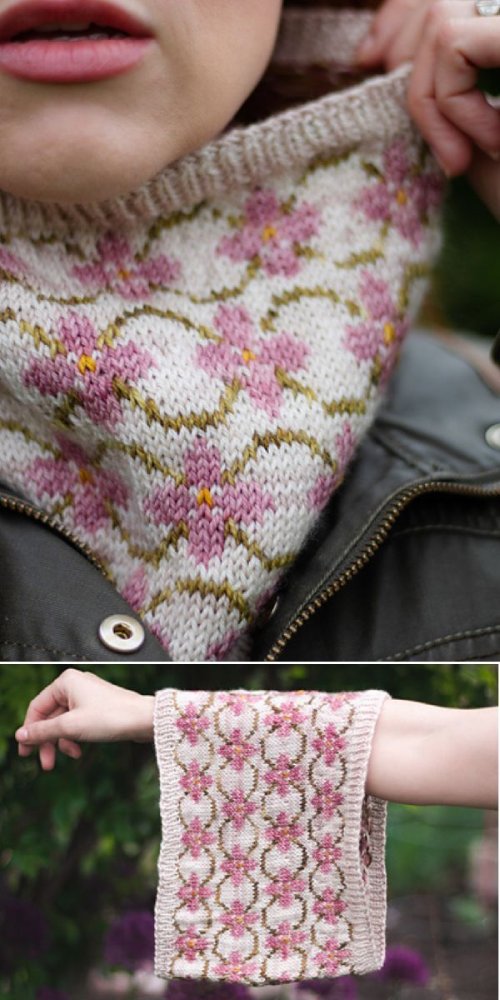
Designed by © Knit Crush

Looking for free knitting patterns? There are thousands of legitimate patterns available online for baby clothes, sweaters, blankets, scarves, socks, hats, toys and almost every other knitting project you can imagine.

The challenge is no longer simply finding a pattern. It is finding a reliable free pattern from a legitimate source, especially when older Pinterest pins and search results may lead to discontinued pages, outdated downloads or unofficial copies.

This guide will help you find free knitting patterns more safely and efficiently, whether you are searching the Amazing Knitting archive, a designer's website, a yarn company or a large knitting-pattern database.

About This Updated Guide

This Amazing Knitting article was originally published in 2019 as a link to an external roundup of more than 50 free-pattern websites. We have expanded the page into an independent resource for finding legitimate free knitting patterns without reproducing another publisher's list.

Where Can You Find Free Knitting Patterns?

Free knitting patterns are published by many different types of websites.

Some come directly from independent designers. Others are published by yarn manufacturers, knitting magazines, craft websites or pattern databases.

The best source depends on what you are looking for, so it helps to understand the major types of free-pattern resources before beginning your search.

1. Designer Websites

One of the best places to find a knitting pattern is the designer's own website.

Independent designers frequently publish selected patterns free while selling other designs.

Going directly to the designer has several advantages. You are more likely to find the current version of the pattern, corrections, additional photographs and notes from the person who actually created it.

If a pattern has been updated since its original publication, the designer's current page is usually preferable to an old copied version circulating elsewhere.

2. Yarn Company Pattern Libraries

Major yarn companies can be excellent sources of free knitting patterns.

These companies publish patterns to demonstrate how their yarns can be used, which means their libraries often contain projects across many categories and skill levels.

You can find designs for:

  • Baby sweaters and cardigans
  • Baby blankets
  • Adult sweaters and pullovers
  • Hats
  • Scarves and cowls
  • Socks and slippers
  • Shawls
  • Home accessories
  • Seasonal projects

Yarn-company libraries are especially useful because older patterns sometimes remain available long after the original printed booklet has disappeared.

3. Ravelry

Ravelry is one of the most useful resources for researching knitting patterns.

Rather than simply searching the web for a phrase such as “free baby cardigan,” you can narrow results using filters such as category, yarn weight, needle size, age, construction and availability.

Pattern records can also provide useful historical information such as the designer, publication date, suggested yarn and links to the current pattern source.

Remember that a Ravelry record does not automatically mean the pattern itself is still available. Always check the current availability shown on the pattern page.

4. Knitting Magazines and Online Publications

Online knitting magazines have published many excellent free patterns over the years.

Some older designs remain available in permanent online archives, making these publications particularly useful when searching for classic knitting projects.

These sources can also be valuable because they often preserve useful information about the designer, yarn, gauge, construction and original publication date.

5. Large Craft and Pattern Websites

Large craft websites often organize patterns by project type or skill level, which can make them useful when you are looking for inspiration rather than one particular design.

A collection might focus on beginner scarves, baby booties, knitted toys or quick gifts.

When using a roundup, however, follow the link to the original pattern source whenever possible.

6. Knitting Blogs

Knitting blogs remain another useful source of free patterns, tutorials and project inspiration.

Some bloggers are also pattern designers and publish complete original designs. Others curate projects from different designers.

The distinction matters.

When a blog is discussing somebody else's pattern, look for the designer's name and a clear link to the legitimate original source.

7. Vintage and Public-Domain Knitting Resources

Knitters interested in historical projects can also explore digitized vintage knitting books, magazines and pattern leaflets.

Older knitting publications can contain fascinating sweaters, lace, socks, mittens and household projects that differ significantly from modern designs.

However, old does not automatically mean public domain. Copyright status depends on factors including publication date, jurisdiction and publication history.

If you plan to republish rather than simply knit from a vintage pattern, verify its copyright status first.

8. Amazing Knitting

You can also browse the Amazing Knitting archive.

Our library includes hundreds of knitting discoveries covering baby clothes, blankets, sweaters, scarves, hats, socks, slippers, stitches, tutorials and other projects.

We are progressively reviewing older articles to identify original designers, verify pattern availability and direct readers toward legitimate current sources whenever possible.

Browse Free Knitting Patterns →

Free Baby Knitting Patterns

Baby projects are an excellent place to explore free patterns because there are designs for many different skill levels.

You can start with baby cardigans and sweaters:

Explore Free Baby Cardigans →

Or browse baby booties:

Explore Free Baby Booties →

And baby blankets:

Explore Free Baby Blankets →

Free Sweater and Cardigan Patterns

Sweaters range from simple first-garment projects to advanced designs involving cables, lace or colorwork.

When choosing one, pay particular attention to:

  • Finished measurements
  • Recommended ease
  • Gauge
  • Yarn weight
  • Construction method
  • Available sizes
  • Required techniques

Explore Free Sweater Patterns →

Free Blanket Knitting Patterns

Blankets are another large category of free knitting patterns.

Depending on the design, a blanket can be a simple beginner project or an advanced combination of lace, cables, colorwork or modular knitting.

Baby blankets are particularly useful for practicing new techniques on a manageable scale.

Explore Free Blanket Patterns →

Free Scarf and Cowl Patterns

Scarves and cowls are useful projects for testing unfamiliar stitches without committing to the fit requirements of a sweater.

They are also good projects for experimenting with cables, lace, texture and unusual yarn.

Explore Free Scarf Patterns →

How to Tell Whether a Pattern Is Really Free

One of the biggest problems with older knitting links is that pattern availability changes.

A pattern that was free ten years ago may now be paid, discontinued or completely unavailable.

Before calling a pattern free, check the current original source.

Look for clear wording such as:

  • Free pattern
  • Free download
  • Download PDF
  • Pattern available free on the designer's website

If the only evidence that a pattern is free comes from an old Pinterest pin or an old roundup, verify it before downloading.

Free Web Pattern vs. Free PDF

A pattern does not need to include a downloadable PDF to be genuinely free.

Some designers publish the complete pattern as a free webpage while offering an optional printable or ad-free PDF for a fee.

In that situation, describe the availability accurately: free web version with optional paid PDF.

This is more useful than simply labeling everything “free” or “paid.”

Watch for Discontinued Patterns

Older pattern databases can contain records for designs whose original downloads have disappeared.

A historical record is useful for identifying the designer and project, but it does not necessarily provide permission to download a copied PDF from another website.

If the legitimate source is gone, look for a currently available alternative instead of using an unauthorized copy.

Avoid Suspicious Pattern Downloads

Be cautious when a website offers a designer's PDF without clearly identifying itself as the designer, publisher or an authorized distributor.

A safer route is usually:

  1. Identify the exact pattern name.
  2. Identify the designer.
  3. Find the designer or publisher's current page.
  4. Check the current availability.
  5. Download or follow the pattern from that legitimate source.

Check for Pattern Corrections

Another advantage of using the current source is access to corrections and updates.

Designers sometimes discover errors after publication and issue an updated PDF or an errata notice.

An old copy saved elsewhere may not include those corrections.

Check the Yarn Before You Buy It

Older patterns frequently recommend yarns that have since been discontinued.

That does not necessarily make the pattern unusable.

Instead of searching only for the exact old yarn, compare:

  • Yarn weight
  • Gauge
  • Fiber content
  • Yardage or meterage
  • Fabric characteristics

Always make a gauge swatch before committing to a substitute yarn for a fitted garment.

Start with the Project You Want to Make

Searching “free knitting patterns” can return an overwhelming number of results.

A more effective approach is to begin with a specific project:

  • Free newborn cardigan knitting pattern
  • Free baby booties knitting pattern
  • Free cable blanket knitting pattern
  • Free beginner scarf knitting pattern
  • Free top-down sweater knitting pattern
  • Free lace shawl knitting pattern

Then narrow your choices according to yarn weight, size and skill level.

Save the Designer's Name

When you find a pattern you love, save more than the photograph.

Record the pattern name and designer.

This makes it much easier to find the legitimate pattern again if a Pinterest pin, bookmark or old website link stops working in the future.

Our Approach at Amazing Knitting

Amazing Knitting is a curated discovery library rather than the owner of every pattern featured in its archive.

When a project belongs to another designer, our goal is to identify and credit that designer, provide useful independent information about the project and direct knitters to the legitimate pattern source.

If an old pattern that was once free has become paid or unavailable, we aim to make that clear rather than continuing to promise a free download that no longer exists.

Explore Free Knitting Patterns

Ready to find your next project? Browse the Amazing Knitting archive by project type.

Before Downloading a Free Pattern

Take a moment to confirm that you are using the current legitimate version.

Check the designer's name, current availability, size range, yarn requirements and whether any corrections have been published.

A few minutes of checking before casting on can prevent hours of frustration later in the project.

Editorial note: This article was originally published by Amazing Knitting in 2019 as a discovery link to a Knit Crush roundup. It has since been expanded into an original Amazing Knitting resource for finding and evaluating free knitting patterns. The original image used on this page is credited to Knit Crush.

Lamb Dance Kids Jacket - Free Knitting Pattern

Lamb Dance - Free Pattern
Photo above © DROPS Design

Lamb Dance by DROPS Design is a cheerful free children's cardigan knitting pattern featuring a flock of little sheep around the circular yoke.

The jacket is worked from the top down in DK-weight yarn, combining stockinette stitch, ribbing and stranded colorwork. With five sizes covering approximately 3 to 12 years, it is a playful project for knitters ready to combine garment construction with colorwork.

Best of all, the complete pattern remains free from DROPS Design.

✓ Free Pattern Availability

Lamb Dance / DROPS Children 34-1 is currently available as a free knitting pattern from DROPS Design. Use the official DROPS link below for the complete current instructions, charts and pattern information.

Lamb Dance Jacket at a Glance

Pattern: Lamb Dance / DROPS Children 34-1

Designer: DROPS Design

Pattern Number: me-054-bn

First Published: March 2019

Craft: Knitting

Category: Children's Cardigan / Jacket

Sizes: 3/4, 5/6, 7/8, 9/10 and 11/12 years

Yarn Weight: DK / 8 ply

Suggested Yarn: DROPS Merino Extra Fine or DROPS Lima

Main Needles: US 6 / 4 mm

Rib Needles: US 2½ / 3 mm

Gauge: 21 stitches × 28 rows = 4 in / 10 cm

Construction: Top down

Features: Circular yoke, stranded colorwork, sheep motif, button front

Availability: Free official pattern

About the Lamb Dance Jacket

Lamb Dance is a children's knitted cardigan from DROPS Design.

Its defining feature is the whimsical band of sheep worked around the circular yoke. Contrasting colors create the sheep and surrounding decorative pattern against the main background color.

Below the patterned yoke, the cardigan becomes much simpler, allowing the colorwork to remain the visual focus of the finished garment.

Five Children's Sizes

The official pattern includes five sizes:

  • 3/4 years — approximately 98/104 cm height
  • 5/6 years — approximately 110/116 cm
  • 7/8 years — approximately 122/128 cm
  • 9/10 years — approximately 134/140 cm
  • 11/12 years — approximately 146/152 cm

When choosing a size, compare the child's measurements with the finished measurements in the official DROPS pattern rather than relying only on age.

Finished Measurements

The published finished chest measurements are approximately:

64 – 68 – 74 – 78 – 80 cm

The corresponding finished body lengths are approximately:

35 – 39 – 43 – 47 – 51 cm

Consult the official schematic before choosing your size, especially when knitting the cardigan as a gift.

Yarn Choices

DROPS provides two suggested yarn options for Lamb Dance:

  • DROPS Merino Extra Fine
  • DROPS Lima

Both belong to DROPS Yarn Group B and fall within the DK-weight range, but their fiber compositions produce somewhat different fabrics.

DROPS Merino Extra Fine is a merino yarn, while DROPS Lima combines wool and alpaca.

If substituting another yarn, matching the required gauge is more important than simply selecting a yarn carrying the same weight label.

How Much Yarn Do You Need?

The main background color requires approximately 150 to 250 grams, depending on size.

Several contrasting colors are then used for the sheep and other elements of the colorwork.

Because the exact amounts vary by size and yarn choice, check the official DROPS materials table before purchasing your yarn.

Knitting Gauge

The official gauge is:

21 stitches × 28 rows = 4 × 4 inches / 10 × 10 cm

This gauge is measured in stockinette stitch using the larger needles.

Gauge is particularly important for children's garments because even a relatively small difference can noticeably change the finished chest circumference and length.

Needles

The pattern uses approximately:

  • 4 mm / US 6 circular needles for the main fabric
  • 4 mm / US 6 double-pointed needles or another suitable small-circumference method
  • 3 mm / US 2½ needles for the ribbing

The official pattern lists circular needle lengths appropriate for the different stages of the garment.

Needle sizes are recommendations. Adjust them if necessary to obtain the required gauge.

Top-Down Construction

Lamb Dance is knitted from the top down.

Top-down construction has several practical advantages. The yoke and upper body develop first, followed by the body and sleeves, reducing the amount of traditional garment seaming.

It can also make the overall construction easier to visualize because the cardigan grows from the neckline toward the hem.

The Circular Yoke

The sheep motif sits within a circular yoke.

Instead of using conventional armhole shaping with separately knitted front and back pieces, shaping is distributed around the upper body.

This creates the smooth rounded line that makes Nordic-style colorwork yokes so recognizable.

The Sheep Colorwork

The playful sheep are the signature feature of Lamb Dance.

The motif is created using stranded colorwork, following the chart supplied by DROPS Design.

Amazing Knitting does not reproduce that copyrighted chart here. Use the current official pattern while working the yoke.

Tips for Stranded Colorwork

If stranded knitting is relatively new to you, pay particular attention to your tension.

The unused yarn carried behind the work should have enough room to span the stitches without pulling the knitted fabric together.

Stretching the stitches gently along the right needle while changing colors can help keep the floats from becoming too tight.

Check the fabric frequently rather than waiting until the entire yoke is complete.

Swatch the Colorwork Too

Your tension when knitting stranded colorwork may differ from your ordinary stockinette tension.

If this happens, the yoke can become tighter than the body even when the stockinette portion matches the published gauge.

A small colorwork swatch can therefore be useful before beginning the main sheep section.

Button Front

Unlike the related Lamb Dance pullover, this version is a front-opening cardigan.

The official pattern calls for:

6 – 6 – 7 – 7 – 7 buttons

The exact number depends on the size being knitted.

Attach buttons securely, particularly when the garment is intended for a younger child.

Skills Used in Lamb Dance

Useful skills for this project include:

  • Casting on and binding off
  • Knit and purl stitches
  • Working ribbing
  • Knitting stockinette stitch
  • Working in the round
  • Working flat where required
  • Increasing and decreasing
  • Reading a colorwork chart
  • Stranded knitting
  • Managing yarn floats
  • Working a circular yoke
  • Making buttonholes
  • Picking up stitches where instructed
  • Weaving in multiple color ends neatly

Is Lamb Dance Suitable for Beginners?

A knitter who has already completed simple garments and is comfortable working in the round should find Lamb Dance an interesting introduction to a more decorative children's cardigan.

The colorwork yoke adds another skill layer, so a complete first-time knitter may prefer to practice stranded knitting on a small swatch before beginning.

DROPS also provides supporting technique information and video tutorials alongside many of its patterns.

A Matching Lamb Dance Collection

The cardigan is part of a small coordinated DROPS collection.

DROPS also published a Lamb Dance Sweater using the same playful sheep theme, as well as a matching Lamb Dance Hat.

This makes the design especially useful if you enjoy the motif and want to create coordinated children's knitwear.

Is Lamb Dance Still Free?

Yes.

Lamb Dance / DROPS Children 34-1 is currently available directly from DROPS Design as a complete free knitting pattern.

The official page contains the current instructions, diagrams, charts, measurements and supporting information.

Amazing Knitting provides this independent project guide rather than reproducing the complete DROPS instructions or charts.

Get the Free Lamb Dance Pattern

Use the official DROPS Design page for the complete free pattern:

Get the Free Lamb Dance Pattern →

More Free Children's Knitting Patterns

You can continue exploring Amazing Knitting for free children's cardigans, sweaters and colorwork projects.

Explore Free Children's Cardigans →

You can also browse:

Before You Start

Choose the size by comparing the child's measurements with the official DROPS schematic, then make a gauge swatch with your chosen Yarn Group B yarn.

If stranded knitting is new to you, practice carrying two colors before reaching the sheep yoke. Keeping the floats relaxed is important for maintaining a comfortable fit across the upper body.

Finally, always work from the current DROPS page so you have access to the latest version of the pattern and its supporting information.

Pattern credit: Lamb Dance / DROPS Children 34-1 was designed and published by DROPS Design. Amazing Knitting does not reproduce the designer's copyrighted charts or complete knitting instructions. Please use the official DROPS page for the free pattern.

Lamb Dance Hat - Free Pattern

Lamb Dance Hat - Free Pattern
Photo above © DROPS Design

Lamb Dance Hat / DROPS Children 34-2 is a playful free children's hat knitting pattern featuring a flock of little sheep worked in stranded colorwork.

Designed for children approximately 3 to 12 years old, the hat is worked from the bottom up in the round and finished with a pompom. It coordinates beautifully with the other Lamb Dance children's designs from DROPS.

The complete pattern remains free from DROPS Design.

✓ Free Pattern Availability

Lamb Dance Hat / DROPS Children 34-2 is currently available as a free official knitting pattern from DROPS Design. Use the official DROPS link below for the complete current instructions, chart and supporting information.

Lamb Dance Hat at a Glance

Pattern: Lamb Dance Hat / DROPS Children 34-2

Designer: DROPS Design

Pattern Number: me-053-bn

Published: March 2019

Category: Children's Hat / Beanie

Sizes: 3/4, 5/6, 7/8, 9/10 and 11/12 years

Yarn Weight: DK / Yarn Group B

Suggested Yarn: DROPS Merino Extra Fine or DROPS Lima

Main Needles: 3 mm / US 2½

Rib Needles: 2.5 mm / US 1½

Gauge: 23 stitches × 32 rows = 4 in / 10 cm

Construction: Bottom up, worked in the round

Features: Sheep colorwork, ribbing, pompom

Availability: Free official DROPS pattern

About the Lamb Dance Hat

Lamb Dance Hat is a children's colorwork hat designed by DROPS Design.

The most distinctive feature is the cheerful band of sheep worked around the hat using stranded colorwork.

Ribbing creates a comfortable lower edge, while the crown is shaped above the decorative section and finished with a pompom.

It is a particularly fun project if you want to practice stranded knitting on something smaller than a sweater or cardigan.

Five Children's Sizes

The official pattern includes five sizes:

  • 3/4 years
  • 5/6 years
  • 7/8 years
  • 9/10 years
  • 11/12 years

The corresponding published head circumferences are approximately:

50/53 – 50/53 – 53/54 – 54/56 – 54/56 cm

That's approximately 19¾–22 inches across the size range.

Age is only a general guide. If you are knitting for a specific child, measuring the head circumference is preferable.

Finished Hat Height

DROPS gives approximate finished heights of:

19 – 20 – 21 – 22 – 23 cm

That's approximately:

7½ – 8 – 8¼ – 8¾ – 9 inches

Yarn Choices

DROPS provides two suggested yarn options:

  • DROPS Merino Extra Fine
  • DROPS Lima

Both belong to DROPS Yarn Group B and work at the required DK-weight gauge, but their fiber compositions and finished feel differ.

Merino Extra Fine is a merino wool yarn, while Lima combines wool and alpaca.

Five Colors Create the Sheep Design

The original version uses five colors.

For DROPS Merino Extra Fine, the published color combination is:

  • Pistachio
  • Light Grey Blue
  • Off White
  • Black
  • Cerise

DROPS specifies 50 grams of each color for every published size.

A corresponding five-color palette is also provided for DROPS Lima.

Can You Choose Different Colors?

Absolutely. One of the enjoyable features of stranded colorwork is the opportunity to create your own palette.

The most important consideration is contrast.

The sheep and other chart details need enough contrast with the background to remain visible.

Before casting on, place your chosen colors next to each other and make sure the important motifs will not disappear into the background.

Gauge

The official gauge is:

23 stitches × 32 rows = 4 × 4 inches / 10 × 10 cm

This is measured in stockinette stitch using the larger needles.

Gauge matters for hats because the finished circumference must be comfortable without being excessively tight or loose.

Check Your Colorwork Gauge

Stranded knitting can sometimes produce a tighter gauge than ordinary one-color stockinette.

This usually happens when the floats carried behind the work are too tight.

If you are new to stranded knitting, consider making a small colorwork swatch in addition to checking your normal stockinette gauge.

Needles

DROPS recommends:

  • 3 mm / US 2½ circular needle, 40 cm / 16 in
  • 3 mm / US 2½ double-pointed needles
  • 2.5 mm / US 1½ circular needle, 40 cm / 16 in for ribbing

The published sizes are recommendations. Adjust your needles if necessary to obtain the required gauge.

Bottom-Up Construction

Lamb Dance Hat is knitted from the bottom up.

You begin with the lower edge and ribbing, then progress into the main hat and sheep colorwork before shaping the crown.

This construction allows the decorative motif to form a continuous band around the hat.

Worked in the Round

Unlike a flat-knitted hat that requires a back seam, Lamb Dance Hat is worked in the round.

Ravelry classifies the design as one-piece and seamless.

A short circular needle can be used while enough stitches remain on the needle, with double-pointed needles or another suitable small-circumference method used as the crown becomes narrower.

The Sheep Colorwork

The little sheep are the signature feature of the Lamb Dance collection.

They are created using stranded colorwork according to the chart supplied by DROPS Design.

Amazing Knitting does not reproduce the copyrighted chart here. Use the current official DROPS pattern while knitting the motif.

Keep Your Floats Relaxed

When carrying an unused color behind the work, avoid pulling it too tightly.

Tight floats can reduce the circumference of the hat and cause the colorwork fabric to pucker.

Spread the recently worked stitches gently along the right needle before changing colors. This gives the carried yarn enough length to span the stitches comfortably.

Watch Color Dominance

When two colors are carried together, the way you consistently hold them can affect how prominent each color appears in the finished motif.

Try to maintain the same relationship between your background and motif colors throughout each section.

Consistency usually produces cleaner-looking stranded colorwork.

Managing Multiple Colors

Although several colors are used across the complete hat, you will not necessarily be actively knitting with every color at the same moment.

Follow the official chart carefully and organize the yarn so that strands do not become unnecessarily tangled.

Small balls or bobbins can sometimes make multiple contrast colors easier to manage.

Crown Shaping

After the main decorative portion is complete, decreases shape the top of the hat.

As the circumference becomes too small for the short circular needle, switch to double-pointed needles or your preferred small-circumference method while following the official instructions.

The Pompom

A pompom completes the original Lamb Dance Hat.

Take care to attach it securely, particularly when the hat is intended for a child.

As with any children's garment, periodically inspect attached decorations for wear or looseness.

Skills Used in Lamb Dance Hat

This project provides practice with:

  • Knitting in the round
  • Ribbing
  • Stockinette stitch
  • Reading a colorwork chart
  • Stranded knitting
  • Managing yarn floats
  • Working with multiple colors
  • Crown decreases
  • Working a small circumference
  • Making and attaching a pompom

A Good Small Colorwork Project

If you want to try stranded knitting but are not ready to commit to a full colorwork sweater, a hat can be an excellent intermediate step.

You still get experience reading a chart, controlling floats and maintaining colorwork tension, but on a much smaller project.

Part of the Lamb Dance Collection

The hat belongs to the same DROPS children's collection as the Lamb Dance Jacket already featured on Amazing Knitting.

Both designs use the playful sheep theme, making them natural coordinating projects.

See the Free Lamb Dance Jacket →

DROPS also published a matching Lamb Dance Sweater, giving knitters several ways to use the same cheerful colorwork theme.

Is Lamb Dance Hat Still Free?

Yes.

Lamb Dance Hat / DROPS Children 34-2 remains available as a complete free knitting pattern directly from DROPS Design.

The official page includes the current written instructions, diagram and supporting information.

Amazing Knitting provides this independent project guide rather than reproducing DROPS Design's complete copyrighted pattern or chart.

Get the Free Lamb Dance Hat Pattern

Visit DROPS Design for the complete free pattern:

Get the Free Lamb Dance Hat Pattern →

More Free Children's Knitting Patterns

Continue exploring free children's projects from the Amazing Knitting archive:

Before You Start

Measure the child's head if possible, choose a suitable Yarn Group B yarn and make sure you can obtain the required gauge.

If stranded knitting is new to you, practice carrying two colors before starting the sheep section and pay particular attention to keeping your floats relaxed.

Finally, work from the current official DROPS page so that you have the complete pattern, chart and supporting information beside you.

Pattern credit: Lamb Dance Hat / DROPS Children 34-2 was designed and published by DROPS Design. Amazing Knitting does not reproduce the designer's complete copyrighted knitting instructions or colorwork chart. Please preserve the existing photograph credit shown on this page.

Penguin Pullover - Free Pattern

Penguin Pullover - Free Pattern
Photo above © Amy Bahrt

Skating Penguin Pullover by Amy Bahrt is a playful children's sweater featuring a colorful penguin motif with a clever surprise: the penguin also hides a practical pocket.

Designed for Cascade Yarns in sizes 2, 4 and 6, this long-sleeved pullover combines classic sweater construction with intarsia colorwork and fun details. Best of all, the original pattern is still available as a free knitting pattern.

✓ Free Pattern Availability

Good news: the original Skating Penguin Pullover by Amy Bahrt is still listed as a free knitting pattern. This guide identifies the original design and provides the key project details before directing knitters to the legitimate pattern source.

Penguin Pullover at a Glance

Official Pattern: Skating Penguin Pullover

Designer: Amy Bahrt

Publisher: Cascade Yarns

First Published: October 2014

Craft: Knitting

Category: Children's Pullover

Sizes: 2, 4 and 6 years

Skill Level: Intermediate

Yarn Weight: Worsted

Needles: US 5 / 3.75 mm and US 7 / 4.5 mm

Gauge: 20 stitches × 24 rows = 4 inches / 10 cm in stockinette stitch

Techniques: Intarsia, colorwork, shaping and seaming

Special Feature: Penguin motif with hidden patch pocket

Availability: Free pattern

About the Skating Penguin Pullover

The Skating Penguin Pullover is a children's sweater designed by Amy Bahrt for Cascade Yarns.

At first glance, the colorful penguin is simply the decorative focus of the sweater. Look more closely, however, and the design reveals one of its most charming features: the penguin incorporates a functional pocket.

That combination of playful design and practical detail makes this much more memorable than a basic children's pullover.

Three Children's Sizes

The pattern includes three sizes:

  • 2 years
  • 4 years
  • 6 years

The published finished chest measurements are approximately:

  • Size 2: 26 inches
  • Size 4: 28 inches
  • Size 6: 30 inches

Finished body lengths are approximately 14½, 15½ and 16½ inches, respectively.

When choosing a size, use the finished measurements in the original pattern rather than relying only on the child's age.

Original Yarn

The original version was designed using Cascade Yarns Sateen Worsted.

It uses several colors to create the sweater, stripes and penguin illustration, including a main blue shade together with white, black, orange and yellow tones.

Because this is an intarsia project, you do not necessarily need a full sweater quantity of every contrast color. Check the original pattern before purchasing yarn for the exact requirements of your chosen size.

Needles and Gauge

The published needle sizes are:

  • US 5 / 3.75 mm
  • US 7 / 4.5 mm

The published gauge is:

20 stitches × 24 rows = 4 inches / 10 cm in stockinette stitch

Always use the needle size that allows you to obtain the required gauge. Gauge is particularly important for a child's sweater because it affects both the fit and the placement of the colorwork design.

The Penguin Motif

The large penguin gives this sweater its personality.

Instead of repeating a small motif around the garment, the design uses a prominent picture motif as the focal point of the front.

Contrasting colors define the penguin and its details against the sweater background.

The original pattern includes the information needed to position and work the colorwork correctly.

A Penguin That Hides a Pocket

The most unusual feature of this sweater is the hidden patch pocket incorporated into the penguin design.

It is a clever detail because the pocket becomes part of the illustration instead of looking like an unrelated addition to the front of the sweater.

For a child, that makes the garment both fun to wear and useful for carrying a tiny toy or other small treasure.

Working the Intarsia

The penguin motif uses intarsia, a colorwork technique particularly suited to large blocks of color.

Rather than carrying every yarn across the entire row, separate sections of yarn are used for the different color areas.

When changing colors, the yarns need to be managed carefully at the boundary so that the sections remain connected without creating holes.

If intarsia is new to you, practicing a small two-color swatch before starting the sweater can make the main project much easier.

Worked Flat and Seamed

The Skating Penguin Pullover is constructed flat in pieces and then seamed.

This traditional construction is useful for an intarsia sweater because the picture motif can be worked back and forth across the front rather than requiring the colorwork to be managed in the round.

Careful seaming at the end helps give the finished pullover a neat, structured shape.

Skill Level

The original pattern is classified as Intermediate.

Useful skills include:

  • Casting on and binding off
  • Knitting and purling
  • Working ribbing
  • Following garment shaping
  • Increasing and decreasing
  • Reading a colorwork chart
  • Working intarsia
  • Managing several yarn colors
  • Making and attaching a patch pocket
  • Seaming sweater pieces
  • Finishing and weaving in ends

Managing Several Colors

Intarsia projects can quickly become tangled if every color is worked directly from a full ball of yarn.

Small yarn bobbins or manageable lengths of contrast yarn can make the different sections easier to control.

Periodically untangling the yarn before it becomes a problem can also make the knitting much more enjoyable.

Check the Chart Placement

Before beginning the penguin section, identify the center of the sweater front and understand where the motif begins relative to your selected size.

With picture knitting, correcting a placement mistake after many rows of colorwork can be time-consuming.

A removable marker near the center of the work can provide a useful visual reference while following the chart.

Choosing Substitute Yarn

If you cannot find the original yarn, choose a substitute based primarily on gauge and fabric characteristics.

For picture knitting, a relatively smooth yarn with good stitch definition can help the edges of the penguin motif appear crisp.

Also consider washability and durability because this is a garment intended for children.

Color Ideas

You do not have to reproduce the original color palette exactly.

The penguin naturally benefits from strong contrast between black, white and the sweater background, but the main sweater color could be changed considerably.

Navy, turquoise, red, green, grey or a softer winter blue could all give the same design a different personality while preserving the recognizable penguin motif.

Is Penguin Pullover Still Free?

Yes. Skating Penguin Pullover by Amy Bahrt is still listed as a free knitting pattern.

Ravelry continues to identify the design as free, and a free downloadable version is also listed through established knitting-pattern retailers.

Amazing Knitting does not reproduce Amy Bahrt's copyrighted chart or complete row-by-row instructions. Instead, this page provides an independent project guide and directs knitters to the legitimate pattern listing.

Get the Free Penguin Pullover Pattern

Ravelry provides the pattern record and identifies the original free Cascade Yarns pattern.

Get the Free Penguin Pullover Pattern →

More Free Children's Sweaters

If you enjoy playful picture sweaters like the Penguin Pullover, continue exploring the Amazing Knitting archive for more free children's knitting patterns.

Explore Free Children's Sweater Patterns →

You can also browse animal sweaters, intarsia sweaters, and free pullover patterns.

Before You Start

Select the correct size and make a stockinette gauge swatch before beginning. Then review the penguin chart and identify where the intarsia section begins for your chosen size.

Organize the contrast yarns before reaching the colorwork section and read through the pocket construction in advance so you understand how this clever detail becomes part of the finished penguin.

Pattern credit: Skating Penguin Pullover was designed by Amy Bahrt for Cascade Yarns. The existing photograph on this Amazing Knitting page is credited to Amy Bahrt. Amazing Knitting does not reproduce the designer's copyrighted chart or complete row-by-row knitting instructions.

Slip Stitch Sampler Throw - Free Pattern

Slip Stitch Sampler Throw - Free Pattern
Photos above © DrBron

Slip Stitch Sampler Throw by Irina Poludnenko is a colorful free knitting pattern originally published by Lion Brand. It combines slip-stitch colorwork with a modular log-cabin-inspired construction to create a large, eye-catching throw.

Six sections use the same basic log-cabin design in different color combinations, producing a sampler-style blanket without requiring complicated stranded colorwork.

The pattern is still available as a free knitting pattern, with a current downloadable version available through LoveCrafts.

✓ Free Pattern Availability

Slip Stitch Sampler Throw, Lion Brand pattern L10347, is currently available as a free downloadable knitting pattern. Use the current pattern source below for the complete instructions.

Slip Stitch Sampler Throw at a Glance

Pattern: Slip Stitch Sampler Throw

Designer: Irina Poludnenko

Publisher: Lion Brand Yarn

Pattern Number: L10347

Category: Blanket / Throw

Yarn Weight: Aran

Original Yarn: Lion Brand Vanna's Choice

Needles: US 8 / 5 mm

Gauge: 16 stitches × 24 rows = 4 in / 10 cm in slip-stitch pattern

Yardage: Approx. 3,570 yd / 3,264 m

Finished Size: Approx. 50 × 75 in / 127 × 190.5 cm

Construction: Modular squares, seamed

Techniques: Slip stitches, mosaic-style colorwork, stripes

Availability: Free downloadable pattern

About the Slip Stitch Sampler Throw

Slip Stitch Sampler Throw was designed by Irina Poludnenko for Lion Brand Yarn.

Rather than making one enormous uninterrupted panel, the blanket uses the same log-cabin-inspired design six times in different color combinations.

Once the individual sections are complete, they are assembled into a large rectangular throw.

The result is a colorful sampler blanket with strong geometric structure and plenty of visual variety.

Finished Size

The published finished dimensions are approximately:

50 × 75 inches / 127 × 190.5 cm

This is a substantial throw rather than a small lap blanket, so expect it to become a fairly large project both in knitting time and total yarn requirement.

Original Yarn

The pattern was designed using Lion Brand Vanna's Choice, an Aran-weight acrylic yarn.

The original yarn is listed at approximately 170 yards per 100-gram ball.

The published blanket uses multiple colors to create the changing combinations across its six main sections.

Original Color Plan

The published version uses nine colors:

  • Dusty Blue
  • Chocolate
  • Rust
  • Olive
  • Dusty Purple
  • Brick
  • Pea Green
  • Mustard
  • Purple

The original quantities total 21 balls of Vanna's Choice.

Dusty Blue, Olive and Dusty Purple use three balls each, while the other six colors use two balls each.

Total Yardage

Ravelry records total published yardage of approximately:

3,570 yards / 3,264 meters

That large quantity reflects both the generous finished dimensions and the nine-color construction.

If substituting yarn, calculate your requirements carefully before beginning, particularly if some colors will be difficult to replace later from the same dye lot.

Needles

The published needle size is:

US 8 / 5 mm

Needle size is only a starting point. Use the size that allows you to obtain the required gauge with your chosen yarn.

Gauge

The published gauge is:

16 stitches × 24 rows = 4 × 4 inches / 10 × 10 cm

This gauge is measured in the slip-stitch pattern.

Even though a blanket does not need to fit a body, gauge still matters here because six separate sections eventually need to work together as one finished throw.

What Is Slip-Stitch Colorwork?

Slip-stitch colorwork can create surprisingly elaborate-looking patterns without requiring you to work several yarn colors across the same row at once.

Selected stitches are slipped rather than worked, allowing color from an earlier row to remain visible in the new row.

The technique can produce geometric color effects while keeping the actual knitting relatively approachable.

Why Slip Stitches Work Well Here

The strong colors already give this blanket plenty of visual energy. Slip stitches add another layer of texture and pattern without requiring complex stranded colorwork across every row.

They also complement the geometric log-cabin structure particularly well.

Keep Slipped Stitches Relaxed

One of the most important habits in slip-stitch knitting is avoiding excessive tension.

If the yarn carried past slipped stitches is pulled too tightly, the fabric can become compressed or distorted.

Allow the stitches to remain comfortably spaced on the needle as you work across each section.

Log-Cabin-Inspired Construction

Traditional log-cabin knitting builds outward in sections, creating strong geometric blocks of color.

Slip Stitch Sampler Throw uses this visual idea repeatedly, creating six versions of the same basic design in different color combinations.

This repetition is useful because once you understand how one section develops, the overall construction becomes much easier to visualize.

Six Main Sections

The throw is modular rather than one-piece.

Six major sections are knitted and later assembled to create the finished 50 × 75-inch blanket.

Modular construction has an important practical advantage: you do not need to carry the entire weight of a large blanket on your needles throughout the project.

Managing Nine Colors

A nine-color project benefits from a little organization.

Before casting on, label your colors according to the pattern and keep leftover yarn clearly identified.

Avoid relying only on memory, especially when several shades are similar.

A simple note showing the yarn name, color letter and remaining ball count can prevent confusion later in the project.

Choosing Your Own Palette

You do not have to reproduce the original Lion Brand colors exactly.

The geometric construction makes this an excellent project for creating your own coordinated palette.

Consider combining:

  • Warm autumn shades
  • Cool blues and greens
  • Muted vintage colors
  • Bright contrasting colors
  • Neutrals with a few strong accent shades

Whatever palette you choose, make sure neighboring colors have enough contrast for the slip-stitch pattern to remain visible.

Substituting the Yarn

If you use another Aran-weight yarn, make a slip-stitch swatch before buying the full quantity.

Look for a yarn that provides:

  • Good stitch definition
  • Consistent gauge
  • Comfortable drape
  • Colors with useful contrast
  • Care instructions suitable for a large blanket

Wash your swatch according to the yarn manufacturer's directions to see how the finished fabric changes.

Assembly Matters

Ravelry classifies the design as seamed.

Because separate sections eventually form one large geometric blanket, careful assembly is important.

Before sewing, block the sections if appropriate for your yarn and lay them out in the intended arrangement.

Check orientation and color placement before joining anything permanently.

Keep the Seams Flexible

A blanket seam should be secure without becoming a rigid ridge.

Pulling the joining yarn too tightly can cause the assembled throw to pucker along the seams.

Periodically lay the work flat while joining the sections to make sure the seam tension remains comfortable.

Important Pattern Correction

Important Before You Knit

Lion Brand published corrections for pattern L10347 on April 17, 2013. For that reason, use a current corrected version of the pattern rather than relying on an old copy saved from the original publication period.

Corrections are one of the main reasons Amazing Knitting links readers back to legitimate current pattern sources rather than reproducing old instructions.

Skill Level

Lion Brand classified the project as:

Easy+ / Level 3

The blanket is large, but the modular construction and repetition mean that project size should not automatically be confused with technical difficulty.

Skills Used in This Project

  • Knitting and purling
  • Slipping stitches
  • Changing colors
  • Reading repeating stitch patterns
  • Modular knitting
  • Picking up or working from existing sections as directed
  • Maintaining consistent gauge
  • Seaming knitted sections
  • Weaving in multiple yarn ends
  • Blocking and finishing a large blanket

Is Slip Stitch Sampler Throw Still Free?

Yes.

Slip Stitch Sampler Throw by Irina Poludnenko is still listed as a free knitting pattern, and a free downloadable PDF of Lion Brand pattern L10347 is currently available through LoveCrafts.

Amazing Knitting does not reproduce the designer's complete copyrighted instructions. Use the legitimate pattern source for the complete knitting directions.

Get the Free Slip Stitch Sampler Throw Pattern

The Lion Brand L10347 pattern is currently available as a free downloadable PDF from LoveCrafts:

Get the Free Slip Stitch Sampler Throw Pattern →

You can also view the Ravelry pattern record for project examples, specifications and historical pattern information:

View Slip Stitch Sampler Throw on Ravelry →

More Free Blanket Knitting Patterns

If you enjoy textured and colorful blanket projects, explore more verified free patterns in the Amazing Knitting archive:

Before You Start

This is a large multi-color project, so organize your nine colors before casting on and make a swatch in the actual slip-stitch pattern.

Pay particular attention to keeping slipped stitches relaxed and keeping the dimensions of the modular sections consistent so that assembly is easier later.

Most importantly, use a current corrected version of Lion Brand L10347 rather than an old copied version of the instructions.

Pattern credit: Slip Stitch Sampler Throw was designed by Irina Poludnenko for Lion Brand Yarn. The existing project photographs on this Amazing Knitting page are credited to DrBron. Amazing Knitting provides an independent project guide and does not reproduce the designer's complete copyrighted knitting instructions.

Child's Foxy Tunic - Free Pattern

Child's Foxy Tunic - Free Pattern
Photo above © katring

Child's Foxy Tunic by Heather Lodinsky is a playful knitted tunic for children featuring a clever fox face worked into the upper front of the garment.

Designed for Red Heart in sizes 2 through 8 years, the tunic combines simple garter and stockinette textures with colorwork and adorable finishing details. Best of all, the original pattern is still available as a free download from Yarnspirations.

✓ Free Pattern Availability

Good news: Child's Foxy Tunic is still officially available as a 100% free knitting pattern from Yarnspirations. No unofficial or archived copy is needed.

Child's Foxy Tunic at a Glance

Pattern: Child's Foxy Tunic

Designer: Heather Lodinsky

Publisher: Red Heart / Yarnspirations

First Published: May 2014

Craft: Knitting

Category: Child's Tunic / Dress

Sizes: 2, 4, 6 and 8 years

Skill Level: Intermediate

Suggested Yarn: Red Heart Anne Geddes Baby

Yarn Weight: DK

Main Needle: US 6 / 4 mm

Stockinette Gauge: 22 stitches × 34 rows = 4 inches / 10 cm

Main Techniques: Garter stitch, stockinette, shaping and colorwork

Special Feature: Fox face with knitted ears, nose and button eyes

Current Availability: Free official download

About the Child's Foxy Tunic

Child's Foxy Tunic turns a practical knitted garment into a playful animal-themed design.

The lower part of the tunic has a relatively simple shape, allowing the large fox face at the upper front to become the visual focus of the project.

The result can be worn as a tunic over a shirt and leggings in cooler weather, making it both decorative and practical.

Sizes 2 to 8 Years

The pattern includes four children's sizes:

  • 2 years
  • 4 years
  • 6 years
  • 8 years

Before choosing a size, check the finished measurements in the current Yarnspirations pattern rather than relying only on the child's age.

This is especially useful for a tunic because the amount of ease you prefer may depend on whether it will be worn alone or layered over another garment.

Original Yarn

Heather Lodinsky designed the tunic using Red Heart Anne Geddes Baby, a DK-weight yarn.

The original yarn is listed as an acrylic and nylon blend. If it is no longer convenient to obtain in your region, another suitable DK yarn may be considered as long as you can match the required gauge and produce a comfortable fabric.

For a child's garment, washability and durability can be just as important as softness and color.

Needles and Gauge

The pattern specifies:

US 6 / 4 mm knitting needles

The published stockinette gauge is:

22 stitches × 34 rows = 4 inches / 10 cm

The pattern also uses garter stitch, where the published row gauge differs from stockinette.

Always use the needle size necessary for you to obtain the designer's gauge rather than assuming the recommended needle will produce identical results for every knitter.

The Fox Face

The fox is created as part of the upper front of the tunic using contrasting colors.

The changing color sections gradually form the recognizable shape of the fox's face as the front is knitted.

Because the motif occupies a substantial part of the garment rather than being a tiny repeated decoration, it gives the finished tunic a strong graphic appearance.

Knitted Ears and Nose

The fox doesn't rely only on flat colorwork.

Separate knitted pieces are used to add dimensional details such as the ears and nose. These are attached during finishing using the original photograph and pattern as placement guides.

This small amount of three-dimensional finishing helps transform the colorwork shape into a much more recognizable fox character.

Button Eyes

The original design uses two buttons for the fox's eyes.

Yarnspirations currently lists the buttons, together with a sewing needle and matching thread, among the additional supplies needed for the project.

Attach buttons very securely on children's clothing and consider the age and intended use of the garment when choosing embellishments.

Garter and Stockinette Stitch

Two familiar knitting textures play important roles in the design.

Garter stitch creates textured sections and finishing details, while stockinette stitch provides the smoother fabric used across much of the garment.

This relatively simple stitch foundation allows the shaping and fox colorwork to provide most of the project's challenge.

Shaping the Tunic

The garment does not simply continue upward as a straight rectangle. Gradual shaping creates the tunic silhouette before the knitting reaches the fox face and upper body.

Later shaping forms the armholes and upper sections of the garment.

Use Heather Lodinsky's original pattern for the exact stitch counts, decreases, color changes and shaping sequence for your selected size.

Worked Flat and Seamed

The tunic is constructed from flat knitted pieces that are finished and assembled afterward.

Flat construction is particularly convenient for this type of picture colorwork because the knitter works back and forth across the fox motif.

Careful finishing at the side seams and shoulder areas helps the final garment sit neatly.

Working the Color Changes

When working separate areas of color, avoid simply carrying unused yarn across very large sections of the back of the fabric.

Keep the different yarn sections organized and make sure adjoining colors connect neatly when you change from one to another.

If this style of colorwork is unfamiliar, practicing with two colors on a small swatch can make the fox section much easier to manage.

Skill Level

Yarnspirations currently classifies Child's Foxy Tunic as an Intermediate knitting pattern.

Helpful skills include:

  • Casting on and binding off
  • Knitting and purling
  • Garter stitch
  • Stockinette stitch
  • Increasing and decreasing
  • Garment shaping
  • Changing colors
  • Managing multiple sections of yarn
  • Working flat pieces
  • Basic seaming
  • Attaching knitted embellishments
  • Sewing buttons securely

Choosing Colors

Fox designs naturally work beautifully with warm orange, rust, cream and dark brown or black.

However, there is no reason your fox needs to be realistic. A pink, turquoise, purple or other imaginative color combination could make the tunic even more playful.

Whatever palette you choose, maintaining enough contrast between the face sections will help the animal motif remain easy to recognize.

Choosing a Substitute Yarn

If you substitute for the original Red Heart yarn, begin by looking for a DK-weight yarn that can achieve the required gauge.

A relatively smooth yarn is useful because it keeps the boundaries between the different colors visible and makes the fox motif easier to read.

Since this is children's clothing, also consider easy washing, softness and durability when selecting your yarn.

Make a Gauge Swatch First

Gauge affects more than the overall width of the tunic.

It also influences the proportions of the fox design and where the shaping falls on the child's body.

Make a stockinette swatch before beginning and adjust needle size if necessary to match the published gauge.

Is Child's Foxy Tunic Still Free?

Yes. Child's Foxy Tunic by Heather Lodinsky is currently available as a free knitting pattern from Yarnspirations.

Yarnspirations provides the official pattern as a free download without requiring a sign-up.

Amazing Knitting does not reproduce the designer's complete copyrighted row-by-row instructions. Instead, this page provides an independent project guide and directs knitters to the legitimate original source.

Get the Free Foxy Tunic Pattern

The best current source is the official Yarnspirations page, where the complete pattern can be downloaded free.

Get the Free Foxy Tunic Pattern →

More Free Children's Knitting Patterns

If you enjoy playful animal-themed garments, continue exploring the Amazing Knitting archive for more free children's sweaters, tunics and dresses.

Explore Free Children's Knitting Patterns →

You can also browse animal knitting patterns, free children's sweaters, and free knitted dresses and tunics.

Before You Start

Download the current Yarnspirations pattern first and choose your size from the finished measurements. Make a gauge swatch before purchasing or preparing all of the yarn.

Organize your contrast colors before reaching the fox section, and read through the finishing instructions so you understand how the ears, nose and eyes complete the character.

Pattern credit: Child's Foxy Tunic was designed by Heather Lodinsky and published by Red Heart, now available through Yarnspirations. The existing photograph on this Amazing Knitting page is credited to katring. Amazing Knitting does not reproduce the designer's complete copyrighted row-by-row knitting instructions.

Discover More From the Archive

A fresh mix of knitting patterns and tutorials from the Amazing Knitting archive.

Finding patterns from the archive…