Skip to content

...

Better Dorm Boots - Free Knitting Pattern

Better Dorm Boots - Free Knitting Pattern
Photos above © AlliH & © Amethyst05

Looking for a cozy pair of free knitted slipper boots? Better Dorm Boots Slippers by Kris Basta of Kriskrafter are warm, practical house slippers worked flat and seamed at the end.

The design uses two strands of worsted-weight yarn held together to create a thick, cozy fabric, while the ribbed cuff gives the slippers their recognizable dorm-boot shape. They are a great choice for cold floors, relaxing at home, or making a practical handmade gift.

Better Dorm Boots at a Glance

Pattern: Better Dorm Boots Slippers

Designer: Kris Basta – Kriskrafter, LLC

Craft: Knitting

Category: Adult Slippers / Dorm Boots

Construction: Worked flat and seamed

Yarn: Two strands of worsted-weight yarn held together

Fabric Weight: Approximately bulky

Needle Size: US 9 / 5.5 mm

Gauge: 14 stitches = 4 inches in stockinette with yarn held double

Yardage: Approximately 184–240 yards / 168–219 m

Sizes: Women's Small, Medium/Large and XL

Pattern Availability: Free

About the Better Dorm Boots

Better Dorm Boots were designed by Kris Basta as a cozy variation on the traditional knitted dorm boot.

The designer had noticed knitters modifying another of her slipper designs by replacing its decorative cuff with simple ribbing. Better Dorm Boots turned that popular idea into its own dedicated pattern.

The result is a straightforward knitted slipper with a comfortable foot, shaped toe, and tall ribbed cuff.

Worked Flat and Seamed

One particularly useful feature is that the slippers are knitted flat.

You do not need to knit the entire slipper as a small circumference in the round. Instead, the pieces are shaped while working back and forth and the slipper is seamed during finishing.

This construction can be attractive to knitters who enjoy making socks and slippers but prefer straight or back-and-forth knitting.

Two Strands of Yarn Held Together

The original pattern uses two strands of worsted-weight yarn held together.

Combining the strands produces a much thicker fabric than a single strand of worsted yarn, resulting in a weight approximately comparable to bulky yarn.

This thicker fabric is especially appropriate for house slippers because it creates more warmth and substance around the foot.

Women's Sizes

The Better Dorm Boots pattern provides three women's size groups:

  • Small: approximately US women's 6–7.5
  • Medium/Large: approximately US women's 8–9
  • XL: approximately US women's 9.5–10.5

Check the designer's current pattern before casting on, particularly when making the slippers as a gift.

Yarn Requirements

Ravelry lists approximately:

184–240 yards / 168–219 meters

Because the pattern is worked with yarn held double, read the original materials information carefully before purchasing yarn.

Using contrasting colors for the sole, foot, or cuff can also give the same basic slipper design a completely different appearance.

Needles and Gauge

The original pattern specifies:

US 9 / 5.5 mm knitting needles

The published gauge is:

14 stitches = 4 inches in stockinette with yarn held double

Gauge matters for slippers because even a relatively small difference can noticeably change how the finished boot fits the foot.

Knitting Skills Used

The original pattern uses several familiar knitting techniques and decreases, including:

  • Knit and purl stitches
  • Ribbing
  • Stockinette stitch
  • Slip stitches
  • K2tog decreases
  • P2tog decreases
  • SSK decreases
  • Additional shaping decreases
  • Seaming and finishing

If one of the decrease techniques is new to you, practice it on a small swatch before beginning the slippers.

Why Dorm Boots Make a Useful Project

Slipper boots sit somewhere between knitted socks and traditional house slippers. The taller cuff adds warmth around the ankle while the knitted construction keeps them soft and flexible.

They're particularly useful during colder months and can make practical handmade gifts because the project requires much less knitting than a sweater or blanket.

More Better Dorm Boots Versions

Kris Basta also created several variations on the original design. These include a Lace Edition with decorative lace running up the center and a warmer Deluxe version featuring a fold-over cuff.

These are separate designs, so use the appropriate pattern if you want to make one of those variations rather than modifying the original instructions.

Is the Better Dorm Boots Pattern Free?

Yes. Better Dorm Boots Slippers by Kris Basta is currently available as a free knitting pattern.

Amazing Knitting does not reproduce the designer's complete copyrighted instructions. Use the original pattern page for the stitch counts, row-by-row instructions, shaping, and finishing details.

Get the Free Better Dorm Boots Pattern

Visit the designer's Ravelry listing for the current free pattern and complete project information.

Get the Free Better Dorm Boots Pattern →

Pattern credit: Better Dorm Boots Slippers was designed by Kris Basta – Kriskrafter, LLC. Pattern availability, sizing, materials, and technical information are controlled by the designer and may change over time.

More Free Knitted Slippers

Looking for another style? Explore more free knitted slipper patterns, adult knitted slippers, and knitted dorm boots from the Amazing Knitting archive.

Before You Start

Open the current designer pattern before purchasing yarn or casting on. Confirm your size, yarn requirements, gauge, needle size, and any pattern updates, then make sure your finished slippers are suitable for the surface where they will be worn.
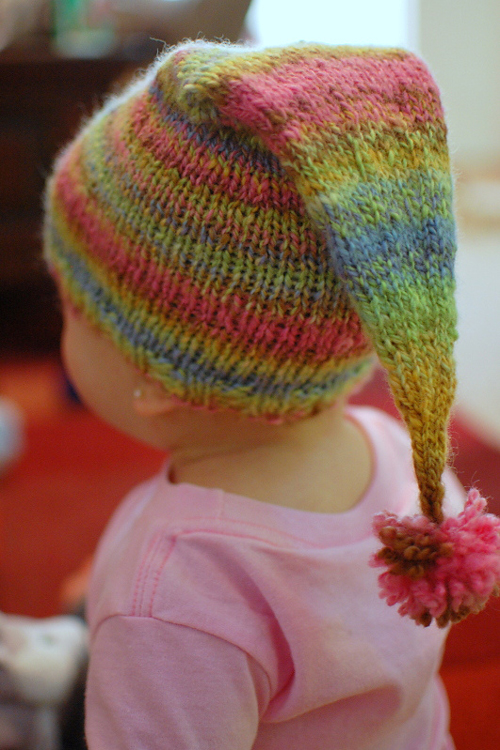
The Hudson Hat – Earflap Knitting Pattern

The Hudson Hat earflap knitting pattern by Lindsay Baker

The Hudson Hat by Lindsay Baker is a classic earflap hat worked seamlessly in the round, with i-cord ties, optional stripes and sizes ranging from newborn through adult.

The design begins at the lower ties and grows upward through the earflaps and body before closing at the crown. Its simple worsted-weight construction makes it a practical cold-weather project with plenty of room for color customization.

The Hudson Hat pattern is currently available as a paid download from Lindsay Baker's Ravelry store.

Design and original pattern © Lindsay Baker.

The Hudson Hat Pattern Overview

  • Designer: Lindsay Baker
  • Pattern: The Hudson Hat!
  • Craft: Knitting
  • Category: Earflap hat
  • Published: November 2007
  • Construction: Bottom up and worked in the round
  • Finishing: Seamless
  • Style: Unisex
  • Sizes: 0–6 months, 6–18 months, Toddler, Child and Adult
  • Yarn weight: Worsted
  • Suggested yarns: Family Roots Cestari Fine Merino, Willow Merino and Mountain Meadow Wool
  • Yardage: Approximately 100–300 yd / 91–274 m
  • Needles: US 7 / 4.5 mm circular and DPNs; US 5 circular for smaller sections
  • Gauge: Approximately 5 stitches × 7 rows = 1 in in stockinette
  • Main techniques: Knitting in the round, i-cord, earflap shaping, decreases and tassel finishing
  • Skill level: Advanced beginner and up
  • Language: English
  • Pattern availability: Paid pattern

A Classic Seamless Earflap Hat

The Hudson Hat is designed as a practical cold-weather earflap hat with a simple silhouette and flexible styling.

The earflaps extend downward to provide extra coverage, while the i-cord ties allow the hat to be secured comfortably.

Because the hat is worked seamlessly in the round, there is no long vertical seam to sew at the end.

Worked From the I-Cord Ties Up

One of the most distinctive construction details is that the hat begins with the i-cord ties.

From there, the earflaps are built and then joined into the main body of the hat.

The knitting continues upward in the round toward the crown.

Why I-Cord Works Well for Earflap Hats

I-cord creates a narrow, rounded knitted cord that is stronger and more finished-looking than a simple chain of yarn.

On The Hudson Hat, the ties are integrated into the overall construction rather than being added as an afterthought.

They can also be finished with tassels for a classic winter-hat appearance.

Five Sizes From Baby to Adult

The current pattern includes:

  • 0–6 months
  • 6–18 months
  • Toddler
  • Child
  • Adult

This wide size range makes the same pattern useful for family knitting and gift projects.

Worsted-Weight Yarn

The Hudson Hat is designed for worsted-weight yarn.

The pattern currently lists several Family Roots wool and merino yarns as suggested options.

A smooth worsted-weight wool is a natural choice for this project because it provides warmth, elasticity and good stitch definition.

Yardage

The published yarn requirement ranges from approximately:

100–300 yards / 91–274 meters.

Smaller baby sizes naturally require less yarn, while adult sizes and multi-color versions may need more.

If you plan to add multiple stripes or large tassels, allow a little extra yarn for finishing.

Needles

The current pattern information lists:

  • US 7 / 4.5 mm circular needle
  • US 7 / 4.5 mm double-pointed needles
  • US 5 circular needle for smaller sections

Double-pointed needles become useful as the crown circumference decreases.

Gauge

The published stockinette gauge is approximately:

5 stitches × 7 rows = 1 inch.

Because this is a fitted hat, gauge affects the final circumference and overall comfort.

Check your gauge before starting, especially if you substitute a different worsted-weight yarn.

Stripe-Friendly Construction

The Hudson Hat works particularly well with stripes.

The designer notes that the construction is easy to customize with color changes, so you can use:

  • Two-color stripes
  • Scrap-yarn stripes
  • Gradient color sequences
  • A single solid color

This also makes the pattern useful for using special leftover yarns that are too small for a larger project.

A Good Scrap-Yarn Hat

Smaller sizes need relatively little yarn, making the Hudson Hat a practical way to use partial skeins.

You can combine coordinating worsted-weight colors for the body, earflaps, ties and tassels.

Try to keep the yarn weights and fiber behavior reasonably similar so the finished hat has consistent tension.

Tassel Finishing

The i-cord ties can be finished with tassels for a traditional earflap-hat look.

The current pattern includes a tassel tutorial with step-by-step photos.

Tassels are optional from a practical point of view, but they add a decorative finish and can help visually balance the long ties.

Skills You'll Use

  • Casting on
  • Working i-cord
  • Knitting in the round
  • Working with circular needles
  • Using double-pointed needles
  • Increasing and shaping earflaps
  • Joining sections in the round
  • Stockinette stitch
  • Changing colors for stripes
  • Crown decreases
  • Making tassels
  • Weaving in ends

Is The Hudson Hat Beginner Friendly?

The designer describes the pattern as suitable for an advanced beginner and up.

The individual techniques are not unusually difficult, but the project does combine several useful skills: i-cord, small-circumference knitting, shaping and joining sections into the round.

A knitter who already knows basic knit stitches and has some experience working in the round should find this a manageable next project.

Can You Knit It Without Earflaps?

Some knitters have adapted The Hudson Hat by omitting the earflaps and using a ribbed brim instead.

This creates a more conventional beanie while preserving the general shape and crown construction.

However, this is a project modification rather than the standard pattern construction, so follow the original instructions first if you are new to the design.

Tips for a Better Fit

Check gauge before casting on. Small differences in gauge can change hat circumference significantly.

Choose the size from head measurements when possible. Age labels are useful guides, but actual head size is more reliable.

Keep i-cord tension consistent. Very tight ties can become stiff, while very loose i-cord may look uneven.

Try the hat on before finishing the crown if possible. This helps confirm the body depth.

Is The Hudson Hat a Free Knitting Pattern?

No. The Hudson Hat by Lindsay Baker is currently a paid knitting pattern.

The current Ravelry listing prices the pattern at $4.50 USD.

Amazing Knitting previously featured the design as a pattern-discovery post, but prices and availability can change. We therefore identify its current paid status clearly.

View The Hudson Hat Pattern →

Why This Hat Is Worth Considering

The Hudson Hat has remained popular because it combines a practical winter shape with flexible sizing and easy color customization.

Its seamless construction keeps finishing relatively simple, while the earflaps, i-cord ties and tassels give the project enough detail to remain interesting.

The five-size range also makes it a useful family pattern rather than a single-age baby hat.

Pattern Availability

Amazing Knitting links readers to legitimate designer or publisher sources whenever possible. Pattern prices, download locations and availability can change after an article is published.

Read Our Pattern Availability Policy →

Amazing Knitting is an independent pattern discovery and project-guide site. The Hudson Hat design and complete knitting instructions remain the intellectual property of Lindsay Baker. This guide does not reproduce the designer's complete row-by-row pattern instructions.

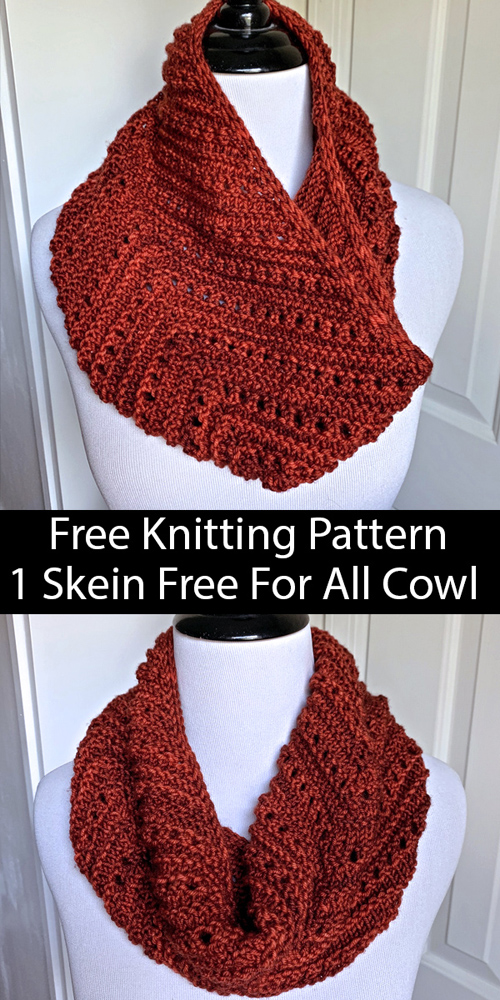
Free For All Cowl - Free Knitting Pattern

Free For All Cowl - Free Knitting Pattern
Photos above © advilhauer
What beautiful knitting cowl pattern! I found it on Ravelry.
Cowl knit flat in a zigzag eyelet pattern that looks great with variegated yarn. Uses one skein (200 - 225 yards) of Worsted/DK weight yarn. Length and width easily customizable. Written instructions. Designed by Jen Peck.

Download Pattern: Free For All Cowl 

Cascading Kittens - Knitting Pattern

Cascading Kittens - Knitting Pattern
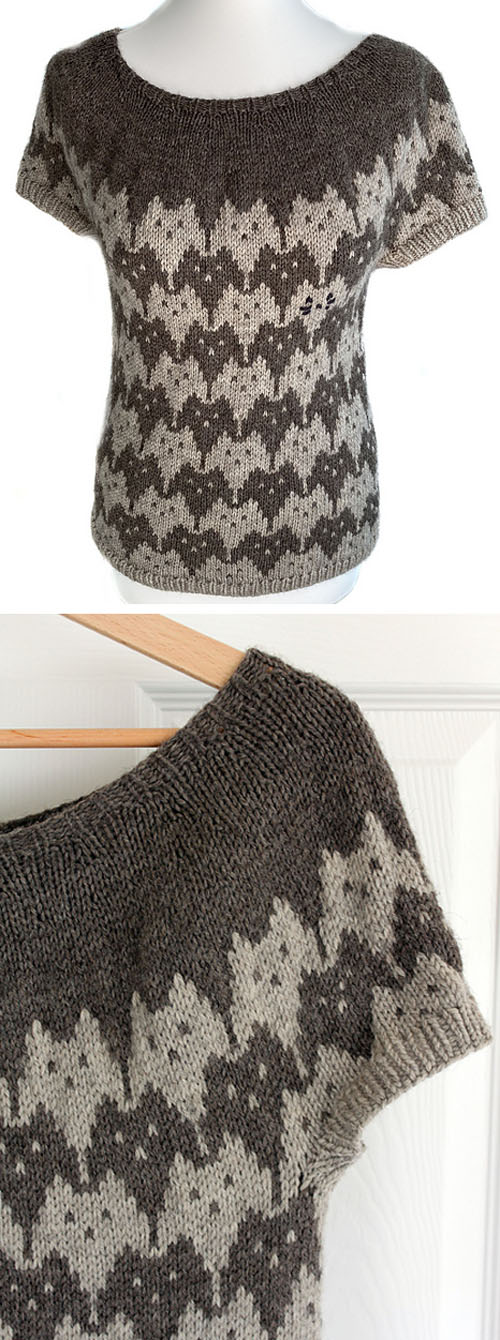
Photos above © Claire Slade
What beautiful sweater knitting pattern! I found it on Ravelry...
I love the happy little cats covering the Cascading Kittens sweater by Claire Slade. It’s a short-sleeved (though that can be adjusted), top-down, circular yoke sweater worked mostly in colorwork cats.

Full Post: Cascading Kittens

Tiny Parlor Cat - Free Pattern

Tiny Parlor Cat - Free Pattern
Photos above © Sara Elizabeth Kellner
What beautiful knitting tiny parlor cat! I found it on Ravelry.
It’s 3 inches long (excluding tail), worked in the round, and all in one piece. It also knits up very quickly!
The pattern specifies worsted weight yarn, but you can use whatever you have on hand - just adjust your needle size accordingly.

Download Pattern: Tiny Parlor Cat

Cupcake Hat & Bootie Set

Cupcake Hat & Bootie Set
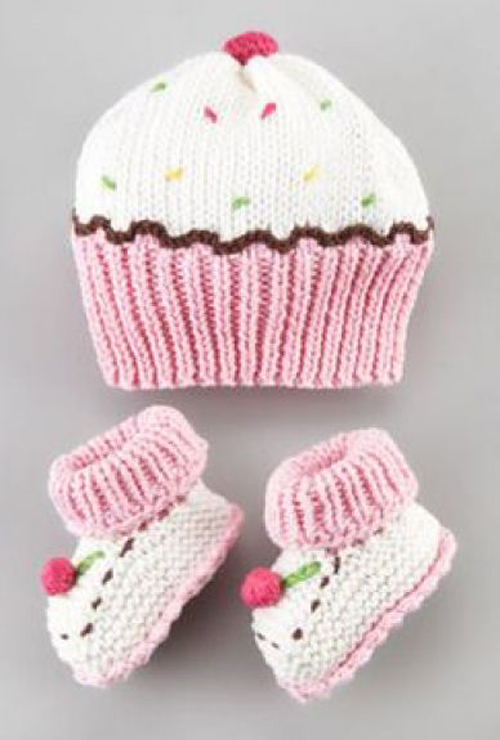
The photo above © Art Walk
Keep baby warm, cozy, and looking cute in this precious Art Walk hat and bootie set.
Art Walk designs for newborns are knitted from breathable, super-soft yarn, with applique details lending a distinctive touch. Look for coordinating sweaters, hats, booties, and stroller blanket sets, all of which are sure to become treasured keepsakes.

Beautiful Knitting Stitch Pattern For Cardigan - Tutorial

Beautiful Knitting Stitch Pattern For Cardigan - Tutorial
Photos above © knit with me
What beautiful knitting stitch (free knitting pattern)! I found it on Pinterest... With The Help Of This Step By Step Guided Video Tutorial, You Will Learn Beautiful Knitting Stitch Pattern For Cardigans. It’s a Very Beautiful Knitting Project Which Can Be Done By Beginner Knitters. This Knitting Stitch Will Also Help You In Crocheting Hats, Scarfs, Blankets, And Many Interesting Knitting Projects. Try This Lovely Knitting Creation For Free Below.

Full Post: Beautiful Knitting Stitch

Garden View Shawlette - Free Pattern

Garden View Shawlette - Free Pattern
Photo above © marico
What beautiful knitting shawl / wrap! I found it on Ravelry.
Tracy Withanee designed this wrap with a leaf lace border.

Download Pattern: Garden View Shawlette 

Gradient Wurm Hat – Free Textured Beanie Knitting Pattern

Gradient Wurm Hat free textured beanie knitting pattern using gradient yarn

Gradient Wurm is a colorful interpretation of the popular Wurm hat by katushika, using gradient yarn to emphasize the design's distinctive raised ridges.

The original Wurm pattern is a seamless unisex beanie worked in the round. Its simple alternating textured sections make it especially effective with slow color-changing or gradient yarns, where each ridge can highlight a new part of the color transition.

The exact hat pattern remains available as a free Ravelry download.

Original Wurm design © katushika. Gradient project photo © EspaceTricot.

Gradient Wurm Hat Overview

  • Original pattern: wurm
  • Designer: katushika
  • Gradient project: EspaceTricot
  • Craft: Knitting
  • Category: Beanie / toque
  • Published: May 2009
  • Construction: One piece, worked in the round
  • Finishing: Seamless
  • Style: Unisex
  • Sizes: Small, Medium and Large
  • Head circumference: Approximately 53–55, 55–57 and 57–59 cm
  • Suggested yarn: Lana Grossa Cool Wool Merino 2000
  • Yarn weight: Sport
  • Needles: US 4 / 3.5 mm and US 6 / 4.0 mm
  • Gauge: 24 stitches × 34 rows = 4 in / 10 cm in stockinette stitch
  • Main techniques: Knitting in the round, stockinette stitch, purl ridges and crown decreases
  • Pattern availability: Free Ravelry download

What Is Gradient Wurm?

Gradient Wurm is not a separate knitting pattern. It is a project variation of the original Wurm hat designed by katushika.

The version shown here was knitted by EspaceTricot using gradient yarn, which allows the changing colors to move naturally through the horizontal textured ridges.

That combination works particularly well because the structure of Wurm is simple enough to let the yarn become a major part of the visual design.

The Original Wurm Hat

Wurm is a relaxed textured beanie designed for both women and men.

The hat is worked in the round as one seamless piece and features repeated horizontal ridges that create its recognizable slouchy texture.

The original designer describes it as a practical hat that works with many different hairstyles and provides extra warmth around the ears.

Why Gradient Yarn Works So Well

Slow color-changing yarn is especially effective in this pattern because the hat contains broad horizontal bands.

As the yarn gradually changes shade, each ridge can develop a slightly different color, making the simple texture look much more complex.

A long gradient generally creates the smoothest transition, but self-striping or hand-dyed yarn can also produce interesting results.

Choosing Gradient Yarn

For a look similar to the featured Gradient Wurm, choose a yarn with gradual rather than abrupt color changes.

Useful options include:

  • Long-gradient yarn
  • Hand-dyed gradient yarn
  • Ombre yarn
  • Self-striping sport-weight yarn
  • Two coordinating yarns used strategically

Strong contrast between colors will emphasize the ridges, while a subtle gradient creates a softer blended effect.

Sport-Weight Yarn

The original Wurm pattern recommends sport-weight yarn.

The suggested yarn is Lana Grossa Cool Wool Merino 2000, a 100% merino wool yarn.

A similar sport-weight substitute can be used as long as it produces the required gauge and a fabric with enough elasticity for a comfortable hat.

Needles

The pattern uses two needle sizes:

  • US 4 / 3.5 mm
  • US 6 / 4.0 mm

The smaller needles are used where a firmer fabric is required, while the larger size creates the main body of the hat.

Use the needle size that allows you to obtain the published gauge rather than relying only on the number printed on the pattern.

Gauge

The official gauge is:

24 stitches × 34 rows = 4 in / 10 cm in stockinette stitch.

Gauge matters for a hat because it determines both the circumference and the overall fit.

A hat that is too loose may slip, while excessively tight gauge can reduce stretch and make the brim uncomfortable.

Three Adult Sizes

The Wurm pattern includes three sizes:

  • Small: fits approximately 53–55 cm head circumference
  • Medium: fits approximately 55–57 cm
  • Large: fits approximately 57–59 cm

Measure around the widest part of the head before choosing a size.

Worked in the Round

Wurm is knitted entirely in the round.

This means there is no vertical seam running up the finished hat.

The seamless construction also makes the repeating ridges look continuous all the way around the head.

The Textured Ridges

The signature feature of Wurm is the sequence of horizontal raised ridges.

These are created through simple changes in the knitted fabric rather than traditional cables or complex lace.

Because the texture is repetitive, it also provides an easy framework for showing off gradient yarn.

An Important Note About the Hem

The designer specifically notes that the lower hem is plain stockinette stitch rather than ribbing.

Some finished project photos can make the edge look ribbed, but that appearance comes from the folded construction rather than a conventional knit-and-purl rib.

Following the original pattern structure will produce the intended result.

Skills You'll Use

  • Casting on
  • Knitting in the round
  • Stockinette stitch
  • Purling in the round
  • Creating textured horizontal ridges
  • Using a provisional technique for the hem
  • Decreasing for crown shaping
  • Working a seamless hat
  • Weaving in ends

Is Wurm Beginner Friendly?

Wurm can be a good next-step project for a knitter who already understands basic knit and purl stitches and is ready to work in the round.

There are no complicated cables or lace motifs to manage.

The main skills beyond basic knitting are the folded hem construction, maintaining the textured ridge sequence and shaping the crown.

Tips for Knitting With Gradient Yarn

Check the color sequence before casting on. Decide whether you want to begin with the lightest or darkest end of the gradient.

Do not cut the yarn unnecessarily. Keeping the strand continuous preserves the natural color transition.

Consider the crown colors. If you want a particular shade at the top of the hat, estimate how much yarn the body will use before beginning.

Swatch the yarn. Some gradient yarns look very different once knitted compared with how they appear in the ball.

Can You Use Solid Yarn?

Yes. The original Wurm pattern was not created exclusively for gradient yarn.

A solid color emphasizes the texture of the raised ridges, while gradient yarn adds an additional color effect.

Speckled, tonal and lightly variegated yarns can also work well.

Unisex Hat Design

One reason Wurm has remained popular is its simple unisex shape.

The hat does not rely on decorative details tied to one particular style, so changing the yarn color can dramatically alter the finished look.

Neutral shades create a classic everyday hat, while bright gradients produce a more playful version.

Is the Wurm Hat Pattern Free?

Yes. The original Wurm hat by katushika is currently available as a free knitting pattern.

The exact pattern is offered as a free download through its original Ravelry pattern page.

Gradient Wurm uses this same pattern; the gradient effect comes from yarn choice rather than from a separate set of knitting instructions.

Get the Free Wurm Hat Pattern →

See the Featured Gradient Wurm Project

The photo featured in this article comes from EspaceTricot's Gradient Wurm project, which demonstrates how effectively the original hat works with gradient yarn.

View the Gradient Wurm Project →

Why This Hat Is Worth Knitting

Wurm combines a straightforward construction with a distinctive textured appearance.

Its repetitive ridges make the knitting easy to follow once established, while the seamless construction keeps finishing to a minimum.

Using gradient yarn transforms the same simple structure into a much more colorful project without adding any additional knitting techniques.

That makes Gradient Wurm particularly appealing for knitters who want to let a special skein of yarn do most of the visual work.

Pattern Availability

Amazing Knitting links readers to legitimate designer or publisher sources whenever possible. Pattern prices, download locations and availability can change after an article is published.

Read Our Pattern Availability Policy →

Amazing Knitting is an independent pattern discovery and project-guide site. The original Wurm design and knitting pattern remain the intellectual property of katushika. The featured Gradient Wurm project photo is credited to EspaceTricot. This guide does not reproduce the designer's complete row-by-row pattern instructions.

Beautiful Knitting Borders - Tutorial

Beautiful Knitting Borders - Tutorial
Photos above © Вяжем дома с Татьяной
What beautiful knitting borders! I found it on Pinterest...
In this video, an explanation of how to make a scalloped border both by knitting as well as crochet style. This is a very easy and beautiful type of border. for knitting, you will need.

Big Herringbone Cowl - Free Pattern

Big Herringbone Cowl - Free Pattern
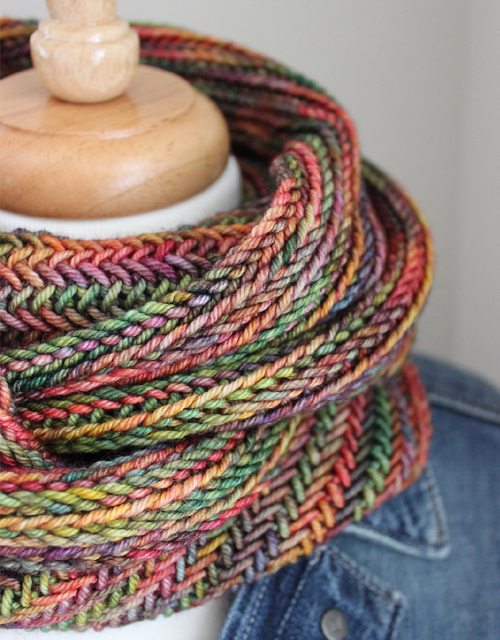
Photo above © bleuknits
I just found this adorable knit cowl pattern on Pinterest!
Wrap up in the large soft folds of this lovely and oversized big herringbone knitted cowl. Learn how to make the cowl with Tutorial & Free Pattern.

Owl Fingerless Gloves - Free Knitting Pattern

Owl Fingerless Gloves - Free Knitting Pattern
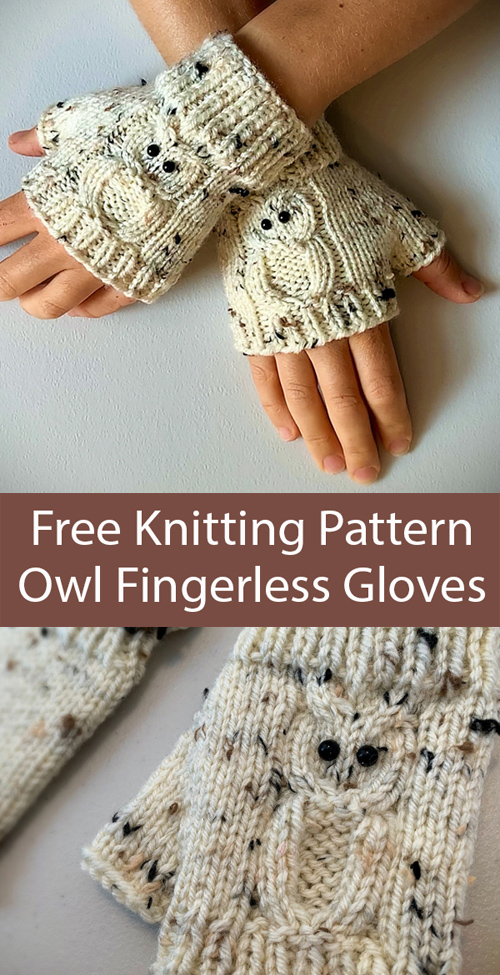
Designed by © Janis Frank

What beautiful fingerless gloves knitting pattern! I found it on Pinterest... Fingerless mitts with a cute owl cable knit in the round. Designed by Janis Frank. Aran weight yarn. Web-version is free.

Full Post: Owl Fingerless Gloves

Discover More From the Archive

A fresh mix of knitting patterns and tutorials from the Amazing Knitting archive.

Finding patterns from the archive…