Skip to content

...

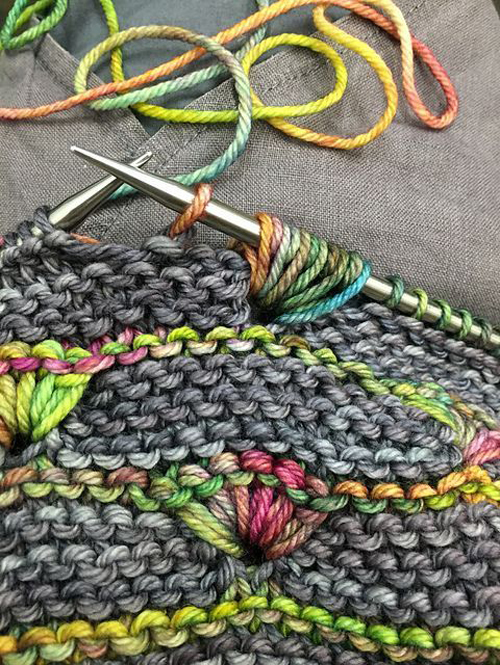
Tulips, A Colorful Cardigan for Baby - Knitting Pattern

Tulips, A Colorful Cardigan for Baby - Knitting Pattern
The photo above © Nicole
What beautiful knitting baby cardigan! I found it on Ravelry...
Super Easy and a great way to use up small amounts of pretty yarn.
Knitting with worsted is like a little vacation after a fingering weight sweater with a bunch of seed stitch!

Full Post: Tulips Cardigan

Aurora Baby Romper – Free Lace Baby Romper Knitting Pattern

Aurora Baby Romper free lace baby romper knitting pattern

Aurora Baby Romper. Photos © Gynka Knitwear

Aurora Baby Girl Romper Suit by Mici Harangozó of Gynka Knitwear is a beautiful free baby romper knitting pattern featuring an all-over lace design, short sleeves and two practical little pockets.

Designed for approximately 9–12 months, the romper is knitted in cotton yarn and worked from the bottom up. The delicate openwork makes blocking an especially important finishing step for this project.

Aurora Baby Romper Pattern Details

  • Designer: Mici Harangozó / Gynka Knitwear
  • Craft: Knitting
  • Category: Baby romper / onesie
  • Pattern availability: Free pattern
  • Size: 9–12 months
  • Yarn: DROPS Muskat
  • Yarn weight: DK
  • Yarn quantity: Just under 5 skeins of the original yarn
  • Needles: US 4 and US 6
  • Gauge: 23 stitches × 35 rows = 4 inches (10 cm) in garter stitch
  • Construction: Bottom up
  • Features: Lace, short sleeves and front pockets

A Beautiful Lace Baby Romper

Aurora stands out from many basic knitted baby rompers because the lace is not simply a small decorative border.

The openwork motif extends across much of the garment, giving the finished romper a light and delicate appearance.

At the same time, garter-stitch details provide visual contrast around areas such as the upper edge and pockets.

Bottom-Up Construction

The Aurora Baby Romper is knitted from the bottom up.

This means the project begins around the lower portion of the romper and gradually develops upward into the body.

Because this is a fitted baby garment rather than a blanket or scarf, keeping track of your gauge and measurements is particularly important.

The Lace Pattern

The defining feature of Aurora is its repeating lace motif.

Yarn overs and decreases create the open areas of the fabric and the flowing vertical appearance visible in the finished romper.

If you are new to lace knitting, it is useful to check your stitch count regularly. A missed yarn over or decrease can affect the alignment of later repeats.

Why Blocking Is Important

Blocking is particularly useful for this design because lace often looks compressed while it is still on the needles.

After the finished garment is washed and carefully shaped, the openwork can relax and the individual motifs become much easier to see.

This is one project where the difference between the fabric before and after blocking can be quite noticeable.

DROPS Muskat Cotton Yarn

The original Aurora romper uses DROPS Muskat, a DK-weight cotton yarn.

Cotton is a natural choice for this type of baby garment because it can create a breathable fabric while also giving lace stitches good definition.

For the published 9–12 month size, the designer states that the project requires five skeins of DROPS Muskat, with a little yarn left over.

Choosing a Substitute Yarn

If you substitute another yarn, don't choose by fiber or yarn-weight label alone.

The replacement yarn needs to produce the required gauge and a fabric suitable for a baby's garment.

A smooth yarn with good stitch definition can be especially helpful here because it allows the lace motif to remain clearly visible.

Needles and Gauge

The published pattern information lists US 4 and US 6 knitting needles.

The listed gauge is 23 stitches and 35 rows = 4 inches (10 cm) in garter stitch.

Always check your gauge before beginning the main garment. Even a small difference can noticeably change the dimensions of a baby romper.

Two Little Front Pockets

One of Aurora's most recognizable design details is the pair of garter-stitch pockets on the front.

Their dense horizontal texture contrasts nicely with the more delicate lace fabric around them.

They also give the finished romper the look of a tiny knitted overall, making the design especially distinctive.

Short Sleeves for a Lighter Baby Outfit

Aurora has short sleeves rather than the long sleeves found on many knitted baby onesies.

Combined with cotton yarn and open lace, this gives the romper a lighter appearance that can work particularly well as a special handmade outfit.

Skills Useful for This Pattern

Before starting Aurora, it helps to be comfortable with:

  • Knitting and purling
  • Garter stitch
  • Yarn overs
  • Basic increases and decreases
  • Following a repeating lace pattern
  • Keeping an accurate stitch count
  • Garment shaping
  • Finishing and blocking lace

Is Aurora a Beginner Baby Knitting Pattern?

Aurora is more suitable for a knitter who already understands the basic knit and purl stitches and is ready to work with lace and garment shaping.

The repeating openwork requires more attention than plain stockinette or garter stitch, particularly because an incorrect stitch count can disturb the following lace repeats.

Working slowly and checking the pattern regularly can make the project much easier to manage.

Tips for Knitting Aurora

Make a gauge swatch before casting on, especially if you are replacing the original DROPS Muskat.

While working the lace, check your stitch count at regular intervals instead of waiting until the end of a large section.

Finally, allow time for proper blocking. The finished lace is one of the main attractions of this romper, and blocking helps reveal the pattern you have spent so much time knitting.

A Special Handmade Baby Gift

A knitted romper requires more time than a small hat or pair of booties, but the finished result can make a memorable handmade baby gift.

Aurora is particularly appealing if you want something different from the usual baby cardigan. The combination of lace, short sleeves, pockets and an all-in-one silhouette gives it a very recognizable style.

Get the Free Aurora Baby Romper Pattern

The complete Aurora Baby Girl Romper Suit by Mici Harangozó / Gynka Knitwear is available from the designer's pattern page. Visit the original source for the complete knitting instructions and any current pattern updates.

Get the Free Aurora Baby Romper Knitting Pattern

Pattern availability was checked when this article was updated. Availability, sizing and pattern details on external websites may change over time.

Wee Leafy Baby Set - Free Pattern

Wee Leafy Baby Set - Free Pattern
Photos above © flintknits & © juliebie

What beautiful knitting baby set (free pattern)! I found it on Ravelry...
A super-simple, super-quick baby gift. Written for newborns, but easily adapted to larger sizes.

Download Pattern: Chestnut Street Scarf 

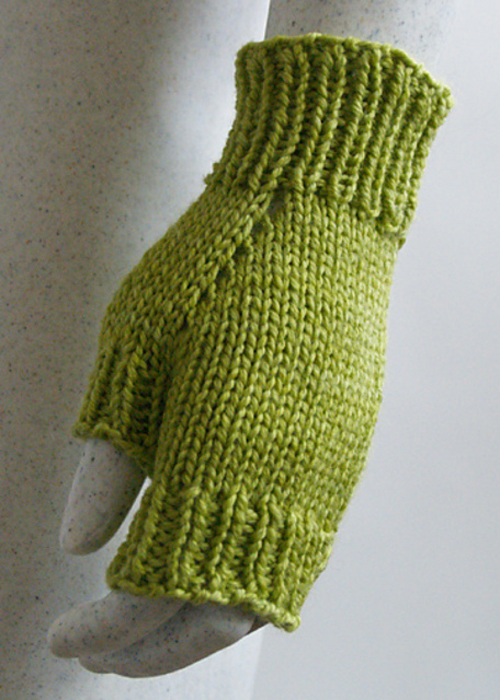
Cabled Fingerless Mittens - Free Pattern

Cabled Fingerless Mittens - Free Pattern
Photos above © FitzBirch Crafts
What beautiful knitting fingerless mittens (free pattern)! I found it on Pinterest...
Beautifully detailed cabled fingerless mittens to knit from sock wool. Free pattern.

Lehigh Shawl - Knitting Pattern

Lehigh Shawl - Knitting Pattern
The photo above © urbanfarmwife
What beautiful knitting shawl! I found it on Ravelry.
The shawl is worked from the triangle point, with increases worked each side on every row up to the top edge.

Full Post: Lehigh Shawl 

Knit Twine Scrubbing Sponge - Tutorial

Knit Twine Scrubbing Sponge - Tutorial
The photo above © Emily Johnson
What beautiful knitting tutorial! I found it on Pinterest...

Perfect Texting Mitts - Knitting Pattern

Perfect Texting Mitts - Knitting Pattern
The photo above © Tilli Tomas
What beautiful knitting mittens (Pdf pattern)! I found it on Ravelry.
This knitting pattern indicates to put the hand stitches on hold and knit the thumb first, but it should actually be done the other way around: place a thumb on hold, knit hand, then pick up thumb stitches and complete thumb.

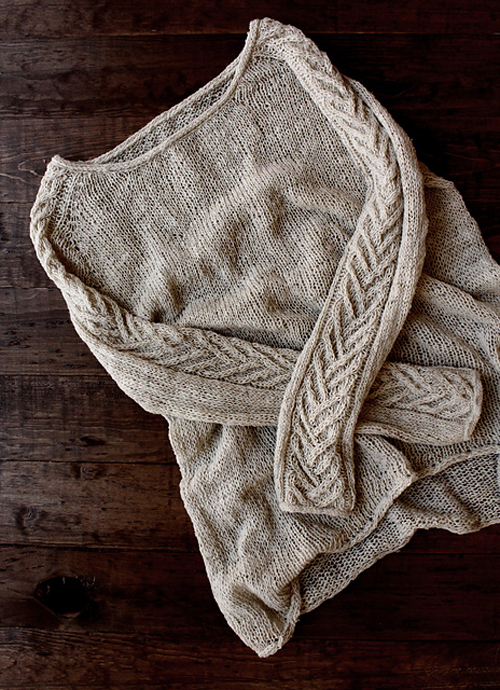
Wheat Sweater - Knitting Pattern

 Wheat Sweater - Knitting Pattern
The photo above © Alina Schneider
What beautiful knitting sweater! I found it on Ravelry...
Wheat is a top-down sweater with the yoke shaped as the compound raglan, which creates a natural line running along the shoulder - something between the classic raglan and set-in sleeve.

Full Post: Wheat

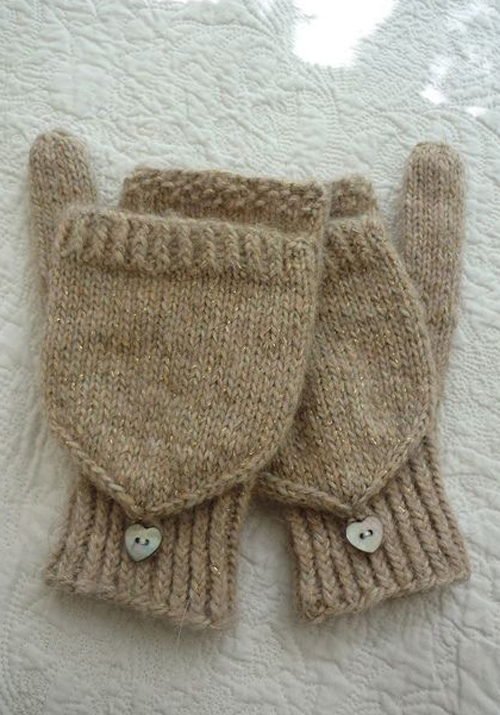
Midsummer Mittens - Free Pattern

Midsummer Mittens - Free Pattern
The photo above © Cherubin
What beautiful knitting mittens (free pattern)! I found it on Ravelry.
When the weather is cold, my hands need mittens. Whipping those mittens on and off to get at some spare change, use my transit pass, turn a page, or fiddle with my coat zipper can be awkward, especially when my hands are already full. Gloves are more convenient, but they aren’t as warm. These fingerless mitts with a removable mitten enclosure not only keep my hands and fingers warm as toast but when I need my fingertips to be free, I can do that without removing the entire mitt. Since I anticipate that the mitten top will be in use the majority of the time, I designed it to lie flat when it’s off. There’s no i-cord loop or button to get snagged on anything. These gloves also accommodate my larger-than-average fingers by increasing slightly from the wrist to the knuckles. The measurements contained in this pattern are simply a guide. The good thing about knitting your own gloves is that you can (and should!) customize them for your own hands.

Download Pattern: Midsummer Mittens

Diandra Sweater - Free Pattern

Diandra Sweater - Free Pattern
The photo above ©  Amano Yarns
What beautiful knitting sweater (free pattern)! I found it on Ravelry...
Pullover with striped cowl collar and sleeve cuffs knit in a 6 row repeat 3 color broken rib stripe. Worked seamlessly in the round from the top down. Sizes Bust – 38½ (41-46-49½-53½)" 98 (104-117-126-136) cm. Worsted weight yarn. 

Download Pattern: Diandra 

Malabrigo Loafers - Knitting Pattern

Malabrigo Loafers - Knitting Pattern
The photo above © AliceKathryn
What beautiful knitting slippers! I found it on Ravelry...
Malabrigo yarn is so soft… wearing these loafers is like walking in a cloud.

Full Post: Malabrigo Loafers 

Pearled Frost Shawl – Textured Triangle Shawl Knitting Pattern

Pearled Frost textured triangle shawl knitting pattern by Melanie Rice

Pearled Frost Shawl. Photo © Melanie Rice

Pearled Frost by Melanie Rice is a striking triangular shawl knitting pattern featuring an unusual textured stitch motif that creates a beautifully sculpted surface.

Worked in worsted-weight yarn, this is a substantial shawl with plenty of texture and visual interest. The pattern includes both charted and fully written instructions, allowing knitters to choose the format they prefer.

Availability update: Pearled Frost has previously been shared online as a free-pattern recommendation, including on this older Amazing Knitting page. The pattern is currently listed as a paid pattern, so we have updated this guide to reflect its present availability.

Pearled Frost Shawl Pattern Details

  • Designer: Melanie Rice
  • Craft: Knitting
  • Category: Shawl / wrap
  • Shape: Triangle
  • Yarn weight: Worsted
  • Yardage: Approximately 700 yards
  • Needles: US 8 (5 mm)
  • Gauge: Approximately 20 stitches per 4 inches
  • Construction: Worked flat
  • Main feature: Highly textured stitch pattern
  • Instructions: Written and charted
  • Current status: Paid pattern

A Dramatic Textured Triangle Shawl

The defining feature of Pearled Frost is its distinctive texture. Rather than relying primarily on color changes, the design creates visual interest through the knitted fabric itself.

Repeating raised motifs form strong lines across the triangular shawl, giving the finished piece a sculptural appearance that is especially effective in a solid or gently tonal yarn.

This makes Pearled Frost a good example of how stitch manipulation can transform a relatively simple yarn into a highly decorative fabric.

Worsted-Weight Yarn

Pearled Frost is designed for worsted-weight yarn, making it heavier and cozier than many shawls worked with traditional fingering-weight yarn.

Approximately 700 yards are listed for the design. When choosing a substitute yarn, compare both yarn weight and total yardage rather than relying only on the number of skeins.

A smooth yarn can be particularly useful for this pattern because it allows the distinctive surface texture to remain clearly visible.

Choosing Yarn for Pearled Frost

Because texture is the star of this shawl, yarn choice can make a noticeable difference to the finished result.

Solid and tonal colors are excellent choices when you want the stitch pattern to stand out strongly. Very busy variegated yarns may compete visually with the textured motifs.

Wool and wool-blend worsted yarns can also provide useful stitch definition while producing a warm finished shawl.

Needles and Gauge

The pattern lists US 8 (5 mm) needles and a gauge of approximately 20 stitches per 4 inches (10 cm).

As with most shawls, achieving a fabric you like is important. However, gauge still affects the finished dimensions and the amount of yarn you will need.

Melanie Rice includes a gauge-swatch section in the pattern, which is particularly useful for becoming familiar with the stitch pattern before beginning the full shawl.

Written and Charted Instructions

Pearled Frost provides the stitch pattern in both charted and fully written form.

This is helpful for knitters who strongly prefer one method of following a pattern over the other.

Charts provide a visual representation of how the motifs develop across the fabric, while written instructions allow each row to be followed step by step.

Working the Textured Stitch Pattern

Pearled Frost is more involved than a basic garter-stitch shawl. Its appeal comes from the repeated textured motifs that build across the fabric.

Wrong-side rows still contain some patterning, so this is a project that rewards paying attention to your place in the repeat rather than assuming every wrong-side row is simply purled or knitted.

A row counter can be useful for keeping track of progress through the repeating sections.

Skills Used in Pearled Frost

Knitters working this design should be comfortable with, or ready to practice:

  • Knitting and purling
  • Working flat
  • Following stitch repeats
  • Reading written knitting instructions
  • Reading knitting charts
  • Working increases and decreases
  • Slipped-stitch techniques
  • Keeping track of patterned rows
  • Blocking textured knitting

Is Pearled Frost Beginner Friendly?

Pearled Frost is better suited to a knitter who already feels comfortable with the basic knit and purl stitches and is ready for a project that requires more concentration.

The shawl's textured motifs are the main attraction, but they also mean that careful row tracking is more important than it would be in a plain stockinette or garter-stitch shawl.

The included gauge-swatch instructions provide a useful opportunity to practice the stitch pattern on a smaller piece before committing to the full project.

Use a Row Counter

A simple row counter is particularly useful for a patterned shawl such as Pearled Frost.

Marking completed rows as you work can make it much easier to return to the project after a break without losing your position in the repeat.

You may also find it helpful to highlight or mark each completed row on the written instructions or chart.

Consider Adding Lifelines

Lifelines can provide extra security when working unfamiliar textured stitch patterns.

After completing a section correctly, thread a contrasting strand through the live stitches without disturbing them. If a mistake appears later, the lifeline gives you a known safe row to return to.

This can be especially helpful as the shawl grows and the rows become longer.

Why Swatching Is Useful Here

A swatch does more than check gauge for Pearled Frost.

It also lets you learn how the textured motif is formed, see whether your chosen yarn provides enough stitch definition, and observe how the fabric changes after washing.

If the motif disappears in a very fuzzy or highly variegated yarn, you can change yarn or needle size before investing many hours in the full shawl.

Blocking the Finished Shawl

Blocking helps settle the stitches and reveal the structure of the finished fabric.

Follow a blocking method appropriate for the fiber content of your yarn, and avoid stretching the texture so aggressively that the raised motifs become flattened.

Allow the shawl to dry completely before removing pins or moving it from the blocking surface.

Pearled Frost and Sand Frost

Melanie Rice later designed another shawl called Sand Frost in response to knitters who liked the stitch pattern used in Pearled Frost.

Sand Frost is a separate design. It uses the related stitch motif but was created with greater flexibility in yarn weight and sizing and uses a different construction.

If you encounter both names while searching, remember that Pearled Frost and Sand Frost are not the same pattern.

A Statement Shawl in a Single Color

Pearled Frost demonstrates that a shawl does not need elaborate colorwork to make a strong visual statement.

Using a single color allows light and shadow across the raised stitch pattern to create much of the visual effect.

This can make the design particularly attractive when you have a beautiful worsted-weight yarn whose texture and color you want to showcase.

Why Knit the Pearled Frost Shawl?

Pearled Frost is a good choice for knitters who enjoy projects where the knitting process itself creates the decoration.

The combination of worsted-weight yarn, triangular shaping and strong textured motifs produces a substantial shawl that can be both practical and visually distinctive.

Written and charted instructions also make it possible to follow the stitch pattern using whichever format works best for you.

Get the Pearled Frost Shawl Pattern

Pearled Frost by Melanie Rice is currently available as a paid digital knitting pattern.

View the Pearled Frost Shawl Pattern →

Pattern availability and pricing can change over time. Amazing Knitting does not reproduce or distribute the designer's copyrighted pattern instructions.

Discover More From the Archive

A fresh mix of knitting patterns and tutorials from the Amazing Knitting archive.

Finding patterns from the archive…