Skip to content

...

Amina Earwarmer – Free Herringbone Knit Headband Pattern

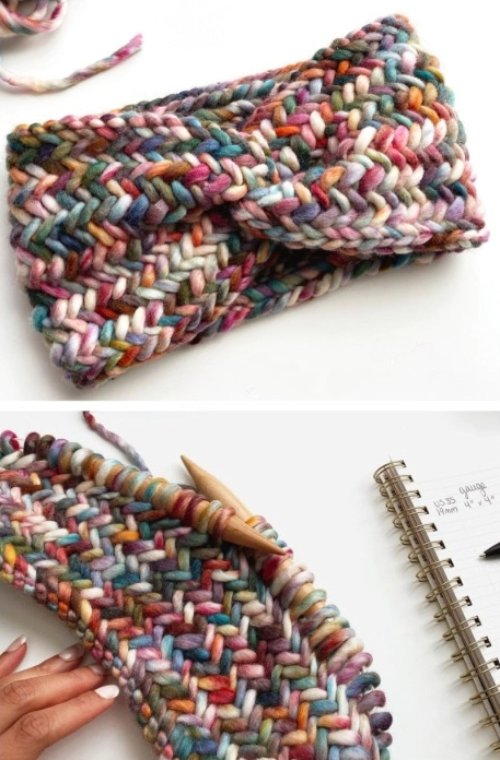
Amina Earwarmer free herringbone knit headband pattern by Krysten Grymes

Amina Earwarmer. Photo © Krysten Grymes / yarnTh3ory

The Amina Earwarmer by Krysten Grymes of yarnTh3ory is a beautifully textured knit headband featuring an eye-catching herringbone stitch and a stylish twisted front.

Worked with super bulky yarn, the free adult version requires only about 68 yards (62 m), making it a quick winter accessory, market project or last-minute handmade gift.

Best of all, the adult-size knitting pattern is still available free from the designer. An expanded paid version is also available with four sizes and two yarn-weight options.

Amina Earwarmer Knitting Pattern Details

  • Designer: Krysten Grymes
  • Brand: yarnTh3ory
  • Published: November 2022
  • Craft: Knitting
  • Category: Earwarmer / knit headband
  • Free version: Adult size in super bulky yarn
  • Yarn weight: #6 Super Bulky
  • Suggested yarn: Malabrigo Rasta
  • Yardage: 68 yards (62 m)
  • Main needles: US 35 (19 mm)
  • Bind-off needles: US 17 (12 mm)
  • Gauge: 12 stitches × 9 rows = 4 inches (10 cm)
  • Finished adult circumference: 21 inches
  • Finished width: 5.75 inches
  • Skill level: Intermediate
  • Main texture: Herringbone knit stitch
  • Construction: Worked flat and seamed into a twisted earwarmer

What Makes the Amina Earwarmer Special?

The standout feature of this design is its herringbone knit texture.

Instead of a simple ribbed or garter-stitch headband, the fabric has a dense diagonal appearance that gives the finished accessory a polished, almost woven look.

The folded join at the front adds another design element, creating the fashionable twisted shape seen in the finished earwarmer.

The Free Amina Earwarmer Pattern

There are currently two versions of the knitting pattern, so it is useful to understand the difference before starting.

The designer's free version provides the instructions for the adult size using super bulky yarn.

This is a complete free pattern published directly on the yarnTh3ory website, not simply a preview of the paid PDF.

What Is Included in the Paid Version?

Knitters who need additional sizing or want to use a different yarn weight can choose the designer's expanded paid version.

The expanded pattern includes:

  • Baby size
  • Child size
  • Teen size
  • Adult size
  • Super bulky yarn instructions
  • Worsted-weight yarn instructions

If you only want to make the adult super-bulky version shown here, however, the designer continues to provide those instructions free.

Super Bulky Yarn Makes It Quick

The free version uses #6 super bulky yarn.

Krysten Grymes made her sample with Malabrigo Rasta in the color Molino.

Rasta is a thick merino wool yarn with excellent stitch definition, making it particularly effective for showing the strong diagonal lines of the herringbone texture.

Only 68 Yards of Yarn

One of the biggest attractions of the Amina Earwarmer is its modest yarn requirement.

The free adult version calls for approximately:

68 yards / 62 meters
of #6 super bulky yarn

That makes it a useful project for a partial skein left over from another super-bulky project, provided you have enough yardage and can achieve the required gauge.

Choosing Substitute Yarn

You do not have to use the original Malabrigo Rasta to make the earwarmer.

Look for a #6 super bulky yarn that produces a fabric close to the designer's gauge.

Because the herringbone texture is the main visual feature, a relatively smooth yarn with good stitch definition can help the diagonal pattern remain clearly visible.

Solid, tonal and gently variegated colors can all work well, although highly contrasting multicolored yarn may make the herringbone texture less obvious.

Needles

The free pattern uses two unusually large needle sizes:

  • US 35 (19 mm) circular needles for the main fabric
  • US 17 (12 mm) circular needles for binding off

The smaller needle is used at the finishing stage rather than for knitting the main herringbone fabric.

Gauge and Finished Size

The designer's gauge is:

12 stitches × 9 rows = 4 inches (10 cm)

The finished adult earwarmer measures approximately:

  • Circumference: 21 inches
  • Width: 5.75 inches

The free pattern also explains that the size can be adjusted by changing the number of stitches cast on, while the width can be changed by working more or fewer rows.

What Is Herringbone Knit Stitch?

Herringbone knitting creates a distinctive diagonal texture that resembles the classic herringbone pattern found in woven fabrics.

In the Amina Earwarmer, adjacent stitches are worked together in a special way while retaining one of the stitches to continue the sequence.

This creates the dense overlapping appearance that makes the finished headband look much more intricate than an ordinary stockinette accessory.

Is the Amina Earwarmer Beginner Friendly?

The designer rates the knitting pattern as intermediate.

The overall construction is simple, but the herringbone stitch requires more attention than standard knit and purl fabric.

If you are already comfortable handling needles and following a stitch sequence, this can be an excellent small project for learning a new texture without committing to a sweater or large blanket.

Learn the Herringbone Stitch First

Krysten Grymes provides a separate tutorial explaining the basics of the herringbone knit stitch.

It is worth practicing the technique on a small swatch before beginning the earwarmer.

Once your hands become accustomed to the movement, the repeated texture becomes much easier to work consistently.

Worked Flat

Although circular needles are listed, the earwarmer itself is worked flat.

You create a rectangular strip of herringbone fabric and then join the two ends during finishing.

This means you do not need to manage a small circumference in the round, which keeps the overall construction straightforward.

Creating the Twisted Front

The stylish front twist is created during finishing rather than through complicated shaping while knitting.

The ends of the completed strip are folded into position and sewn together. When the earwarmer is turned to the correct side, the folded seam forms the characteristic twist at the front.

The designer includes a demonstration of this finishing technique with the free pattern.

Why Use Smaller Needles for the Bind-Off?

The main fabric is worked on 19 mm needles, while the designer specifies 12 mm needles for the bind-off.

Following the designer's needle change helps reproduce the intended finishing behavior of the original sample.

Herringbone fabric behaves differently from ordinary stockinette, so it is worth following the specified finishing method before making your own adjustments.

Adjusting the Width

The free adult version is approximately 5.75 inches wide.

If you prefer a narrower earwarmer, the designer notes that you can work fewer rows. For additional coverage, work more rows before binding off.

Keep in mind that changing the dimensions will also change the amount of yarn required.

Adjusting the Circumference

The free adult sample finishes at approximately 21 inches in circumference.

The designer notes that the size can be adjusted by changing the number of stitches cast on.

If you make a substantial size adjustment, check your gauge and allow enough yarn before starting.

A Great Quick-Gift Project

The combination of super bulky yarn, a small finished size and only 68 yards of yarn makes the Amina Earwarmer especially appealing for gift knitting.

The designer specifically recommends it for market season and last-minute gifts.

Once you are comfortable with herringbone stitch, making several earwarmers in different colors can be an efficient way to turn small amounts of yarn into finished accessories.

A Useful Market-Knitting Project

Small accessories can be practical projects for craft markets because they require much less yarn and knitting time than full garments.

The strong texture and twisted front give the Amina Earwarmer a distinctive handmade appearance even though the overall construction remains relatively compact.

If you sell finished items, always check the designer's current terms before offering products made from a pattern.

Knitting vs Crochet Amina Earwarmer

Be aware that Krysten Grymes has designed both knit and crochet versions of the Amina Earwarmer.

They share the Amina name and a herringbone-inspired appearance, but they are separate patterns using different techniques and materials.

The pattern featured on this Amazing Knitting page is specifically the knit version published in November 2022.

Why Knit the Amina Earwarmer?

The Amina Earwarmer is a good choice when you want a small project that teaches something more interesting than basic ribbing or garter stitch.

Its herringbone fabric creates striking texture, the super bulky yarn helps the project progress quickly, and the twisted finishing technique gives the simple rectangular construction a stylish final shape.

With the adult instructions still available free from the designer, it is also an accessible way to try herringbone knitting before deciding whether you want the expanded multi-size pattern.

Get the Free Amina Earwarmer Knitting Pattern

The Amina Earwarmer (knit version) by Krysten Grymes is available free for the adult super-bulky version directly from yarnTh3ory.

Get the Free Amina Earwarmer Pattern →

The free designer version currently includes the adult size in super bulky yarn. An expanded paid version includes additional sizes and yarn-weight options. Pattern availability may change over time. Amazing Knitting does not reproduce or distribute the designer's copyrighted pattern instructions.
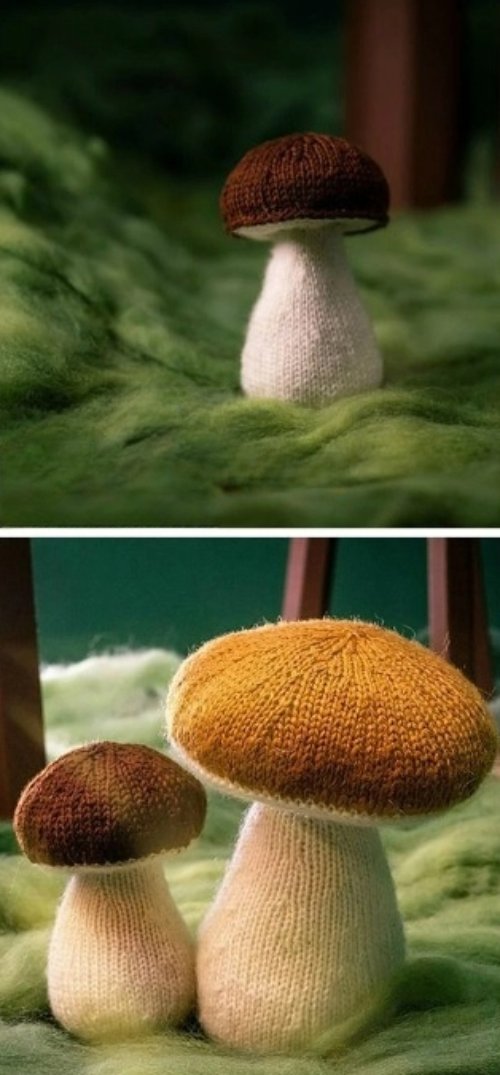
Porcini - Knitted Mushroom Pattern

Porcini - Knitted Mushroom Pattern
Photos above © Norman | knitting blogger

If you love knitting and mushrooms, you will enjoy this free pattern for porcini mushrooms. Porcini are also known as ceps or boletus, and they are edible and delicious. This pattern will show you how to make realistic knitted porcini with simple techniques and materials. You can use them as decorations, toys, or gifts for your friends and family. To access the free pattern, please click on the link below. Happy knitting!

Full Post: Autumn Sweater

Autumn Sweater – Free Icelandic Colorwork Knitting Pattern

Autumn Sweater free Icelandic colorwork knitting pattern by Nazilia Zemdikhanova

Autumn Sweater by Nazilia Zemdikhanova is a beautiful free Icelandic-style sweater knitting pattern featuring a bold stranded colorwork yoke and a cozy oversized silhouette.

If you have some knitting experience but have been hesitant to tackle your first colorwork sweater, this is an especially interesting project. The sweater uses bulky yarn and large needles, so the fabric grows much faster than a typical fine-gauge sweater.

Even better, the designer provides the complete pattern as a free download along with video tutorials covering the construction.

Design and photo © Nazilia Zemdikhanova.

Autumn Sweater Pattern Overview

  • Designer: Nazilia Zemdikhanova
  • Pattern: Autumn
  • Craft: Knitting
  • Category: Pullover
  • Style: Icelandic / circular-yoke sweater
  • Yarn weight: Bulky
  • Suggested yarn: Ístex Álafosslopi
  • Main needles: US 10 / 6 mm
  • Smaller needles: US 7 / 4.5 mm
  • Gauge: 13 stitches and 18 rows = 4 in / 10 cm
  • Sizes: XS, S, M, L, XL, 2XL
  • Yardage: Approximately 1,094–1,422 yd (1,000–1,300 m)
  • Construction: Bottom up, in the round
  • Languages: English and French
  • Pattern availability: Free

A Free Icelandic-Style Sweater Pattern

The defining feature of Autumn is its dramatic stranded colorwork circular yoke. Contrasting motifs travel around the shoulders while the body and sleeves remain much simpler.

This creates the classic visual balance associated with Icelandic-style pullovers: straightforward stockinette knitting across large sections of the garment followed by a decorative yoke where the colors and motifs become the focus.

The sweater is designed with positive ease, giving it a comfortable, relaxed appearance that works particularly well with the substantial bulky-weight fabric.

How the Autumn Sweater Is Constructed

Autumn is knitted from the bottom up and in the round. The body is worked first up to the underarm.

The sleeves are knitted separately, then the body and sleeves are joined onto the same circular needle. From there, the upper sweater is worked together as one piece while the stranded colorwork yoke develops toward the neckline.

This method minimizes finishing because the main sections are worked in the round rather than as separate flat front and back pieces that need to be seamed together.

Autumn Sweater Sizes

The pattern includes six adult sizes:

  • XS: 38.2 in / 97 cm finished bust
  • S: 40.1 in / 102 cm
  • M: 41.7 in / 106 cm
  • L: 43.7 in / 111 cm
  • XL: 45.3 in / 115 cm
  • 2XL: 47.2 in / 120 cm

These measurements describe the finished sweater rather than your body measurement. Before choosing a size, compare the finished circumference with your own bust measurement and consider how much positive ease you want.

Yarn and Gauge

The original pattern suggests Ístex Álafosslopi, a bulky Icelandic wool traditionally well suited to warm outer sweaters.

The published gauge is: 13 stitches and 18 rows = 4 inches (10 cm).

The recommended main needle is US 10 / 6 mm, with US 7 / 4.5 mm needles used for the smaller-gauge sections.

Needle sizes are always a starting point. Make a gauge swatch before beginning and change needle size if necessary to obtain the pattern gauge. Gauge is especially important for a sweater because even a small difference can substantially change the finished circumference.

Choosing Colors for the Yoke

The circular yoke is where this sweater really comes alive. The original design uses contrasting colors to make the stranded motifs clearly visible against the main fabric.

When choosing your own palette, aim for enough contrast between the main color and motif colors. Two shades that look very different in the skein can sometimes appear surprisingly similar once knitted together.

You can stay close to traditional earthy Icelandic colors or create a completely different version with brighter contemporary shades.

Skills You'll Practice

  • Knitting in the round
  • Working a sweater from the bottom up
  • Knitting sleeves in the round
  • Joining sleeves and body
  • Stranded colorwork
  • Reading a colorwork chart
  • Working a circular yoke
  • Managing decreases through the yoke
  • Working ribbed edges
  • Finishing a seamless-style sweater

Is This a Good First Colorwork Sweater?

Autumn can be an appealing first larger stranded-colorwork project for a knitter who already understands basic sweater knitting.

Much of the garment consists of straightforward knitting in the round, so you are not working stranded motifs across the entire sweater. Instead, the more concentrated colorwork appears around the yoke.

The bulky yarn and 6 mm main needles are another advantage: progress is easy to see, and the project generally grows faster than a sweater made from DK, sport or fingering-weight yarn.

Tips for Better Stranded Colorwork

Try not to pull the unused yarn too tightly behind your stitches. The floats need enough room to stretch across the back of the fabric without drawing the knitted fabric inward.

It can help to spread the recently worked stitches along the right-hand needle before carrying the unused color across the back.

Check your colorwork frequently as you knit. If the yoke begins to pucker, your floats may be too tight.

Free Video Tutorials

One of the strongest features of this pattern is that the designer has also provided video tutorials to accompany the written instructions.

These videos can be particularly useful if this is your first Icelandic-style sweater because you can see the construction and techniques demonstrated rather than relying only on written directions.

Get the Free Autumn Sweater Pattern

The exact Autumn Sweater by Nazilia Zemdikhanova is currently available as a free knitting pattern.

The designer provides the pattern through Ravelry in English and French. The pattern page also contains the designer's current project information and links to the accompanying tutorials.

Get the Free Autumn Sweater Pattern →

Why We Like the Autumn Sweater

Autumn combines several qualities that make a sweater project rewarding: a bold visual result, relatively fast bulky-yarn knitting and an opportunity to learn or improve stranded colorwork.

The straightforward body lets you settle into comfortable knitting before the circular yoke introduces the decorative part of the project. The result is a warm handmade sweater with the unmistakable character of traditional Icelandic-inspired knitwear.

Pattern Availability

Amazing Knitting checks the availability of the patterns featured in our guides and links to legitimate designer or publisher sources whenever possible.

Patterns can move, become paid or be discontinued over time. If the availability of this pattern changes, the designer's current listing should be treated as the authoritative source.

Read Our Pattern Availability Policy →

Autumn and its pattern instructions remain the intellectual property of Nazilia Zemdikhanova. Amazing Knitting provides an independent project guide and links to the authorized pattern source; the designer's row-by-row instructions and charts are not reproduced here.

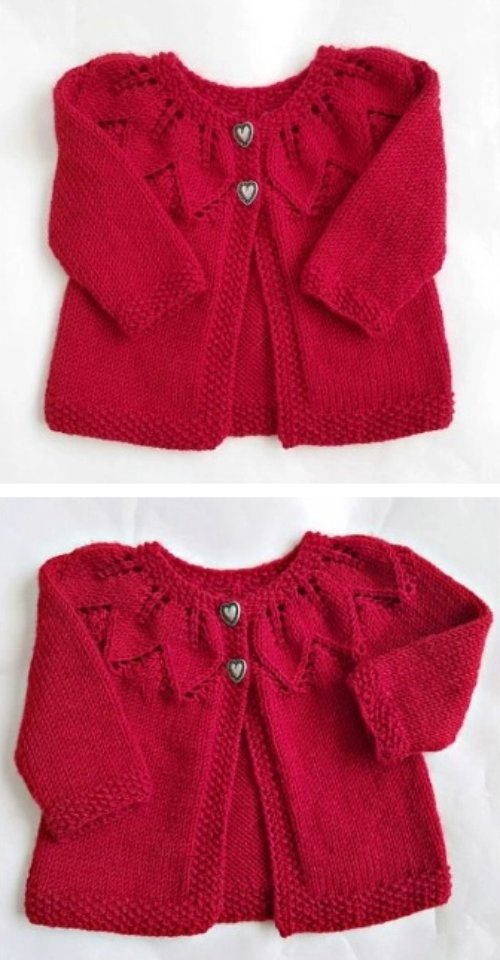
Red Leaves Knit Baby Cardigan Free Pattern

Red Leaves Knit Baby Leaf Cardigan Free Pattern
Photos above © Sofiecat

The Red Leaves Knit Baby Leaf Cardigan is a beautiful and cozy sweater for newborns. The pattern features a leaf motif on the yoke that is created by cleverly adjusting the stitch numbers and shaping. This cardigan is a great gift idea for expecting parents or for your own baby. You can knit it in advance and store it until the right occasion. The pattern is free and easy to follow, and the result is stunning.

Full Post: Autumn Leaves

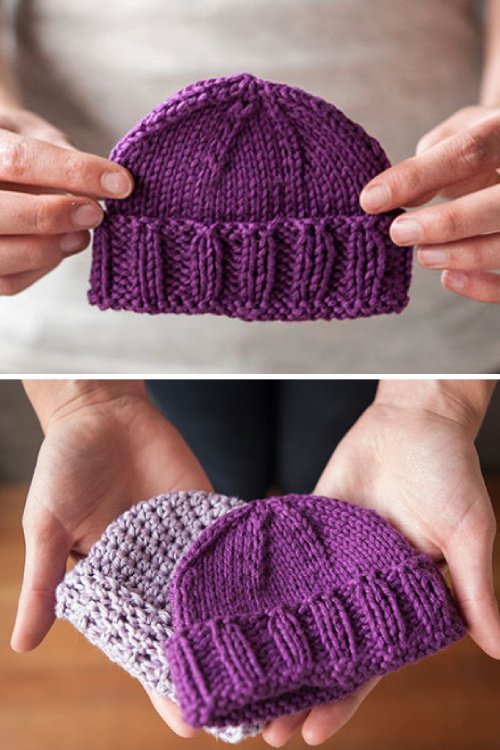
Calming Baby Knit Hat – Free Preemie to Toddler Hat Pattern

Calming Baby Knit Hat free preemie baby and toddler hat knitting pattern by Stacey Winklepleck

Calming Baby Knit Hat. Pattern design © Stacey Winklepleck

The Calming Baby Knit Hat by Stacey Winklepleck is a simple and practical free baby hat knitting pattern available in three sizes from preemie through toddler.

Worked in worsted-weight yarn with a cozy folded cuff and classic stockinette body, this little hat uses only about 109 yards (100 m) of yarn. That makes it an appealing quick knit for a new baby, charity knitting or a small handmade gift.

The pattern was originally published in the Helping Hands collection from Knit Picks and remains available as a free knitting pattern.

Calming Baby Knit Hat Pattern at a Glance

  • Designer: Stacey Winklepleck
  • Published: June 2015
  • Original publication: Helping Hands / Knit Picks
  • Craft: Knitting
  • Category: Baby beanie / toque
  • Sizes: Preemie, Baby and Toddler
  • Yarn weight: Worsted
  • Suggested yarn: Knit Picks Comfy
  • Yardage: Approximately 109 yards (100 m)
  • Needles: US 6 (4 mm)
  • Gauge: 20 stitches × 24 rows = 4 inches (10 cm)
  • Gauge pattern: Stockinette stitch in the round, blocked
  • Construction: Bottom up and worked in the round
  • Brim: Folded cuff
  • Language: English
  • Availability: Free

Three Sizes: Preemie, Baby and Toddler

One of the most useful features of the Calming Baby Knit Hat is that the pattern includes three sizes rather than only a single newborn size.

The listed finished measurements are approximately:

  • Preemie: up to 12 inches circumference × 6 inches high
  • Baby: up to 14 inches circumference × 6.5 inches high
  • Toddler: up to 16 inches circumference × 7 inches high

This makes the pattern useful for everything from a tiny preemie hat to a larger hat for a growing toddler.

A Simple Classic Baby Hat

The Calming Baby Knit Hat proves that a baby project does not need complicated lace, cables or colorwork to look beautiful.

Its design relies on a clean stockinette body and a folded brim, creating a classic shape that works well in almost any color.

The simplicity also makes the hat easy to personalize through yarn choice, stripes or carefully chosen colors.

The Cozy Folded Brim

The folded cuff is one of the most practical details in the design.

Folding the lower portion creates an extra layer of knitted fabric around the ears and forehead, adding warmth without requiring a complicated stitch pattern.

It also gives the otherwise simple stockinette hat a neat, finished appearance.

Bottom-Up Construction

The hat is worked from the bottom up.

You begin at the lower edge, establish the cuff and then continue upward through the body of the hat before shaping the crown.

This is a familiar construction method for many basic knitted hats and can be a useful introduction to hat knitting for someone already comfortable with basic knitting techniques.

Worked in the Round

Calming Baby Knit Hat is worked in the round, so the main hat does not require a traditional seam up the back.

Working stockinette in the round is especially straightforward because the smooth fabric is produced primarily by knitting each round.

As the crown becomes smaller, use your preferred method for knitting small circumferences as required by the original pattern.

Yarn for the Calming Baby Hat

The suggested yarn is Knit Picks Comfy Worsted.

This worsted-weight yarn is a blend of 75% Pima cotton and 25% acrylic, combining the softness of cotton with the practicality of an easy-care blend.

The yarn is listed at approximately 109 yards per 50 grams.

Only About 109 Yards

The pattern lists approximately:

109 yards / 100 meters
of worsted-weight yarn

That modest requirement makes this an attractive small project when you have a suitable partial skein in your stash.

Actual usage can vary with size, gauge and any modifications you make, so having a little extra yarn is always useful.

Choosing Substitute Yarn

You do not have to use the original Knit Picks yarn.

Look for a soft worsted-weight yarn that allows you to achieve the required gauge and produces a comfortable fabric.

For baby knitting, softness and washability are especially useful. Cotton blends, washable wool blends and other baby-friendly worsted yarns can all be worth considering.

Needles and Gauge

The pattern specifies US 6 (4 mm) needles.

The documented gauge is:

20 stitches × 24 rows = 4 inches (10 cm)
in stockinette stitch in the round, blocked

Gauge matters on a fitted baby hat. Even a small difference in stitches per inch can noticeably change the finished circumference.

Make a gauge swatch with your chosen yarn and change needle size if necessary.

Why Swatching Is Worthwhile

A baby hat may be small, but checking gauge is still useful because the intended sizes are based on specific finished measurements.

Blocking the swatch also shows how your yarn behaves after washing and whether the fabric remains soft enough for comfortable wear.

This is particularly useful when substituting a yarn with a different fiber composition from the original cotton-acrylic blend.

Stockinette Stitch Keeps It Simple

Most of the hat uses classic stockinette stitch.

That makes the design a good canvas for beautiful yarn while keeping the knitting itself relatively uncomplicated.

A smooth yarn will emphasize the clean surface, while a gently tonal yarn can add subtle color variation without hiding the simple shape.

Skills Used in the Calming Baby Knit Hat

Useful skills for this project include:

  • Casting on
  • Joining to knit in the round
  • Knitting and purling
  • Stockinette stitch in the round
  • Creating a folded cuff
  • Working decreases
  • Crown shaping
  • Working a small circumference
  • Basic finishing

Is the Calming Baby Hat Beginner Friendly?

The straightforward construction makes this a very approachable small project for a knitter who already understands the basic stitches and is ready to work in the round.

There are no elaborate cable or lace charts to manage. Most of the visual appeal comes from the classic shape and folded cuff.

If you are new to circular knitting, the small size also means you can practice the technique without committing to a large project.

A Quick Stash-Busting Project

With approximately 109 yards required, this little hat can be a useful way to turn leftover worsted yarn into a finished project.

Before using leftovers, weigh or measure your remaining yarn when possible and make sure you have enough for the size you intend to knit.

A contrasting cuff can also be a creative way to combine smaller amounts of compatible yarn.

A Practical Charity-Knitting Pattern

Calming Baby Knit Hat originally appeared in Helping Hands, a collection created around projects suitable for charitable giving.

Its small yarn requirement, straightforward construction and range from preemie to toddler make it particularly relevant for knitters interested in making baby hats for donation.

Always contact the hospital, charity or organization before knitting a donation. Requirements can differ for yarn fiber, colors, dimensions and finishing.

Knitting the Preemie Size

The smallest version is designed for a circumference of up to approximately 12 inches.

If you are making the preemie size specifically for donation, check the recipient organization's current requirements before starting.

Hospitals and neonatal programs may have specific rules about fiber, embellishments and acceptable hat dimensions.

Make It as a Baby Gift

A simple knitted hat can make a thoughtful addition to a larger handmade baby gift.

Pair it with baby booties, a cardigan or a blanket, or knit the hat by itself when you need a smaller project.

Because the design is simple, choosing a beautiful yarn color can make even a quick version feel special.

A Good Gender-Neutral Baby Knit

The classic beanie shape works easily as a gender-neutral baby project.

Soft neutrals, natural shades, pastels or brighter colors can all suit the design without requiring any change to the construction.

This can be useful when knitting a gift before parents have chosen colors or when making hats in advance for charity.

Baby Hat Safety

Keep baby hats simple and securely finished.

Avoid loose embellishments, cords or decorations that could detach, and check the finished hat regularly for damaged yarn or loose ends.

Baby hats and other loose accessories should be removed when appropriate for sleep. Follow current infant safe-sleep recommendations and use the hat under suitable adult supervision.

Why Knit the Calming Baby Hat?

Calming Baby Knit Hat combines several qualities that make a small knitting pattern genuinely useful: three sizes, worsted-weight yarn, simple construction and a modest yarn requirement.

The folded brim adds warmth without complicating the design, while the smooth stockinette body makes it easy to adapt through color and yarn choice.

Whether you are knitting for a new baby, using leftover yarn or making hats for charity, it is a practical pattern worth keeping in your project library.

Get the Free Calming Baby Knit Hat Pattern

Calming Baby Knit Hat by Stacey Winklepleck remains available as a free knitting pattern.

Get the Free Calming Baby Knit Hat Pattern →

Pattern availability was checked when this article was updated. Amazing Knitting does not reproduce the designer's complete copyrighted instructions. Please use the authorized pattern page above for the original free download.

Tiny Window Cat Free Knitting Pattern

Tiny Window Cat Free Knitting Pattern
Photos above © Sarahinparis & © Nutmouse

This is a free knitting pattern for a lovely little cat named Beans. He is a friendly and adorable kitty who loves to sit by the window. This Tiny Free Knitting Pattern will show you how to make this Super Cute Tiny Knitted Window Cat with simple instructions and materials.

Download Pattern: Beans the Cat

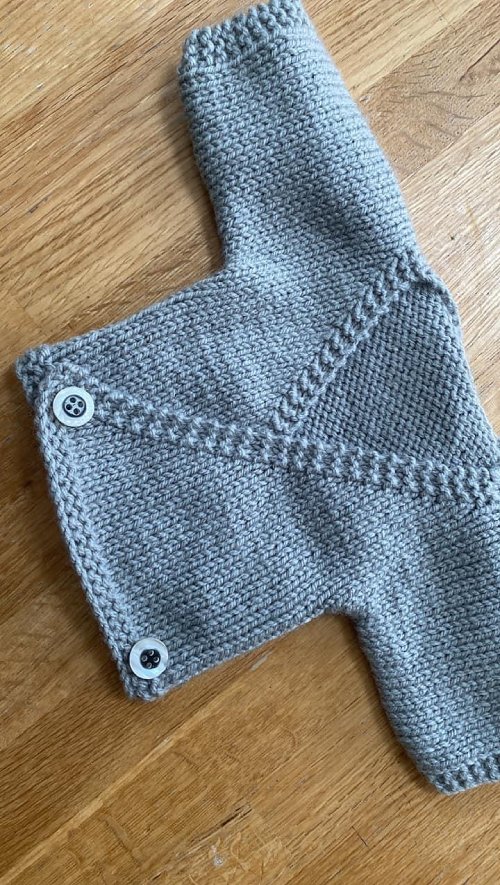
Preemie Wrap Cardigan Knitting Pattern

Preemie Wrap Cardigan Knitting Pattern
The photo above © Angela Louise Wood

Download this knitting pattern for free and make a lovely wrap over cardigan for your baby. The cardigan is knitted in one piece, starting from the waist and working up to the neckline. You will need a stitch holder to keep some stitches on hold. The yarn used is double knit baby wool and the needles are 4mm, either straight or circular.

Download Pattern: Preemie Wrap Cardigan 

Knit a Friend for Your Crocheted Elf

Knit a Friend for Your Crocheted Elf
The photo above ©  Hjorth Sisters

If you're skilled in both knitting and crocheting, why not create a knitted companion for your crocheted elf? We've given it a try, and we believe the knitted version is just as charming as the crocheted one.

This adorable knitted elf makes a wonderful Christmas ornament for your tree or a festive window decoration. Let your imagination run wild by knitting elves in a variety of yarns and colors.

Full Post: knit a friend for the crocheted elf

Knit Double Ankle Baby Booties

Knit Double Ankle Baby Booties
Photos above © Gülümseten Marifetler 

Want to knit a cozy pair of Double Ankle Baby Booties? This cute two-needle baby booties project features a tall, textured ankle section that gives the finished pair their distinctive look.

The project is demonstrated in a video tutorial by Gülümseten Marifetler. On this page, we've organized the essential project information, explained what makes the design interesting, and linked directly to the original tutorial so you can follow the creator's instructions.

Double Ankle Baby Booties at a Glance

Project: Double Ankle Baby Booties

Craft: Knitting

Category: Baby Booties / Baby Socks

Construction: Two-needle knitting

Feature: Tall double-ankle section

Tutorial Format: Video

Tutorial Credit: Gülümseten Marifetler

About the Double Ankle Baby Booties

These knitted baby booties combine a compact foot with a taller ankle section, giving them a cozy sock-like appearance.

The ankle is the feature that makes this project stand out from many traditional short baby booties. The extra knitted section creates more visual texture around the ankle and gives you another area where yarn color and stitch definition can become part of the design.

Knitted with Two Needles

One useful feature of this tutorial is its two-needle construction. That makes the project particularly interesting for knitters who prefer working back and forth rather than knitting small circumferences in the round.

If you've been looking at knitted baby socks but aren't ready to work with double-pointed needles or other small-circumference techniques, a two-needle bootie tutorial can be an approachable alternative.

What Makes the Double Ankle Different?

Traditional knitted baby booties often finish relatively close to the ankle. This design extends the upper section, creating the characteristic double-ankle look.

Besides changing the silhouette of the bootie, the taller upper gives the project a cozy appearance that works especially well with soft baby yarns.

A Small Project for Practicing Your Knitting

Baby booties are compact projects, which makes them useful when you want to practice garment shaping without committing to an entire sweater or blanket.

Because you need to make two matching pieces, booties also provide useful practice in keeping your tension and shaping consistent from one piece to the next.

Choosing Yarn and Color

The original tutorial should be your guide for the materials needed to reproduce the demonstrated booties. We have intentionally not added an unverified yarn weight, needle size, gauge, or stitch count here.

If you choose to experiment with another yarn, remember that changing yarn thickness or needle size can significantly change the finished dimensions of a small project like baby booties.

Color is an easy way to personalize the design. Soft neutrals can create a classic look, while brighter colors can turn the same booties into a cheerful handmade baby gift.

Before Knitting for a Baby

Baby feet vary considerably in size, so don't rely on appearance alone when choosing a project for a particular age.

Follow the measurements and materials provided by the original tutorial where available, and compare the finished size with the baby you are knitting for.

For baby projects, choose comfortable yarn and make sure all finishing is secure. Avoid adding loose decorative pieces that could detach during use.

Watch the Original Double Ankle Baby Booties Tutorial

The original video tutorial demonstrates how the booties are made. Use the creator's tutorial for the actual knitting sequence and construction details.

Watch the Baby Booties Tutorial →

Tutorial credit: Gülümseten Marifetler. Amazing Knitting does not reproduce the creator's video instructions. Please use the original tutorial for the complete knitting process.

More Baby Booties Knitting Ideas

Explore more baby booties knitting patterns, newborn booties, and baby socks knitting patterns from the Amazing Knitting archive.

Before You Start

Watch through the original tutorial before casting on so you understand the overall construction. Prepare the materials demonstrated by the creator and check the intended finished size before making the pair for a specific baby.

Onyx Mitts Knitting Pattern

Onyx Mitts Knitting Pattern
Designed by © Universal Yarn Design Team

If you love cashmere gloves, you'll adore the Onyx Mitts. They are simple, elegant and cozy. You can wear them with any outfit and for any occasion. They are the ultimate go-to mitts for chilly days. Created by Universal Yarn Design Team. Get your free pattern at the link below.

Download Pattern: Onyx Mitts 

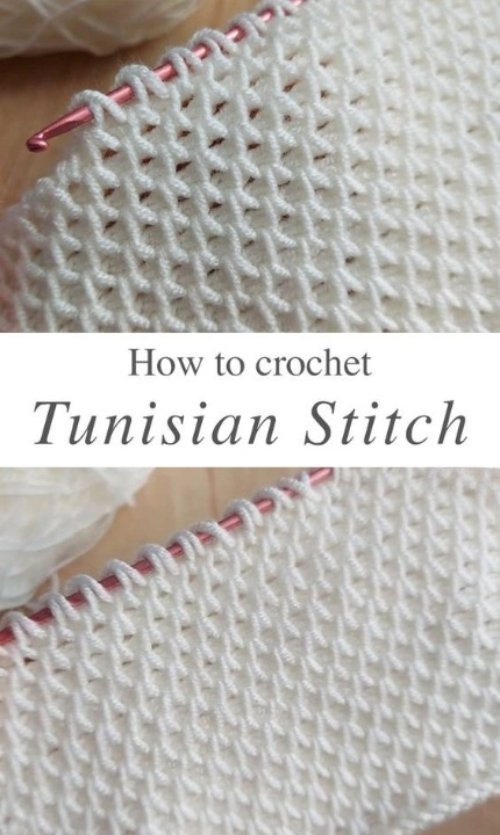
Tunisian Crochet Stitch Pattern

Tunisian Crochet Stitch Pattern
The photo above © Knitting Home

Tunisian crochet is a special type of crochet that mixes crochet and knitting methods. You just need to repeat some steps to complete this pattern. This stitch is very easy to learn and can be used for different projects like blankets, cushions, and shawls.

Full Post: Tunisian Crochet Stitch

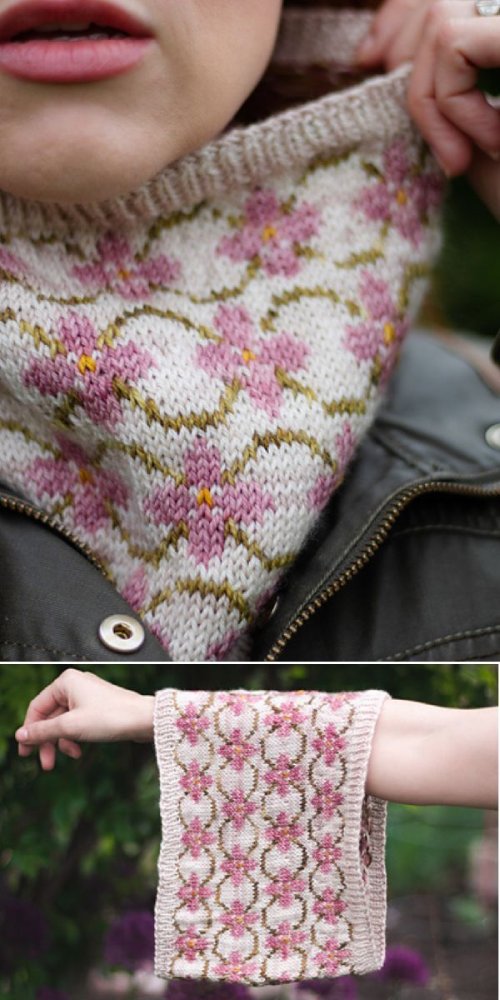
Orwell's Garden Cowl – Free Colorwork Knitting Pattern

Orwell's Garden Cowl free colorwork knitting pattern by Julie Cameron Gray

Orwell's Garden Cowl designed by © Julie Cameron Gray / knittedblissJC

Orwell's Garden Cowl by Julie Cameron Gray (knittedblissJC) is a free stranded colorwork knitting pattern featuring repeating flowers and winding vines.

Worked in the round with fingering-weight yarn, this cozy cowl combines a simple ribbed edging with a colorful charted motif. It is a lovely project for knitters who enjoy Fair Isle and stranded colorwork or want to turn several coordinating sock-yarn colors into a wearable accessory.

Orwell's Garden Cowl Pattern Details

  • Designer: Julie Cameron Gray / knittedblissJC
  • Published in: Taddle Creek
  • Published: Fall 2022
  • Craft: Knitting
  • Category: Cowl
  • Pattern availability: Free web pattern
  • Sizes: Small/Medium and Medium/Large
  • Finished circumference: 19 (20.5) inches
  • Yarn weight: Fingering / sock yarn
  • Suggested yarn: Lichen and Lace 80/20 Sock
  • Needles: 3 mm and 3.5 mm circular needles
  • Gauge: 28 stitches × 36 rounds = 4 inches in the charted design
  • Construction: Worked in the round
  • Technique: Stranded colorwork
  • Language: English

A Floral Stranded Colorwork Cowl

The defining feature of Orwell's Garden Cowl is its stranded colorwork design. Repeating flowers and vines travel around the cowl, creating a botanical pattern that looks especially striking when the main color contrasts clearly with the three accent colors.

Unlike a lace cowl, the decorative effect here comes from changing colors according to a chart while carrying the unused yarn behind the work.

This makes Orwell's Garden Cowl an appealing project for knitters who already know basic knitting in the round and would like to practice maintaining even tension across a repeating colorwork motif.

The Story Behind Orwell's Garden Cowl

This pattern appeared alongside Julie Cameron Gray's A Life Well Spent in the Fall 2022 issue of Taddle Creek.

The accompanying piece reflects on writers and gardens, including George Orwell's roses and the idea that the things people nurture can continue long after they are gone.

That garden theme carries beautifully into the knitted cowl through its repeating flowers and vines.

Yarn and Colors

The original design uses Lichen and Lace 80/20 Sock, a fingering-weight yarn.

You will need one main color and three contrasting colors. The designer estimates approximately 180 yards of the main color and about 70 yards of each contrast color.

The sample combines Linen as the main color with Shrub, Sugar Plum and Amber as the contrasting shades.

Because the individual contrast colors require relatively small amounts, this pattern may also be a useful way to combine coordinating fingering-weight yarn left from other projects, provided you have enough of each color and can achieve the required gauge.

Needles and Gauge

The pattern calls for 3 mm circular needles for the ribbing and 3.5 mm circular needles for the colorwork.

The specified gauge is 28 stitches and 36 rounds = 4 inches (10 cm) in the charted colorwork design on the larger needles.

Colorwork tension can differ from plain stockinette tension, so checking your gauge in the actual stranded pattern is more useful than measuring only a plain stockinette swatch.

Two Cowl Sizes

Orwell's Garden Cowl can be made in Small/Medium or Medium/Large.

The finished circumferences given by the designer are approximately 19 (20.5) inches.

The colorwork chart repeats around the circumference, with the number of repeats adjusted for the selected size.

How Is the Cowl Constructed?

The cowl is knitted in the round, so there is no seam to sew when the knitting is complete.

Ribbing forms the lower and upper edges, while the main section is worked from a repeating stranded-colorwork chart.

Once the knitting is finished, wet blocking helps the stitches settle and allows the colorwork fabric to relax into its finished shape.

Is Orwell's Garden Cowl a Beginner Pattern?

It is better described as a colorwork project than as a basic beginner cowl.

You should be comfortable knitting and purling, working in the round, reading a colorwork chart and handling more than one yarn color.

If you already know those basics, the repeating floral motif provides an enjoyable opportunity to practice stranded knitting on a relatively compact accessory rather than committing to a full colorwork sweater.

Choosing Colors for Your Cowl

Color contrast matters in a stranded design. If the shades are too similar, the flowers and vines can become difficult to distinguish in the finished fabric.

Consider choosing a main color that clearly separates from the contrasting shades. You can keep the palette soft and botanical like the original, or use brighter contrasts for a more dramatic interpretation.

Get the Free Orwell's Garden Cowl Pattern

The complete Orwell's Garden Cowl by Julie Cameron Gray is available free on Taddle Creek, where you can find the designer's original instructions and colorwork chart.

Get the Free Orwell's Garden Cowl Pattern

Pattern availability was checked when this article was updated. Availability on external websites may change over time.

Discover More From the Archive

A fresh mix of knitting patterns and tutorials from the Amazing Knitting archive.

Finding patterns from the archive…