Skip to content

...

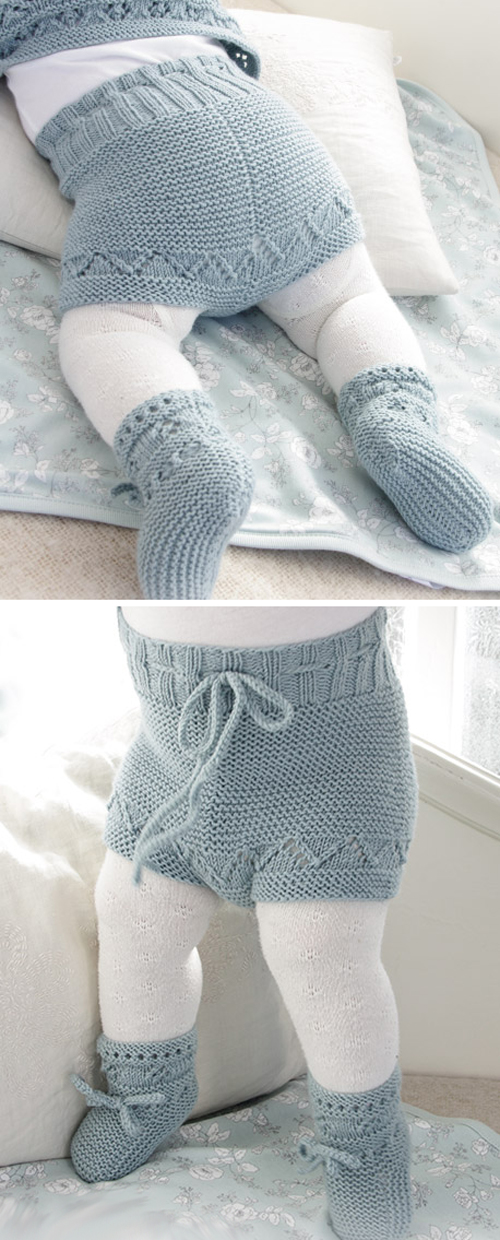
Odeta Pants - Free Knitting Pattern

Odeta Pants - Free Knitting Pattern
Photos above © DROPS Design

What a beautiful knitted baby shorts and slippers pattern! I found it on Pinterest. Odeta Pants knitting & designed by DROPS Design. This knit pattern/tutorial is available for free. Knitted baby shorts and slippers with lace pattern and garter stitch. Sizes premature - 4 years. 

Full Post: Odeta Pants

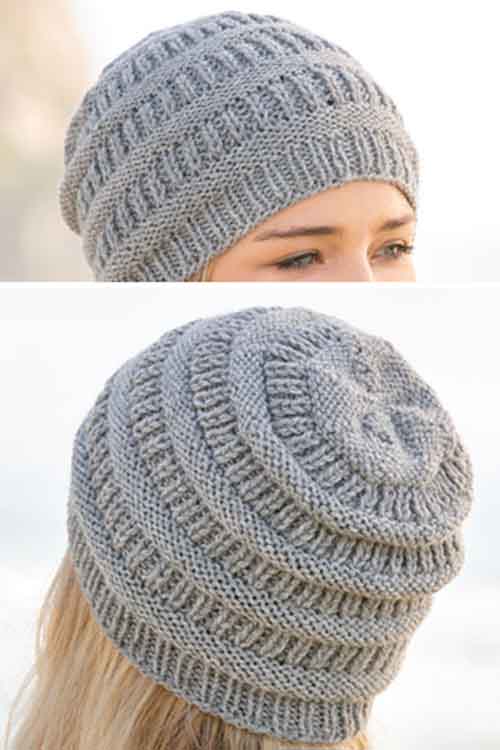
In my dreams (Knitted Baby Hat) - Free Pattern

In my dreams (Knitted Baby Hat) - Free Pattern
The photo above © DROPS Design

What a beautiful knitted baby hat pattern! I found it on Pinterest. In my dreams (Knitted Baby Hat) knitting & designed by DROPS Design. This knit pattern/tutorial is available for free. Knitted baby hat Size premature - 4 years

Full Post: In my dreams

Mini Snow Boots – Free Baby Booties Knitting Pattern

Mini Snow Boots free baby booties knitting pattern by DROPS Design with cables and ribbing

Mini Snow Boots by DROPS Design are cozy knitted baby booties with a charming combination of cables, ribbing and a snug sock-style fit. Designed for babies and young children, the pattern includes sizes ranging from approximately 1 month all the way to 4 years.

The tall ribbed cuff gives these little boots their winter-ready appearance, while the cable detail running down the front adds texture and makes the finished pair look much more elaborate than a basic knitted baby sock.

Best of all, the complete Mini Snow Boots pattern is still available free from DROPS Design, so knitters can follow the current official instructions directly from the original publisher.

Design and original pattern © DROPS Design / Garnstudio.

Mini Snow Boots Pattern Overview

  • Designer: DROPS Design
  • Pattern: Mini Snow Boots / DROPS Baby 31-25
  • Pattern number: pu-002-by
  • Craft: Knitting
  • Category: Baby socks / booties
  • Published: March 2018
  • Sizes: 1–3 months, 6–9 months, 12–18 months, 2 years and 3–4 years
  • Foot length: Approximately 10, 11, 12, 14 and 16 cm
  • Yarn group: DROPS Yarn Group B
  • Suggested yarn: DROPS Puna
  • Fiber: 100% alpaca
  • Yarn amount: Approximately 50 g for each listed size
  • Needles: 2.5 mm double-pointed needles
  • Additional tool: Cable needle
  • Gauge: 24 stitches and 34 rows = 10 × 10 cm in stockinette stitch
  • Construction: Worked in the round
  • Main techniques: Ribbing, cables, decreases and sock shaping
  • Pattern availability: Free official web pattern

Cozy Baby Boots With Classic Cable Detail

The feature that gives the Mini Snow Boots their distinctive look is the decorative cable running along the front of each boot.

Instead of relying only on plain stockinette stitch, the pattern combines ribbed texture and cables to create a pair of baby socks that looks almost like miniature winter boots.

The cable motif adds structure and visual interest without covering the entire piece, so the finished booties still retain a soft and comfortable appearance.

Sizes From Baby to Preschool Age

One particularly useful feature of this DROPS pattern is the wide size range. It is not limited to newborns.

The official pattern includes the following five sizes:

  • 1–3 months: approximately 10 cm foot length
  • 6–9 months: approximately 11 cm foot length
  • 12–18 months: approximately 12 cm foot length
  • 2 years: approximately 14 cm foot length
  • 3–4 years: approximately 16 cm foot length

This makes Mini Snow Boots useful for several stages of early childhood and also makes the pattern a good option for handmade baby gifts when you want more than a newborn-only size.

How the Mini Snow Boots Are Constructed

The Mini Snow Boots are worked in the round on double-pointed needles.

The knitting begins at the upper cuff and continues downward, with the decorative cable and rib structure worked according to the DROPS charts. As the piece develops, decreases shape the leg and foot.

Working the booties in the round means there is no long side seam running down the finished sock, helping create a smoother and more comfortable result.

The Ribbed Cuff

The upper section combines ribbed stitches with the central cable design. Ribbing is especially useful for baby socks because it allows the fabric to stretch while still helping the boot stay comfortably around the ankle.

When knitting the cuff, try to avoid pulling the stitches too tightly. A very firm cast-on edge can reduce the stretch of the opening and make the finished boot harder to put on.

Working the Cable Pattern

The cable detail is one of the main decorative elements in this pattern. DROPS provides charts for the patterned sections, so being comfortable reading a simple knitting chart will make the project easier to follow.

You will also need a cable needle to move stitches while creating the crossed cable sections.

If cables are still new to you, work slowly through the first repeat and check the orientation of each cable crossing before continuing. Once the repeat becomes familiar, the pattern becomes much easier to recognize.

Yarn for Mini Snow Boots

The original pattern uses DROPS Puna, a soft 100% alpaca yarn from DROPS Yarn Group B.

The official pattern calls for approximately 50 grams for each of the listed sizes, making this a relatively small-yarn project.

DROPS also allows compatible Yarn Group B alternatives, so you do not necessarily have to use the exact original yarn. The important point is to choose a substitute that allows you to obtain the required gauge and produces a comfortable fabric suitable for baby feet.

Why Gauge Matters for Baby Booties

The official gauge is:

24 stitches and 34 rows = 10 × 10 cm in stockinette stitch.

Gauge matters particularly on footwear because even a small difference can noticeably change the finished foot length and circumference.

If your stitches are larger than the pattern gauge, the booties may turn out too large. If your gauge is tighter, they may become too small or less stretchy.

For that reason, it is worth checking your tension before knitting the pair, especially if you are substituting yarn.

Needles and Tools

  • 2.5 mm double-pointed knitting needles
  • Cable needle
  • DK / DROPS Yarn Group B yarn
  • Tapestry needle for finishing
  • Stitch markers if you find them helpful for working in the round

The 2.5 mm needle size is a recommendation. As DROPS notes, you may need to adjust needle size to achieve the correct gauge for your individual knitting tension.

Skills You'll Use

  • Knitting in the round
  • Using double-pointed needles
  • Knit and purl stitches
  • Ribbing
  • Reading knitting charts
  • Working cables
  • Using a cable needle
  • Decreasing stitches
  • Shaping a sock or bootie
  • Finishing and weaving in ends

Is This a Beginner Knitting Pattern?

Mini Snow Boots are better suited to an advanced beginner or intermediate knitter than to someone making their very first knitting project.

The basic stitches themselves are familiar, but the project combines several techniques: knitting in the round, working with double-pointed needles, following cable charts and shaping a small sock.

If you already know how to knit and purl and would like to learn cables or small circular knitting, this can be an excellent next-step project.

Tips for Knitting a Neater Pair

Check your gauge first. Baby footwear is small enough that even a modest gauge difference can significantly change the final size.

Keep cable tension consistent. Cable crossings can sometimes become tighter than surrounding stitches, so avoid pulling the working yarn too firmly immediately after a cable.

Watch the joins between double-pointed needles. Moving the needle divisions occasionally can help reduce visible ladders in the fabric.

Count your decreases carefully. Correct stitch counts are important when shaping such a small piece.

Make both boots under similar conditions. Using the same needles and tension helps the finished pair match in size.

Is Mini Snow Boots a Free Knitting Pattern?

Yes. Mini Snow Boots / DROPS Baby 31-25 is currently available as a free knitting pattern directly from DROPS Design.

The official DROPS page includes the complete written instructions, pattern charts, size selection and supporting knitting resources.

Because DROPS Design is the original publisher of this pattern, we link directly to that official source rather than to third-party copies.

View the Free Mini Snow Boots Pattern at DROPS Design →

Why These Baby Boots Are Worth Knitting

Mini Snow Boots combine the practicality of warm knitted baby socks with the look of miniature cable-knit winter boots.

The small scale makes them a satisfying project when you want to practice cables without committing to a large sweater or blanket, while the five-size range gives the design much more flexibility than many newborn-only bootie patterns.

They can also make a thoughtful handmade baby gift, especially when knitted in a soft neutral yarn or a color chosen to coordinate with a baby's winter wardrobe.

Pattern Availability

Amazing Knitting links readers to legitimate designer or publisher sources whenever possible. Pattern prices, download locations and availability can change after an article is published.

Read Our Pattern Availability Policy →

Amazing Knitting is an independent pattern discovery and project-guide site. The Mini Snow Boots design and knitting pattern remain the intellectual property of DROPS Design / Garnstudio. This guide does not reproduce the publisher's complete row-by-row pattern instructions or charts.

Songbird Afghan and Pillows - Knit Pattern

Songbird Afghan and Pillows - Knit Pattern
Designed by © Cherie Leck.

What a beautiful knitting afghan pattern! Enjoy these popular songbirds all year round in this stunning afghan! Each bird is charted in color graphs - and you can either knit them as you go or stitch afterward as a duplicate stitch. Pillow patterns can be used for any of the songbirds. 12 songbirds include Goldfinch, Cardinal, Chickadee, Bluejay, Wren, Baltimore Oriole, Grosbeak, Bluebird, Finch, Robin, Titmouse & Meadowlark.

Full Post: Songbird Afghan and Pillows

Chica Beanie - Knit Pattern

Chica Beanie - Knit Pattern
Designed by © Lena Skvagerson

What a beautiful knitting Beanie pattern! I found it on Pinterest. Keep that head of yours warm while still looking stylish! Knit with Berroco Vintage worsted-weight yarn using U.S. size 8/5mm 16-inch circular and double point needles. Finished size: circumference 17 3/4 (19 1/2).

Download Pattern: Chica Beanie

Rustic Knit Mug Rugs - Knitting Pattern

Rustic Knit Mug Rugs - Knitting Pattern
Designed by © Lena Skvagerson

What a beautiful knitting Mug Rugs pattern! I found it on Pinterest. Enjoy 6 interesting stitch textures as you make these trendy mug rugs. Make them for yourself, or give them to someone you love. Knit with Lily Sugar'n Cream using U.S. size 8/5mm straight needles. Each mug rug finishes up approximately 6 1/2 x 8 inches before fringe.

Download Pattern: Rustic Knit Mug Rugs

Adult Knitted Slippers – Free Pattern

Adult Knitted Slippers free knitting pattern by AglaƩ Laser

Adult Knitted Slippers, originally published as Chaussons pour les adultes – Slippers by AglaĆ© Laser, are cozy house slippers designed for adults who want warm feet without complicated sock construction.

The slippers are worked flat with yarn held double and use three familiar knitted fabrics: garter stitch for the sole, stockinette for the upper foot and ribbing around the ankle.

Once the knitting is finished, a small amount of seaming transforms the flat piece into the finished slipper.

Best of all, the original pattern is still available as a free download from the designer's Ravelry store.

Pattern and featured photo: AglaƩ Laser.

Adult Knitted Slippers Pattern Overview

  • Original pattern: Chaussons pour les adultes – Slippers
  • Designer: AglaĆ© Laser
  • Published: October 2016
  • Category: Adult slippers / house shoes
  • Construction: Worked flat and seamed
  • Yarn: Yarn held double
  • Suggested yarn: BergĆØre de France Cho'7
  • Yarn weight: Sport
  • Yardage: Approximately 273–328 yd / 250–300 m
  • Needles: 5.5 mm and 6 mm
  • Gauge: 14 sts × 22 rows = 4 in / 10 cm in stockinette
  • Sizes: 36/37, 38/40 and 40/42
  • Languages: English, French and Italian
  • Pattern availability: Free

About the Adult Knitted Slippers

AglaƩ Laser designed these slippers as a simple and practical way to make comfortable knitted footwear for adults.

Rather than using traditional sock construction with a heel turn, gusset and small-circumference knitting, the slippers are built as a flat piece.

The shaping is created while knitting, and the piece is then folded and seamed to form the finished slipper.

Three Simple Knitted Sections

One of the clever features of this pattern is the way three familiar stitch patterns are used for different parts of the slipper.

  • Garter stitch forms the sole section.
  • Stockinette stitch creates the upper part of the foot.
  • Ribbing forms the stretchy ankle cuff.

The combination creates a surprisingly shaped finished project from straightforward flat knitting.

Worked Flat Instead of in the Round

These slippers are particularly interesting for knitters who like the idea of handmade footwear but do not yet want to tackle traditional socks.

The project is worked back and forth, so you do not need to manage several double-pointed needles or use Magic Loop to knit the main slipper.

After the knitting is complete, the slipper is folded and the sole is seamed to create its final shape.

Adult Sizes

The original pattern includes several adult foot sizes:

  • 36–37
  • 38–40
  • 40–42

The pattern includes adjustments for making the slippers smaller or larger. Follow the designer's current instructions for the exact cast-on and shaping numbers for your chosen size.

Yarn

The original pattern suggests BergĆØre de France Cho'7, a sport-weight yarn.

Approximately 250–300 meters / 273–328 yards are listed for the project.

An important feature of the design is that the yarn is held double while knitting.

Using two strands together produces a thicker and warmer fabric than working with a single strand of the same yarn.

Needles

The published pattern information lists:

  • US 9 / 5.5 mm needles
  • US 10 / 6 mm needles

Needle choice can also be used as part of the sizing adjustments described by the designer, so consult the original pattern before casting on.

Gauge

The documented gauge is:

14 stitches × 22 rows = 4 inches / 10 cm in stockinette stitch.

Gauge matters for knitted slippers because the finished piece needs to fit closely enough to remain comfortably on the foot.

If your stitches are substantially tighter or looser than the pattern gauge, the finished dimensions can change even when you follow the same stitch counts.

Garter Stitch Sole

The first main section of the slipper uses garter stitch.

Garter stitch creates a flexible fabric with pronounced horizontal ridges and is one of the simplest knitted fabrics to work flat.

Its elasticity makes it useful in this construction before the slipper transitions into the shaped upper-foot section.

Stockinette Upper

The upper part of the foot transitions into stockinette stitch.

Decreases gradually change the shape of the knitted piece, creating the narrower section that will eventually wrap around the foot.

The exact decrease sequence varies with the sizing instructions, so use the original designer pattern for the complete row-by-row directions.

Ribbed Ankle Cuff

The final knitted section uses ribbing around the ankle.

Ribbing naturally stretches and contracts, making it well suited to the opening of a slipper where some flexibility helps the finished footwear sit comfortably around the ankle.

The designer also notes that the ribbed section can be knitted in a different color if you are running short of the original yarn, making this a useful stash-friendly detail.

Finishing the Slippers

After the knitting is complete, the flat piece is folded into its slipper shape and seamed.

A neat, reasonably flat seam is particularly important for house slippers because bulky finishing underneath the foot may become uncomfortable during wear.

Once the first slipper is complete, repeat the same process for the second slipper.

Useful Skills for This Pattern

The project uses a useful combination of basic knitting and simple shaping skills:

  • Casting on
  • Knit stitches
  • Purl stitches
  • Garter stitch
  • Stockinette stitch
  • K1, P1 ribbing
  • Working with two strands of yarn held together
  • Decrease stitches
  • Binding off
  • Folding and seaming knitted fabric
  • Weaving in yarn ends

A Good Alternative to Traditional Sock Knitting

Traditional socks often introduce several techniques at once, including working in the round, turning a heel, creating a gusset and shaping the toe.

These slippers take a different approach.

Because they are worked flat, knitters can concentrate on shaping and stitch changes while using ordinary back-and-forth knitting.

That makes the project an appealing introduction to knitted footwear before moving on to more traditional sock construction.

Tips for Better Knitted Slippers

Check your gauge. Footwear is more sensitive to size differences than a scarf or blanket.

Use the correct sizing adjustment. Follow the designer's current instructions rather than estimating the stitch count from the photograph.

Keep both slippers consistent. Write down any changes you make while knitting the first slipper so you can repeat them on the second.

Make the sole seam comfortable. Avoid creating an unnecessarily bulky ridge underneath the foot.

Slipper Safety

Hand-knitted slippers can be slippery on polished wood, tile and other smooth flooring.

If the slippers will be worn regularly on smooth surfaces, consider adding a suitable non-slip sole or fabric treatment designed for footwear.

Why These Adult Slippers Are Worth Knitting

AglaƩ Laser's design turns basic knitted fabrics into practical handmade footwear without requiring conventional sock construction.

The combination of flat knitting, yarn held double and simple shaping makes the project approachable while still teaching useful techniques.

And because the original pattern includes multiple adult sizes, you can make pairs for different members of the family.

Get the Free Adult Knitted Slippers Pattern

The complete Chaussons pour les adultes – Slippers pattern by AglaĆ© Laser is currently available as a free download.

Use the designer's current pattern listing for the complete stitch counts, sizing adjustments, decrease sequence and finishing instructions.

Get the Free Adult Slippers Pattern →

More Free Sock & Slipper Knitting Patterns

If you enjoy knitted footwear projects, explore our recently reviewed collection of free socks, slippers and booties:

Explore 8 Free Sock & Slipper Knitting Patterns →

Pattern Availability

Amazing Knitting links readers to legitimate designer or publisher sources whenever possible. Pattern prices, download locations and availability can change after an article is published.

Read Our Pattern Availability Policy →

Amazing Knitting is an independent pattern discovery and project-guide site. Chaussons pour les adultes – Slippers and its original knitting instructions remain the intellectual property of AglaĆ© Laser. This guide provides project information and directs knitters to the designer's authorized pattern source rather than reproducing the complete pattern.

Baby Aviator Hat - Knitting Pattern

Baby Aviator Hat - Knitting Pattern
Photos above © lovefibres
What beautiful knitting pattern! Aviator hats look so cute on babies! 
It is an easy pattern, which has instructions for both knitting flat and knitting in the round.
The earflaps are button fastening under the chin to keep little heads from wriggling out of it, and tiny toddler hands from pulling it off after two seconds, but if you are knitting for an older child and want the earflaps to hang freely just make two of the left earflap and don't add a button.

Full Post: Baby Aviator Hat 

How to knit a Bunny - Free Pattern & Tutorial

How to knit a Bunny - Free Pattern & Tutorial
Photo above © FromBritainWithLove
What amazing knitting bunny amigurumi! I found it on Pinterest.
How to knit a bunny. Click through for easy step by step tutorial and free knitting pattern to make a knitted easter bunny rabbit. Click through to get tips and all the info you need to make your own.

Full Post: Knitting Bunny 

Lucky 4-Leaf Afghan Block – Free 12-Inch Knitting Pattern

Lucky 4-Leaf Afghan Block free 12-inch knitting pattern by Margaret MacInnis

Lucky 4-Leaf Afghan Block project shown above. Photo © ladybugaustin.

Lucky 4-Leaf Afghan Block by Margaret MacInnis is a striking knitted square built around four textured leaf shapes that meet in the center to create a four-leaf-clover effect.

Unlike a traditional blanket square worked back and forth from one edge to the other, this design is knitted from the center outward. The construction creates the four leaves as part of one continuous block, so you do not have to knit four separate leaves and sew them together.

The finished block measures approximately 12 inches square and the pattern is currently available as a free download.

Lucky 4-Leaf Afghan Block at a Glance

  • Designer: Margaret MacInnis
  • Published: February 2010
  • Source: Designs By Muggins
  • Craft: Knitting
  • Category: Afghan / blanket block
  • Finished size: Approximately 12 inches square
  • Construction: Center-out
  • Yarn weight: Aran
  • Suggested yarn: Lion Brand Vanna's Choice
  • Yardage: Approximately 150–175 yards (137–160 m)
  • Needles: US 7 / 4.5 mm
  • Gauge: 16 stitches and 24 rows = 4 inches in stockinette
  • Techniques: In-the-round, lace and textured knitting
  • Language: English
  • Availability: Free

A Knitted Four-Leaf Clover Block

The feature that immediately distinguishes this afghan block is the four-leaf motif formed across the center of the square.

Each leaf grows outward as the block expands, creating a symmetrical design that resembles a four-leaf clover.

Because the motif is created through the knitted structure rather than simply added afterward, texture and shaping become an important part of the finished appearance.

Inspired by Traditional Counterpane Knitting

Margaret MacInnis explains that the basic block has roots in an antique counterpane design.

Counterpanes are traditional knitted bed coverings often constructed from individual motifs or blocks that are later combined into a larger textile.

Many historical counterpane designs use geometric, floral and leaf motifs, making this four-leaf construction a natural fit for that tradition.

Margaret adapted the older concept specifically for use in afghan block exchanges and made her version available to knitters as a free pattern.

Worked From the Center Out

One of the most interesting features of the Lucky 4-Leaf Afghan Block is its center-out construction.

Instead of casting on enough stitches for one full side of the square, the knitter begins in the middle and gradually increases the circumference of the block.

As more stitches are added, the four leaf sections expand outward and the square gradually takes shape.

Why Center-Out Knitting Is Different

Center-out construction creates a very different knitting experience from working a conventional square in rows.

At the beginning, only a small number of stitches need to be managed. As the block grows, the rounds become progressively longer.

This method also makes it possible to create strong radial symmetry, which is especially useful for floral and geometric motifs.

Knitting in the Round

The Lucky 4-Leaf Afghan Block is worked in the round.

This allows the four sections of the design to develop simultaneously without creating seams between the individual leaves.

If you have mainly knitted flat scarves or dishcloths, this project can be an interesting opportunity to practice circular construction on a relatively small piece.

Starting With Double-Pointed Needles

Margaret's pattern begins the center-out construction using double-pointed needles (DPNs).

DPNs are useful at the center of a project because the initial circumference is too small for many standard circular needles.

The stitches are distributed across several needles while another needle is used to knit around the developing motif.

Moving to a Circular Needle

As the block grows, more stitches are created and the circumference becomes larger.

At that stage, many knitters find it more comfortable to transfer the stitches to a circular needle of the same size.

This can make the increasingly long rounds easier to manage and reduces the number of needle changes required while working around the square.

Aran-Weight Yarn

The published pattern calls for Aran-weight yarn.

Margaret's original recommendation is Lion Brand Vanna's Choice, a yarn frequently used for afghans and other practical home projects.

An Aran-weight yarn gives the leaf motif enough substance for the textured details to remain visible while producing a useful blanket block.

How Much Yarn Do You Need?

The 12-inch version lists approximately 150–175 yards (137–160 meters).

Actual yarn use can vary with your gauge, yarn substitution and finishing choices, so having a little extra yarn is sensible if you need the block to match a specific finished measurement.

Choosing Yarn for an Afghan Block

If you substitute another yarn, try to choose one with similar weight and suitable stitch definition.

Consider:

  • Aran or compatible worsted-weight construction
  • Good stitch definition
  • Washability
  • Durability
  • Colorfastness
  • How the yarn behaves after blocking

These considerations become particularly important when multiple blocks will eventually be joined into one blanket.

Solid Colors Show the Leaf Texture

A solid or gently tonal yarn can be especially effective for this pattern because it allows the shadows and raised areas of the leaf motif to remain visible.

Highly variegated yarn can still create an interesting block, but strong color changes may compete with some of the textured details.

If the four-leaf shape is the feature you most want to emphasize, consider a yarn with enough visual consistency for the stitch pattern to stand out.

Needle Size

The published recommendation is US 7 / 4.5 mm needles.

Use this as the starting point and adjust only when necessary to obtain the required gauge and finished block size.

For a modular afghan, consistent gauge is especially important because blocks that differ significantly in size can be difficult to join neatly.

Gauge for the 12-Inch Block

The listed gauge is approximately 16 stitches and 24 rows = 4 inches in stockinette.

Although the finished block contains texture and shaping rather than plain stockinette throughout, the published gauge gives you a useful reference for choosing needles and yarn.

Why Block Size Matters

If you are making only one square as a decorative piece, a small difference in finished size may not matter very much.

But if you plan to join several blocks into an afghan, matching their dimensions becomes much more important.

A consistent 12-inch size makes it easier to arrange blocks into rows and join them without stretching one square excessively to fit another.

Skills Used in the Lucky 4-Leaf Block

This project can introduce or reinforce several useful knitting skills, including:

  • Knitting in the round
  • Working with double-pointed needles
  • Center-out construction
  • Increasing
  • Decreasing
  • Following repeated motif sections
  • Lace-style shaping
  • Textured knitting
  • Managing a growing stitch count
  • Blocking a knitted square

Is This a Beginner Knitting Pattern?

Lucky 4-Leaf is probably better suited to a knitter who already knows the basic knit and purl stitches and is ready to work in the round.

The unusual center-out construction and use of DPNs can make the first few rounds feel more challenging than a simple flat square.

Once the block becomes larger and the motif is established, however, the construction can become easier to visualize.

The First Few Rounds May Feel Fiddly

This is common with many center-out projects.

A small number of stitches distributed across several double-pointed needles can feel awkward because there is very little fabric available to stabilize the needles.

Work slowly at the beginning and check that the stitches have not become twisted before the structure is firmly established.

Use Stitch Markers to Track the Four Sections

The strong four-part symmetry of the design can make stitch markers useful.

Separating the repeated sections can help you identify an increase or decrease error before it affects the entire round.

Always follow the original pattern's marker placement and stitch counts rather than adding markers where they might interfere with the motif.

Count Your Stitches Regularly

Center-out patterns rely on controlled increases to produce the intended geometry.

If an increase is missed, the mistake may not become visually obvious until several rounds later.

Checking stitch counts at useful points in the pattern can save much more time than discovering an error near the outer edge of the block.

Blocking the Finished Square

Blocking is particularly useful for an afghan block containing textured or lace-like shaping.

After knitting, the square may not immediately measure exactly 12 inches or the four leaf sections may look slightly uneven.

Gentle blocking can help the stitches settle and allow the square to reach a cleaner, more consistent shape.

Always use a blocking method appropriate for your yarn fiber.

Using the Block in a Knitted Afghan

One Lucky 4-Leaf block can be attractive on its own, but the design was created specifically with afghan exchanges and modular blankets in mind.

You could knit several matching blocks for a repeating four-leaf blanket or combine Lucky 4-Leaf with other 12-inch squares.

Using a consistent yarn weight and block size will make the final assembly much easier.

Try a Two-Color or Multi-Color Afghan

Although each individual block can be worked in a single color, the finished blanket does not need to be monochromatic.

For example, you could alternate light and dark blocks, create a gradient across the blanket, or use several coordinated colors while keeping the same four-leaf motif.

Repeating the same texture while changing color can produce a cohesive blanket without making every square identical.

A Useful Block for Afghan Exchanges

Margaret MacInnis originally developed her version of the block after using it in several afghan exchanges.

Standardized block sizes are useful for group projects because different knitters can make individual squares that are later assembled into one blanket.

The 12-inch format makes Lucky 4-Leaf particularly suitable for that type of modular project.

There Is Also a 9-Inch Version

Margaret MacInnis later published a separate 9-inch Lucky 4-Leaf Afghan Block.

In that version, the leaves were modified to be shorter and the border construction was changed to suit the smaller finished square.

If you need a smaller block for your blanket layout, make sure you select the 9-inch pattern rather than simply trying to reduce the 12-inch version yourself.

12-Inch vs. 9-Inch Lucky 4-Leaf

The two patterns are related but they are not identical.

  • 12-inch version: the original larger afghan block
  • 9-inch version: later adaptation with shorter leaves
  • Both: designed by Margaret MacInnis
  • Both: currently available free

Choose the version that matches the other squares in your planned blanket.

Get the Free Lucky 4-Leaf Afghan Block Pattern

The Lucky 4-Leaf Afghan 12" Block by Margaret MacInnis is currently available as a free authorized download through the designer's Ravelry listing.

Get the Free 12-Inch Lucky 4-Leaf Pattern →

If you prefer the smaller version, Margaret also offers the 9-inch Lucky 4-Leaf Afghan Block as a separate free pattern.

View the Free 9-Inch Version →

Lucky 4-Leaf Afghan Block is by Margaret MacInnis / Designs By Muggins. The designer notes that her block was developed from an older counterpane design and significantly adapted for afghan use. Amazing Knitting does not reproduce the designer's complete pattern instructions.

Read Our Pattern Availability Policy →

Classy Twist Headband - Free Knitting Pattern

Classy Twist Headband - Free Knitting Pattern
Photos above © Emilie Luis
What beautiful knitting headband Free Pattern! I found it on Ravelry...
The headband is knit back and forth in the English rib, which is very warm and comfortable to wear. This fabulous Knit Headband is a basic essential accessory for you and your princess all year, a great way to keep warm while staying stylish! It has a twist in the middle – not only this look classy, but it’s also a clever way to hide the seam. What’s better is that the size is easily adjustable to fit for any head width.

Download Pattern: Frida

Perky Little Hat Knitting Pattern

Perky Little Hat knitting pattern by Sharon Lentsch
Photo © GretchenHam

The Perky Little Hat by Sharon Lentsch is a quick, chunky knitted beanie designed for super bulky yarn. Its simple shape, textured brim and oversized pom-pom make it a fun cold-weather project for both children and adults.

With only about 80–85 yards of yarn required, this is also a practical one-skein project and a good choice when you want to knit a handmade gift without committing to a long project.

Perky Little Hat Pattern at a Glance

Designer: Sharon Lentsch

Craft: Knitting

Category: Beanie / Toque

Yarn Weight: Super Bulky

Suggested Yarn: Malabrigo Rasta

Yardage: 80–85 yd (73–78 m)

Needles: US 15 (10 mm)

Gauge: 2 sts and 3 rows = 1 in

Sizes: Child and Adult

Construction: Worked in the round

Instructions: Written pattern

Current Availability: Paid PDF pattern

About the Perky Little Hat

Perky Little Hat is designed as a fast, satisfying knit with a playful finished look. The super bulky yarn creates a thick fabric quickly, while the decorative brim and pom-pom give the hat its distinctive personality.

The original designer describes it as a quick project and a good gift idea. Because the pattern includes both child and adult sizing, it can also work well for coordinating family hats.

Yarn and Yardage

The pattern recommends Malabrigo Rasta, a super bulky 100% merino yarn. The listed requirement is approximately 80–85 yards (73–78 meters).

A smooth or lightly spun super bulky yarn will help preserve the definition of the brim while keeping the hat warm and substantial. Always compare your substitute yarn with the pattern gauge before beginning.

Needles and Gauge

The recommended needle size is US 15 (10 mm).

The pattern gauge is approximately 2 stitches and 3 rows per inch. Because super bulky yarn can vary considerably between brands, a gauge swatch is useful if you want the finished hat to match the intended size.

Sizes

The original pattern includes both Child and Adult sizes.

This makes Perky Little Hat useful for gift knitting, especially when you need a quick project in more than one size.

Construction and Skills

The hat is worked in the round, so familiarity with circular knitting is useful. The pattern is written rather than charted.

Its combination of super bulky yarn and straightforward construction makes it a relatively fast project, while the finished brim and pom-pom add enough detail to keep the design visually interesting.

Is the Perky Little Hat Pattern Free?

No. Although older pages around the web may describe Perky Little Hat as a free knitting pattern, the current authorized Ravelry listing is a paid PDF pattern.

Pattern pricing can change over time, so use the original designer's listing below for the latest price and availability.

Get the Perky Little Hat Pattern

Visit Sharon Lentsch's official Ravelry listing to see the complete pattern details and current purchase options.

Amazing Knitting provides project information and links readers to the authorized source rather than reproducing the designer's complete copyrighted instructions.

Discover More From the Archive

A fresh mix of knitting patterns and tutorials from the Amazing Knitting archive.

Finding patterns from the archive…