Skip to content

...

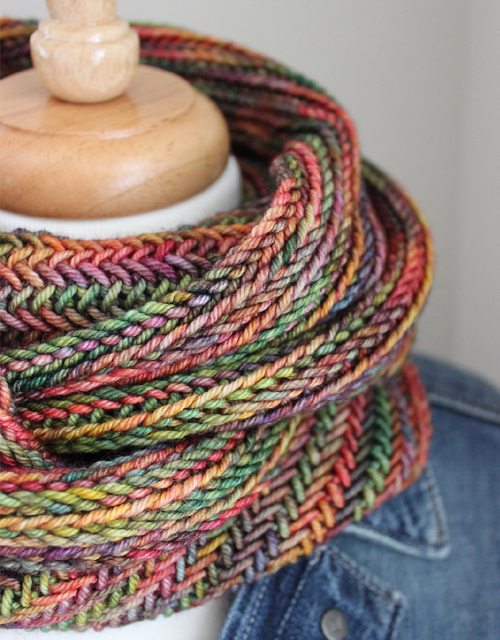
Big Herringbone Cowl - Free Pattern

Big Herringbone Cowl - Free Pattern
Photo above © bleuknits
I just found this adorable knit cowl pattern on Pinterest!
Wrap up in the large soft folds of this lovely and oversized big herringbone knitted cowl. Learn how to make the cowl with Tutorial & Free Pattern.

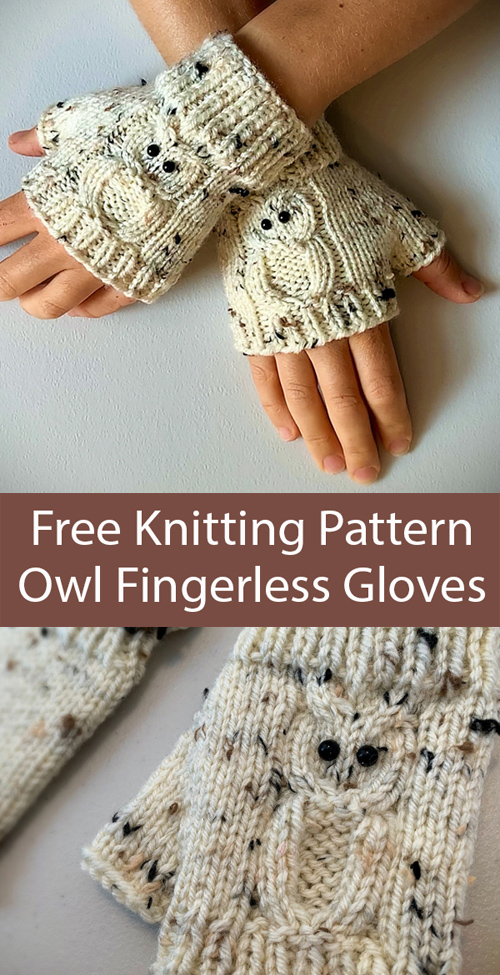
Owl Fingerless Gloves - Free Knitting Pattern

Owl Fingerless Gloves - Free Knitting Pattern
Designed by © Janis Frank

What beautiful fingerless gloves knitting pattern! I found it on Pinterest... Fingerless mitts with a cute owl cable knit in the round. Designed by Janis Frank. Aran weight yarn. Web-version is free.

Full Post: Owl Fingerless Gloves

Itty Bitty Bear Cubs – Free Preemie Baby Hat Knitting Pattern

Itty Bitty Bear Cubs free preemie baby hat knitting pattern by Carolyn Ingram

Photos © ThornwoodKnits & © Carolyn Ingram

Itty Bitty Bear Cubs by Carolyn Ingram is an adorable free preemie baby hat knitting pattern featuring tiny bear ears and a simple rolled brim.

Originally designed for the designer's premature twin grandsons during their stay in the NICU, these little bear hats come in two preemie sizes. They use sport-weight yarn and require only a small amount of yarn, making them a sweet little project for a new baby or charity knitting.

Itty Bitty Bear Cubs Pattern Details

  • Designer: Carolyn Ingram
  • Published: March 2015
  • Craft: Knitting
  • Category: Preemie baby hat / beanie
  • Pattern availability: Free download
  • Sizes: Small Preemie and Large Preemie
  • Yarn weight: Sport
  • Suggested yarn: Malabrigo Arroyo
  • Yardage: Approximately 45–60 yards (41–55 m)
  • Needles: 3.25 mm (US 3) and 3.5 mm (US 4)
  • Gauge: 26.5 stitches × 33 rows = 4 inches
  • Construction: Bottom up, worked in the round
  • Features: Rolled brim and knitted bear ears
  • Language: English

A Tiny Bear Hat Designed for Preemies

There is a particularly sweet story behind the Itty Bitty Bear Cubs pattern. Carolyn Ingram originally created these tiny hats after her daughter asked for something for her twin sons to wear during their stay in the NICU.

The result is a simple little knitted beanie transformed into a bear-cub hat with the addition of two small ears.

Because the original sizes were designed specifically for premature babies, this pattern can also be useful for knitters looking for small projects for appropriate neonatal charity programs. Always check the current requirements of the hospital or organization before donating handmade baby items.

Two Preemie Hat Sizes

The original free pattern includes two preemie sizes:

  • Small Preemie: approximately 9-inch finished circumference and 4 inches high, designed for an approximately 11-inch head.
  • Large Preemie: approximately 10.5-inch finished circumference and 4.75 inches high, designed for an approximately 12.5-inch head.

The designer also provides notes with the pattern for making larger versions for newborn and 0–3 month babies.

Sport-Weight Yarn and Small Yardage

The original Itty Bitty Bear Cubs hats use Malabrigo Arroyo, a sport-weight merino yarn.

Each hat requires approximately 45–60 yards (41–55 m), so this can be a useful small-yardage project if you already have a suitable amount of sport-weight yarn.

If the hat is intended for a baby, consider softness and practical care requirements when choosing a substitute yarn.

Needles and Gauge

The pattern calls for 3.25 mm (US 3) and 3.5 mm (US 4) needles.

The specified gauge is approximately 26.5 stitches and 33 rows = 4 inches (10 cm).

Because the original hats are designed for very small babies, getting close to the intended gauge is especially important when you want the finished dimensions to match one of the preemie sizes.

How Are the Bear Cub Hats Constructed?

The hat is worked in the round from the bottom up, beginning with a simple rolled edge and continuing toward the crown.

Crown decreases shape the top of the hat. The little bear ears are then created separately from stitches picked up on the finished hat, giving the otherwise simple beanie its unmistakable bear-cub appearance.

The pattern was written for double-pointed needles, although knitters comfortable with other methods of small-circumference knitting may prefer their usual technique.

Skills Used in This Pattern

Although these hats are small, they provide an opportunity to practice several useful knitting techniques, including:

  • Knitting in the round
  • Stockinette stitch
  • Basic decreases
  • Picking up stitches
  • Working small circumferences
  • Simple finishing and seaming for the ears

If you already know basic knitting and want to become more comfortable with knitting in the round, a tiny hat can be a much smaller commitment than starting with a full-size garment.

Can You Make the Bear Hat in Larger Baby Sizes?

Yes. Although the two primary sizes are designed for preemies, Carolyn Ingram also includes notes for adapting the idea for newborn and 0–3 month sizes.

The designer has also made larger versions using heavier yarn and larger needles as her grandsons grew.

Follow the designer's current sizing notes rather than simply adding stitches at random, particularly when knitting for a very young baby.

A Great Little Stash-Buster

With only 45–60 yards required for the original preemie sizes, Itty Bitty Bear Cubs can be a charming way to use a small quantity of suitable leftover yarn.

Neutral browns and creams create the classic teddy-bear look, but the simple design can work in many colors. A soft blue, pink, gray, yellow or another baby-friendly shade can give the same little hat a completely different personality.

Get the Free Itty Bitty Bear Cubs Pattern

The complete Itty Bitty Bear Cubs by Carolyn Ingram is currently available as a free downloadable knitting pattern.

Get the Free Itty Bitty Bear Cubs Knitting Pattern

Pattern availability was checked when this article was updated. Availability on external websites may change over time.

Chestnut Street Scarf – Free Cable Scarf Knitting Pattern

Chestnut Street Scarf free cable scarf knitting pattern by Alexandra Davidoff

Chestnut Street Scarf. Designed by © Alexandra Davidoff for Lion Brand

Chestnut Street Scarf by Alexandra Davidoff for Lion Brand is a handsome free cable scarf knitting pattern featuring a bold central cable surrounded by smaller cable details.

Worked flat in rows with medium-weight yarn, this is a satisfying project for knitters who already know the basics and want to practice more intricate cable knitting. Lion Brand rates the pattern Level 3 – Intermediate.

Chestnut Street Scarf Pattern Details

  • Designer: Alexandra Davidoff
  • Publisher: Lion Brand Yarn
  • Pattern number: L60396
  • Craft: Knitting
  • Category: Cable scarf
  • Pattern availability: Free from Lion Brand
  • Skill level: Intermediate
  • Finished size: About 8 × 65 inches (20.5 × 165 cm)
  • Yarn: Lion Brand Fishermen's Wool
  • Yarn weight: #4 Medium / Worsted
  • Needles: US 8 (5 mm)
  • Gauge: 27 stitches + 22 rows = about 4 inches (10 cm) in cable patterns
  • Construction: Worked flat, back and forth in rows
  • Instructions: Written cable instructions and charts

A Classic Cable Scarf

The Chestnut Street Scarf gets its distinctive appearance from a combination of cable patterns rather than a single simple cable running from one end to the other.

A prominent central cable creates the main visual feature, while narrower cable details frame it on both sides. The result is a richly textured scarf with a traditional knitted look.

The cable arrangement is especially attractive in a solid or lightly heathered yarn where the shadows created by the crossed stitches remain easy to see.

A 32-Row Main Cable Pattern

After the opening cable ribbing section, the scarf moves into its main decorative cable pattern.

The central design develops over a 32-row repeat, giving the scarf a much more detailed appearance than a basic two- or four-row cable.

This makes Chestnut Street particularly appealing if you enjoy watching a cable motif gradually develop as you knit.

Written Instructions and Cable Charts

One of the useful features of the official Lion Brand pattern is that the cable designs can be followed using either written instructions or charts.

If you prefer working row by row from written directions, you can use that format. If you find it easier to visualize how the cables cross and interact, the charts provide another option.

This also makes the project useful for knitters who want to become more comfortable reading cable charts while still having written directions available for reference.

Worked Flat in Rows

Chestnut Street Scarf is worked back and forth in rows.

There is no knitting in the round and no garment shaping to manage. Instead, most of your attention can go toward keeping track of the different cable crossings.

The scarf begins with 55 stitches and develops its texture through a combination of knit, purl and cable stitches.

Finished Scarf Size

According to Lion Brand, the finished Chestnut Street Scarf measures approximately:

8 inches wide × 65 inches long
(20.5 × 165 cm)

This gives you a substantial adult scarf without making it excessively wide or bulky.

Designed as a Men's Scarf

Lion Brand currently categorizes Chestnut Street as a men's knitting pattern.

Its strong geometric cables, natural wool and classic rectangular shape certainly make it an excellent men's scarf, but the design itself is versatile enough to be worn by anyone who enjoys traditional cable knit accessories.

It could also make a beautiful handmade winter gift.

The Original Yarn: Fishermen's Wool

The original pattern was designed for Lion Brand Fishermen's Wool.

This yarn is a natural-looking wool yarn that works particularly well with cables because the stitch definition allows the twists and crossings to stand out clearly.

The original version uses one ball of Fishermen's Wool.

Choosing a Substitute Yarn

If you want to substitute another yarn, look for a #4 medium / worsted-weight yarn capable of producing the required gauge and good cable definition.

Smooth yarns usually make complex cables easier to see than highly textured or fuzzy yarns.

Because the scarf contains several cable patterns, making a swatch is useful not only for checking gauge but also for seeing whether your chosen yarn shows the cable details clearly.

Needles and Cable Needle

The pattern uses US 8 (5 mm) knitting needles.

You will also want a cable needle to hold stitches temporarily while making the different cable crossings.

Straight or circular needles can be used for a flat scarf as long as you are comfortable working back and forth with them.

Understanding the Gauge

Lion Brand gives a gauge of approximately 27 stitches and 22 rows = 4 inches (10 cm) in the cable patterns.

Notice that this is a cable-pattern gauge rather than a plain stockinette gauge.

Cables pull the knitted fabric inward, so measuring the actual cable fabric is more useful for this project than assuming a standard gauge based only on the yarn weight.

Skills Used in the Chestnut Street Scarf

Techniques used in this project include:

  • Knitting and purling
  • Working flat in rows
  • Using a cable needle
  • Crossing stitches to the right and left
  • Working several cable variations
  • Following a longer pattern repeat
  • Reading written cable instructions
  • Reading cable charts
  • Binding off
  • Blocking the finished scarf

Is Chestnut Street Scarf Beginner Friendly?

Lion Brand officially rates the pattern Level 3 – Intermediate.

The scarf construction itself is straightforward because there is no garment shaping or knitting in the round. The challenge comes from the number of cable crossings and keeping your place within the longer cable repeat.

If you have already knitted a simple cable project and want something more interesting, Chestnut Street can be a good next step.

Tips for Knitting the Cable Pattern

With a detailed cable design, keeping track of your row is often more important than knitting quickly.

A row counter, printed chart marker or simple note can help you remember exactly where you stopped.

It can also be helpful to learn how each cable section should look. Once the motif begins to develop, the knitted fabric itself can provide useful visual clues about where the next crossing belongs.

Don't Skip Blocking

Blocking can make a noticeable difference to a cable scarf.

Freshly knitted cables may pull the fabric inward and make the scarf appear narrower or more uneven than expected. Gentle blocking allows the stitches to settle and helps the cable details show more clearly.

Always follow the care instructions appropriate for the yarn you choose.

A Great Handmade Gift for Cable Lovers

Scarves are useful gift projects because sizing is much simpler than with sweaters, socks or fitted accessories.

Chestnut Street adds enough cable detail to make the finished scarf look special while retaining the practical rectangular construction of a classic winter scarf.

Choose a neutral shade for a traditional look or use a richer color to give the same cable pattern a more contemporary appearance.

Why Knit the Chestnut Street Scarf?

Chestnut Street is a strong choice when you want to move beyond basic scarf knitting and make the cables the centerpiece of the project.

The combination of a bold central motif, smaller framing cables and a substantial 32-row repeat produces an impressive result from a simple rectangular construction.

You also have the flexibility of following either the written instructions or charts, making the pattern useful for practicing cable chart reading at your own pace.

Get the Free Chestnut Street Scarf Knitting Pattern

The complete Chestnut Street Scarf by Alexandra Davidoff is currently available from Lion Brand as pattern L60396.

Get the Free Chestnut Street Scarf Knitting Pattern →

Pattern availability was checked when this article was updated. Availability and access requirements on external websites may change over time.

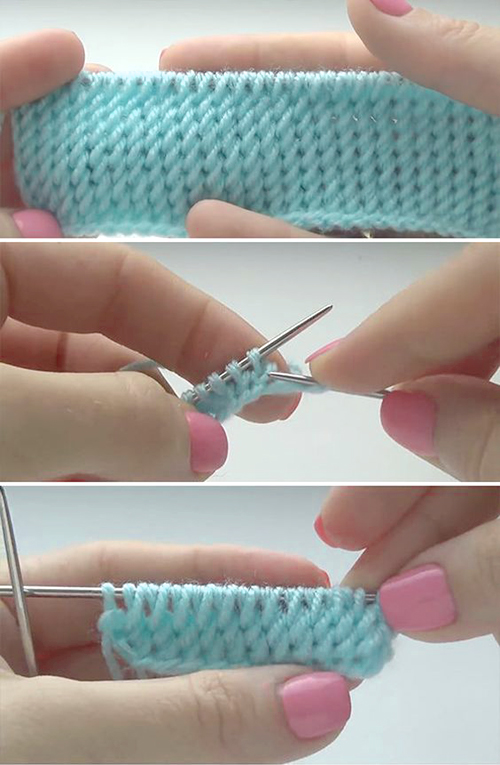
Knitted Pattern Anyone Should Learn - Tutorial

Knitted Pattern Anyone Should Learn - Tutorial
Photos above © Елена Шатохина
I found this easy knitting tutorial on Youtube.
Learn how to work this great knitting pattern by watching this video tutorial! Keep reading for tips on how to master this tight-knit pattern.

Full Post: Knitted Pattern

Knit Adult Ribbed Slippers - Free Knitting Pattern + Video

Knit Adult Ribbed Slippers - Free Knitting Pattern + Video
Photos above © Prjaga

What beautiful knitting adult slippers  (Free knit pattern)! I found it on Pinterest... These Adult Ribbed Slippers will for sure keep your feet nice and toasty. Knitted Slippers to lounge around the house in coziness for Women. When it comes to knitting socks, there are countless awesome patterns around, as well as countless stunning sock yarns to choose from! Slippers and Socks might seem a little intimidating to beginners, but in reality, they’re quite easy to do once you’ve got some practice.

Full Post: Knit Adult Ribbed Slippers 

Campfire Cozy Shawl – Oversized Triangle Shawl Knitting Pattern

Campfire Cozy Shawl oversized triangle shawl knitting pattern by Espace Tricot

Campfire Cozy Shawl. Design © Espace Tricot.

Campfire Cozy by Espace Tricot is an oversized triangular shawl designed for exactly what its name suggests: wrapping yourself in a generous layer of handknit warmth.

The design combines several classic knitted fabrics rather than relying on a single stitch pattern. Sections of lace, garter stitch and stockinette flow through the shawl before finishing with a substantial ribbed border.

Older references to Campfire Cozy described it as a free knitting pattern. However, the original free-download route is no longer generally available, so Amazing Knitting no longer classifies this design as a current free pattern.

Campfire Cozy Shawl at a Glance

  • Designer: Espace Tricot
  • Craft: Knitting
  • Category: Shawl / Wrap
  • Shape: Triangular
  • Style: Oversized
  • Yarn weight: Worsted
  • Main fabrics: Lace, garter stitch and stockinette
  • Border: Ribbing
  • Languages: English and French
  • Availability: The older free download is no longer generally available

An Oversized Triangle Shawl for Cozy Layering

Campfire Cozy is not intended to be a tiny decorative shawlette. Its defining feature is its generous triangular shape, creating plenty of fabric to wrap around the shoulders and upper body.

That extra coverage gives the finished piece the character of both a shawl and a warm wrap, making it especially appealing for cool evenings, relaxed indoor wear and layering during colder months.

If you enjoy shawls that feel closer to wearable blankets than delicate accessories, Campfire Cozy is a particularly attractive style of project.

A Combination of Classic Knitting Textures

Much of the visual interest in Campfire Cozy comes from the transition between several different knitted fabrics.

Rather than repeating a single stitch pattern across the entire shawl, the design incorporates:

  • Garter stitch
  • Stockinette stitch
  • Lace sections
  • A ribbed border

These changes create broad areas of texture across the triangular shape while keeping the finished shawl relaxed and wearable.

The Four-Row Lace Repeat

One of the notable features of Campfire Cozy is its four-row lace repeat.

A relatively short repeating lace sequence can make a large shawl more enjoyable to knit. Once the rhythm becomes familiar, the knitter can focus more on the growing fabric instead of constantly learning a new chart or stitch sequence.

Alternating those lace sections with simpler garter and stockinette areas also helps prevent such a large project from becoming visually repetitive.

Garter Stitch Sections

Garter stitch adds visible texture and structure to the shawl.

It provides a useful contrast with the smoother stockinette sections and the more open character of the lace.

On an oversized shawl, these broad changes in texture can have more visual impact than tiny decorative details, helping the design remain interesting even when seen from a distance.

Stockinette for a Smooth Contrast

Stockinette introduces a smoother surface between the more textured portions of Campfire Cozy.

This contrast is one reason the shawl can work particularly well in a solid or subtly tonal yarn. The stitch changes themselves provide visual variety without requiring complicated colorwork.

A Substantial Ribbed Border

The shawl finishes with a ribbed border, giving the lower edge a strong and cozy textural finish.

On a large triangular shawl, the final border occupies a significant visual area, so it becomes an important part of the overall design rather than simply a narrow finishing detail.

Why Worsted-Weight Yarn Suits This Design

Campfire Cozy is designed around worsted-weight yarn.

This heavier yarn contributes to the substantial, warm character of the finished shawl and distinguishes it from lightweight lace shawls intended mainly for decorative wear.

Worsted-weight yarn can also help the differences between garter, stockinette, lace and ribbing remain clearly visible.

Choosing Yarn for an Oversized Shawl

When choosing yarn for a large wrap, consider more than color.

A yarn may feel wonderful in a single skein but behave differently when several skeins are combined into one large finished garment.

Consider:

  • The total weight of the finished shawl
  • Softness against the neck and shoulders
  • Drape
  • Stitch definition
  • Warmth
  • Fiber elasticity
  • Care requirements

A yarn that shows the different stitch textures clearly while remaining comfortable against the skin is especially suitable for this kind of shawl.

Solid or Tonal Yarn?

Because Campfire Cozy already contains several different stitch textures, a solid or gently tonal yarn can allow those details to remain visible.

Strongly variegated yarn may compete with subtle lace and texture, although the final choice depends on the effect you want.

If you are considering a highly multicolored yarn, knitting a generous swatch can help you judge how the color changes interact with the stitch pattern before committing to a large project.

A Good Balance Between Relaxing and Engaging Knitting

The design alternates more engaging lace sections with comparatively straightforward knitted fabrics.

That balance can make an oversized shawl enjoyable over a longer knitting period. Some sections require more attention, while others become rhythmic and relaxing.

This variety is one reason large shawls can remain satisfying projects even though they eventually contain many stitches.

Skills Used in Campfire Cozy

Based on the construction and stitch patterns used in the design, knitters should be comfortable with techniques associated with:

  • Knitting and purling
  • Garter stitch
  • Stockinette stitch
  • Basic lace knitting
  • Following repeating stitch sequences
  • Increasing a triangular shawl
  • Ribbing
  • Managing an increasing number of stitches
  • Binding off a long shawl edge
  • Blocking

Consult the current authorized pattern information for exact stitch counts, construction instructions and required techniques.

Is Campfire Cozy Suitable for Beginners?

A knitter who is already comfortable with basic knit and purl stitches may find Campfire Cozy an interesting next step into larger shawls and simple lace.

The four-row lace repeat is less intimidating than a lace pattern that changes on every row, while the garter and stockinette sections provide simpler stretches between the textured areas.

However, the generous finished size means the project eventually becomes quite wide, so knitters should also be comfortable managing a large number of stitches.

Using a Circular Needle for a Large Shawl

Large triangular shawls can eventually hold a considerable number of stitches.

Even when the piece is worked back and forth rather than joined in the round, a circular needle can make it easier to accommodate a long row of stitches and distribute the weight of the growing fabric.

Always follow the pattern's current needle recommendations and choose the needle size required to achieve the specified gauge.

Why Gauge Still Matters on a Shawl

Shawls are generally more forgiving than fitted sweaters, but gauge can still have a significant effect on the finished project.

A looser gauge can produce a larger and more open shawl while also increasing yarn requirements. A tighter gauge can create a denser, smaller fabric.

That difference becomes particularly important in a project that is intentionally oversized.

Plan Your Yarn Before Casting On

An oversized worsted-weight shawl is not usually a tiny stash-busting project.

Before beginning, check the current pattern information for the required yardage and make sure you have enough yarn for the complete shawl.

If you are using hand-dyed yarn, having sufficient yarn from compatible dye lots or alternating skeins may also help produce a more consistent finished fabric.

Running out near the wide ribbed border can be particularly frustrating, since the rows are longest near the end of a triangular shawl.

Blocking Campfire Cozy

Blocking can be especially valuable when a shawl combines lace with denser knitted textures.

It can help open the lace, settle the garter and stockinette sections, and define the finished triangular shape.

Always choose a blocking method appropriate for your yarn fiber and follow the yarn manufacturer's care instructions.

Ways to Wear an Oversized Triangle Shawl

The generous dimensions of a design like Campfire Cozy provide more styling flexibility than a small shawlette.

It can be:

  • Draped traditionally across the shoulders
  • Wrapped closely around the upper body
  • Worn scarf-style around the neck
  • Positioned with the triangular point toward the front
  • Layered over a sweater or simple top

The substantial worsted-weight fabric makes this style particularly useful when warmth is as important as appearance.

Who Might Enjoy Knitting Campfire Cozy?

This shawl may be a good match if you enjoy:

  • Large wearable wraps
  • Worsted-weight knitting
  • Projects with changing textures
  • Simple repeating lace
  • Garter and stockinette knitting
  • Long-term projects that become relaxing once the rhythm is established

It may be less suitable if you are specifically looking for a very small, lightweight or quick one-skein shawl.

Campfire Cozy Pattern Availability

Important: older Amazing Knitting and web references described Campfire Cozy as a free knitting pattern.

That description reflects the pattern's earlier availability and should not be interpreted as a guarantee that the old free download remains available today.

Amazing Knitting has therefore updated this page and no longer labels Campfire Cozy as a current free pattern.

Pattern availability can change over time as designers and publishers move websites, retire downloads or change how their designs are distributed.

Find the Current Campfire Cozy Pattern

If you would like to knit Campfire Cozy by Espace Tricot, use the current pattern listing below to check the latest availability and purchasing information.

View Campfire Cozy on Ravelry →

Campfire Cozy was previously promoted online as a free pattern, but availability can change over time. Amazing Knitting does not host or reproduce Espace Tricot's copyrighted pattern instructions. Please use the current authorized pattern listing for the latest availability information.

Pattern Availability at Amazing Knitting

We regularly review older Amazing Knitting pages because a knitting pattern that was free when originally featured may later move, become paid or disappear from its original source.

Read Our Pattern Availability Policy →

Ramble Poncho For Adults and Children - Knitting Pattern

Ramble Poncho For Adults and Children - Knitting Pattern
Designed by © Tatsiana Matsiuk

What a beautiful ramble poncho knitting pattern! I found it on Pinterest... Hooded pullover poncho with kangaroo front pockets to keep your hands warm and buttoned sides. Sizes: 2–3 years (4-5 years; 6-7 years; 8-10 years; 11-13 years) [14-16 years; adult S/M; adult L/XL].

Full Post: Ramble Poncho

Odeta Baby Jacket – Free Lace Cardigan Knitting Pattern

Odeta Baby Jacket free lace cardigan knitting pattern by DROPS Design

Odeta Baby Jacket. Photos © DROPS Design & © khc805

Odeta by DROPS Design is a beautiful free baby and toddler cardigan knitting pattern combining delicate lace with classic garter stitch.

The pattern includes an impressive range of sizes from premature through 3–4 years, and the complete Odeta set also includes a pair of matching knitted slippers.

Odeta Baby Jacket Pattern Details

  • Designer: DROPS Design
  • Pattern: DROPS Baby 31-3 / bm-084-by
  • Published: March 2018
  • Craft: Knitting
  • Category: Baby and toddler cardigan
  • Pattern availability: Free from DROPS Design
  • Sizes: Premature, 0/1, 1/3, 6/9, 12/18 months, 2 years and 3/4 years
  • Yarn: DROPS BabyMerino
  • Yarn group: A
  • Yarn required for jacket: 100–200 g depending on size
  • Main needles: 3 mm circular needle
  • Crochet hook: 2.5 mm for edging and cord
  • Gauge: 24 stitches × 48 rows = 4 inches (10 cm) in garter stitch
  • Construction: Bottom up and worked flat
  • Features: Lace, garter stitch, V-neck and crochet edging
  • Matching pattern: Odeta Slippers included in the set

A Free Baby Cardigan from Premature to 4 Years

One of the most useful features of the Odeta pattern is its unusually wide size range.

DROPS provides instructions for premature babies, newborns, babies, toddlers and children up to approximately 3–4 years old.

The corresponding child heights range from approximately 40/44 cm through 98/104 cm, making it possible to use the same design at several stages of a child's early years.

Lace and Garter Stitch

Odeta combines two very different textures: decorative lace and simple garter stitch.

The lace creates the beautiful openwork detail along the lower part of the cardigan, while the garter stitch gives the rest of the jacket a soft, textured appearance.

This contrast is one of the features that makes the design look elaborate without covering the entire garment in lace.

Bottom-Up Construction

The Odeta Jacket is worked from the bottom up.

DROPS begins by working the body back and forth on a circular needle. After the initial lace section is completed, the cardigan continues in garter stitch.

Later, the work is divided for the fronts and back and stitches are added for the sleeves.

How the Sleeves Are Constructed

Odeta does not use the common method of knitting two completely separate sleeves and sewing them into armholes.

Instead, after the body has reached the required length, stitches are cast on for the sleeves as the front and back sections are completed separately.

This creates the characteristic integrated sleeve construction visible in the finished jacket.

V-Neck Shaping

The cardigan has an elegant V-shaped neckline.

Neck decreases are worked along the front edges while the upper sections of the cardigan and sleeves are being formed.

The open neckline works particularly well with the delicate lace and gives Odeta a light wrap-style appearance.

Crocheted Edging and Tie Cord

Although Odeta is primarily a knitting project, a small amount of crochet is used for the finishing.

DROPS specifies a 2.5 mm crochet hook for the decorative edging and cord.

The crocheted finish adds a delicate detail around the cardigan and complements the knitted lace pattern.

DROPS BabyMerino Yarn

The original jacket is knitted in DROPS BabyMerino, a 100% merino wool yarn from DROPS Yarn Group A.

For the jacket alone, the official pattern calls for approximately:

  • 100 g for the premature size
  • 150 g for sizes from 0/1 through 12/18 months
  • 200 g for sizes 2 years and 3/4 years

The original sample is shown in the color Light Sea Green (43).

Choosing an Alternative Yarn

DROPS also allows the design to be knitted with a suitable alternative from Yarn Group A.

When substituting yarn, matching the pattern gauge is more important than simply choosing a yarn with a similar label.

For a baby garment, also consider softness, washability and how the yarn feels against delicate skin.

Needles and Gauge

The jacket uses a 3 mm circular needle, or the needle size required to obtain the correct gauge.

The official gauge is: 24 stitches and 48 rows = 4 inches (10 cm) in garter stitch.

Even though the cardigan is worked back and forth, the circular needle is useful for comfortably holding the large number of stitches across the body and sleeves.

Why Gauge Matters for Baby Clothes

Gauge is particularly important when knitting a fitted garment such as a baby cardigan.

If your stitches are significantly larger than the specified gauge, the jacket can finish too large. If they are too small, the finished garment may be tighter than intended.

Make a swatch in garter stitch before beginning and change needle size if necessary.

Charts and Written Instructions

The Odeta Jacket uses DROPS diagrams for its lace sections together with written construction instructions.

The official pattern includes different diagrams according to size, so make sure you follow the chart specified for the size you are knitting.

DROPS also provides supporting tutorials and videos on its website for many of the techniques used in its patterns.

Skills Used in the Odeta Jacket

This project uses a combination of garment construction, lace and finishing techniques, including:

  • Garter stitch
  • Working back and forth
  • Reading a lace chart
  • Yarn overs and lace decreases
  • Increasing and decreasing
  • V-neck shaping
  • Casting on stitches for sleeves
  • Seaming
  • Picking up stitches
  • Basic crochet for the edging and cord

Is Odeta a Beginner Knitting Pattern?

Odeta is probably better suited to a knitter who is already comfortable with basic knitting and wants to move into lace and baby garment construction.

The individual techniques are manageable, but the project requires you to follow size-specific instructions, work from lace diagrams, shape the neckline and sleeves, and complete the crocheted finishing.

Taking the pattern one section at a time makes the construction much easier to understand.

The Matching Odeta Slippers

The official DROPS Baby 31-3 pattern is actually a coordinated baby set rather than only a cardigan.

It also includes Odeta Slippers, knitted with the same BabyMerino yarn and designed with lace and garter-stitch details to coordinate with the jacket.

Slipper sizes are provided across the same general age range, from premature through approximately 3–4 years.

A Lovely Handmade Baby Gift

The matching jacket and slippers make Odeta especially suitable for a handmade baby gift.

You can knit only the cardigan or make the complete coordinated set. The wide size range also means you are not limited to newborn sizing when knitting for an older baby or toddler.

Tips Before You Start

Choose your size first and mark the corresponding numbers throughout the DROPS instructions before casting on.

Pay particular attention to the section where neck decreases, division of the body and sleeve construction begin to overlap. Reading that entire section before knitting it will make the construction much easier to follow.

It is also useful to check your stitch count after completing each lace section before continuing into the garter-stitch body.

Why Knit the Odeta Baby Jacket?

Odeta combines the practicality of garter stitch with enough lace to make the finished cardigan feel special.

Its premature-to-4-years size range is particularly useful, and the matching slippers give you the option of turning the cardigan into a complete handmade baby set.

Best of all, DROPS provides the full pattern, diagrams and supporting resources free on its official website.

Get the Free Odeta Baby Jacket Pattern

The complete Odeta / DROPS Baby 31-3 pattern, including the baby jacket and matching slippers, is currently available free from DROPS Design.

Get the Free Odeta Baby Jacket Knitting Pattern

Pattern availability was checked when this article was updated. Availability on external websites may change over time.

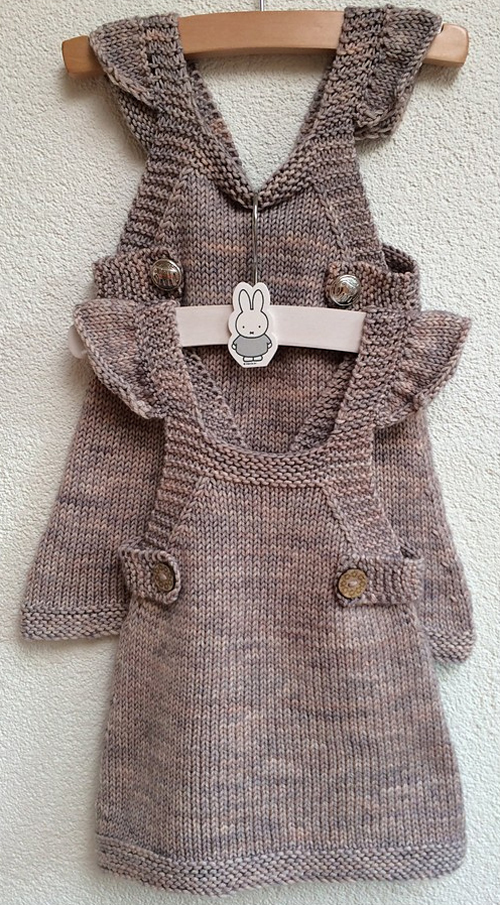
Summer Into Fall - Knitting Pattern

Summer Into Fall - Knitting Pattern
The photo above © Karinita0607

What a beautiful dress knitting pattern! I found it on Ravelry... A super quick knit, you can finish it in one day. It is cute!

Full Post: Summer Into Fall

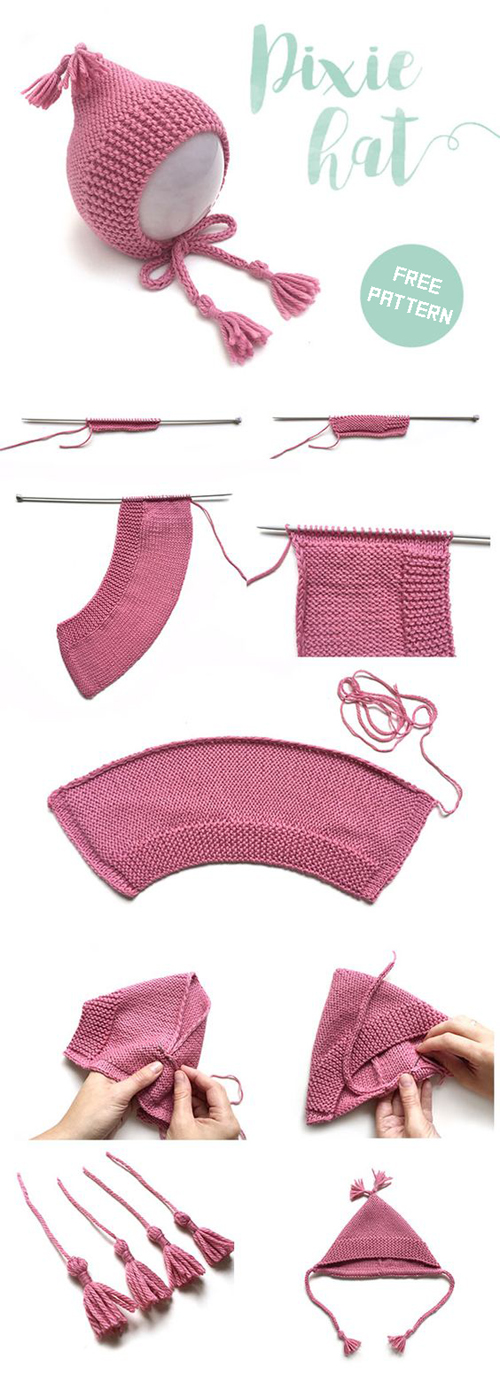
Pixie Baby Hat – Free Easy Baby Bonnet Knitting Pattern

Pixie Baby Hat free easy baby bonnet knitting pattern by Marta Porcel of Creativa Atelier

Pixie Baby Hat. Pattern, tutorial and photo © Marta Porcel / Creativa Atelier

This adorable Pixie Baby Hat by Marta Porcel of Creativa Atelier is a free baby bonnet knitting pattern with a charming pointed shape, adjustable cord and playful tassels.

The hat is worked flat on straight needles, making it especially appealing if you prefer not to knit small circumferences in the round. The knitted piece is folded and seamed at the back to create the distinctive pixie shape.

The original tutorial is written for approximately 1–3 months, but the designer also explains how the basic construction can be adjusted for larger sizes.

Pixie Baby Hat Pattern at a Glance

  • Designer: Marta Porcel
  • Source: Creativa Atelier
  • Published: November 2021
  • Craft: Knitting
  • Category: Baby bonnet / pixie hat
  • Original size: Approximately 1–3 months
  • Yarn weight: DK / Light
  • Suggested yarn: Katia Merino Classic
  • Main needles: 4 mm straight knitting needles
  • Optional crochet hook: 2.75 mm for the cord
  • Construction: Worked flat and seamed
  • Finishing: Adjustable cord and tassels
  • Current availability: Free web-based tutorial

A Classic Pointed Pixie Bonnet

The most recognizable feature of this little bonnet is its pointed pixie silhouette.

Instead of shaping a conventional rounded crown, the flat knitted fabric is folded and joined at the back. This simple construction produces the distinctive point at the top of the hat.

Tassels add even more character and give the finished bonnet a playful, traditional handmade appearance.

Worked Flat on Straight Needles

One of the best features of this pattern is that you do not need to knit the bonnet in the round.

The main fabric is worked back and forth on 4 mm straight needles.

This makes the project particularly useful for knitters who enjoy baby hats but are not yet comfortable using double-pointed needles, Magic Loop or other small-circumference techniques.

Original Size: 1–3 Months

Marta Porcel designed the tutorial specifically for a baby of approximately 1–3 months.

Rather than pretending that the free tutorial contains a complete multi-size grading system, it is important to note that the published stitch and row counts correspond to this original size.

The designer does, however, explain how the simple construction can be adapted if you want to make a larger bonnet.

How the Size Can Be Adjusted

Because the hat is based on a relatively simple flat construction, the designer suggests increasing both the initial number of stitches and the number of rows when making a larger size.

Taking the child's actual head measurements is the best approach whenever possible.

For gift knitting, the original tutorial also provides approximate head circumference references by age to help with planning.

Yarn for the Pixie Baby Hat

The original sample uses Katia Merino Classic in color 26.

The yarn is listed at approximately:

100 grams = 240 meters
DK / Light weight

The yarn was chosen to coordinate with a matching baby cardigan from Creativa Atelier.

Choosing Substitute Yarn

A smooth, soft DK-weight yarn is a sensible starting point when substituting for the original yarn.

Because this is a baby accessory, pay particular attention to softness and care requirements as well as yarn weight.

A washable wool, merino blend or another baby-friendly DK yarn can work well if it produces fabric with dimensions comparable to the designer's sample.

Needles and Other Materials

The original 1–3 month version uses:

  • 4 mm straight knitting needles
  • 2.75 mm crochet hook for the designer's preferred cord method
  • Tapestry needle for seaming and finishing
  • DK / Light yarn

The crochet hook is optional because the cord can be created using other methods if you prefer.

The Main Knitted Fabric

The bonnet is based largely on simple stockinette fabric.

The designer changes the direction of the stockinette at strategic points to create the sections that will later be folded during finishing.

This is a clever way to build useful construction lines directly into a simple rectangular piece of knitting.

A Simple Flat Construction

Instead of relying on complicated crown decreases, the Pixie Hat gets its shape from the way the knitted fabric is folded and seamed.

After completing the main piece, the fabric is folded in half and the appropriate edges are joined at the back.

The result is the characteristic pointed bonnet shape without having to shape a traditional rounded crown.

Seaming the Back

Because the bonnet is knitted flat, one of the main finishing steps is joining the back edges.

The designer notes that you can use a normal seam or an invisible seaming technique.

Taking a little extra time over this seam will help the finished point look neat and keep the inside comfortable.

The Adjustable Cord

A cord runs through the lower section of the bonnet and allows the hat to be adjusted around the baby's head.

Marta's sample uses approximately 55 cm of I-cord.

She demonstrates a crochet-hook method for making the cord, but also notes that there are several alternatives, including knitting or making a cord by hand.

Tassels or Pom-Poms

The original Pixie Hat is finished with four tassels.

Two decorate the ends of the cord and two are attached to the pointed area of the bonnet.

The designer also suggests replacing the tassels with pom-poms if you prefer a different look.

Customize the Pixie Hat

The simple construction gives you plenty of opportunities to personalize the finished bonnet.

You might choose a soft neutral for a traditional look, a bright color for a playful baby accessory, or coordinate the yarn with another handmade garment.

Tassels and cords can also be made in contrasting colors for an extra decorative touch.

Make the Matching Baby Set

Creativa Atelier also provides tutorials for a matching knitted baby cardigan and baby booties.

The Pixie Hat can therefore be made on its own as a quick accessory or combined with the coordinating pieces to create a complete handmade baby outfit.

This also makes the design especially attractive for baby-shower or newborn gift knitting.

Skills Used in the Pixie Baby Hat

Useful skills for this project include:

  • Casting on
  • Knitting and purling
  • Stockinette stitch
  • Working flat on straight needles
  • Binding off
  • Blocking
  • Basic seaming
  • Picking up stitches for finishing
  • Making a cord or I-cord
  • Making tassels or optional pom-poms

Is the Pixie Baby Hat Beginner Friendly?

The construction is relatively approachable because the main bonnet is worked flat and relies heavily on basic knit and purl techniques.

You do not need to manage circular knitting or complicated crown shaping.

The finishing introduces useful skills such as seaming, picking up stitches and making a cord, making this a nice progression beyond a simple scarf or square.

A Good First Baby Hat on Straight Needles

Many baby hat patterns are knitted in the round, which can be intimidating if you have only worked on straight needles.

This Pixie Hat provides a different route: knit the main shape flat and create the three-dimensional bonnet during finishing.

That makes it an interesting choice for newer knitters who want to make their first baby hat without immediately learning Magic Loop or double-pointed needles.

Blocking Before Assembly

The designer recommends blocking the knitted fabric before completing the seams.

This helps control the natural curling of stockinette stitch and makes the finishing process easier.

Always use a blocking method appropriate for the fiber in your chosen yarn rather than automatically applying heat or steam to every fiber.

A Quick Handmade Baby Gift

Small baby accessories are excellent projects when you want to make a thoughtful handmade gift without committing to a full blanket or sweater.

The pointed silhouette makes this bonnet more distinctive than a basic beanie, while the tassels give it plenty of handmade charm.

Pair it with knitted booties or the matching cardigan for a more complete gift set.

Baby Hat Safety

Because this design includes an adjustable cord and decorative tassels, it should be used appropriately and under adult supervision.

Check all finishing details regularly and make sure tassels and other decorative pieces remain securely attached.

Remove hats and accessories with cords or ties before sleep and follow current infant safe-sleep recommendations.

Why Knit the Pixie Baby Hat?

The Pixie Baby Hat combines a memorable shape with surprisingly simple construction.

It is knitted flat, uses familiar stockinette fabric and requires no complicated rounded crown shaping, yet the finished bonnet has a distinctive pointed silhouette.

The free tutorial, adjustable construction and matching baby garments also make it a useful pattern to keep bookmarked for future baby gifts.

Get the Free Pixie Baby Hat Pattern

Knitted PIXIE Hat by Marta Porcel of Creativa Atelier is still available as a free step-by-step knitting tutorial from the designer's website.

Get the Free Pixie Baby Hat Pattern →

Pattern availability was checked when this article was updated. Pattern, tutorial and original images belong to Marta Porcel / Creativa Atelier. Amazing Knitting does not reproduce the designer's complete instructions; please use the official tutorial above.

Garter Stitch Baby Sweater – EASY Pattern & Tutorial

Garter Stitch Baby Sweater – EASY Pattern & Tutorial
Photos above © Creativa Atelier

What a beautiful baby sweater (Free knitting pattern)! I found it on Pinterest... This Baby Sweater pattern is available in size newborn, 1-3 months, 3-6 months, 6-12 months, and 12-24 months. You will find the instructions to knit this baby Sweater in size 3 months on the text and images, but if you prefer to download the pattern to get the diagram,  row by row instructions and print it to make notes without relying on the cell phone or internet connection, you are in luck because everything is ready for you! You can find all the downloadable and printable patterns by clicking on the button below.

Full Post: Baby Sweater

Discover More From the Archive

A fresh mix of knitting patterns and tutorials from the Amazing Knitting archive.

Finding patterns from the archive…