Skip to content

...

Adult Ribbed Slipper Boots – Free Two-Needle Knitting Pattern + Video

Adult Ribbed Slipper Boots free two needle knitting pattern by Katerina Mushin

These Adult Ribbed Slipper Boots by Katerina Mushin are cozy knitted house slippers featuring a textured ribbed cuff and a comfortable bootie-style shape.

One of the most appealing features of this design is that the slippers are worked on two knitting needles, making them an interesting alternative for knitters who prefer flat knitting to traditional sock construction on double-pointed needles.

The original pattern and accompanying video are still available free from Prjaga, the source originally featured by Amazing Knitting.

Design: Katerina Mushin. Featured photo/source: Prjaga.

Adult Ribbed Slipper Boots Pattern Overview

  • Designer: Katerina Mushin
  • Project: Adult slipper boots / house slippers
  • Construction: Worked flat on two needles
  • Sizes: 35–36 (37–38, 39–40)
  • Yarn: Alize Superlana Midi
  • Fiber: 25% wool, 75% acrylic
  • Yarn weight: 100g / 170m
  • Needles: 6.5 mm and 5.5 mm
  • Additional tool: Crochet hook
  • Main techniques: Ribbing, garter stitch, shaping and seaming
  • Pattern format: Written instructions + video
  • Availability: Free

About the Ribbed Slipper Boots

These slippers combine the comfort of knitted house shoes with the extra coverage of a short boot.

The tall textured cuff wraps around the ankle, while the foot develops below it into a shaped slipper with a defined upper, toe and sole.

The contrast between the ribbed cuff and simpler knitted sections gives the finished slippers plenty of texture without requiring an elaborate colorwork design.

Three Adult Sizes

The original pattern provides three women's size ranges:

  • 35–36
  • 37–38
  • 39–40

The original video demonstrates the 39–40 size.

Because knitted footwear depends heavily on gauge and yarn thickness, follow the stitch counts for your chosen size and compare the developing slipper with the intended foot whenever possible.

Yarn

Katerina Mushin's original version uses Alize Superlana Midi, a yarn containing 25% wool and 75% acrylic with approximately 170 meters per 100g.

The pattern calls for approximately:

  • 80g of Yarn A
  • 20g of Yarn B

Using two colors highlights the different sections of the slipper and makes the cuff and foot details stand out.

Needles and Tools

The original instructions specify:

  • 6.5 mm knitting needles
  • 5.5 mm knitting needles
  • Crochet hook
  • Yarn needle for seaming and finishing

The crochet hook is used as part of the cast-on method demonstrated in the original pattern.

Worked on Two Needles

A major advantage of this project is that the slipper boots are knitted on two needles.

Many sock patterns require double-pointed needles, Magic Loop or another method for working small circumferences in the round. This design instead develops through flat knitted sections that are shaped and later joined.

That makes the construction particularly interesting for knitters who enjoy flat knitting but want to experiment with handmade footwear.

The Textured Cuff

The tall cuff is one of the most recognizable features of the design.

Alternating knit and purl stitches create vertical texture, while another textured section gives the upper part of the slipper additional depth.

The substantial cuff also provides extra ankle coverage compared with a low-cut knitted slipper.

How the Slipper Is Constructed

The project develops through several distinct sections rather than being knitted as a simple rectangle.

After the cuff is established, the knitting moves into the central section that forms the upper part of the foot.

The toe is then shaped with decreases. Stitches are picked up along the sides of the upper section so that the foot and sole can continue to develop.

Finally, the sole is shaped with additional decreases before the slipper is seamed.

Garter Stitch Around the Foot

Garter stitch is used in parts of the foot construction.

Because garter stitch creates a flexible fabric with horizontal ridges, it works well alongside the more pronounced vertical texture of the cuff.

The combination gives the slipper visual interest while keeping much of the construction based on familiar knit stitches.

Toe Shaping

The toe is shaped gradually with decreases on both sides of the central foot section.

This changes the flat knitted section into a more foot-like shape before additional stitches are picked up along its edges.

Follow the original instructions carefully because the stitch counts vary between the three sizes.

Shaping the Sole

After stitches have been picked up around the foot, the pattern uses a series of decreases to shape the sole.

The final construction is completed with seaming along the foot, heel and cuff.

A neat but flexible seam is particularly important for slippers because a bulky seam can become uncomfortable underneath the foot.

Useful Skills for This Project

Before beginning, it is helpful to be comfortable with:

  • Casting on
  • Knitting and purling
  • Working flat on two needles
  • Ribbed stitch patterns
  • Garter stitch
  • Knitting two stitches together
  • Left-leaning decreases
  • Picking up stitches
  • Following different stitch counts for multiple sizes
  • Seaming knitted fabric
  • Weaving in yarn ends

Tips for Knitting Better-Fitting Slippers

Use the correct size instructions. The stitch counts change between sizes, particularly around the upper foot and sole.

Keep your tension consistent. The slipper needs enough stretch for comfort without becoming so loose that it moves around on the foot.

Count picked-up stitches carefully. Picking up the correct number along each side helps keep the foot symmetrical.

Make notes while knitting the first slipper. This makes it easier to reproduce the same tension and finishing choices on the second slipper.

Check the seam. A smooth seam is particularly important around the sole and heel where bulky finishing may be felt while walking.

Consider a Non-Slip Finish

Like many handmade knitted slippers, the finished fabric can slide on smooth floors.

If these slippers will be worn regularly on tile, polished wood or another smooth surface, consider adding an appropriate non-slip slipper sole or purpose-made non-slip treatment.

Why These Adult Slipper Boots Are Worth Knitting

This project offers considerably more construction interest than a basic rectangular slipper while still allowing the majority of the work to be done on two needles.

The combination of ribbing, garter stitch, picked-up stitches and shaping provides useful practice with several techniques in one relatively compact project.

The tall cuff also makes the finished slippers particularly appealing for cold-weather lounging at home.

Get the Free Adult Slipper Boots Pattern + Video

The complete pattern is currently available free from Prjaga and is credited to Katerina Mushin.

The original source includes the written instructions and a video tutorial. Use it for the complete stitch counts, shaping sequence and finishing instructions.

Get the Free Pattern + Video →

More Free Sock & Slipper Knitting Patterns

Looking for another cozy footwear project? Explore our collection of free socks, slippers and booties:

Explore 8 Free Sock & Slipper Knitting Patterns →

Pattern Availability

Amazing Knitting links readers to legitimate designer or publisher sources whenever possible. Pattern prices, download locations and availability can change after an article is published.

Read Our Pattern Availability Policy →

Amazing Knitting is an independent pattern discovery and project-guide site. The Adult Ribbed Slipper Boots design and original instructions belong to Katerina Mushin and their respective publisher. This guide provides project information and directs knitters to the original pattern rather than reproducing the complete instructions.

Knitted Scarf Sakura – Floral Lace Scarf Pattern

Knitted Scarf Sakura floral lace scarf knitting pattern by Svetlana Gordon

Knitted Scarf Sakura. Design and photo © Svetlana Gordon

Knitted Scarf Sakura by Svetlana Gordon is an extraordinary floral scarf knitting pattern inspired by the delicate beauty of blossoms and leaves.

Worked with fine lace-weight yarn, the design creates an elaborate three-dimensional-looking fabric filled with sculptural leaves, flowers and flowing organic shapes.

Despite its dramatic appearance, the designer rates the project medium difficulty and explains that the pattern contains many photos and illustrations to guide knitters through the construction step by step.

Availability update: this older Amazing Knitting page previously appeared among free-pattern recommendations. The Sakura pattern is currently sold as a paid digital pattern, so this guide has been updated to reflect its present availability.

Knitted Scarf Sakura Pattern Details

  • Designer: Svetlana Gordon
  • Published: November 2015
  • Craft: Knitting
  • Category: Scarf
  • Difficulty: Medium
  • Yarn weight: Lace
  • Suggested yarn: Zitron Filigran
  • Total yarn: Approximately 270 g
  • Yardage: Approximately 1772–1859 yards (1620–1700 m)
  • Needles: 2 mm needles and 2 mm circular needle
  • Gauge: 35 stitches × 40 rows = 10 × 10 cm
  • Finished width: Approximately 38 cm / 15 in
  • Finished length: Approximately 250 cm / 98.4 in
  • Notions: 16 stitch markers
  • Language: English
  • Current availability: Paid digital pattern

A Spectacular Floral Knitted Scarf

Sakura is not a conventional rectangular scarf covered with a simple repeating stitch.

Its appeal comes from the elaborate botanical forms that develop across the fabric, creating the impression of branches filled with leaves and blossoms.

The finished piece is therefore as much a statement accessory as it is a practical scarf.

Inspired by Sakura Blossoms

The name Sakura refers to cherry blossoms, and the botanical inspiration is immediately visible in the finished design.

Instead of reproducing flowers with colorwork, the scarf creates its floral character primarily through the structure of the knitting itself.

Leaves, dimensional details and open areas work together to produce an organic surface that looks dramatically different from ordinary lace scarves.

Lace-Weight Yarn

The original Sakura scarf uses Zitron Filigran, a fine 100% merino lace yarn.

The designer documents approximately 270 g of yarn for the project, divided between the flower and leaf colors.

Because this is a large scarf worked at a fine gauge, the total yardage is substantial: approximately 1620–1700 meters (1772–1859 yards).

Original Color Distribution

The documented sample uses two colors of Zitron Filigran:

  • Flower color: approximately 70 g
  • Leaf color: approximately 200 g

Using separate colors for the flowers and foliage helps emphasize the botanical structure of the finished scarf.

When substituting yarn, compare meterage as well as weight because different lace yarns can contain very different lengths per 100 grams.

Choosing Yarn for Sakura

Stitch definition is particularly important for a design with this much structural detail.

A smooth lace-weight yarn can help the leaves, flowers and other sculptural elements remain visible instead of disappearing into a fuzzy surface.

Solid or gently tonal colors are also worth considering when you want the intricate knitted forms to remain the main visual feature.

Needles and Gauge

Sakura is worked using fine 2 mm needles. The designer also lists a 2 mm circular needle among the required tools.

The documented gauge is:

35 stitches × 40 rows = 10 × 10 cm

A swatch is useful not only for checking gauge but also for seeing how your chosen lace yarn behaves after washing and blocking.

A Generously Sized Scarf

The finished Sakura is approximately:

38 cm wide × 250 cm long
(about 15 × 98.4 inches)

At approximately 2.5 meters long, this is a substantial statement scarf rather than a small neck accessory.

The generous length provides plenty of room to display the floral details while allowing the scarf to be wrapped and styled in different ways.

Why 16 Stitch Markers?

The materials list includes 16 stitch markers.

On an intricate project, markers can help divide the work into recognizable sections and make it easier to keep track of complex shaping and repeated elements.

They also provide useful checkpoints when comparing your progress with the pattern's photographs and diagrams.

Medium Difficulty – Despite the Appearance

Sakura looks exceptionally complicated, but the designer classifies the project as medium difficulty.

She specifically explains that the project does not require extremely advanced knitting skills when the instructions are followed carefully and in sequence.

The challenge is therefore likely to come more from concentration, organization and following the construction accurately than from mastering a large collection of highly specialized techniques.

Step-by-Step Visual Guidance

One particularly useful feature of the Sakura pattern is its visual support.

The designer states that the pattern contains many photos and pictures intended to guide the knitter through the process step by step.

This can be especially valuable for an unusual construction where the finished structure may not be obvious from written abbreviations alone.

Skills Used in Knitted Scarf Sakura

Techniques documented in the pattern include:

  • Knitting and purling
  • Cast on and bind off
  • Knit and purl decreases
  • Yarn overs
  • Slipping stitches
  • Wrap and turn
  • Making bobbles
  • Following shaping instructions
  • Using multiple stitch markers
  • Working with fine lace-weight yarn

Short Rows and Wrap & Turn

The documented abbreviations include w&t (wrap and turn), indicating the use of short-row techniques within the construction.

Short rows allow selected portions of the knitting to receive additional rows without working all the way across the entire piece.

In a sculptural design such as Sakura, this can help create shaping that would be difficult to achieve with simple straight rows alone.

Dimensional Details and Bobbles

The pattern also includes bobbles, adding another dimensional element to the floral surface.

Combined with increases, decreases, short rows and lace techniques, these raised details contribute to the unusually rich texture visible in the finished scarf.

Take the Pattern One Section at a Time

A scarf this intricate is easier to approach as a sequence of smaller tasks rather than thinking about the entire 250 cm project at once.

Follow the pattern's photographs and illustrations carefully, keep the stitch markers in their designated positions, and verify each completed section before moving forward.

This can make mistakes much easier to identify while they are still local and relatively simple to correct.

Use a Row Counter

A row counter can be particularly helpful when working an elaborate scarf with multiple shaped motifs.

Record your position whenever you stop knitting so that you can return to the correct step without having to reconstruct your progress from memory.

Consider Lifelines

Lifelines can provide additional security when working with fine yarn and complicated shaping.

Placing a contrasting strand through a known correct row gives you a safe point to return to if you discover an error later.

This becomes increasingly valuable as the scarf grows and more hours of knitting are invested in the project.

Blocking the Sakura Scarf

Careful finishing can help the individual knitted forms settle into their intended shapes.

Use a blocking method suitable for the fiber in your chosen yarn and follow any finishing guidance provided in the pattern.

With sculptural knitting, the goal is not necessarily to stretch every section completely flat. Preserving the dimensional quality of the motifs is part of the finished effect.

A Project for Knitters Who Love Detail

Sakura is especially appealing if you enjoy knitting projects where the construction itself becomes part of the artistic expression.

Instead of repeating one simple stitch pattern for the entire length, the scarf builds an elaborate botanical composition from knitted techniques.

The result is a distinctive accessory that showcases both fine yarn and careful workmanship.

Why Knit the Sakura Scarf?

Knitted Scarf Sakura stands apart from ordinary lace scarves because of its sculptural floral design and impressive finished length.

It is a rewarding choice for knitters who enjoy detailed projects and are willing to work carefully through a longer pattern.

The extensive photographic guidance is particularly useful for understanding the unusual construction as the scarf develops.

Get the Knitted Scarf Sakura Pattern

Knitted Scarf Sakura by Svetlana Gordon is currently available as a paid digital knitting pattern.

View the Knitted Scarf Sakura Pattern →

Pattern availability and pricing can change over time. Amazing Knitting does not reproduce or distribute the designer's copyrighted pattern instructions.

Baby Hearts - Free Pattern

Baby Hearts - Free Pattern
The photo above © eisbergen1
What beautiful knitting baby hearts with a chart (free pattern)! I found it on Pinterest...
Lots of Love in these sweet little hearts. Wouldn't they look cute in an afghan?

Full Post: Baby Hearts

Rock Pool Wrap - Free Pattern

Rock Pool Wrap - Free Pattern
The photo above © dancing-girl
What beautiful knitting wrap (free pattern)! I found it on Ravelry...
Dancing-girl: "birthday gift for my beautiful girl. Lovely pattern, simple but extremely effective, the Marble Chunky is perfect for it."

Download Pattern: Stitch Sampler Shawl

Make Your Own Infinity Scarf In Half An Hour! - Arm Knitting Tutorial

Make Your Own Infinity Scarf In Half An Hour! - Arm Knitting Tutorial
Photos above © Nicole and Bianca
What beautiful knitting scarf  (Arm knitting tutorial )! I found it on Pinterest...
Arm knitting is a lesser-known knitting technique, yet it can save you a lot of time and trouble – especially if you are just starting out in the art of knitting! If you are tired of knitting caps and gloves and you feel a bit daring and adventurous this time, then the Infinity scarf tutorial is exactly what you need.

A woman is knitting tiny wool jumpers to keep her chickens warm

A few of the chickens in their homemade jumpers - Image © SWNS
In this article, you will know the smart woman who knitted woolly jumpers to help keep her chickens warm this winter.

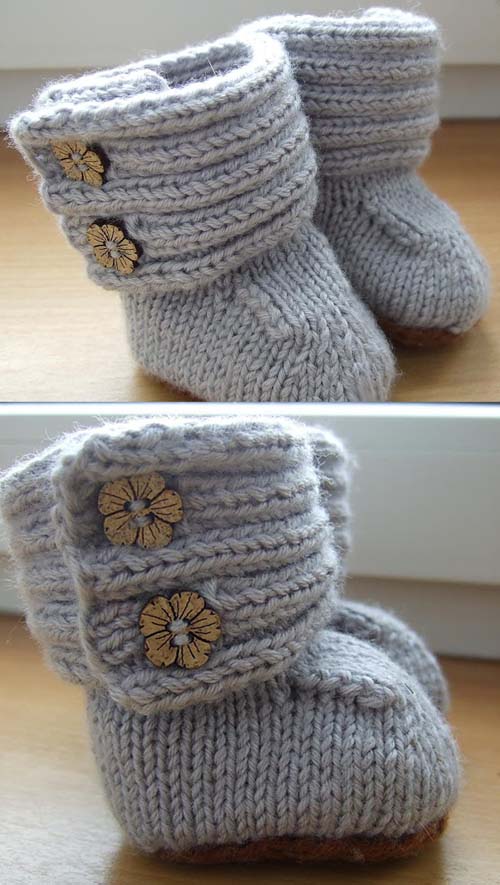
Ribbing Upper Wrap Around Baby Booties - Tutorial

Ribbing Upper Wrap Around Baby Booties - Tutorial
Photos above © fiubzdziu
What beautiful knitting baby booties (tutorial)! I found it on Pinterest...
You can make these cute baby booties for size 3-6 and 9-12 months old.

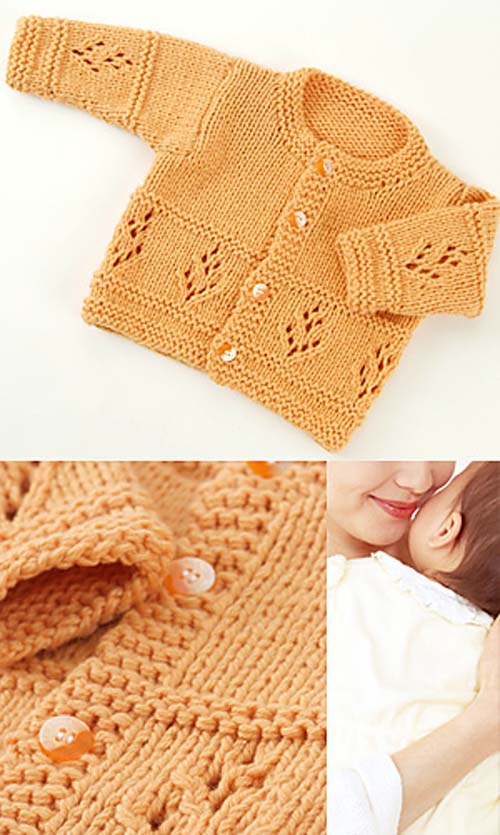
Cashmere Baby Cardigan - Free Knitting Pattern

Cashmere Baby Cardigan - Free Knitting Pattern
 Photos above © Pierrot Yarns
What beautiful knitting baby cardigan (free pattern)! I found it on Pinterest...
This pattern available in English and Japanese. Both versions are fully charted using standard knitting and/or crochet symbols.

Download Pattern: Cashmere Baby Cardigan

Fabric Lined Adult Knit Face Mask - Free Knitting Pattern

Fabric Lined Adult Knit Face Mask - Free Knitting Pattern
Photos above © Yarnspirations Design Studio
In the fight against an outbreak of respiratory disease due to the Coronavirus, there is an acute deficiency in the face mask. A face mask is one of many small items that we usually need in everyday life.

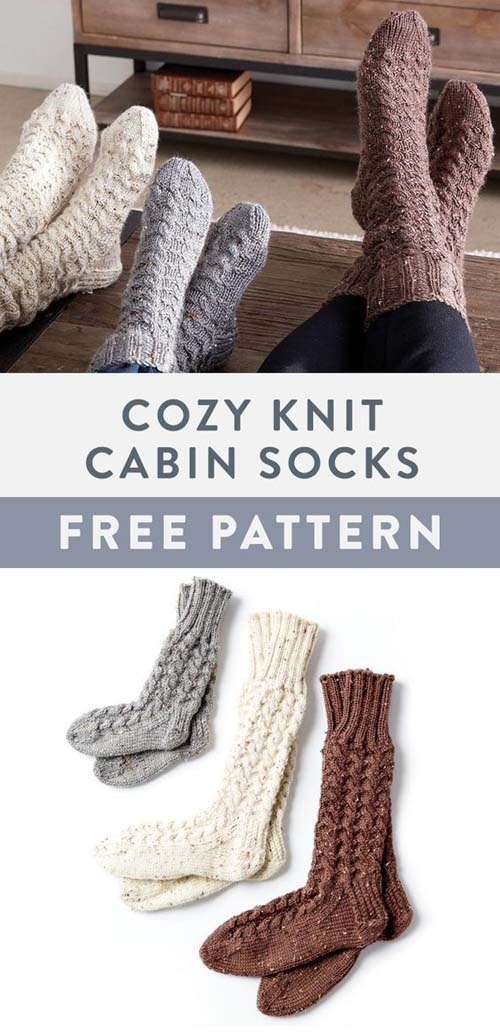
Cozy Knit Cabin Socks - Free Pattern

Cozy Knit Cabin Socks - Free Pattern
Photos above © Yarnspirations Design Studio
What beautiful knitting socks (free pattern)! I found it on Pinterest...
Knit these super-warm socks in the natural tweed look of Caron Simply Soft Tweeds.

Download Pattern: Cozy Knit Cabin Socks

Two-Tone Chunky Beanie - Free Knitting Pattern

Two-Tone Chunky Beanie - Free Knitting Pattern
Photos above © zoe.creates
What beautiful knitting beanie hat  (free pattern)! I found it on Pinterest...
This chunky simple beanie hat works up quickly within a couple of hours and is perfect for beginner knitters as only knowledge of very basic techniques is required.

Diego Hoodie Pullover - Free Knitting Pattern

Diego Hoodie Pullover - Free Knitting Pattern
Photos above ©  Irina Poludnenko for Lion Brand
What beautiful knitting hooded pullover (free pattern)! I found it on Pinterest...
Hooded sweater with kangaroo pocket in front for toddlers and children. Child's 2, 4, 6. Rated easy by the designer. Worked flat and seamed. Designed by Irina Poludnenko for Lion Brand. Worsted weight yarn.

Download Pattern: Diego Hoodie Pullover

Discover More From the Archive

A fresh mix of knitting patterns and tutorials from the Amazing Knitting archive.

Finding patterns from the archive…