Skip to content

...

Basic Adults Knitted Beanie - Free Pattern

Basic Adults Knitted Beanie - Free Pattern
The photo above © Shellie Wilson
What beautiful hat knitting pattern! I found it on Pinterest.
This is a colorful pattern for a basic adults knitted beanie. Very easy to do and the beanie is finished in a couple of hours. Basic and easy! In addition to knitting needles and yarn, you will need a yarn needle.

Knit a Giant Bag to Hold Your Knitting Stuff - Free Pattern

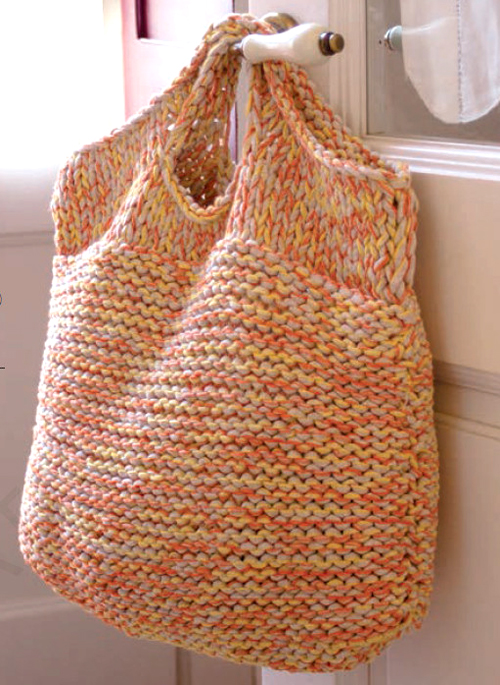
Knit a Giant Bag to Hold Your Knitting Stuff -  Free Pattern
The photo above © Fil Katia
Easy bag knitting pattern! I found it on Pinterest.
The Easy Bag is a great choice for holding a knitting project in progress, or just about anything else.
The pattern is mostly worked in Reverse Stockinette Stitch on size 17 US needles, so it works up in a flash. It’s a free download on Ravelry from Katia, and is available in several languages. The pattern has words, but the stitch counts are shown in a schematic, which is kind of fun. It calls for their super bulky ribbon yarn, which has been discontinued, but it would be fun to make in T-shirt yarn or any super bulky yarn you have on hand.

Download Pattern: Easy Bag

Beautiful And Easy Knitting Pattern For Sweater/Cardigan/Baby Blanket/Shawl

Beautiful And Easy Knitting Pattern For Sweater/Cardigan/Baby Blanket/Shawl
Photos above © knit with me
What beautiful knitting pattern for Sweater/Cardigan/Baby Blanket/Shawl. I found it on Pinterest.
I like this tutorial, a very beautiful pattern...

Basic Knitted Baby Hat - Free Pattern

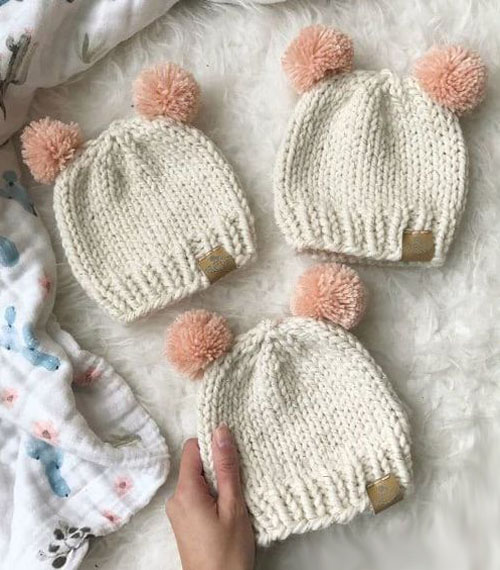
Basic Knitted Baby Hat - Free Pattern
The photo above © Stephanie - All About Ami
What beautiful hat knitting pattern! I found it on Pinterest.
Knit a simple baby beanie with a beautiful wool blend yarn and pom-poms for added cuteness!

Full Post: Basic Hat 

Easy Hooded Poncho Phoebe - Knitting Pattern

Easy Hooded Poncho Phoebe - Knitting Pattern
The photo above © Marie - MukiCrafts
What beautiful knitting hooded poncho! I found it on Etsy.
Easy to make a beginner-friendly hooded poncho that comes in all sizes from baby to adult L. Knitted with basic stitches and minimal shaping, this is a perfect project for a novice knitter. Knit it with or without the bunny ears, it’s still cute and comfy to wear. 

Redbel - Knitting Pattern

Redbel - Knitting Pattern
The photo above © Caroline Wiens
What beautiful shawl knitting pattern! I found it on Ravelry...
Caroline Wiens: "I’m soooo happy with how this turned out! And I’m soooo frustrated because I can’t capture the beauty with my camera! Truest color is in the photo."

Full Post: Ishbel

A Trick to Make Seaming Shoulders Easier

A Trick to Make Seaming Shoulders Easier
Photos above © Sarah White
One of the disadvantages of knitting a pieced sweater is all the finishing that’s involved, and one of the most unpleasant duties when it comes to finishing a sweater is sewing in the sleeves...

Bathurst Cardi - Free Pattern

Bathurst Cardi - Free Pattern
Photos above © sofiecat
What beautiful cardigan (free knitting pattern)! I found it on Ravelry...
Christine (sofiecat): "I love this pattern and don’t know why more people don’t knit it. It’s a great shape, the sleeves set in nicely, and the collar is lovely the way it continues on from the front opening bands and is edged in garter stitch to match the bands. The collar can be left open at the top button and looks really cute this way with its little lapels."

Full Post: Jill Cardigan

Eyelet Yoke Baby Cardigan - Free Pattern

Eyelet Yoke Baby Cardigan - Free Pattern
Photos above © AliciaPaulson
What beautiful cardigan (free knitting pattern)! I found it on Ravelry...
This pattern is written for most Sport or finer Double Knitting yarns. The finished size isn’t exact or crucial, so within reason, you can adapt it to your own yarn and tension.

Knitted House Slippers - Easy Tutorial

Knitted House Slippers - Easy Tutorial
Photos above © Вяжем вместе с Леночкой
What beautiful knitting slippers pattern! I found it on Pinterest...
This free video tutorial will teach you how to make these knitted house slippers. Not only do these gorgeous knitted slippers can prevent a cold that is caused by walking barefoot around the house, they also help maintain a fashionable-yet-comfy home look!

Knit Barfi Stitch – Easy Diamond Stitch Tutorial

Knit Barfi Stitch diamond knitting stitch tutorial
Photo © Knit with Suman

The Knit Barfi Stitch is an eye-catching textured knitting stitch with a repeating diamond or rhombus-like appearance. Its geometric surface can add strong visual interest even when worked in a single yarn color.

This stitch can be a beautiful choice for projects such as blankets, scarves, cushion covers, wraps and decorative knitted panels. The original tutorial linked below demonstrates how the stitch is worked.

What Is the Barfi Stitch?

Barfi Stitch is a decorative knitting stitch distinguished by repeating geometric shapes across the fabric. The finished texture creates diamond-like sections that stand out clearly against the surrounding stitches.

Because the design itself provides the visual detail, it can work well in a solid color where the texture remains the main feature of the finished project.

What Does the Barfi Stitch Look Like?

The stitch produces a structured surface made up of repeating diamond or rhombus motifs. These motifs create a decorative all-over pattern rather than a plain stockinette fabric.

Choosing a smooth yarn with good stitch definition can make the geometric texture easier to see. Very fuzzy yarns may soften or hide some of the detail.

Projects You Can Make With Barfi Stitch

A textured stitch like Barfi can be adapted to many rectangular or repeating-pattern knitting projects.

Blankets: Use the repeating texture for baby blankets, throws or larger afghans.

Scarves: A solid-color scarf can showcase the diamond pattern clearly.

Cushion Covers: The structured surface can create an attractive decorative panel.

Wraps and Shawls: Use the motif as an all-over textured fabric or a feature section.

Garment Panels: The stitch can also provide decorative texture in suitable sweater or cardigan designs.

Choosing Yarn for a Textured Knitting Stitch

For a stitch pattern with strong geometric detail, a smooth yarn is usually useful because it allows individual stitches and raised areas to remain visible.

Light and medium shades can make shadows within the texture easier to see, while darker yarns can produce a more subtle effect.

Before using Barfi Stitch in a large project, knit a small swatch with your chosen yarn and needles. This lets you check the appearance, drape and width of the repeating pattern before committing to a larger piece.

Tips Before You Start

Watch the complete stitch repeat before beginning so you can see how the geometric sections develop. Keeping an even tension is particularly helpful with textured stitches because uneven tension can distort the repeated shapes.

If you plan to incorporate the stitch into your own blanket, scarf or garment, first determine the stitch-repeat requirements shown in the original tutorial and make a gauge swatch.

A row counter or simple notes can also be useful when working repeated textured sections, especially on larger projects.

Watch the Knit Barfi Stitch Tutorial

The original video tutorial featured on this page is from Knit with Suman. Use the button below to watch the demonstration and follow the stitch construction directly from the source.

Amazing Knitting provides an editorial introduction to the stitch and directs readers to the original tutorial rather than reproducing the complete row-by-row instructions.

Pistachio Knitting Stitch – Easy Textured Stitch Tutorial

Pistachio Knitting Stitch textured V stitch tutorial

The Pistachio Knitting Stitch is an eye-catching textured stitch pattern that creates rows of distinctive raised V-shaped motifs across the knitted fabric.

The texture is produced by combining basic stockinette-style knitting with elongated loops that are drawn up from lower rows and later worked together with surrounding stitches. The result is decorative without requiring cables or complicated lace charts.

This stitch can be especially attractive for sweaters, cardigans, scarves, blankets, cushion covers and other projects where you want the fabric itself to become the main design feature.

Original stitch tutorial and image credit: Страна Вязания.

Pistachio Knitting Stitch Overview

  • Craft: Knitting
  • Type: Textured knitting stitch
  • Stitch repeat: Multiple of 4
  • Main effect: Raised repeating V-shaped motifs
  • Key technique: Elongated stitches / drawn-up loops
  • Fabric base: Knit and purl rows
  • Useful skills: Knit, purl, slipped stitches, decreases and elongated stitches
  • Best for: Sweaters, cardigans, scarves, blankets and decorative panels
  • Tutorial availability: Free video tutorial

What Does the Pistachio Stitch Look Like?

The most recognizable feature of this stitch is the repeated V-shaped texture. The V motifs sit against a smoother knitted background and are staggered across the fabric, producing a structured pattern that looks more complicated than the basic stitches used to create it.

Because the motifs have both height and depth, the Pistachio Stitch can create a particularly attractive effect with solid-colored yarn. A single color lets the shadows formed by the elongated loops emphasize the texture naturally.

How the Texture Is Created

The Pistachio Stitch begins with simple knit and purl fabric. The distinctive pattern appears when longer loops are drawn up from several rows below the current working row.

Those elongated loops are carried through subsequent rows and then combined with neighboring stitches. This brings the two sides of each motif together and forms the characteristic V shape.

The motifs are offset in the next repeat so the texture develops across the fabric rather than forming only straight vertical columns.

Why Elongated Stitches Matter

The elongated stitches are the key decorative element in this pattern. Instead of forming every stitch through the normal loop immediately below the needle, selected loops are drawn from lower in the knitted fabric.

These longer strands travel across the surface of the work and become part of the raised motif.

It is important not to pull these loops too tightly. If the elongated strands are significantly tighter than the surrounding knitting, the fabric may pucker and the V shapes can lose their clean appearance.

Skills You'll Use

  • Casting on
  • Knit stitches
  • Purl stitches
  • Working stockinette-style rows
  • Drawing up elongated stitches from lower rows
  • Slipping stitches
  • Working decreases
  • Keeping even tension across textured motifs
  • Following a repeating stitch sequence

Is the Pistachio Stitch Beginner Friendly?

A knitter who is comfortable with basic knit and purl stitches can certainly learn the Pistachio Stitch, but it is slightly more involved than a basic ribbing or seed-stitch pattern.

The part that may feel unfamiliar at first is drawing the elongated loops from lower rows and then handling those loops correctly on the following rows. Watching the technique demonstrated visually is especially useful the first time you try it.

For that reason, this is a good next-step textured stitch for a confident beginner or intermediate knitter who wants to learn something beyond basic knit-and-purl combinations.

Choosing Yarn for the Pistachio Stitch

One advantage of this stitch is that the texture can work with many different yarn types. A smooth yarn generally makes the V-shaped motifs easier to see than an extremely fuzzy or novelty yarn.

Cotton can produce crisp stitch definition, while wool gives the fabric a softer and more elastic feel. The best choice depends on the project you plan to make.

Rather than choosing needles from a fixed size recommendation, use a needle appropriate for your yarn and make a small swatch first. The elongated loops need enough freedom to lie neatly without making the fabric excessively loose.

Projects That Work Well With This Stitch

The Pistachio Stitch is versatile enough to be used as either an all-over fabric or as a decorative panel within a simpler project.

  • Cardigans: the vertical texture can make a plain cardigan more distinctive.
  • Sweaters: use the stitch across the body or as a central textured panel.
  • Baby garments: a softer yarn can create a decorative cardigan or sweater fabric.
  • Scarves: the repeated motifs create visual interest without traditional cables.
  • Blankets: the stitch can be repeated across larger panels for an embossed effect.
  • Cushions: solid colors show the three-dimensional texture particularly well.

Tips for a Neater Pistachio Stitch

Keep the elongated loops relaxed. These strands need enough length to travel over the surface of the fabric without pulling the lower rows upward.

Count the repeat carefully. The stitch is built around a four-stitch repeat, so checking your stitch count before beginning a large project can prevent alignment problems later.

Watch the placement of the second motif. The textured V shapes are staggered. Correctly offsetting the next group is what creates the balanced all-over appearance.

Swatch before using it in a garment. Textured stitches can change both the width and vertical gauge of a fabric compared with plain stockinette.

Is the Pistachio Knitting Stitch Tutorial Free?

Yes. A free video demonstration of the Pistachio Knitting Stitch is currently available from Страна Вязания on YouTube.

The video shows how the elongated loops are formed and how the textured motifs develop across the knitted fabric.

Because this is a stitch tutorial rather than a complete sweater or cardigan pattern, you can use the technique as inspiration when planning your own projects or when a pattern specifically calls for a similar textured stitch.

Watch the Free Pistachio Stitch Tutorial →

Prefer an English Step-by-Step Tutorial?

If you would like an English-language explanation of the same type of Pistachio Stitch construction, We Are Knitters also provides a detailed tutorial showing the elongated stitches, decreases and repeating V motifs.

View the English Pistachio Stitch Tutorial →

Why This Stitch Is Worth Learning

The Pistachio Stitch is a useful example of how a few relatively familiar knitting techniques can create fabric with much more visual depth.

It gives knitters a way to add texture without relying on conventional cable crossings, and the repeating V motifs work particularly well when you want a project to look decorative while remaining based primarily on knit and purl fabric.

Once you understand how the elongated loops are formed and incorporated into the following rows, the same concept can also help you understand many other textured and drawn-up-loop knitting stitches.

Tutorial Availability

Amazing Knitting links readers to legitimate designer, publisher and tutorial sources whenever possible. External tutorials, videos and download locations can change after an article is published.

Read Our Pattern Availability Policy →

Amazing Knitting is an independent knitting resource and project-guide site. The linked Pistachio Stitch tutorials and their original instructional content remain the property of their respective creators. This guide explains the stitch and its uses without reproducing a source tutorial's complete row-by-row instructions.

Discover More From the Archive

A fresh mix of knitting patterns and tutorials from the Amazing Knitting archive.

Finding patterns from the archive…