Skip to content

...

Skimmer Socks Revisited – Free No-Show Sock Knitting Pattern

Skimmer Socks Revisited free no-show sock knitting pattern by Sheila Toy Stromberg

Skimmer Socks Revisited by Sheila Toy Stromberg is a clever free knitting pattern for low-cut, no-show socks designed to sit comfortably inside shoes while still providing a secure knitted fit.

Unlike traditional ankle socks, the upper portion is kept deliberately low. The pattern uses toe-up construction, short-row shaping and a ribbed back section to create a sock that covers the foot without extending far above the shoe line.

The updated version includes six sizes and is designed to accommodate a wide range of feet, from larger children through adult sizes. The designer also provides a free tutorial video for knitters who are learning toe-up sock construction.

Design and original pattern © Sheila Toy Stromberg.

Skimmer Socks Revisited Pattern Overview

  • Designer: Sheila Toy Stromberg
  • Pattern: Skimmer Socks Revisited
  • Craft: Knitting
  • Category: No-show socks / footie socks
  • Published: May 2018
  • Construction: Toe-up, worked in the round
  • Sizes: Extra Small, Small, Medium, Large, Extra Large and Extra-Extra Large
  • Arch circumference: Approximately 5.75–10.75 in / 14.5–27.5 cm depending on size
  • Yarn weight: Fingering / sock weight
  • Suggested yarn: Hedgehog Fibres Sock
  • Yardage: Approximately 125–185 yd / 115–170 m
  • Main needles: US 1 / 2.25 mm
  • Smaller needles: US 0 / 2 mm
  • Gauge: Approximately 32–34 stitches × 40 rows = 4 in / 10 cm in stockinette stitch
  • Main techniques: Judy's Magic Cast-On, knitting in the round, increases, decreases, short rows and picking up stitches
  • Language: English
  • Pattern availability: Free from the designer

A No-Show Sock Designed for Real Shoes

The main appeal of Skimmer Socks Revisited is the low-profile shape. Traditional hand-knit socks often extend well above the ankle, but this design is intended to disappear almost completely inside many everyday shoes.

That makes the pattern useful when you want the comfort of hand-knit socks without a tall cuff showing above sneakers, loafers or other low-cut footwear.

The sock still includes a structured back section to help protect the heel from rubbing while helping the finished sock stay in position.

Why the Revisited Version Is Different

Skimmer Socks Revisited is an updated version of Sheila Toy Stromberg's earlier Skimmer Socks design.

The designer created the original pattern after finding very few no-show sock patterns available in a broad range of sizes. Several years later, she reworked the design with improved shaping and a larger size range.

The revised version is intended to fit many different feet, including larger children, teens and adults.

Choosing the Right Size

Unlike some sock patterns that rely only on shoe size, Skimmer Socks Revisited places particular importance on arch circumference and foot length.

The available arch measurements are approximately:

  • Extra Small: 5.75 in / 14.5 cm
  • Small: 6.75 in / 17 cm
  • Medium: 7.75 in / 19.5 cm
  • Large: 8.75 in / 22 cm
  • Extra Large: 9.75 in / 25 cm
  • Extra-Extra Large: 10.75 in / 27.5 cm

Because knitted socks usually rely on some negative ease for a secure fit, taking accurate measurements before choosing a size is especially important.

Toe-Up Construction

These socks are knitted from the toe upward.

The project begins with Judy's Magic Cast-On, a popular method for starting toe-up socks because it creates a smooth, nearly seamless beginning at the toe.

After the toe is established, increases shape the front of the foot and the sock continues in the round toward the heel.

Heel Shaping

The pattern includes shaped heel construction designed specifically for the low-cut profile of the sock.

Short rows are used during the shaping process, along with picked-up stitches to form the surrounding structure.

This is one of the areas where working carefully is worthwhile. A well-fitted heel helps prevent a no-show sock from sliding downward inside the shoe.

The Ribbed Back Section

A taller ribbed section at the back of the heel is one of the practical features of the design.

It provides additional coverage where the shoe may rub against the back of the foot while helping the knitted sock remain secure.

The ribbing also gives the fabric elasticity, allowing it to stretch over the foot without making the entire sock tall.

Yarn Requirements

The pattern uses approximately 125–185 yards / 115–170 meters of sock-weight yarn depending on the selected size.

This relatively small yardage makes Skimmer Socks Revisited an excellent project for using leftover fingering-weight yarn from larger sock projects.

The sample was knitted with Hedgehog Fibres Sock, but another suitable fingering-weight sock yarn can be used as long as you can achieve the required gauge and produce a durable fabric.

Why Sock Yarn Works Well

Sock yarn is generally designed to create a thin but durable fabric suitable for frequent wear.

A smooth fingering-weight yarn also allows the sock to remain relatively low-bulk inside shoes, which is particularly important for a no-show design.

If substituting yarn, choose one that provides enough elasticity and abrasion resistance for footwear.

Needles and Notions

  • US 1 / 2.25 mm circular or double-pointed needles
  • US 0 / 2 mm circular or double-pointed needles
  • 1 locking stitch marker
  • Small stitch holder
  • Tapestry needle

The exact needle size may need to change depending on your individual tension. The goal is to achieve the pattern gauge rather than automatically using the listed needle size.

Skills You'll Use

  • Knitting in the round
  • Judy's Magic Cast-On
  • Toe-up sock construction
  • Basic increases
  • Basic decreases
  • Short-row shaping
  • Picking up stitches
  • Stockinette stitch
  • Ribbing
  • Measuring for sock fit
  • Finishing and weaving in ends

Is This a Good First Sock Pattern?

The designer describes Skimmer Socks Revisited as suitable for experienced knitters who are beginners to sock knitting.

That is a useful distinction. Someone who already feels comfortable knitting in the round and following shaping instructions may find this a very approachable introduction to toe-up socks.

A complete beginner may want to practice circular knitting and basic increases or decreases before beginning.

Free Video Tutorial

Sheila Toy Stromberg also created a tutorial video for Skimmer Socks Revisited to help knitters understand the construction.

The video is particularly useful if you are new to toe-up socks or would like to see how the shaping develops before attempting the pattern yourself.

Watch the Skimmer Socks Tutorial →

Tips for a Better Fit

Measure the foot before choosing a size. Arch circumference and foot length are more reliable than choosing only by shoe size.

Check your gauge. Socks rely heavily on accurate gauge because even a small difference can noticeably change the fit.

Keep the fabric firm. A sock fabric that is too loose may stretch excessively during wear.

Pay close attention to the heel. Correct heel shaping is especially important in a no-show design because the sock needs to stay securely around the back of the foot.

Try the sock on as you work. One advantage of toe-up construction is that you can check the developing length before completing the upper section.

Is Skimmer Socks Revisited a Free Knitting Pattern?

Yes. Skimmer Socks Revisited is currently available as a free knitting pattern directly from designer Sheila Toy Stromberg.

The designer's official page currently lists the pattern at $0.00 and provides access to the pattern together with sizing, materials and tutorial information.

Because the official designer source is available and the exact pattern is still free, Amazing Knitting links directly to that source rather than to third-party pattern copies.

Get the Free Skimmer Socks Revisited Pattern →

Why These Socks Are Worth Knitting

Skimmer Socks Revisited fills an unusual niche in hand-knit footwear. Instead of producing another conventional ankle or crew sock, it gives knitters a practical no-show option designed specifically for low-cut shoes.

The broad size range, small yarn requirement and free tutorial make it especially appealing if you want to learn toe-up sock construction or use leftover fingering-weight yarn.

It is also a useful pattern to keep available once you find your preferred size because additional pairs can be made from many different sock yarns and color combinations.

Pattern Availability

Amazing Knitting links readers to legitimate designer or publisher sources whenever possible. Pattern prices, download locations and availability can change after an article is published.

Read Our Pattern Availability Policy →

Amazing Knitting is an independent pattern discovery and project-guide site. The Skimmer Socks Revisited design and knitting pattern remain the intellectual property of Sheila Toy Stromberg. This guide does not reproduce the designer's complete row-by-row pattern instructions.
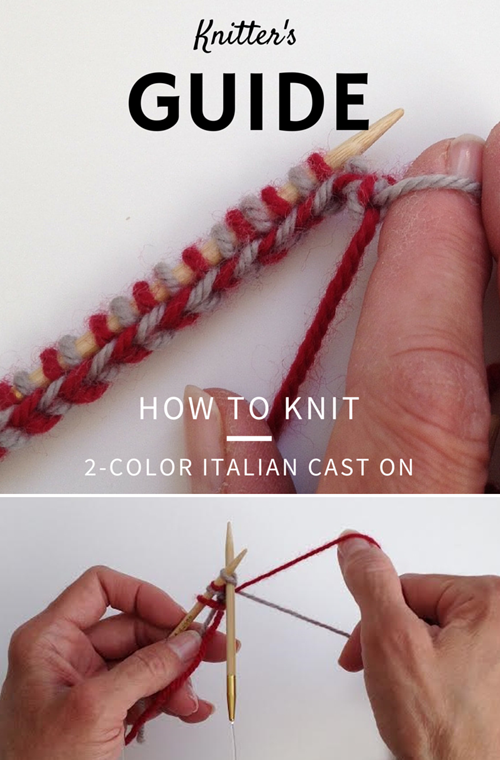
How To Knit a 2 Color Italian Cast-on - Tutorial

How To Knit a 2 Color Italian Cast-on - Tutorial
Photos above © NobleKnits
I found this knitting tutorial on Pinterest...
The Italian 2 Color Cast-on (also known as the Brioche 2 Color Cast-On) can be used with any project and a must for beginning a 2 color brioche knitting project. 

How to Soften Economical or Scratchy Yarn

How to Soften Economical or Scratchy Yarn
Photos above © Ashlea |  Heart Hook Home
Do you have economical, scratchy yarn? Soften it up BEFORE you crochet or knit with it, saving your fingers and your sanity!

Full Post: How to Soften Yarn

Alouette - Knitting Pattern

Alouette - Knitting Pattern
Photos above © frogginette
What beautiful little broderie cardigan! I found it on Pinterest...
This cardi is super sweet! It has a fun swingy shape that I just think is the cutest thing on little girls. A subtle flare at the top of the sleeves echoes the overall shape without being too busy/fussy. 
This uses the same stitch as my Little Broderie dress. Construction-wise, it’s completely seamless, top-down, and the button bands are worked as you go…

Full Post: Alouette

Knit Stitch Patterns for Beginning Knitters

Knit Stitch Patterns for Beginning Knitters
Photos above © Studio Knit
Which texture design is your favorite? Easy Knit Stitch Patterns for Beginning Knitters with Written Instructions and Charts.
Knit and Purl Stitch Patterns with Free Patterns and Video Tutorials in the Absolute Beginning Knitter Series by Studio Knit.

Lace Cotton Ponchette - Free Pattern

 Lace Cotton Ponchette - Free Pattern
Photo above ©  swellknits
I found this beautiful knitting pattern on archive org...
This is working up beautifully. Covington has just the right drape and sheen for this piece. The pattern is simple; half garter and half eyelet. The eyelets are staggered so it’s interesting enough yet easy to read.

Download Pattern: Lace Cotton Ponchette

Green Is The Hope – Free Lace Socks Knitting Pattern

Green Is The Hope free lace socks knitting pattern by Stephanie van der Linden

Green Is The Hope. Photo © Stephanie van der Linden

Green Is The Hope, originally titled Grün ist die Hoffnung, is a free lace sock knitting pattern by Stephanie van der Linden with a wonderfully unusual construction.

Instead of beginning traditionally at the cuff or toe, these knitted socks start with a decorative lace section around the center of the upper foot. The rest of the sock is then developed around this starting point, making the pattern an interesting choice for experienced sock knitters looking for something different.

Green Is The Hope Pattern Details

  • Designer: Stephanie van der Linden
  • Original name: Grün ist die Hoffnung
  • Published: July 2008
  • Craft: Knitting
  • Category: Mid-calf socks
  • Pattern availability: Free download
  • Yarn weight: Fingering / 4 ply
  • Suggested yarn: Schachenmayr Regia 4-fädig 4-ply
  • Yardage: Approximately 350–437 yards (320–400 m)
  • Construction: Unusual center-start sock construction
  • Techniques: Lace, short rows and knitting in the round
  • Heel: Short-row heel
  • Pattern format: Includes charted instructions
  • Languages: English and German

An Unusual Way to Knit Socks

What makes Green Is The Hope particularly interesting is its unconventional starting point.

Most hand-knit socks begin either at the cuff and work toward the toe, or begin at the toe and work upward. This design takes a different approach by beginning with a lace motif positioned on the upper part of the foot.

The sock is then developed outward from this decorative starting point, creating a construction that feels very different from a conventional sock pattern.

Decorative Lace Socks

The lace motif is one of the defining features of the design. It creates an eye-catching geometric texture across the upper foot while also becoming an important part of the sock's construction.

Fingering-weight yarn keeps the fabric relatively fine, allowing the lace openings and stitch definition to remain visible.

A solid, semi-solid or gently tonal yarn can be especially effective if you want the lace structure to remain the main visual feature.

Yarn for Green Is The Hope

The pattern is designed for fingering-weight / 4-ply sock yarn.

Stephanie van der Linden suggests Schachenmayr Regia 4-fädig 4-ply, a traditional sock yarn containing wool and nylon.

The pattern listing gives an estimated requirement of approximately 350–437 yards (320–400 metres).

Another fingering-weight sock yarn can be substituted, but choose your yarn and needles according to the gauge and fabric required by the pattern rather than relying only on the yarn-weight label.

Short-Row Heel Construction

Green Is The Hope incorporates a short-row heel. Short rows allow the knitted fabric to curve around the heel without requiring the traditional heel-flap-and-gusset construction used in many cuff-down sock patterns.

Combined with the unusual center-start construction, this gives the project a very different knitting experience from a basic pair of socks.

Skills Used in Green Is The Hope

This is an especially interesting project for knitters who already have some sock-knitting experience and would like to explore a less conventional construction.

Useful techniques include:

  • Knitting in the round
  • Lace knitting
  • Reading a knitting chart
  • Yarn overs and decreases
  • Short rows
  • Short-row heel construction
  • Picking up or working into existing stitches
  • Following an unconventional sock construction

Designed for a German Sock KAL

Stephanie van der Linden originally designed Grün ist die Hoffnung for the Socken-Kreativ-Liste, a German Yahoo knitting community and knit-along that had around 2,000 members.

The original German title translates as “Green Is The Hope”, which is why the pattern may appear under either name when you search for it online.

English and German Versions

The design is available in both English and German.

The English version is available through Stephanie van der Linden's Ravelry store. The designer's pattern information asks knitters seeking the German version to contact her.

Why Knit Green Is The Hope?

Green Is The Hope is not simply another lace sock pattern. Its unusual starting point changes the way the sock develops on the needles and makes the construction itself part of the appeal.

If you have already knitted traditional cuff-down or toe-up socks, this pattern offers an opportunity to approach familiar sock components from a very different direction.

The combination of fingering-weight yarn, lace, short rows and the center-start construction makes it a memorable project for knitters who enjoy exploring unusual techniques.

Get the Free Green Is The Hope Sock Pattern

The complete Grün ist die Hoffnung (Green Is The Hope) pattern by Stephanie van der Linden is currently available as a free download from the designer's Ravelry store.

Get the Free Green Is The Hope Sock Pattern

Pattern availability was checked when this article was updated. Availability on external websites may change over time.

Rainbow Blanket - Free Pattern

Photo above © mrspetersson 
The sample is shown in the recommended yarn, but the pattern can be used for many yarn weights--gorgeous in variegated yarns! For a fairly solid-looking Blanket, use the needle size recommended on the ball band of your chosen yarn. Go up a couple of needle sizes for a lacier-looking Blanket.

Download Pattern: Multidirectional Diagonal

Waving Lace Baby Blanket - Free Pattern

Waving Lace Baby Blanket - Free Pattern
Photo above ©  Melandry
I found this blanket knitting pattern on Ravelry...
A baby blanket with just the right amount of texture for both interest in stitching and softness for baby.
PDF version of the pattern includes guidance for converting to a smaller or larger size and/or using a different weight of yarn.

Download Pattern: Waving Lace Baby Blanke

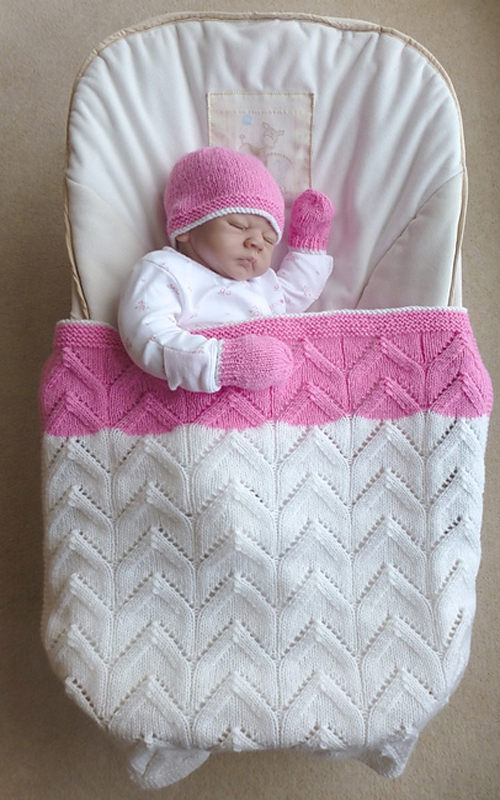
Arches Baby Blanket Free Knitting Pattern

Arches Baby Blanket free knitting pattern by LJM Designs

Arches Baby Blanket designed by © LJM Designs

Arches Baby Blanket by LJM Designs is a free lace baby blanket knitting pattern featuring an elegant repeating zigzag design. Even better, the pattern also includes instructions for a matching baby hat and mittens, making it a lovely handmade gift set for a new baby.

The blanket is knitted flat in one piece using DK-weight yarn. Its repeating lace motif creates the distinctive arches while the simple border gives the finished blanket a neat frame.

Arches Baby Blanket Pattern Details

  • Designer: LJM Designs
  • Craft: Knitting
  • Category: Baby blanket
  • Pattern availability: Free download
  • Yarn weight: DK
  • Blanket needles: 4 mm (US 6)
  • Hat and mitten needles: 3.25 mm (US 3) and 4 mm (US 6)
  • Gauge: 22 stitches and 30 rows = 4 inches
  • Suggested yardage: 793–820 yards (725–750 m)
  • Blanket size: Approximately 85 × 73 cm after blocking
  • Construction: Worked flat in one piece
  • Language: English

A Beautiful Zigzag Lace Baby Blanket

The defining feature of the Arches Baby Blanket is its repeating lace pattern. The combination of increases and decreases produces graceful zigzag arches across the fabric, giving the blanket plenty of texture without requiring separate knitted panels.

The lace motif uses a 16-stitch and 16-row repeat. Once you become familiar with the repetition, the developing arches make it easier to see how the design is progressing.

Yarn and Needles

The pattern is designed for DK-weight yarn. Several DK yarns are suitable for the original specifications, giving you plenty of flexibility when choosing a soft, washable yarn for a baby project.

The blanket uses 4 mm (US 6) needles. The complete set requires approximately 725–750 m (793–820 yards) of DK yarn.

Blanket, Hat and Mittens in One Free Pattern

One of the nicest features of this pattern is that the download is not limited to the blanket. LJM Designs also includes instructions for a simple matching baby hat and mittens.

The hat and mittens are sized for an average baby up to approximately three months old and can be worked either flat or in the round.

Can You Change the Blanket Size?

Yes. The designer notes that the Arches Baby Blanket can be adapted by adding or subtracting stitches and pattern repeats. This makes the design useful if you want a different finished size.

Changing the dimensions or yarn weight will also change the amount of yarn required, so plan additional yardage if you decide to make a larger blanket.

Skills Used in the Pattern

In addition to basic knit and purl stitches, the lace design uses common increases and decreases such as yarn overs, knit-two-together and slip-slip-knit. The instructions are written line by line.

Blocking is an important finishing step for this project because it helps open the lace and show the repeating arches more clearly.

Get the Free Arches Baby Blanket Pattern

The complete Arches Baby Blanket pattern by LJM Designs, including the matching baby hat and mittens, is currently available as a free download from the designer's pattern store.

Get the Free Arches Baby Blanket Pattern

Pattern availability was checked when this article was updated. Availability on external websites may change over time.

Stripes & Eyelets Urban Easy Blanket - Free Pattern

Stripes & Eyelets Urban Easy Blanket - Free Pattern
Photos above © Jessica - Mama In A Stitch
What beautiful blanket knitting pattern! I found it on Pinterest...
This blanket reminds me a bit of my Easy Heirloom Knit Blanket, as it’s simple and classic while still being on-trend. The pattern’s definitely easy, but you do need to be ready to go just beyond the basic knit and purl stitches. You can do it!

Easy Tweed Blanket – Free Textured Knitting Pattern

Easy Tweed Blanket free textured knitting pattern by Patons UK

The Easy Tweed Blanket by Patons UK, officially listed as A5351 Tweed Blanket, is a classic textured throw made with a simple combination of knit and purl stitches.

The design creates a checkerboard-style surface without cables, lace or complicated shaping, making it an appealing project for knitters who want a large blanket with plenty of texture but relatively straightforward techniques.

Worked in bulky yarn on 5 mm needles, the finished throw measures approximately 136 × 150 cm (53.5 × 59 in), making it large enough for sofas, beds or cozy everyday use.

Design and original pattern © Patons UK.

Easy Tweed Blanket Pattern Overview

  • Designer: Patons UK
  • Pattern: A5351 Tweed Blanket
  • Craft: Knitting
  • Category: Throw / blanket
  • Published: September 2017
  • Finished size: Approximately 136 × 150 cm / 53.5 × 59 in
  • Suggested yarn: Patons UK Tweed Style
  • Yarn weight: Bulky
  • Yardage: Approximately 1968 yd / 1800 m
  • Needles: US 8 / 5 mm
  • Gauge: 16 stitches × 22 rows = 4 in / 10 cm in checkerboard pattern
  • Construction: One piece
  • Direction: Bottom up
  • Shape: Rectangle
  • Main techniques: Knit, purl, textured checkerboard pattern and chart reading
  • Language: English
  • Pattern availability: Free Ravelry download from Patons UK

A Simple Blanket With Rich Texture

The main feature of the Easy Tweed Blanket is its all-over textured surface. Instead of relying on cables or complicated stitch manipulation, the pattern uses combinations of basic knit and purl stitches to form repeating blocks.

Those blocks create a checkerboard-style effect across the entire blanket, giving the finished piece more visual depth than plain stockinette or garter stitch.

This is a good example of how basic knitting techniques can create a much more detailed-looking fabric when arranged carefully.

Why It Is Called a Tweed Blanket

The original design was created for Patons UK Tweed Style, a bulky yarn with a wool-and-acrylic blend and a naturally textured appearance.

The yarn itself adds subtle flecks and visual interest, while the knit-and-purl checkerboard pattern adds a second layer of texture.

Together, those two elements create the rustic tweed look associated with the design.

Checkerboard Texture

The central stitch pattern is based on repeating textured blocks.

Rather than knitting every row in the same way, knit and purl sections are alternated to create raised and recessed areas in the fabric.

The effect is geometric but still soft, making it suitable for a large throw that will be used rather than simply displayed.

Worked in One Piece

The blanket is worked as one continuous rectangular piece.

There are no separate squares to sew together and no complicated assembly at the end.

This keeps the construction simple and allows the main focus to remain on maintaining the repeating textured pattern.

Bottom-Up Construction

The project is worked from the lower edge upward.

As the blanket grows, the checkerboard texture develops in repeated sections across the width.

Because the pattern is geometric, it becomes easier to recognize mistakes once several repeats are visible.

Finished Size

The published size is approximately:

136 × 150 cm / 53.5 × 59 in.

This makes the Easy Tweed Blanket a generous throw rather than a small baby blanket.

It works well for a sofa, reading chair or the foot of a bed.

Yarn for the Easy Tweed Blanket

The original pattern uses Patons UK Tweed Style.

This yarn is classified as bulky and combines approximately 50% wool with 50% acrylic.

The original version uses approximately 24 balls of the Tweed Sage color, which corresponds to roughly 1968 yards / 1800 meters.

Choosing a Yarn Substitute

If the original Patons yarn is difficult to find, choose another bulky yarn that produces the required gauge and has enough stitch definition to show the checkerboard texture.

A wool blend can give the blanket warmth and elasticity, while acrylic blends may offer easier care and durability.

Avoid an extremely fuzzy yarn if you want the knit-and-purl blocks to remain clearly visible.

Gauge

The published gauge is:

16 stitches × 22 rows = 4 in / 10 cm in the checkerboard pattern.

Even though this is a blanket rather than a fitted garment, gauge still affects the final size and total yarn requirement.

If your gauge is looser, the throw may become larger and consume more yarn. If your gauge is tighter, it may become smaller and denser.

Needles

The pattern lists US 8 / 5 mm knitting needles.

For a blanket this wide, many knitters will find a long circular needle more comfortable because the flexible cable can support the weight of the growing fabric.

The blanket can still be worked flat on circular needles.

Skills You'll Use

  • Casting on
  • Knit stitches
  • Purl stitches
  • Working flat
  • Following a chart
  • Maintaining a checkerboard repeat
  • Reading knit-and-purl texture
  • Keeping even tension
  • Binding off
  • Weaving in ends

Is the Easy Tweed Blanket Beginner Friendly?

The stitch techniques themselves are simple because the blanket relies mainly on knit and purl stitches.

For that reason, a confident beginner who already understands those two basic stitches can approach the project successfully.

The main challenge is not technical difficulty but scale: the finished blanket is large, so maintaining consistent tension and keeping track of the repeating pattern requires patience.

Why the Pattern Is Good for Practicing Purl Stitches

Many beginner projects use only garter stitch, but this blanket gives knitters a chance to become more comfortable switching between knit and purl sections.

Repeatedly working the textured blocks helps develop consistency in both stitches while producing a useful finished project.

That makes the blanket a natural progression after very basic knit-only projects.

Using Stitch Markers

Even if the original pattern does not require markers throughout the entire blanket, markers can be useful when first learning the checkerboard repeat.

Place them between major pattern sections to help identify where each block begins and ends.

Once the texture becomes visually obvious, you may find that you no longer need them.

Tips for a Neater Checkerboard Pattern

Read your knitting. Learn to recognize the visual difference between knit and purl stitches so mistakes can be caught quickly.

Count regularly. A missed stitch can shift the pattern and become much harder to fix several rows later.

Keep tension consistent. Alternating frequently between knit and purl can sometimes create uneven stitches if the yarn is pulled differently between transitions.

Use a row counter. This is especially helpful when working a large repeating chart.

Check the pattern before long knitting sessions. Confirm where you are in the repeat before continuing after a break.

Blocking the Finished Blanket

Blocking can help even out the checkerboard texture and improve the overall shape of the finished throw.

Always follow the care instructions for your chosen yarn.

If using a wool blend, avoid excessive heat or agitation that could cause the fabric to felt.

Can You Change the Blanket Size?

The published pattern is designed for one finished size.

Experienced knitters may be able to adjust the width and length by working additional complete pattern repeats, but any modification will change the yarn requirement.

Always preserve the full checkerboard repeat and any edge stitches specified by the original pattern.

Is the Easy Tweed Blanket Pattern Free?

Yes. A5351 Tweed Blanket by Patons UK is currently available as a free knitting pattern.

The exact design is offered as a free download through the Patons UK pattern listing on Ravelry.

Because this is the Patons UK publication source for the pattern, Amazing Knitting links directly to that page rather than to copied PDFs or unofficial pattern websites.

Get the Free Easy Tweed Blanket Pattern →

Why This Blanket Is Worth Knitting

The Easy Tweed Blanket is a strong project for knitters who want a large, classic throw without complicated techniques.

The checkerboard texture creates enough visual interest to keep the blanket from looking plain, while the knit-and-purl construction remains approachable.

Bulky yarn also helps the fabric grow faster than a similar blanket knitted in DK or fingering-weight yarn.

The finished throw has a timeless textured look that can work with traditional, rustic or modern home décor.

Pattern Availability

Amazing Knitting links readers to legitimate designer or publisher sources whenever possible. Pattern prices, download locations and availability can change after an article is published.

Read Our Pattern Availability Policy →

Amazing Knitting is an independent pattern discovery and project-guide site. The A5351 Tweed Blanket design, chart and complete knitting instructions remain the intellectual property of Patons UK. This guide does not reproduce the publisher's complete row-by-row instructions or chart.

Discover More From the Archive

A fresh mix of knitting patterns and tutorials from the Amazing Knitting archive.

Finding patterns from the archive…