Skip to content

...

Showing posts sorted by relevance for query children sweater knitting pattern. Sort by date Show all posts

Boy Sweater - Knitting Pattern

Boy Sweater - Knitting Pattern
Photos above © milainemicoton

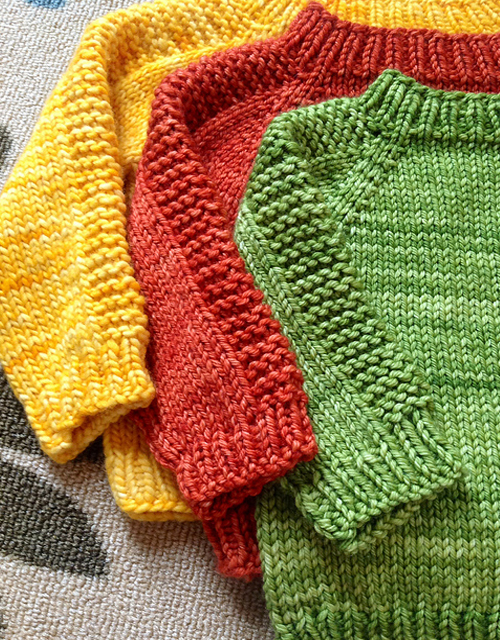
Looking for a stylish boy sweater knitting pattern with practical cold-weather details? Boy Sweater by Lisa Chemery is a seamless top-down pullover for babies and children, featuring a cozy shawl collar, buttoned neck opening, raglan shaping, and textured stitch details.

The close-fitting design is intended to sit comfortably under a jacket, while the shawl collar provides extra warmth around the neck — especially useful for children who do not enjoy wearing scarves.

Boy Sweater at a Glance

Pattern: Boy Sweater

Designer: Lisa Chemery

Craft: Knitting

Category: Baby & Child Pullover

Construction: Top-down and seamless

Yarn Weight: Worsted / DK

Needles: US 6 / 4.0 mm and US 8 / 5.0 mm

Main Gauge: 20 stitches × 30 rounds = 4 inches / 10 cm in stockinette

Yardage: Approximately 275–700 yards / 251–640 m

Sizes: 3 months to 8 years

Languages: English and French

Pattern Availability: Paid pattern

About the Boy Sweater

Designed by Lisa Chemery, Boy Sweater combines the practicality of a children's pullover with several details that give it a more polished look.

The most recognizable feature is the shawl collar, which wraps softly around the neck and is paired with a small buttoned opening.

Textured knitting and twisted-rib details add visual interest without turning the sweater into a heavily decorated garment, making the design suitable for both boys and girls.

Seamless Top-Down Construction

The sweater is knitted seamlessly from the top down. The upper section begins flat, after which stitches are added for the neck placket and the body continues in the round.

The sleeves are also worked in the round, reducing the amount of garment seaming required at the end.

Top-down construction has another practical advantage: it allows knitters to see the garment taking shape from the neckline toward the hem.

The Shawl Collar

The shawl collar is one of the defining features of this sweater. After the body is completed, stitches are picked up around the neckline and the collar is worked flat.

Short rows are used to create the characteristic shawl shape, and the lower edges of the collar are then attached to the sweater body.

Besides giving the sweater its classic appearance, the collar provides extra knitted fabric around the child's neck without requiring a separate scarf.

Baby and Child Sizes

The current pattern includes a particularly useful range of sizes:

  • 3 months
  • 6 months
  • 12 months
  • 18 months
  • 2 years
  • 4 years
  • 6 years
  • 8 years

The designer provides finished garment measurements as well as intended chest measurements, so check the original pattern carefully when deciding which size to knit.

Yarn Requirements

Boy Sweater is designed for approximately:

275–700 yards / 251–640 meters

The exact amount depends on size. The designer recommends a worsted-to-DK-weight merino or merino-blend yarn.

Suggested yarns listed with the pattern include Malabrigo Rios and several DK and worsted options.

Needles and Gauge

The pattern uses two main needle sizes:

  • US 6 / 4.0 mm
  • US 8 / 5.0 mm

The published stockinette gauge after blocking is:

20 stitches × 30 rounds = 4 inches / 10 cm

The textured portion has a separate row gauge, so use the designer's current pattern instructions when swatching and selecting needle sizes.

Knitting Skills Used

This project involves more than basic stockinette knitting. Techniques used in the design include:

  • Knitting and purling
  • Increasing and decreasing
  • Top-down raglan construction
  • Knitting in the round
  • Picking up stitches
  • Short rows
  • Twisted stitches
  • Textured stitch patterns
  • Buttonholes and finishing

The combination makes Boy Sweater an interesting project for knitters who already understand the basics and want to develop their garment-knitting skills.

Is the Boy Sweater Pattern Free?

No. Boy Sweater by Lisa Chemery is currently a paid knitting pattern.

The pattern is sold through the designer's Ravelry listing. Amazing Knitting does not reproduce the designer's copyrighted instructions.

Visit the original listing below for the current price, complete sizing, materials, and purchase information.

View the Original Boy Sweater Pattern →

Pattern credit: Boy Sweater was designed by Lisa Chemery. Pattern pricing, availability, sizing, and technical information are controlled by the designer and may change over time.

Prefer a Free Alternative?

If you love the cozy shawl-collar style but would prefer a free knitting pattern, Amazing Knitting has a similar baby and child project in our archive.

Double Breasted Jacket with Shawl Collar — Free Knitting Pattern

This is a different design — not a free copy of Boy Sweater — but it offers a similar cozy shawl-collar look for babies and children and is available as a free knitting pattern.

View the Free Shawl Collar Pattern →

You can also browse our free baby sweater patterns for more no-cost options.

More Baby and Child Sweaters

Explore more boy sweater knitting patterns, baby sweater knitting patterns, and children's sweater knitting patterns from the Amazing Knitting archive.

Before You Start

If you choose the original Boy Sweater, check Lisa Chemery's current Ravelry listing before purchasing yarn. Confirm your chosen size, yarn requirement, needle sizes, gauge, notions, and any current pattern updates before casting on.

Toddler Sweater - Free Pattern

Toddler Sweater - Free Pattern
Photo above ©  DROPS Design

Looking for a free toddler sweater knitting pattern? Toddler sweaters are wonderfully practical projects: they are small enough to knit more quickly than an adult garment, while still offering plenty of opportunities to practice shaping, sleeves, necklines, and garment construction.

This Amazing Knitting page was originally created as a collection of free toddler sweater ideas. We have refreshed it as a useful starting point for finding legitimate, currently available children's sweater patterns rather than reproducing designers' knitting instructions.

Free Toddler Sweaters at a Glance

Craft: Knitting

Category: Children's Sweaters / Pullovers

Age Range: Baby and toddler sizes vary by pattern

Styles: Pullovers, cardigans, raglan sweaters and textured designs

Skill Levels: Beginner-friendly through intermediate

Pattern Availability: Free options available

Choosing a Toddler Sweater Pattern

A good toddler sweater pattern should provide more than an attractive photograph. Before choosing a project, check the actual finished measurements, yarn weight, gauge, construction method, and the sizes included in the pattern.

Children's clothing sizes can vary considerably between designers, so choosing a pattern only because it says “2 years” or “3 years” is not always enough.

Compare the pattern's finished chest measurement with a sweater that currently fits the child whenever possible.

Free Toddler Sweater Pattern: Lucky Ducky

Lucky Ducky by DROPS Design is a free children's sweater pattern worked from the top down with raglan shaping and a practical front pocket.

It is particularly useful for this collection because the available sizes bridge the baby and toddler years:

  • 1–3 months
  • 6–9 months
  • 12–18 months
  • 2 years
  • 3–4 years
  • 5–6 years

The design uses DROPS Belle and a gauge of 22 stitches × 30 rows in stockinette stitch. The main recommended needle size is US 4 / 3.5 mm, with smaller needles for the garter-stitch edges.

Get the Free Lucky Ducky Pattern →

Free Toddler Sweater Pattern: Sweet Ivy

Another currently free option from DROPS Design is Sweet Ivy, a baby and children's sweater featuring raglan shaping together with decorative wave and lace patterning.

Sweet Ivy is worked from the top down and includes sizes from newborn through 5–6 years, making it another useful option for knitters looking beyond a single toddler size.

Get the Free Sweet Ivy Pattern →

What to Look for in a Toddler Sweater

Toddler garments need to balance appearance with practicality. When comparing patterns, consider how easily the sweater can be put on and removed, whether the neckline has enough stretch, and how the yarn will handle regular washing.

A beautiful yarn is not automatically the best choice for children's clothing. Softness, durability, washability, and the care instructions can be just as important.

Top-Down or Bottom-Up?

Toddler sweaters can be constructed in many ways. A top-down raglan is popular because the garment begins around the neckline and grows toward the body, often reducing the amount of finishing required.

Other patterns are worked from the bottom upward or knitted as separate pieces and seamed. None of these methods is automatically better; choose the construction style that matches the techniques you enjoy or want to learn.

Useful Skills for Knitting Toddler Sweaters

Depending on the pattern you choose, useful skills may include:

  • Casting on and binding off
  • Knit and purl stitches
  • Working ribbing or garter-stitch edges
  • Increasing and decreasing
  • Raglan shaping
  • Knitting in the round
  • Working sleeves
  • Reading charts or stitch patterns
  • Picking up stitches
  • Weaving in yarn ends

Why Gauge Matters

Gauge deserves special attention when knitting children's clothing. A small difference in stitches per inch can change the finished chest measurement enough to affect the fit.

Use the needle size listed in a pattern as a starting point rather than a guarantee. Make a swatch with your chosen yarn and change needle size when necessary to match the designer's gauge.

More Free Toddler Sweater Patterns

Amazing Knitting has collected many baby and children's sweater projects over the years. You can continue browsing:

Explore Free Toddler Sweater Knitting Patterns →

You can also explore free baby sweater patterns, free baby cardigans, and children's sweater patterns from the Amazing Knitting archive.

Before You Start

Choose the pattern and size first, then read the designer's current instructions before purchasing yarn. Check the finished measurements, yarn requirement, gauge, needle sizes, and construction method rather than relying only on the child's age.

Editorial note: This Amazing Knitting page is a curated guide to toddler sweater knitting patterns. It does not reproduce the designers' copyrighted row-by-row instructions or charts. The existing featured image on this page is credited to DROPS Design.

Clover - Free Pattern

Clover - Free Pattern
Photo above © DROPS Design

Clover / DROPS Children 34-4 is a free children's sweater knitting pattern from DROPS Design, featuring a decorative lace pattern, raglan shaping and comfortable top-down construction.

Designed for children approximately 2 to 12 years old, the sweater can be knitted in DROPS Air or DROPS Paris and is available in six sizes.

The complete pattern remains free on the official DROPS Design website.

✓ Free Pattern Availability

Clover / DROPS Children 34-4 is currently available as a free official knitting pattern from DROPS Design. Use the official link below for the complete current instructions, diagrams and measurements.

Clover Sweater at a Glance

Pattern: Clover / DROPS Children 34-4

Designer: DROPS Design

Pattern Number: ai-014-bn

Craft: Knitting

Category: Children's Sweater / Jumper

Sizes: 2 to 11/12 years

Suggested Yarn: DROPS Air or DROPS Paris

Gauge: 16 stitches × 20 rows = 4 in / 10 cm

Main Needles: US 9 / 5.5 mm

Rib Needles: US 7 / 4.5 mm

Construction: Top down

Features: Lace pattern, raglan shaping, long sleeves

Availability: Free official DROPS pattern

About the Clover Children's Sweater

Clover is a children's pullover designed by DROPS Design.

The sweater combines a relatively simple silhouette with decorative lace across the upper portion of the garment.

It is knitted from the top down with raglan shaping, giving knitters a practical construction method while allowing the lace to become the main decorative feature.

Six Children's Sizes

The official DROPS pattern includes six sizes:

  • 2 years
  • 3/4 years
  • 5/6 years
  • 7/8 years
  • 9/10 years
  • 11/12 years

DROPS associates these sizes with approximate child heights of:

92 – 98/104 – 110/116 – 122/128 – 134/140 – 146/152 cm

Age is only a guide. When possible, compare the child's measurements with the finished measurements in the official DROPS schematic before choosing a size.

Finished Chest Measurements

The published finished chest measurements are approximately:

68 – 72 – 76 – 84 – 86 – 94 cm

That's approximately:

26¾ – 28⅜ – 30 – 33 – 33⅞ – 37 inches

Finished length ranges from approximately 36 cm for the smallest size to 56 cm for the largest.

Two Suggested Yarn Options

One useful feature of the official Clover pattern is that DROPS provides two yarn options.

You can knit the sweater in:

  • DROPS Air
  • DROPS Paris

These yarns have very different fiber compositions and characteristics, so the finished sweater can have a different feel depending on which option you choose.

The important requirement is obtaining the pattern gauge and a fabric suitable for the garment.

DROPS Air Requirements

When using DROPS Air, the official pattern calls for approximately:

150 – 150 – 200 – 200 – 200 – 250 grams

The original DROPS sample lists color 20, Rose.

DROPS Paris Requirements

The alternative DROPS Paris version requires approximately:

300 – 300 – 400 – 400 – 400 – 500 grams

The official pattern lists color 01, Apricot, for this option.

Gauge

The required knitting gauge is:

16 stitches × 20 rows = 4 × 4 inches / 10 × 10 cm

This is measured in stockinette stitch.

Gauge is important for children's garments because it directly affects the finished chest circumference, length and yarn consumption.

Make a gauge swatch before beginning, particularly when substituting another yarn.

Needles

DROPS recommends:

  • 5.5 mm / US 9 circular and double-pointed needles for the main fabric
  • 4.5 mm / US 7 circular and double-pointed needles for the ribbing

The published needle sizes are guides. Use the needle size that allows you to obtain the required gauge.

Top-Down Construction

Clover is knitted from the top down.

This construction begins at the neckline and develops the upper body before moving down toward the hem.

Top-down sweaters can be particularly convenient for children's garments because the overall proportions become easier to visualize as the project grows.

Raglan Shaping

The sweater uses raglan shaping to form the upper body and sleeves.

Raglan construction distributes shaping around the upper garment rather than requiring separately shaped traditional armholes.

Combined with the top-down method, it creates a clean construction that works well with the decorative lace section.

The Lace Pattern

The decorative lace is one of Clover's defining features.

The motif is worked according to the diagrams supplied with the official DROPS pattern.

Amazing Knitting does not reproduce those copyrighted charts here. Follow the current official pattern for the complete stitch sequence and diagrams.

Working from a Knitting Chart

If you are relatively new to charted lace, take a little time to study the symbols before beginning the decorative section.

Keep track of both your current chart row and your position within each repeat.

Stitch markers can be useful for separating repeats where appropriate, making it easier to identify a missing yarn over or decrease before the error travels into later rows.

Count Your Stitches Regularly

Lace depends on increases and decreases remaining correctly balanced.

A forgotten yarn over or an accidental extra stitch can change the alignment of the following rows.

Checking your stitch count at logical points throughout the lace section can save considerable time later.

Consider Using a Lifeline

If lace knitting is still new to you, a lifeline can provide useful insurance.

Pass a smooth contrasting thread through a correctly completed row without interfering with the working stitches.

If you later discover an error, you have a known safe row to return to instead of unraveling blindly through the lace.

Working the Sleeves

After the body has been established, the sleeves are worked using the stitches set aside during the upper-body construction.

Smaller circumferences can be handled with double-pointed needles, magic loop or another method you are comfortable using, while still following the stitch counts and shaping in the official instructions.

Choosing the Right Size

Children's ages do not always correspond perfectly to standardized clothing sizes.

For a better result, measure a sweater that currently fits the child well and compare it with the finished measurements supplied by DROPS.

Pay particular attention to chest circumference, body length and sleeve length.

Substituting Yarn

You can use another suitable yarn instead of the two DROPS options, but do not select a substitute by yarn label alone.

Look for a yarn capable of producing the required 16 stitches × 20 rows per 10 cm while creating a fabric you like.

Fiber content also matters. A cotton yarn such as DROPS Paris behaves differently from a light blown yarn such as DROPS Air.

Always swatch when making a significant substitution.

Skills Used in Clover

This project is useful for practicing several knitting skills:

  • Top-down sweater construction
  • Raglan shaping
  • Knitting in the round
  • Knit and purl stitches
  • Ribbing
  • Increasing and decreasing
  • Yarn overs
  • Following lace diagrams
  • Working sleeves in a small circumference
  • Finishing and weaving in ends

Is Clover Suitable for Beginners?

Clover is more involved than a completely basic stockinette children's sweater because of the lace pattern and shaping.

However, a knitter who is already comfortable with knit and purl stitches, working in the round and basic increases and decreases can use it as a good opportunity to gain experience with charted lace and top-down garment construction.

Important: Use the Current Pattern

DROPS notes that the Clover pattern has received a correction.

The official page currently shows an update dated October 23, 2020 concerning the sleeve instructions.

For this reason, avoid relying on an old saved or copied version of the instructions. Work from the current official DROPS page so you have the corrected pattern.

Is the Clover Sweater Still Free?

Yes.

Clover / DROPS Children 34-4 remains available as a complete free knitting pattern directly from DROPS Design.

The official page includes the instructions, diagrams, measurements and supporting technique information.

Get the Free Clover Knitting Pattern

Visit DROPS Design for the complete current pattern:

Get the Free Clover Pattern →

More Free Children's Sweater Patterns

Looking for another children's project? The recently reviewed Lamb Dance cardigan from DROPS Design is another free pattern, featuring a playful stranded-colorwork sheep yoke.

See the Free Lamb Dance Pattern →

You can also browse more projects in the Amazing Knitting archive:

Before You Start

Choose the size using the child's measurements rather than age alone, then make a gauge swatch with your chosen yarn.

Read through the lace diagrams before reaching the patterned section and consider using stitch markers or a lifeline if charted lace is new to you.

Most importantly, work from the current DROPS page because the pattern has received a published correction since its original release.

Pattern credit: Clover / DROPS Children 34-4 was designed and published by DROPS Design. The existing photograph on this Amazing Knitting page is credited to DROPS Design. Amazing Knitting does not reproduce the designer's complete copyrighted instructions or charts.

Penguin Pullover - Free Pattern

Penguin Pullover - Free Pattern
Photo above © Amy Bahrt

Skating Penguin Pullover by Amy Bahrt is a playful children's sweater featuring a colorful penguin motif with a clever surprise: the penguin also hides a practical pocket.

Designed for Cascade Yarns in sizes 2, 4 and 6, this long-sleeved pullover combines classic sweater construction with intarsia colorwork and fun details. Best of all, the original pattern is still available as a free knitting pattern.

✓ Free Pattern Availability

Good news: the original Skating Penguin Pullover by Amy Bahrt is still listed as a free knitting pattern. This guide identifies the original design and provides the key project details before directing knitters to the legitimate pattern source.

Penguin Pullover at a Glance

Official Pattern: Skating Penguin Pullover

Designer: Amy Bahrt

Publisher: Cascade Yarns

First Published: October 2014

Craft: Knitting

Category: Children's Pullover

Sizes: 2, 4 and 6 years

Skill Level: Intermediate

Yarn Weight: Worsted

Needles: US 5 / 3.75 mm and US 7 / 4.5 mm

Gauge: 20 stitches × 24 rows = 4 inches / 10 cm in stockinette stitch

Techniques: Intarsia, colorwork, shaping and seaming

Special Feature: Penguin motif with hidden patch pocket

Availability: Free pattern

About the Skating Penguin Pullover

The Skating Penguin Pullover is a children's sweater designed by Amy Bahrt for Cascade Yarns.

At first glance, the colorful penguin is simply the decorative focus of the sweater. Look more closely, however, and the design reveals one of its most charming features: the penguin incorporates a functional pocket.

That combination of playful design and practical detail makes this much more memorable than a basic children's pullover.

Three Children's Sizes

The pattern includes three sizes:

  • 2 years
  • 4 years
  • 6 years

The published finished chest measurements are approximately:

  • Size 2: 26 inches
  • Size 4: 28 inches
  • Size 6: 30 inches

Finished body lengths are approximately 14½, 15½ and 16½ inches, respectively.

When choosing a size, use the finished measurements in the original pattern rather than relying only on the child's age.

Original Yarn

The original version was designed using Cascade Yarns Sateen Worsted.

It uses several colors to create the sweater, stripes and penguin illustration, including a main blue shade together with white, black, orange and yellow tones.

Because this is an intarsia project, you do not necessarily need a full sweater quantity of every contrast color. Check the original pattern before purchasing yarn for the exact requirements of your chosen size.

Needles and Gauge

The published needle sizes are:

  • US 5 / 3.75 mm
  • US 7 / 4.5 mm

The published gauge is:

20 stitches × 24 rows = 4 inches / 10 cm in stockinette stitch

Always use the needle size that allows you to obtain the required gauge. Gauge is particularly important for a child's sweater because it affects both the fit and the placement of the colorwork design.

The Penguin Motif

The large penguin gives this sweater its personality.

Instead of repeating a small motif around the garment, the design uses a prominent picture motif as the focal point of the front.

Contrasting colors define the penguin and its details against the sweater background.

The original pattern includes the information needed to position and work the colorwork correctly.

A Penguin That Hides a Pocket

The most unusual feature of this sweater is the hidden patch pocket incorporated into the penguin design.

It is a clever detail because the pocket becomes part of the illustration instead of looking like an unrelated addition to the front of the sweater.

For a child, that makes the garment both fun to wear and useful for carrying a tiny toy or other small treasure.

Working the Intarsia

The penguin motif uses intarsia, a colorwork technique particularly suited to large blocks of color.

Rather than carrying every yarn across the entire row, separate sections of yarn are used for the different color areas.

When changing colors, the yarns need to be managed carefully at the boundary so that the sections remain connected without creating holes.

If intarsia is new to you, practicing a small two-color swatch before starting the sweater can make the main project much easier.

Worked Flat and Seamed

The Skating Penguin Pullover is constructed flat in pieces and then seamed.

This traditional construction is useful for an intarsia sweater because the picture motif can be worked back and forth across the front rather than requiring the colorwork to be managed in the round.

Careful seaming at the end helps give the finished pullover a neat, structured shape.

Skill Level

The original pattern is classified as Intermediate.

Useful skills include:

  • Casting on and binding off
  • Knitting and purling
  • Working ribbing
  • Following garment shaping
  • Increasing and decreasing
  • Reading a colorwork chart
  • Working intarsia
  • Managing several yarn colors
  • Making and attaching a patch pocket
  • Seaming sweater pieces
  • Finishing and weaving in ends

Managing Several Colors

Intarsia projects can quickly become tangled if every color is worked directly from a full ball of yarn.

Small yarn bobbins or manageable lengths of contrast yarn can make the different sections easier to control.

Periodically untangling the yarn before it becomes a problem can also make the knitting much more enjoyable.

Check the Chart Placement

Before beginning the penguin section, identify the center of the sweater front and understand where the motif begins relative to your selected size.

With picture knitting, correcting a placement mistake after many rows of colorwork can be time-consuming.

A removable marker near the center of the work can provide a useful visual reference while following the chart.

Choosing Substitute Yarn

If you cannot find the original yarn, choose a substitute based primarily on gauge and fabric characteristics.

For picture knitting, a relatively smooth yarn with good stitch definition can help the edges of the penguin motif appear crisp.

Also consider washability and durability because this is a garment intended for children.

Color Ideas

You do not have to reproduce the original color palette exactly.

The penguin naturally benefits from strong contrast between black, white and the sweater background, but the main sweater color could be changed considerably.

Navy, turquoise, red, green, grey or a softer winter blue could all give the same design a different personality while preserving the recognizable penguin motif.

Is Penguin Pullover Still Free?

Yes. Skating Penguin Pullover by Amy Bahrt is still listed as a free knitting pattern.

Ravelry continues to identify the design as free, and a free downloadable version is also listed through established knitting-pattern retailers.

Amazing Knitting does not reproduce Amy Bahrt's copyrighted chart or complete row-by-row instructions. Instead, this page provides an independent project guide and directs knitters to the legitimate pattern listing.

Get the Free Penguin Pullover Pattern

Ravelry provides the pattern record and identifies the original free Cascade Yarns pattern.

Get the Free Penguin Pullover Pattern →

More Free Children's Sweaters

If you enjoy playful picture sweaters like the Penguin Pullover, continue exploring the Amazing Knitting archive for more free children's knitting patterns.

Explore Free Children's Sweater Patterns →

You can also browse animal sweaters, intarsia sweaters, and free pullover patterns.

Before You Start

Select the correct size and make a stockinette gauge swatch before beginning. Then review the penguin chart and identify where the intarsia section begins for your chosen size.

Organize the contrast yarns before reaching the colorwork section and read through the pocket construction in advance so you understand how this clever detail becomes part of the finished penguin.

Pattern credit: Skating Penguin Pullover was designed by Amy Bahrt for Cascade Yarns. The existing photograph on this Amazing Knitting page is credited to Amy Bahrt. Amazing Knitting does not reproduce the designer's copyrighted chart or complete row-by-row knitting instructions.

Flax Sweater - Free Pattern

Flax Sweater - Free Pattern
Photo above © Angeldogknitter

Looking for a versatile free sweater knitting pattern for babies, children, and adults? The Flax Sweater by Tin Can Knits is a modern top-down pullover designed to help knitters build confidence while learning seamless sweater construction.

Flax is part of the popular Simple Collection, a series of free patterns and tutorials created to teach essential knitting skills. With sizes ranging from babies to adults, it is a practical pattern that can be used again and again for different family members.

Flax Sweater Pattern at a Glance

Pattern: Flax Sweater

Designer: Tin Can Knits

Craft: Knitting

Category: Pullover / Sweater

Construction: Top-down and seamless

Yarn Weight: Worsted / Aran

Gauge: 18 stitches and 22 rows = 4 inches in stockinette stitch in the round

Needle Sizes: US 6 / 4.0 mm and US 8 / 5.0 mm

Yardage: Approximately 220–2100 yards (201–1920 m)

Sizes: 0–6 months through 6XL

Pattern Availability: Free

About the Flax Sweater

The Flax Sweater is one of those patterns that works especially well as a first garment project. It is designed with clean lines, simple shaping, and a seamless construction method that helps knitters understand how a sweater comes together without adding unnecessary complexity.

The sweater is worked from the top down, which means you begin at the neckline and continue through the yoke, body, and sleeves. This construction style is popular because it allows you to see the garment take shape as you knit.

Flax is also designed as part of a teaching collection, so it is supported by tutorials from Tin Can Knits that explain many of the techniques used throughout the project.

Sizes from Baby to Adult

One of the biggest advantages of the Flax pattern is its wide size range. The current worsted-weight version includes 19 sizes, beginning with babies and continuing through larger adult sizes.

Available sizes include:

  • 0–6 months
  • 6–12 months
  • 1–2 years
  • 2–4 years
  • 4–6 years
  • 6–8 years
  • 8–10 years
  • Adult sizes XS through 6XL

Because the pattern covers such a broad range, it can be a useful staple if you enjoy knitting sweaters for different members of the family.

Yarn and Gauge

The Flax worsted pattern is written for worsted / aran-weight yarn. The published gauge is:

18 stitches × 22 rows = 4 inches in stockinette stitch in the round

The listed yarn requirement ranges from approximately 220 to 2100 yards (201 to 1920 meters), depending on the size you choose.

Since Flax is available in both child and adult sizes, yarn requirements vary significantly. Always check the original pattern for the exact yardage needed for your selected size before purchasing yarn.

Needles

The pattern lists two main needle sizes:

  • US 6 / 4.0 mm
  • US 8 / 5.0 mm

The larger needles are used to achieve the main stockinette gauge, while the smaller size is used for specific sections of the sweater. Follow the original pattern instructions for the exact needle setup and construction details.

Why Flax Is Popular with Newer Sweater Knitters

Flax was created as part of Tin Can Knits' learn-to-knit series, which makes it especially useful for knitters who want to move from smaller projects into garment knitting.

The design introduces several important sweater-making skills in a relatively straightforward project, including top-down construction, knitting in the round, shaping, and finishing a seamless pullover.

At the same time, the finished sweater has a simple modern look that works well for babies, children, teenagers, and adults.

Other Versions of the Flax Sweater

Tin Can Knits now offers Flax in more than one yarn-weight version. In addition to Flax worsted, there are also lighter-weight versions including Flax DK and Flax Light.

These are separate pattern versions with different gauges, needle sizes, and yarn requirements, so be sure you are following the version that matches the yarn weight you want to use.

Is the Flax Sweater Pattern Free?

Yes. The Flax worsted sweater pattern by Tin Can Knits is currently available as a free knitting pattern.

The pattern can be accessed through the official Tin Can Knits website and is also available through Ravelry.

Get the Free Flax Sweater Pattern

Amazing Knitting does not reproduce the designer's knitting instructions. Please visit the official Tin Can Knits pattern page for the complete pattern, current sizing, tutorials, updates, and download options.

Get the Free Flax Sweater Pattern →

Pattern credit: Flax was created by Tin Can Knits as part of The Simple Collection. Pattern availability, sizing, and technical details are controlled by the designers and may change over time.

More Free Sweater Knitting Patterns

If you enjoy knitting simple sweaters, explore more free sweater knitting patterns and baby sweater knitting patterns from the Amazing Knitting archive.

Before You Start

Check the official pattern page before choosing yarn or needles so you can confirm the latest sizing, gauge, materials, and pattern notes for the version you plan to knit.

Lamb Dance Hat - Free Pattern

Lamb Dance Hat - Free Pattern
Photo above © DROPS Design

Lamb Dance Hat / DROPS Children 34-2 is a playful free children's hat knitting pattern featuring a flock of little sheep worked in stranded colorwork.

Designed for children approximately 3 to 12 years old, the hat is worked from the bottom up in the round and finished with a pompom. It coordinates beautifully with the other Lamb Dance children's designs from DROPS.

The complete pattern remains free from DROPS Design.

✓ Free Pattern Availability

Lamb Dance Hat / DROPS Children 34-2 is currently available as a free official knitting pattern from DROPS Design. Use the official DROPS link below for the complete current instructions, chart and supporting information.

Lamb Dance Hat at a Glance

Pattern: Lamb Dance Hat / DROPS Children 34-2

Designer: DROPS Design

Pattern Number: me-053-bn

Published: March 2019

Category: Children's Hat / Beanie

Sizes: 3/4, 5/6, 7/8, 9/10 and 11/12 years

Yarn Weight: DK / Yarn Group B

Suggested Yarn: DROPS Merino Extra Fine or DROPS Lima

Main Needles: 3 mm / US 2½

Rib Needles: 2.5 mm / US 1½

Gauge: 23 stitches × 32 rows = 4 in / 10 cm

Construction: Bottom up, worked in the round

Features: Sheep colorwork, ribbing, pompom

Availability: Free official DROPS pattern

About the Lamb Dance Hat

Lamb Dance Hat is a children's colorwork hat designed by DROPS Design.

The most distinctive feature is the cheerful band of sheep worked around the hat using stranded colorwork.

Ribbing creates a comfortable lower edge, while the crown is shaped above the decorative section and finished with a pompom.

It is a particularly fun project if you want to practice stranded knitting on something smaller than a sweater or cardigan.

Five Children's Sizes

The official pattern includes five sizes:

  • 3/4 years
  • 5/6 years
  • 7/8 years
  • 9/10 years
  • 11/12 years

The corresponding published head circumferences are approximately:

50/53 – 50/53 – 53/54 – 54/56 – 54/56 cm

That's approximately 19¾–22 inches across the size range.

Age is only a general guide. If you are knitting for a specific child, measuring the head circumference is preferable.

Finished Hat Height

DROPS gives approximate finished heights of:

19 – 20 – 21 – 22 – 23 cm

That's approximately:

7½ – 8 – 8¼ – 8¾ – 9 inches

Yarn Choices

DROPS provides two suggested yarn options:

  • DROPS Merino Extra Fine
  • DROPS Lima

Both belong to DROPS Yarn Group B and work at the required DK-weight gauge, but their fiber compositions and finished feel differ.

Merino Extra Fine is a merino wool yarn, while Lima combines wool and alpaca.

Five Colors Create the Sheep Design

The original version uses five colors.

For DROPS Merino Extra Fine, the published color combination is:

  • Pistachio
  • Light Grey Blue
  • Off White
  • Black
  • Cerise

DROPS specifies 50 grams of each color for every published size.

A corresponding five-color palette is also provided for DROPS Lima.

Can You Choose Different Colors?

Absolutely. One of the enjoyable features of stranded colorwork is the opportunity to create your own palette.

The most important consideration is contrast.

The sheep and other chart details need enough contrast with the background to remain visible.

Before casting on, place your chosen colors next to each other and make sure the important motifs will not disappear into the background.

Gauge

The official gauge is:

23 stitches × 32 rows = 4 × 4 inches / 10 × 10 cm

This is measured in stockinette stitch using the larger needles.

Gauge matters for hats because the finished circumference must be comfortable without being excessively tight or loose.

Check Your Colorwork Gauge

Stranded knitting can sometimes produce a tighter gauge than ordinary one-color stockinette.

This usually happens when the floats carried behind the work are too tight.

If you are new to stranded knitting, consider making a small colorwork swatch in addition to checking your normal stockinette gauge.

Needles

DROPS recommends:

  • 3 mm / US 2½ circular needle, 40 cm / 16 in
  • 3 mm / US 2½ double-pointed needles
  • 2.5 mm / US 1½ circular needle, 40 cm / 16 in for ribbing

The published sizes are recommendations. Adjust your needles if necessary to obtain the required gauge.

Bottom-Up Construction

Lamb Dance Hat is knitted from the bottom up.

You begin with the lower edge and ribbing, then progress into the main hat and sheep colorwork before shaping the crown.

This construction allows the decorative motif to form a continuous band around the hat.

Worked in the Round

Unlike a flat-knitted hat that requires a back seam, Lamb Dance Hat is worked in the round.

Ravelry classifies the design as one-piece and seamless.

A short circular needle can be used while enough stitches remain on the needle, with double-pointed needles or another suitable small-circumference method used as the crown becomes narrower.

The Sheep Colorwork

The little sheep are the signature feature of the Lamb Dance collection.

They are created using stranded colorwork according to the chart supplied by DROPS Design.

Amazing Knitting does not reproduce the copyrighted chart here. Use the current official DROPS pattern while knitting the motif.

Keep Your Floats Relaxed

When carrying an unused color behind the work, avoid pulling it too tightly.

Tight floats can reduce the circumference of the hat and cause the colorwork fabric to pucker.

Spread the recently worked stitches gently along the right needle before changing colors. This gives the carried yarn enough length to span the stitches comfortably.

Watch Color Dominance

When two colors are carried together, the way you consistently hold them can affect how prominent each color appears in the finished motif.

Try to maintain the same relationship between your background and motif colors throughout each section.

Consistency usually produces cleaner-looking stranded colorwork.

Managing Multiple Colors

Although several colors are used across the complete hat, you will not necessarily be actively knitting with every color at the same moment.

Follow the official chart carefully and organize the yarn so that strands do not become unnecessarily tangled.

Small balls or bobbins can sometimes make multiple contrast colors easier to manage.

Crown Shaping

After the main decorative portion is complete, decreases shape the top of the hat.

As the circumference becomes too small for the short circular needle, switch to double-pointed needles or your preferred small-circumference method while following the official instructions.

The Pompom

A pompom completes the original Lamb Dance Hat.

Take care to attach it securely, particularly when the hat is intended for a child.

As with any children's garment, periodically inspect attached decorations for wear or looseness.

Skills Used in Lamb Dance Hat

This project provides practice with:

  • Knitting in the round
  • Ribbing
  • Stockinette stitch
  • Reading a colorwork chart
  • Stranded knitting
  • Managing yarn floats
  • Working with multiple colors
  • Crown decreases
  • Working a small circumference
  • Making and attaching a pompom

A Good Small Colorwork Project

If you want to try stranded knitting but are not ready to commit to a full colorwork sweater, a hat can be an excellent intermediate step.

You still get experience reading a chart, controlling floats and maintaining colorwork tension, but on a much smaller project.

Part of the Lamb Dance Collection

The hat belongs to the same DROPS children's collection as the Lamb Dance Jacket already featured on Amazing Knitting.

Both designs use the playful sheep theme, making them natural coordinating projects.

See the Free Lamb Dance Jacket →

DROPS also published a matching Lamb Dance Sweater, giving knitters several ways to use the same cheerful colorwork theme.

Is Lamb Dance Hat Still Free?

Yes.

Lamb Dance Hat / DROPS Children 34-2 remains available as a complete free knitting pattern directly from DROPS Design.

The official page includes the current written instructions, diagram and supporting information.

Amazing Knitting provides this independent project guide rather than reproducing DROPS Design's complete copyrighted pattern or chart.

Get the Free Lamb Dance Hat Pattern

Visit DROPS Design for the complete free pattern:

Get the Free Lamb Dance Hat Pattern →

More Free Children's Knitting Patterns

Continue exploring free children's projects from the Amazing Knitting archive:

Before You Start

Measure the child's head if possible, choose a suitable Yarn Group B yarn and make sure you can obtain the required gauge.

If stranded knitting is new to you, practice carrying two colors before starting the sheep section and pay particular attention to keeping your floats relaxed.

Finally, work from the current official DROPS page so that you have the complete pattern, chart and supporting information beside you.

Pattern credit: Lamb Dance Hat / DROPS Children 34-2 was designed and published by DROPS Design. Amazing Knitting does not reproduce the designer's complete copyrighted knitting instructions or colorwork chart. Please preserve the existing photograph credit shown on this page.

Lamb Dance Kids Jacket - Free Knitting Pattern

Lamb Dance - Free Pattern
Photo above © DROPS Design

Lamb Dance by DROPS Design is a cheerful free children's cardigan knitting pattern featuring a flock of little sheep around the circular yoke.

The jacket is worked from the top down in DK-weight yarn, combining stockinette stitch, ribbing and stranded colorwork. With five sizes covering approximately 3 to 12 years, it is a playful project for knitters ready to combine garment construction with colorwork.

Best of all, the complete pattern remains free from DROPS Design.

✓ Free Pattern Availability

Lamb Dance / DROPS Children 34-1 is currently available as a free knitting pattern from DROPS Design. Use the official DROPS link below for the complete current instructions, charts and pattern information.

Lamb Dance Jacket at a Glance

Pattern: Lamb Dance / DROPS Children 34-1

Designer: DROPS Design

Pattern Number: me-054-bn

First Published: March 2019

Craft: Knitting

Category: Children's Cardigan / Jacket

Sizes: 3/4, 5/6, 7/8, 9/10 and 11/12 years

Yarn Weight: DK / 8 ply

Suggested Yarn: DROPS Merino Extra Fine or DROPS Lima

Main Needles: US 6 / 4 mm

Rib Needles: US 2½ / 3 mm

Gauge: 21 stitches × 28 rows = 4 in / 10 cm

Construction: Top down

Features: Circular yoke, stranded colorwork, sheep motif, button front

Availability: Free official pattern

About the Lamb Dance Jacket

Lamb Dance is a children's knitted cardigan from DROPS Design.

Its defining feature is the whimsical band of sheep worked around the circular yoke. Contrasting colors create the sheep and surrounding decorative pattern against the main background color.

Below the patterned yoke, the cardigan becomes much simpler, allowing the colorwork to remain the visual focus of the finished garment.

Five Children's Sizes

The official pattern includes five sizes:

  • 3/4 years — approximately 98/104 cm height
  • 5/6 years — approximately 110/116 cm
  • 7/8 years — approximately 122/128 cm
  • 9/10 years — approximately 134/140 cm
  • 11/12 years — approximately 146/152 cm

When choosing a size, compare the child's measurements with the finished measurements in the official DROPS pattern rather than relying only on age.

Finished Measurements

The published finished chest measurements are approximately:

64 – 68 – 74 – 78 – 80 cm

The corresponding finished body lengths are approximately:

35 – 39 – 43 – 47 – 51 cm

Consult the official schematic before choosing your size, especially when knitting the cardigan as a gift.

Yarn Choices

DROPS provides two suggested yarn options for Lamb Dance:

  • DROPS Merino Extra Fine
  • DROPS Lima

Both belong to DROPS Yarn Group B and fall within the DK-weight range, but their fiber compositions produce somewhat different fabrics.

DROPS Merino Extra Fine is a merino yarn, while DROPS Lima combines wool and alpaca.

If substituting another yarn, matching the required gauge is more important than simply selecting a yarn carrying the same weight label.

How Much Yarn Do You Need?

The main background color requires approximately 150 to 250 grams, depending on size.

Several contrasting colors are then used for the sheep and other elements of the colorwork.

Because the exact amounts vary by size and yarn choice, check the official DROPS materials table before purchasing your yarn.

Knitting Gauge

The official gauge is:

21 stitches × 28 rows = 4 × 4 inches / 10 × 10 cm

This gauge is measured in stockinette stitch using the larger needles.

Gauge is particularly important for children's garments because even a relatively small difference can noticeably change the finished chest circumference and length.

Needles

The pattern uses approximately:

  • 4 mm / US 6 circular needles for the main fabric
  • 4 mm / US 6 double-pointed needles or another suitable small-circumference method
  • 3 mm / US 2½ needles for the ribbing

The official pattern lists circular needle lengths appropriate for the different stages of the garment.

Needle sizes are recommendations. Adjust them if necessary to obtain the required gauge.

Top-Down Construction

Lamb Dance is knitted from the top down.

Top-down construction has several practical advantages. The yoke and upper body develop first, followed by the body and sleeves, reducing the amount of traditional garment seaming.

It can also make the overall construction easier to visualize because the cardigan grows from the neckline toward the hem.

The Circular Yoke

The sheep motif sits within a circular yoke.

Instead of using conventional armhole shaping with separately knitted front and back pieces, shaping is distributed around the upper body.

This creates the smooth rounded line that makes Nordic-style colorwork yokes so recognizable.

The Sheep Colorwork

The playful sheep are the signature feature of Lamb Dance.

The motif is created using stranded colorwork, following the chart supplied by DROPS Design.

Amazing Knitting does not reproduce that copyrighted chart here. Use the current official pattern while working the yoke.

Tips for Stranded Colorwork

If stranded knitting is relatively new to you, pay particular attention to your tension.

The unused yarn carried behind the work should have enough room to span the stitches without pulling the knitted fabric together.

Stretching the stitches gently along the right needle while changing colors can help keep the floats from becoming too tight.

Check the fabric frequently rather than waiting until the entire yoke is complete.

Swatch the Colorwork Too

Your tension when knitting stranded colorwork may differ from your ordinary stockinette tension.

If this happens, the yoke can become tighter than the body even when the stockinette portion matches the published gauge.

A small colorwork swatch can therefore be useful before beginning the main sheep section.

Button Front

Unlike the related Lamb Dance pullover, this version is a front-opening cardigan.

The official pattern calls for:

6 – 6 – 7 – 7 – 7 buttons

The exact number depends on the size being knitted.

Attach buttons securely, particularly when the garment is intended for a younger child.

Skills Used in Lamb Dance

Useful skills for this project include:

  • Casting on and binding off
  • Knit and purl stitches
  • Working ribbing
  • Knitting stockinette stitch
  • Working in the round
  • Working flat where required
  • Increasing and decreasing
  • Reading a colorwork chart
  • Stranded knitting
  • Managing yarn floats
  • Working a circular yoke
  • Making buttonholes
  • Picking up stitches where instructed
  • Weaving in multiple color ends neatly

Is Lamb Dance Suitable for Beginners?

A knitter who has already completed simple garments and is comfortable working in the round should find Lamb Dance an interesting introduction to a more decorative children's cardigan.

The colorwork yoke adds another skill layer, so a complete first-time knitter may prefer to practice stranded knitting on a small swatch before beginning.

DROPS also provides supporting technique information and video tutorials alongside many of its patterns.

A Matching Lamb Dance Collection

The cardigan is part of a small coordinated DROPS collection.

DROPS also published a Lamb Dance Sweater using the same playful sheep theme, as well as a matching Lamb Dance Hat.

This makes the design especially useful if you enjoy the motif and want to create coordinated children's knitwear.

Is Lamb Dance Still Free?

Yes.

Lamb Dance / DROPS Children 34-1 is currently available directly from DROPS Design as a complete free knitting pattern.

The official page contains the current instructions, diagrams, charts, measurements and supporting information.

Amazing Knitting provides this independent project guide rather than reproducing the complete DROPS instructions or charts.

Get the Free Lamb Dance Pattern

Use the official DROPS Design page for the complete free pattern:

Get the Free Lamb Dance Pattern →

More Free Children's Knitting Patterns

You can continue exploring Amazing Knitting for free children's cardigans, sweaters and colorwork projects.

Explore Free Children's Cardigans →

You can also browse:

Before You Start

Choose the size by comparing the child's measurements with the official DROPS schematic, then make a gauge swatch with your chosen Yarn Group B yarn.

If stranded knitting is new to you, practice carrying two colors before reaching the sheep yoke. Keeping the floats relaxed is important for maintaining a comfortable fit across the upper body.

Finally, always work from the current DROPS page so you have access to the latest version of the pattern and its supporting information.

Pattern credit: Lamb Dance / DROPS Children 34-1 was designed and published by DROPS Design. Amazing Knitting does not reproduce the designer's copyrighted charts or complete knitting instructions. Please use the official DROPS page for the free pattern.

Harvest Cardigan - Free Pattern

Harvest Cardigan - Free Pattern
Photo above © Tin Can Knits

Harvest by Tin Can Knits is a wonderfully approachable seamless cardigan designed for the whole family. With sizes ranging from babies through adults, it is especially appealing to knitters looking for a first sweater project without complicated seaming.

Harvest is part of the well-known Simple Collection from Tin Can Knits, a series created to help knitters build their skills through practical projects. Best of all, the Harvest cardigan pattern is still available free.

✓ Free Pattern Availability

Good news: Harvest is still available as a free knitting pattern from Tin Can Knits. The current pattern has an even broader size range than the version originally featured on Amazing Knitting, extending from babies all the way through adult 6XL.

Harvest Cardigan at a Glance

Pattern: Harvest

Designer: Tin Can Knits

Collection: The Simple Collection

First Published: December 2013

Craft: Knitting

Category: Cardigan / Sweater

Yarn Weight: Worsted

Needles: US 6 / 4 mm and US 8 / 5 mm

Gauge: 18 stitches × 24 rows = 4 inches / 10 cm

Yardage: Approximately 250–2,300 yards / 229–2,103 m

Sizes: 0–6 months through adult 6XL

Construction: Seamless cardigan

Current Availability: Free pattern

About the Harvest Cardigan

Harvest was designed as an accessible introduction to sweater knitting. Instead of creating separate fronts, back and sleeves and sewing everything together at the end, the cardigan uses a seamless construction.

This makes it particularly attractive to knitters who have already made scarves, hats or other smaller projects and are ready to try their first garment.

The clean design also makes Harvest highly adaptable. A simple change of yarn colour can make the same basic cardigan appropriate for a baby, child or adult.

An Extraordinary Size Range

One of the strongest features of Harvest is its exceptionally broad sizing.

The current pattern includes:

  • 0–6 months
  • 6–12 months
  • 1–2 years
  • 2–4 years
  • 4–6 years
  • 6–8 years
  • 8–10 years
  • XS
  • S
  • S/M
  • M
  • M/L
  • L
  • XL
  • XXL
  • 3XL
  • 4XL
  • 5XL
  • 6XL

This family-friendly range means you can use the same design concept for a tiny baby cardigan, a child's sweater or a full-size adult garment.

Yarn and Yardage

Harvest is designed for worsted-weight yarn. The current pattern lists several suitable yarns, including Cascade 220, SweetGeorgia Merino Worsted, Madelinetosh Tosh Vintage, Brooklyn Tweed Shelter and other comparable worsted yarns.

Because the pattern covers such a large size range, yarn requirements vary substantially:

Approximately 250–2,300 yards / 229–2,103 metres

Always check the current pattern for the exact yardage required for your chosen size before buying yarn.

Needles

The published needle sizes are:

  • US 6 / 4 mm
  • US 8 / 5 mm

Smaller sizes use shorter circular needles, while larger adult sizes need longer circulars to comfortably accommodate the stitches.

The pattern also allows small circumferences to be worked with double-pointed needles or with the magic loop technique using a long circular needle.

Gauge

The published stockinette gauge on the larger needles is:

18 stitches × 24 rows = 4 inches / 10 cm

Gauge matters considerably in a sweater. Even when following the correct size instructions, a different stitch gauge can make the finished garment noticeably larger or smaller than intended.

Make a swatch with your chosen yarn and adjust needle size when necessary rather than assuming the recommended needle will automatically produce the correct gauge.

Why Harvest Is a Good First Cardigan

Tin Can Knits created the Simple Collection specifically around projects that help knitters develop useful skills.

Harvest is especially suitable as a first cardigan because its straightforward style allows you to concentrate on garment construction without combining it with elaborate cables, lace or colourwork.

You still learn valuable sweater-making skills while producing a garment that is practical enough to wear regularly.

Skills You Can Practice

Harvest can help build confidence with techniques such as:

  • Working a gauge swatch
  • Knitting a garment
  • Working with circular needles
  • Increasing and decreasing
  • Working sleeves
  • Knitting small circumferences
  • Using double-pointed needles or magic loop
  • Picking up stitches
  • Finishing and weaving in yarn ends

Use the official Tin Can Knits pattern and tutorials for the exact construction sequence, stitch counts and shaping instructions.

Baby, Child or Adult Harvest?

The same pattern can produce very different projects depending on the size and yarn colour you choose.

A baby Harvest can make a practical handmade gift, while children's sizes create an everyday layering sweater. The adult sizes turn the same clean design into a versatile wardrobe cardigan.

This makes Harvest particularly useful if you enjoy knitting matching or coordinating garments for several members of a family.

Choosing Yarn for Harvest

Since the cardigan has a relatively simple surface, yarn choice can have a strong influence on its final appearance.

A smooth solid yarn emphasizes the clean construction, while heathered or subtly variegated yarn can add visual interest without changing the knitting pattern itself.

For baby and children's sizes, also consider softness, durability and washing requirements. For an adult cardigan, drape and resistance to pilling may become especially important.

Is the Harvest Cardigan Still Free?

Yes. Harvest by Tin Can Knits is still available as a free knitting pattern.

The pattern can currently be obtained through the Tin Can Knits ecosystem and is also listed as a free Ravelry download.

Amazing Knitting does not reproduce the designers' copyrighted row-by-row instructions. Instead, we direct readers to the legitimate current pattern.

Get the Free Harvest Cardigan Pattern

The Ravelry pattern page provides the current free download and links back to Tin Can Knits.

Get the Free Harvest Cardigan Pattern →

More Free Cardigan Patterns

If you enjoy Harvest, continue exploring the Amazing Knitting archive for more free sweaters and cardigans.

Explore Free Cardigan Knitting Patterns →

You can also browse free baby cardigans, children's sweaters, and free sweater patterns.

Before You Start

Download the current Harvest pattern first and choose your size from the designer's finished measurements rather than age or clothing size alone. Then confirm the yarn requirement for that size and make a gauge swatch.

If this is your first cardigan, take advantage of the supporting Tin Can Knits tutorials as you work through the project.

Pattern credit: Harvest was designed by Tin Can Knits and published as part of The Simple Collection. The existing project photograph on this Amazing Knitting page is credited to Tin Can Knits. Amazing Knitting does not reproduce the designers' copyrighted row-by-row knitting instructions.

Discover More From the Archive

A fresh mix of knitting patterns and tutorials from the Amazing Knitting archive.

Finding patterns from the archive…